Flamingo Cay: Ragged Island Ceramics

下载的 PDF 是图像副本。如需可选中文本及更好的辅助技术支持,请使用打印功能。

Flamingo Cay: Ragged Island Ceramics

揭开一个失落的文明

正在加载考古记录……

正在收集古代记录

跳转到主内容
Flamingo Cay: Ragged Island Ceramics
文明焦点

Flamingo Cay: Ragged Island Ceramics

A lone ancient genome from Ragged Island illuminates Bahamian Ceramic lifeways

900 CE - 1500 CE
Bahamas (Flamingo Cay, Ragged Island Range)
1 Ancient Samples
滚动开始
Chapter I

剧情

了解 Flamingo Cay: Ragged Island Ceramics 文化

Archaeological finds from Flamingo Cay (Ragged Island Range) dated 900–1500 CE tie Ragged Island Ceramic traditions to Indigenous American genetic lineages. Limited aDNA (n=1) shows Y haplogroup Q and mtDNA C, suggesting Indigenous Caribbean connections — conclusions remain preliminary.

Time Period

900–1500 CE

Region

Bahamas (Flamingo Cay, Ragged Island Range)

Common Y-DNA

Q (1 sample)

Common mtDNA

C (1 sample)

Chapter II

时间线

这种文化历史上的关键时刻

900 CE

Local emergence of Ragged Island Ceramic occupation

Archaeological evidence indicates occupation of Flamingo Cay within Ragged Island Ceramic traditions beginning around 900 CE.

Chapter III

Origins & Emergence

The Ragged Island Ceramic tradition sits within the wider Ceramic Age of the northern Caribbean, a period when communities across the Bahamian archipelago remade shorelines with pottery, shell-working, and specialized coastal economies. Archaeological data indicates occupation at Flamingo Cay in the Ragged Island Range (Jumento Cays) between roughly 900 and 1500 CE; material culture from the area shows the hallmark ceramic styles and coastal resource use that define the Ragged Island assemblage.

Cinematically, imagine small settlements clustered on low limestone cays, where the wind shapes pottery rims almost as surely as hands do. Yet the story of emergence is still partly shadowed: limited stratigraphic sequences and sparse radiocarbon samples mean that precise local chronologies remain unresolved. Comparative studies place Ceramic traditions in the Bahamas as part of long-distance networks of people and ideas that moved through the Greater Antilles and into the Lucayan islands.

Archaeological evidence suggests continuity with earlier Ceramic populations in the Caribbean, but also local adaptations to the Bahamian environment — different subsistence strategies, settlement patterns, and craft traditions. Given the very small genetic sample available from Flamingo Cay, links between material culture and population movement are plausible but provisional, and more integrated excavation and aDNA sampling are needed to clarify origins.

  • Occupied ca. 900–1500 CE on Flamingo Cay (Ragged Island Range)
  • Material culture aligns with Ragged Island Ceramic assemblages
  • Chronology and origins remain provisional due to limited data
Chapter IV

Daily Life & Society

Life on the Ragged Island cays would have been shaped by salt, sea, and sky. Archaeological remains from the region indicate coastal foraging focused on conch, fish, and turtle, with shell middens and fishhooks expected in assemblages. Pottery — often decorated and tempered for island life — served for cooking, storage, and perhaps ritual. Lightweight dwellings and ephemeral features reflect the constraints of low-lying limestone cays where resources are patchy and storms frequent.

Social organization in Ceramic-age Bahamian communities likely balanced kinship ties with mobility. Canoe travel linked islands, enabling exchange of pottery styles, raw materials, and possibly marriage networks. At a human scale, everyday scenes might include potters shaping bowls, fishers hauling nets at dawn, and small ritual acts at the shoreline.

However, archaeological coverage on Flamingo Cay is limited and nuanced interpretations require caution. Excavations have produced pottery fragments and midden deposits consistent with Ragged Island Ceramic lifeways, but the paucity of long, well-dated sequences constrains our understanding of settlement duration, social complexity, and responses to environmental change such as hurricanes or sea-level shifts.

  • Coastal foraging: conch, fish, turtle reflected in middens
  • Pottery and lightweight settlement adapated to cay environments
Chapter V

Genetic Profile

A single ancient DNA sample from Flamingo Cay provides a tantalizing genetic snapshot of the Ragged Island Ceramic population. The Y-chromosome haplogroup is Q and the mitochondrial lineage is C — both haplogroups are among the lineages associated with Indigenous peoples of the Americas. This genetic signature is consistent with archaeological expectations that pre-Columbian Caribbean populations were primarily descended from peoples who migrated from the mainland into the islands during the Ceramic Age.

It is crucial to stress the preliminary nature of conclusions from n=1. One genome cannot capture population diversity, sex-biased demographics, or temporal change. Still, the presence of Q on the paternal side and C on the maternal side fits broader patterns recovered from other Caribbean and nearby mainland sites, where Indigenous American haplogroups predominate in pre-contact contexts.

Genetic data can help address questions archaeology alone cannot: Was there sustained gene flow between the Bahamas and the Greater Antilles? Did Ragged Island populations maintain genetic continuity through time, or were they reconstituted by later arrivals? Answering these requires more samples across sites and time-slices. For now, the Flamingo Cay genome offers a cinematic single-frame: ancestral ties to the Indigenous peoples of the Americas, recorded in bone and stone, but awaiting the fuller motion picture of multiple genomes and sites.
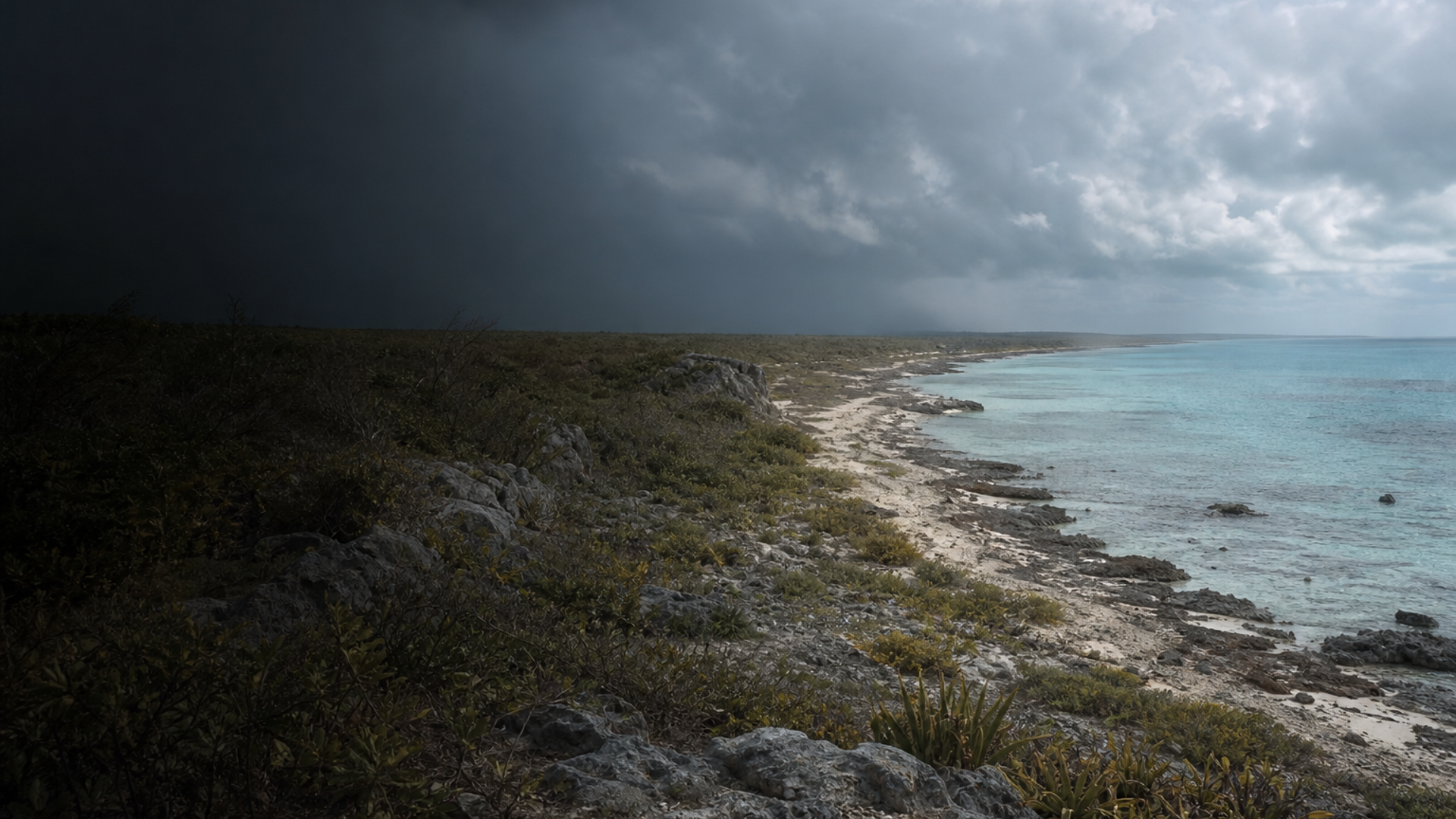
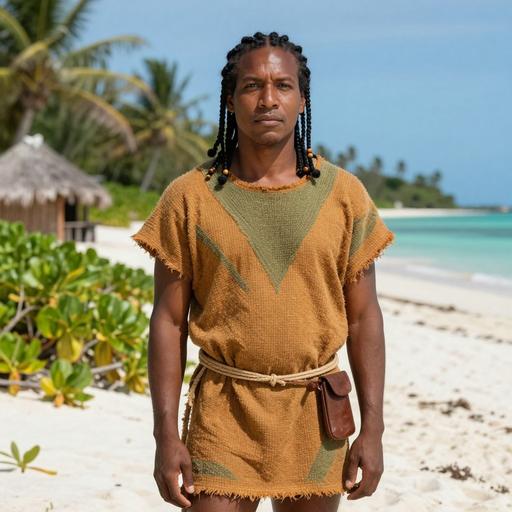
  • Y-DNA haplogroup Q and mtDNA haplogroup C present in the single sample
  • Findings align with Indigenous American genetic lineages but are preliminary (n=1)
Chapter VI

Legacy & Modern Connections

The Ragged Island Ceramic people are part of the deep human story of the Bahamas: maritime adaptation, artistic pottery, and island resilience. Genetic evidence from Flamingo Cay tentatively links these islanders to broader Indigenous American ancestries that shaped pre-contact Caribbean societies.

For modern communities and descendants in the Caribbean, fragments of pottery and a single ancient genome both serve as tangible reminders of a living past. Archaeological and genetic studies together can illuminate ancestral continuities and dispersals, but ethical engagement and expanded sampling are essential. As the sea reshapes the cays, so does each new line of evidence refine our collective understanding. The current genomic glimpse is brief and evocative — a prompt to deepen investigation rather than a final chapter.

  • Connects pre-contact Bahamian inhabitants to Indigenous American ancestries
  • Emphasizes need for more samples, ethical engagement, and integrated research
Chapter VII

样本目录

1 份与 Flamingo Cay: Ragged Island Ceramics 文化相关的古 DNA 样本,为研究该时期的人群提供遗传线索。

1 / 1 samples
纵向 样本 国家 大纪元 日期 文化 性别 Y-DNA mtDNA
重建的肖像画 Ragged Island Range Ceramic individual, Bahamas
Ragged Island Range Ceramic individual, Bahamas
Bahamas Bahamas_RaggedIsl_Ceramic 900-1500 CE Pre-Columbian Caribbean M Q-L472 C1b2
AI 电源

AI 助手

就 Flamingo Cay: Ragged Island Ceramics 文化提问

AI 助手 由DNAGENICS公司制作

解锁此特性
Ask questions about the Flamingo Cay: Ragged Island Ceramics culture. Our AI assistant can explain genetic findings, historical context, archaeological evidence, and modern connections.
AI 样本分析

Flamingo Cay: Ragged Island Ceramics 文化是人类历史中值得了解的一章……

遗传分析揭示了与早期种群的联系,同时显示了独特的适应和文化创新的证据。 古代DNA样本提供了对迁徙模式、社会结构以及古代种群之间的生物关系的深刻见解。

这是人工智能分析的预览。 解锁全AI 助手, 以探索关于:

  • 遗传组成和祖先
  • 移徙模式和起源
  • 日常生活和文化习俗
  • 现代遗传遗产

探索更古老的文化

揭开古代世界文明的故事

使用优惠码 可减免 35% • 11月12日 到期





