Krems-Wachtberg Hunter (Austria, ~29k BCE)

下载的 PDF 是图像副本。如需可选中文本及更好的辅助技术支持,请使用打印功能。

Krems-Wachtberg Hunter (Austria, ~29k BCE)

揭开一个失落的文明

正在加载考古记录……

正在收集古代记录

跳转到主内容
Krems-Wachtberg Hunter (Austria, ~29k BCE)
文明焦点

Krems-Wachtberg Hunter (Austria, ~29k BCE)

A lone Upper Paleolithic genome linking Austria's Gravettian landscape to deep European hunter-gatherer lineages.

29500 CE - 28500 BCE
Krems-Wachtberg, Lower Austria, Austria
1 Ancient Samples
滚动开始
Chapter I

剧情

了解 Krems-Wachtberg Hunter (Austria, ~29k BCE) 文化

Single Upper Paleolithic individual from Krems-Wachtberg (c. 29,500–28,500 BCE). Archaeological layers indicate Gravettian-era occupation; genetic data (Y I, mtDNA U5*) aligns with ancient European hunter-gatherer lineages. Conclusions are preliminary due to a single sample.

Time Period

c. 29,500–28,500 BCE (Upper Paleolithic)

Region

Krems-Wachtberg, Lower Austria, Austria

Common Y-DNA

I (1)

Common mtDNA

U5* (1)

Chapter II

时间线

这种文化历史上的关键时刻

29500 BCE

Occupation at Krems-Wachtberg

Archaeological horizons and a singular ancient genome date to c. 29,500–28,500 BCE, indicating Upper Paleolithic use of the site.

Chapter III

Origins & Emergence

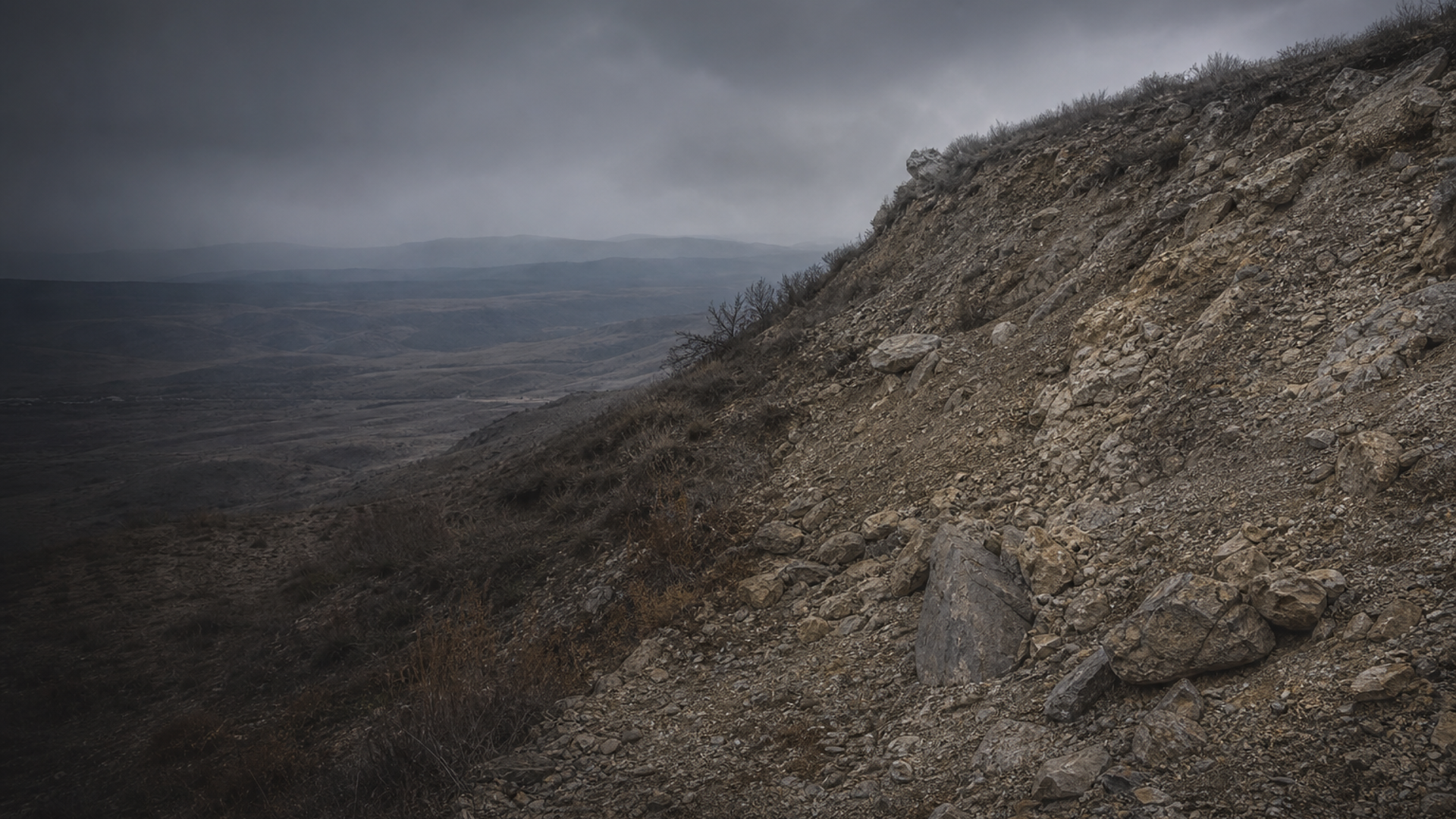
A landscape carved by ice and fire

Around 29,500–28,500 BCE, the loess terraces above the Danube at Krems-Wachtberg bore witness to seasonal camps and lifeways shaped by a cold, open landscape. Archaeological data indicates human presence in Upper Paleolithic horizons: fireplaces, flintknapping debris, and faunal remains suggest repeated occupation by mobile hunter-gatherer groups. Stratigraphy at Krems-Wachtberg ties these horizons to broader Gravettian and Upper Paleolithic cultural traditions across central Europe, though precise cultural labeling can be cautious given regional variation.

How this population may have arisen

  • Climate-driven mobility: groups tracked large herbivores and exploited riverine corridors at the edges of glacial environments.
  • Cultural networks: lithic technologies and portable art forms likely circulated across long distances, knitting together disparate campsites into shared traditions.
  • Demographic patchiness: small, dispersed bands with periodic aggregation at rich hunting locales.

Limited evidence suggests that the individual represented by the genetic sample lived within such a mobile hunter-gatherer system. With only one genome available, models of population origin and continuity remain provisional, but the archaeological context places this person firmly in the tapestry of Upper Paleolithic Europe.

  • Occupation dated c. 29,500–28,500 BCE
  • Associated with Upper Paleolithic / Gravettian horizons
  • Mobile hunter-gatherer lifeways inferred from artifacts
Chapter IV

Daily Life & Society

Scenes from a Paleolithic day

Stone tools and butchered animal bones found in Upper Paleolithic layers suggest a rhythm of daily life focused on hunting, tool production, and the processing of hides and meat. Flint reduction sequences visible in lithic scatters indicate skilled knappers working in the open or near temporary shelters. Hearth features and charred bones point to communal cooking and shared use of valued fuel resources.

Social structure and mobility

  • Small household groups: cores of related individuals likely formed the basic social unit, with flexible membership as bands merged or split.
  • Seasonal movement: valleys and terraces like those at Krems-Wachtberg would have been attractive during certain seasons for access to game and plant resources.
  • Material culture as social signal: portable ornaments and curated tool types may have encoded group identity and social ties across distances.

Archaeological data indicates practical adaptations to a cold environment: intensive use of local raw materials, strategic hearth placement, and patterns of discard that reflect short-term camps rather than long-term settlements. Any reconstruction of social life must remain cautious because the material record at the site is fragmentary and the genetic sample count is minimal.

  • Hunting and tool production dominated daily activities
  • Seasonal mobility and small, flexible social groups inferred
Chapter V

Genetic Profile

A genome from the cold edge of prehistory

The Krems-Wachtberg assemblage currently includes one ancient genome dated to c. 29.5–28.5 ka BP. That individual carries Y-chromosome haplogroup I and mitochondrial haplogroup U5*. Both lineages have long associations with European hunter-gatherer populations: U5 is among the oldest well-documented maternal lineages in Pleistocene and early Holocene Europe, while haplogroup I commonly appears in ancient male lineages of northern and central Europe.

Interpreting the genetic signals

  • Y haplogroup I: consistent with male lineages that persisted in Europe through the Late Pleistocene and into the Holocene, often associated with hunter-gatherer groups.
  • mtDNA U5*: indicative of deep maternal continuity in Europe; U5 sublineages are frequently recovered from Paleolithic and Mesolithic contexts.

Because sample count equals one, any population-level inference is tentative. Archaeogeneticists treat this genome as a valuable but singular data point: it corroborates archaeological expectations of long-term hunter-gatherer ancestry in central Europe but cannot, by itself, define the full genetic diversity of the region. Comparative analyses with other Upper Paleolithic genomes across Europe will refine models of gene flow, isolation, and demographic change in the coming years.

  • Y I and mtDNA U5* match expectations for Palaeolithic European hunter-gatherers
  • Single-sample status makes conclusions preliminary
Chapter VI

Legacy & Modern Connections

Threads into the present

Archaeological and genetic echoes from Krems-Wachtberg reach into multiple research threads: the persistence of U5 maternal lineages, the presence of Y haplogroup I in prehistoric Europe, and the role of river corridors as refugia and dispersal routes. These connections help map the deep ancestry of later European populations, yet they are not direct lines of descent but part of a complex web of population turnovers, admixture, and survival.

What this means for modern audiences

  • Cultural memory: material traces from the site illuminate how small groups organized, moved, and communicated long before sedentary lifeways.
  • Genetic continuity and change: some ancient lineages persist into later populations, but the genetic landscape of Europe was reshaped repeatedly by migrations and demographic shifts.

Given the single-sample dataset, all modern connections must be framed as provisional. The Krems-Wachtberg individual provides a cinematic but cautious glimpse of human life and ancestry at the tail end of the Ice Age in central Europe.

  • Provides a provisional link between ancient hunter-gatherers and later European genetic patterns
  • Highlights the need for more samples to understand regional continuity
Chapter VII

样本目录

1 份与 Krems-Wachtberg Hunter (Austria, ~29k BCE) 文化相关的古 DNA 样本,为研究该时期的人群提供遗传线索。

1 / 1 samples
纵向 样本 国家 大纪元 日期 文化 性别 Y-DNA mtDNA
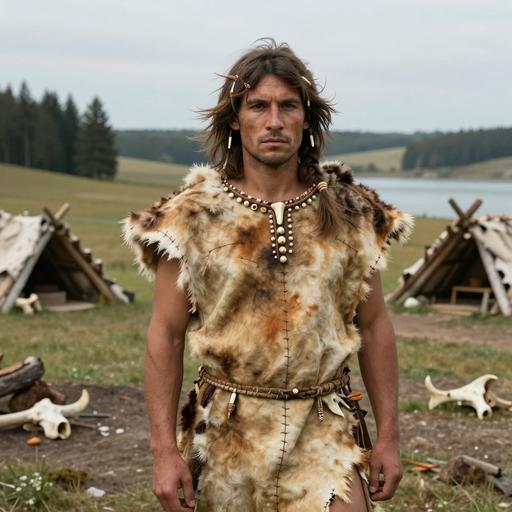
重建的肖像画 European Paleolithic individual, Austria
European Paleolithic individual, Austria
Austria Austria_KremsWA3 29500 BCE European Paleolithic M I-L758 U5*
AI 电源

AI 助手

就 Krems-Wachtberg Hunter (Austria, ~29k BCE) 文化提问

AI 助手 由DNAGENICS公司制作

解锁此特性
Ask questions about the Krems-Wachtberg Hunter (Austria, ~29k BCE) culture. Our AI assistant can explain genetic findings, historical context, archaeological evidence, and modern connections.
AI 样本分析

Krems-Wachtberg Hunter (Austria, ~29k BCE) 文化是人类历史中值得了解的一章……

遗传分析揭示了与早期种群的联系,同时显示了独特的适应和文化创新的证据。 古代DNA样本提供了对迁徙模式、社会结构以及古代种群之间的生物关系的深刻见解。

这是人工智能分析的预览。 解锁全AI 助手, 以探索关于:

  • 遗传组成和祖先
  • 移徙模式和起源
  • 日常生活和文化习俗
  • 现代遗传遗产

探索更古老的文化

揭开古代世界文明的故事

使用优惠码 可减免 35% • 11月12日 到期





