Living Lines of Modern Brunei

下载的 PDF 是图像副本。如需可选中文本及更好的辅助技术支持,请使用打印功能。

Living Lines of Modern Brunei

揭开一个失落的文明

正在加载考古记录……

正在收集古代记录

跳转到主内容
Living Lines of Modern Brunei
文明焦点

Living Lines of Modern Brunei

21 modern samples map local continuity and regional connections in Borneo's coastal heart.

2000 CE
Brunei (Borneo)
滚动开始
Chapter I

剧情

了解 Living Lines of Modern Brunei 文化

Genetic and archaeological perspectives on 21 modern Brunei individuals (sampled 2000 CE) from Tutong, Lamunin, Bebuloh, Seria, Limbang and Temburong that illuminate recent continuity, Austronesian heritage, and layered maritime connections across Borneo.

Time Period

2000 CE (modern)

Region

Brunei (Borneo)

Common Y-DNA

Not reported in dataset — regional Y lineages often include O (Austronesian-associated)

Common mtDNA

Not reported in dataset — regional mtDNA often includes B4a, M7, F1 variants

Chapter II

时间线

这种文化历史上的关键时刻

2000 CE

Modern sampling snapshot

Collection of 21 modern samples in 2000 CE across Tutong, Lamunin, Bebuloh, Seria, Limbang and Temburong provides a contemporary view of Bruneian genetic diversity.

Chapter III

Origins & Emergence

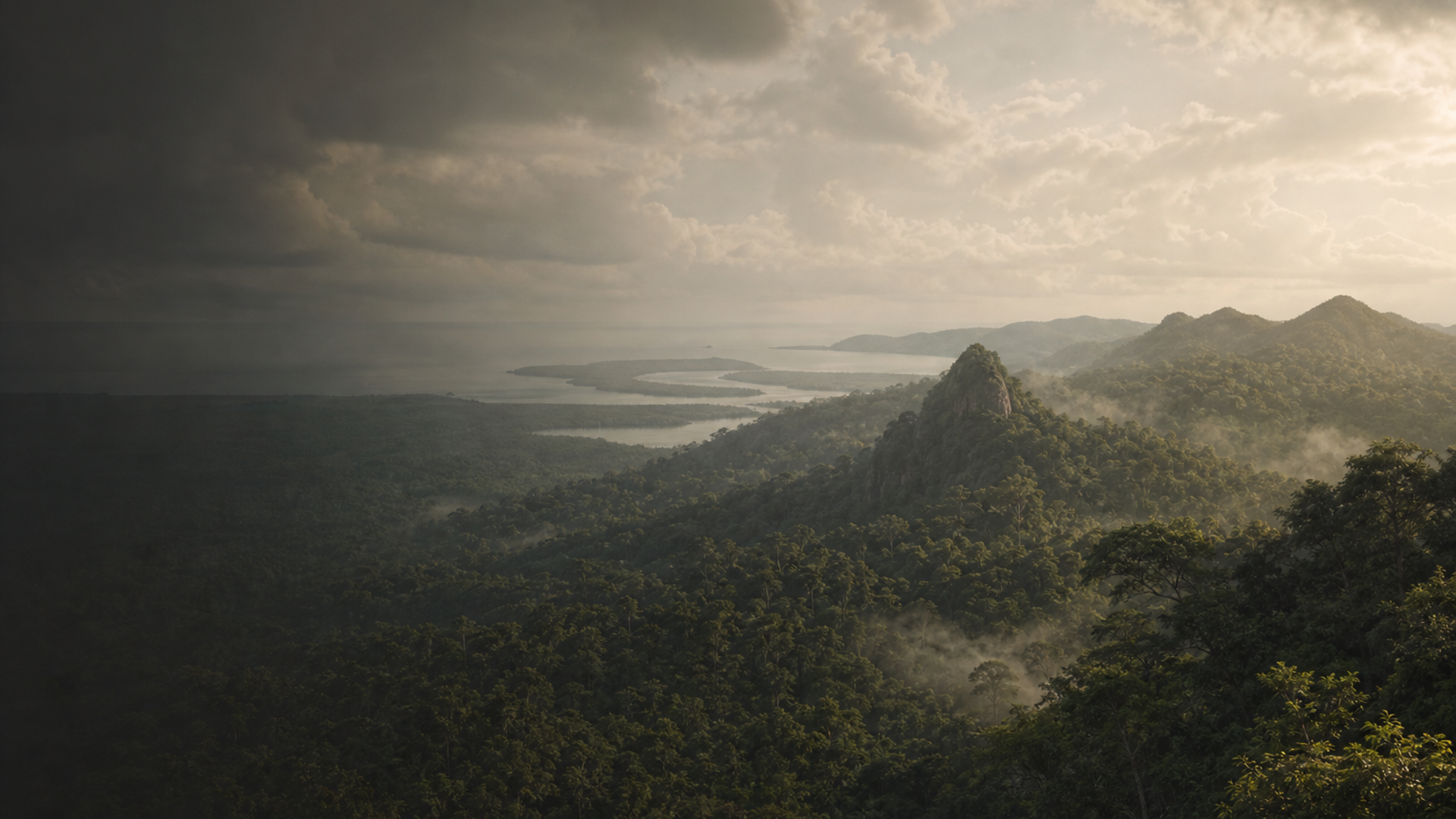
Modern Brunei sits on the edge of an ancient maritime world. Archaeological data indicates long-term settlement along riverine and coastal corridors of northern Borneo, where communities exploited sago, forest resources, and coastal fisheries. The samples in this dataset—collected from Tutong, Lamunin, Bebuloh, Seria, Limbang and Temburong—represent people whose cultural roots trace into a deep palimpsest of Austronesian expansions, indigenous Dayak traditions, and centuries of regional trade.

Limited evidence suggests that the rhetorical ‘‘beginning’’ of inhabitants in this region is far older than modern state boundaries: pottery types, oral histories, and material culture across Borneo point to population movements associated with the Austronesian dispersal (multi-millennial processes beginning ca. 2000–1000 BCE), followed by local adaptation. For the modern era (ca. 2000 CE), archaeological indicators are often subtle—house forms, graves, and portable artifacts overlayed by colonial and industrial landscapes. The cinematic sweep of mangroves, rivers and longhouses that once defined daily life still frames genetic continuity: DNA can capture both recent demographic shifts and echoes of earlier contacts that archaeology records more diffusely.

Where direct archaeological sampling is sparse, genetic data from living people becomes a complementary lens. Together, material culture and modern genomes sketch a narrative of long-standing coastal residency punctuated by trade, migration, and social reconfiguration.

  • Samples sourced from Tutong, Lamunin, Bebuloh, Seria, Limbang, Temburong
  • Archaeological indicators show long-term riverine and coastal settlement
  • Austronesian expansion and local indigenous traditions shape origins
Chapter IV

Daily Life & Society

The living communities represented by these samples inhabit landscapes of mangrove, river, and lowland forest. Ethnographic and archaeological parallels describe a mixed economy of sago and tuber processing, small-scale wetland cultivation where feasible, riverine fishing, and forest foraging. Traditional longhouses and stilted kampong houses mediate social life: extended kin groups, flexible residence patterns, and strong ties to river corridors and seasonal cycles.

Material culture in northern Borneo emphasizes wood, rattan, and textile arts—objects that rarely survive archaeologically yet leave clear imprints in oral history and ethnography. Burial practices vary across groups; where archaeologists have excavated burials in Borneo, they sometimes find grave goods that reflect trade ties and local status distinctions. In the modern period, towns such as Seria have become centers of industrial activity (notably petroleum-related), altering settlement patterns, diet, and mobility over the 20th century.

These socio-economic transitions are important for interpreting genetic signals: recent urbanization and labor migration increase admixture and gene flow, while rural communities may retain stronger signatures of local ancestry. Archaeological traces—shifts in pottery, house form, and tool technology—often match periods when social networks expanded and genetic inputs diversified.

  • Riverine and coastal livelihoods: sago, fishing, forest resources
  • Modern industrial centers (e.g., Seria) have reshaped mobility and admixture
Chapter V

Genetic Profile

This dataset comprises 21 modern individuals sampled in 2000 CE from multiple localities in Brunei (Tutong District, Lamunin, Bebuloh, Seria, Limbang, Temburong). While the dataset provides a useful snapshot of contemporary diversity, the absence of published haplogroup lists in the supplied metadata means direct claims about specific lineages must be cautious.

Regional genomic studies across Borneo and coastal Southeast Asia typically document a mixture of Austronesian-associated and older island or mainland Southeast Asian ancestry. In broad terms, many populations in the region show Y-chromosome lineages dominated by haplogroup O subclades (often associated with Austronesian and other East/Southeast Asian expansions) and mitochondrial haplogroups such as B4a, M7, and F1 that trace maternal histories tied to island Southeast Asia. Additionally, historical trade and mobility have introduced admixture from mainland Southeast Asia and, in some coastal centers, South Asian and later colonial-era inputs.

For these 21 samples, genetic inferences should be framed as follows:

  • The sample size (n=21) offers a moderate, locality-weighted perspective but cannot capture all microregional diversity across Brunei. Conclusions about population structure or rare lineages are tentative.
  • Where archaeological continuity is strong, shared genetic components across nearby communities may reflect long-term residency; where industrial towns have attracted migrants, elevated heterogeneity is expected.

Future work that pairs these modern genomes with ancient DNA from dated archaeological contexts (where preservation allows) would clarify timing of admixture events and better link observed genetic patterns to material culture changes.

  • 21 modern samples from six localities across Brunei (2000 CE)
  • Haplogroups not reported here; regional patterns typically show Austronesian-associated signals
  • Moderate sample size — useful but not definitive for fine-scale substructure
Chapter VI

Legacy & Modern Connections

The living peoples of Brunei carry cultural and genetic legacies that link river mouths and forest paths to a wider maritime world. Archaeology and genetics together illuminate a story of resilience: continuity of local practices, layered contact through trade and migration, and recent transformations driven by urbanization and industry. For individuals exploring ancestry on a DNA platform, these samples point to a blend of local Bornean heritage and broader Southeast Asian ties.

Important caveats remain. Modern genomes record recent demographic events very clearly; disentangling these from older signals requires comparative datasets, ancient DNA, and careful modeling. Given the moderate sample size and the mixed modern context of some localities (e.g., Seria), users should interpret connections as part of an ongoing research narrative rather than definitive genealogical proof. Continued sampling across rural and archaeological contexts will sharpen the picture of how Bruneian identities formed and persisted.

  • Modern genetics complements archaeology to reveal layered heritage
  • Moderate sample size and modern mobility mean conclusions are provisional
AI 电源

AI 助手

就 Living Lines of Modern Brunei 文化提问

AI 助手 由DNAGENICS公司制作

解锁此特性
Ask questions about the Living Lines of Modern Brunei culture. Our AI assistant can explain genetic findings, historical context, archaeological evidence, and modern connections.
AI 样本分析

Living Lines of Modern Brunei 文化是人类历史中值得了解的一章……

遗传分析揭示了与早期种群的联系,同时显示了独特的适应和文化创新的证据。 古代DNA样本提供了对迁徙模式、社会结构以及古代种群之间的生物关系的深刻见解。

这是人工智能分析的预览。 解锁全AI 助手, 以探索关于:

  • 遗传组成和祖先
  • 移徙模式和起源
  • 日常生活和文化习俗
  • 现代遗传遗产

探索更古老的文化

揭开古代世界文明的故事

使用优惠码 可减免 35% • 11月12日 到期




