Mescalitan Island, ca. 1000 BP

下载的 PDF 是图像副本。如需可选中文本及更好的辅助技术支持,请使用打印功能。

Mescalitan Island, ca. 1000 BP

揭开一个失落的文明

正在加载考古记录……

正在收集古代记录

跳转到主内容
Mescalitan Island, ca. 1000 BP
文明焦点

Mescalitan Island, ca. 1000 BP

A coastal Chumash-era community at Goleta seen through archaeology and DNA

800 CE - 12001200 CE
California, USA — Mescalitan Island (CA-SBA-46A)
滚动开始
Chapter I

剧情

了解 Mescalitan Island, ca. 1000 BP 文化

Archaeological and ancient-DNA data from CA-SBA-46A (Mescalitan Island, Goleta, CA) dated 800–1200 CE reveal limited but telling genetic links: Y haplogroup Q and mtDNA A2, consistent with Indigenous West Coast lineages and Chumash-era ancestry. Conclusions remain preliminary.

Time Period

800–1200 CE (ca. 1200–800 BP)

Region

California, USA — Mescalitan Island (CA-SBA-46A)

Common Y-DNA

Q (2 of 3 samples)

Common mtDNA

A2 (3 of 3 samples)

Chapter II

时间线

这种文化历史上的关键时刻

800 CE

Local village occupation begins (archaeological window)

Evidence places sustained occupation at Mescalitan Island around 800 CE, during the Chumash cultural horizon (50 words max).

1000 CE

Genetic snapshot

Ancient DNA from CA-SBA-46A individuals dates within this interval, revealing mtDNA A2 and Y-DNA Q lineages (preliminary).

1200 CE

Site transformation or continuity

Archaeological deposits suggest changes in site use after 1200 CE, marking shifts in settlement patterns or resource strategies (preliminary).

Chapter III

Origins & Emergence

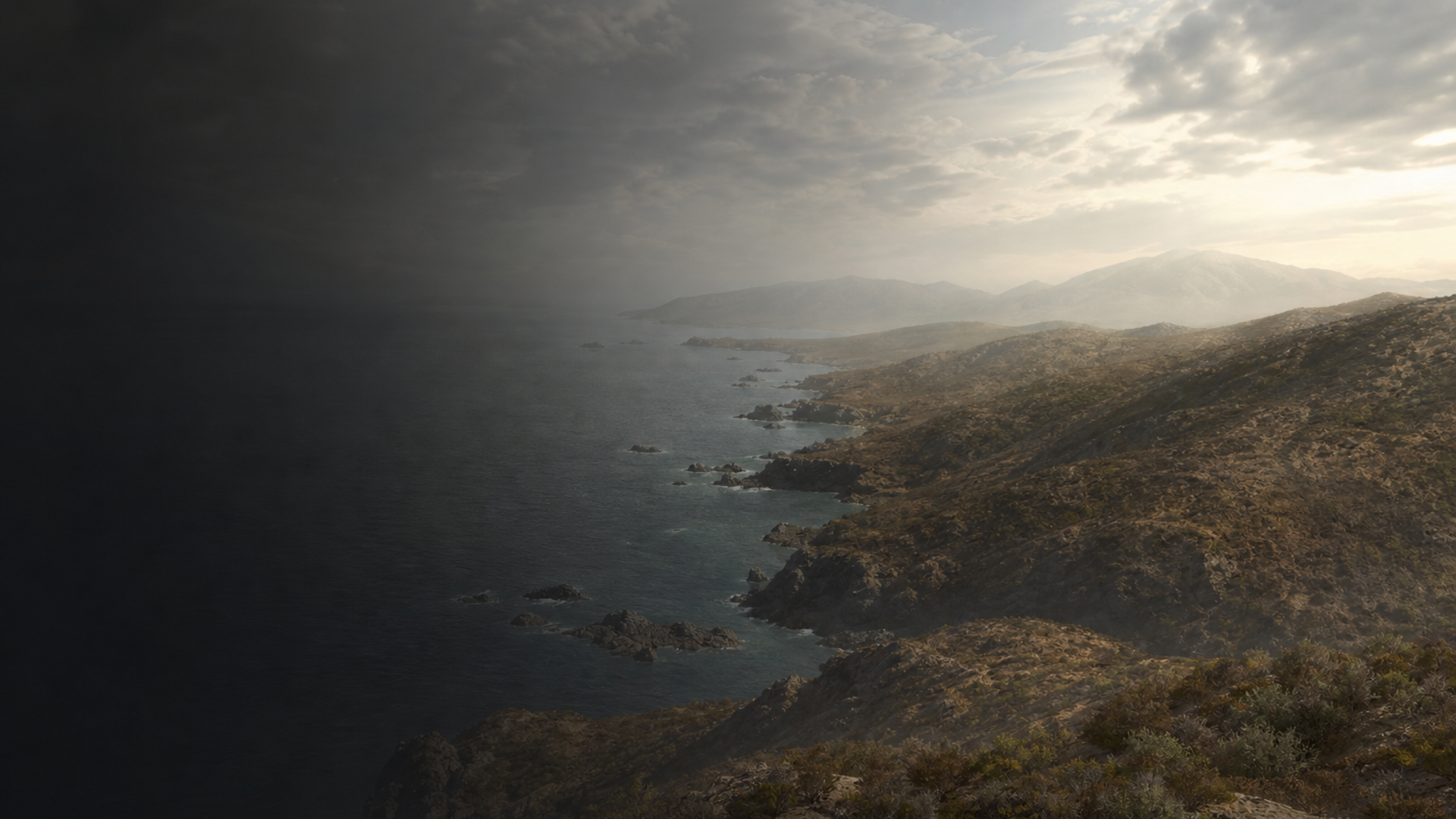
Archaeological data indicates that the Mescalitan Island locality (CA-SBA-46A) hosted coastal villages within the broader Chumash cultural landscape between roughly 800 and 1200 CE. The site sits on the wind-sculpted shores of what is now Goleta, a place of ending daylight and abundant tide lines — a setting that encouraged intimate knowledge of sea, estuary, and shore.

Material traces recovered in the region — shell midden deposits, hearth features, and village debris visible in multiple investigations of Goleta-area sites — point to long-term occupation and intensive exploitation of marine resources. Within this seaside tableau, social identities were shaped by craft, trade, and seasonal rounds that connected islands, mainland coves, and inland oak groves.

Genetic data from three ancient individuals overlaps this archaeological window and suggests continuity with Indigenous coastal populations. Limited evidence cautions us: three samples cannot capture the full demographic complexity of the Chumash world, but they do provide a genomic glimmer of the people who navigated these shores.

  • Site: CA-SBA-46A (Mescalitan Island), Goleta, California
  • Date range: 800–1200 CE (ca. 1200–800 BP)
  • Archaeological indicators of sustained coastal village life
Chapter IV

Daily Life & Society

Daily life at a Chumash-era coastal village would have been sculpted by tides, kelp beds, and migrating fish — a rhythm of sunrise launches, tidepool gleaning, and communal processing of shellfish. Archaeological data indicates dense midden layers near habitation zones, suggesting regular shellfish consumption and on-site discard of debris. Seasonality likely structured labor: shellfishing and fish harvests in one season, acorn processing and inland gathering in others.

Craft production and exchange were also central. The broader Chumash world is known ethnographically for sophisticated maritime technology and craft specialization; archaeological signatures in the Santa Barbara area include evidence for woodworking, basketry impressions, and ornament production. Social life combined kin-based households with wider ritual and exchange networks: plazas, decorated objects, and intersite trade forged ties along the southern California coast.

At Mescalitan Island, these lifeways would have been enacted within sheltered estuaries and on exposed shorelines — a community attuned to the sea’s generosity and hazards.

  • Economy centered on marine resources and seasonal terrestrial gathering
  • Craft, exchange, and community rituals tied to coastal lifeways
Chapter V

Genetic Profile

Three ancient individuals from CA-SBA-46A produced reproducible DNA results: all three carried mitochondrial haplogroup A2, while two of the three males carried Y-chromosome haplogroup Q. Both markers are widely recognized components of Indigenous American genetic diversity. mtDNA A2 is commonly found across western North America and on the Pacific coast, signifying maternal-line continuity in the region. Y haplogroup Q is a predominant Native American paternal lineage and its presence here aligns with broader continental patterns.

Important caveats: the sample count is very small (n=3). Limited evidence suggests local genetic continuity consistent with Chumash affiliation, but these results are preliminary. Small sample sizes can miss population heterogeneity, kin-structured burial practices, and recent admixture episodes. Genetic signals must therefore be interpreted alongside archaeological assemblages, cultural chronology, and respectful consultation with descendant communities.
Nevertheless, the concordance of archaeological context (Chumash-era coastal settlement) with Indigenous-associated haplogroups strengthens a cautious inference: Mescalitan Island individuals were part of the deep-rooted coastal genetic landscape of Southern California.

  • All three samples: mtDNA A2 — common West Coast maternal lineage
  • Two of three males: Y-DNA Q — widespread Native American paternal lineage; sample size is small
Chapter VI

Legacy & Modern Connections

The genetic and archaeological echoes from Mescalitan Island connect past communities to present peoples of the Santa Barbara region. mtDNA A2 and Y-DNA Q link these ancient individuals to broader Indigenous American lineages, underscoring continuity across centuries of coastal life. Archaeological landscapes like CA-SBA-46A are not static museum pieces but parts of living heritage that inform contemporary identities, stewardship, and claims.

Because only three samples have yielded genetic data, any claims about population structure, migration, or replacement must remain tentative. Ongoing research that combines larger aDNA sample sets, high-resolution archaeology, and collaboration with Chumash descendant communities will refine these early portraits. For now, Mescalitan Island offers a cinematic yet scientifically cautious glimpse of Chumash-era lifeways and the genetic threads that help trace them into the present.

  • Genetic markers align with Indigenous West Coast ancestry and cultural continuity
  • Small sample size requires respectful, preliminary interpretations and community collaboration
AI 电源

AI 助手

就 Mescalitan Island, ca. 1000 BP 文化提问

AI 助手 由DNAGENICS公司制作

解锁此特性
Ask questions about the Mescalitan Island, ca. 1000 BP culture. Our AI assistant can explain genetic findings, historical context, archaeological evidence, and modern connections.
AI 样本分析

Mescalitan Island, ca. 1000 BP 文化是人类历史中值得了解的一章……

遗传分析揭示了与早期种群的联系,同时显示了独特的适应和文化创新的证据。 古代DNA样本提供了对迁徙模式、社会结构以及古代种群之间的生物关系的深刻见解。

这是人工智能分析的预览。 解锁全AI 助手, 以探索关于:

  • 遗传组成和祖先
  • 移徙模式和起源
  • 日常生活和文化习俗
  • 现代遗传遗产

探索更古老的文化

揭开古代世界文明的故事

使用优惠码 可减免 35% • 11月12日 到期




