Modern Finland: Living Landscape

下载的 PDF 是图像副本。如需可选中文本及更好的辅助技术支持,请使用打印功能。

Modern Finland: Living Landscape

揭开一个失落的文明

正在加载考古记录……

正在收集古代记录

跳转到主内容
Modern Finland: Living Landscape
文明焦点

Modern Finland: Living Landscape

A present-day population portrait linking archaeology, place, and genomes

2000 CE
Finland (including Utsjoki, Enontekiö)
滚动开始
Chapter I

剧情

了解 Modern Finland: Living Landscape 文化

Contemporary Finland (2000 CE) sampled across Lapland and southern regions. Archaeological continuity and recent history meet genetic diversity in 104 modern samples, offering a baseline for comparing ancient northern European genomes.

Time Period

2000 CE (Modern)

Region

Finland (including Utsjoki, Enontekiö)

Common Y-DNA

Diverse; see Genetic Profile

Common mtDNA

Diverse; see Genetic Profile

Chapter II

时间线

这种文化历史上的关键时刻

2000 CE

Contemporary genomic sampling

A modern-genome baseline: 104 samples collected across Finland (including Utsjoki and Enontekiö) provide a present-day reference for archaeogenetic comparisons.

Chapter III

Origins & Emergence

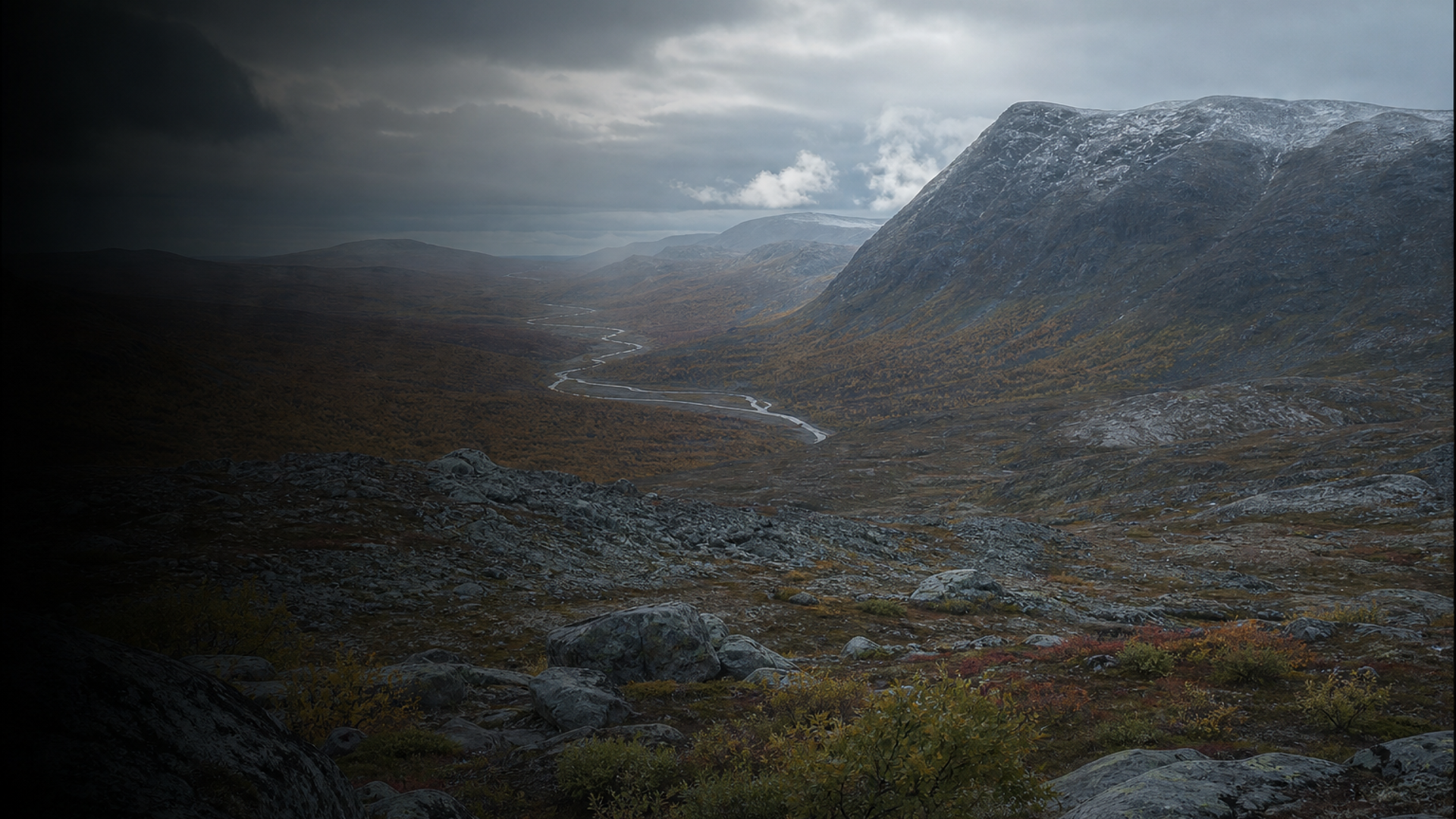
Across the granite ribs and boreal forests of Finland, the modern population is the latest layer in a long palimpsest of human habitation. Archaeological data indicates continuity of settlement in coastal and inland zones from the Iron Age through the medieval period into the present day, with shifting material cultures recorded at sites such as Turku and Oulu. In the far north, places like Utsjoki and Enontekiö lie within landscapes long used by Sámi peoples; archaeological traces there—seasonal camps, reindeer corrals, and small finds—speak to a distinctive northern lifeway.

For 2000 CE, archaeological evidence is primarily historical and ethnographic: built environments, cemeteries, church records, and recent excavations that document continuity and change over centuries. Limited evidence of very recent micro-regional shifts is supplemented by archival documentary sources rather than deep stratigraphic sequences. Where excavations intersect living memory, they illuminate persistence of place names, land use, and artisanal traditions.

Genetically, modern Finnish populations form a living endpoint of many earlier demographic processes—post-glacial recolonization, Iron Age mobility, medieval contacts with Scandinavia and Russia, and more recent national-scale movements. Archaeology provides the landscape and material anchors; genetics measures the invisible threads of ancestry that tie contemporary people to those past processes. Together they create a richer, though still incomplete, story of emergence.

  • Archaeological continuity from Iron Age to present in many regions
  • Northern sites (Utsjoki, Enontekiö) show continuity of Sámi lifeways
  • Modern landscape informed by centuries of mobility, trade, and settlement
Chapter IV

Daily Life & Society

The everyday world of Finland in 2000 CE is ethnographically and historically rich: cities like Helsinki and Turku coexist with rural farmsteads and the tundra-edge communities of Lapland. Material culture is both modern and deeply rooted—wooden architecture, fishing and farming gear, and seasonal pastoral systems remain visible alongside industrial and digital infrastructures. Archaeological perspectives in the modern epoch rely heavily on historic-built environment studies, cemetery archaeology, and salvage excavations conducted during development projects.

In northern communities such as Utsjoki and Enontekiö, seasonal mobility linked to reindeer herding, fishing, and hunting shapes settlements and artifact distributions. Ethnoarchaeological work and historical records document craft traditions—textiles, boat-building, and leatherwork—that persist as cultural continuities. Elsewhere, coastal archaeology reveals layered harbors and trade networks that connected Finnish communities with Scandinavia, the Baltic, and Russia throughout the medieval and modern eras.

These material traces contextualize genetic data: patterns of kinship, marriage practices, and long-distance trade influence how genomes are distributed across landscapes. For example, historical matrilocal or patrilocal residence patterns can leave subtle signatures in mitochondrial or Y-chromosome diversity. Combined, archaeological and ethnographic evidence frames how people lived, moved, and formed the communities sampled in modern genetic studies.

  • Modern artifacts complement historic archaeology and ethnography
  • Northern lifeways (reindeer, fishing) leave distinctive archaeological signatures
Chapter V

Genetic Profile

The dataset of 104 modern Finnish samples (collected across Finland, including Utsjoki and Enontekiö) provides a contemporary genetic snapshot useful as a baseline for comparing older ancient genomes. Modern Finnish populations show regional structure: northern communities often diverge in allele frequencies from southern and coastal populations, reflecting historical isolation, differing ancestry components, and localized demographic events. Archaeogenetic studies of northern Fennoscandia indicate admixture layers from ancient hunter-gatherers, incoming Uralic-speaking groups, medieval Scandinavian and East Baltic contacts, and more recent mobility.

For this sample set, specific haplogroup lists were not provided in the metadata; therefore conclusions here emphasize patterns rather than precise haplogroup frequencies. Genetic analyses of modern Finnish cohorts generally reveal higher levels of population structure than many neighboring regions, with detectable north–south and east–west clines. These patterns correlate with archaeological evidence: regions with long-standing settlement continuity and distinct cultural practices often show characteristic genetic signatures. The sample count of 104 is robust for many population-genetic comparisons, but regional substructure (especially within Lapland) means fine-scale inferences should be made cautiously. Where sample sizes for subregions are small, conclusions remain preliminary and benefit from integration with archaeological and historical data to avoid overinterpretation.

  • 104 modern samples form a useful baseline for ancient comparisons
  • Regional genetic structure mirrors archaeological and historical divisions
Chapter VI

Legacy & Modern Connections

Modern Finns inhabit a landscape where deep-time processes remain legible: language, place names, built heritage, and demographic patterns all carry echoes of the past. Genetic baselines established from contemporary samples are invaluable to archaeogenetics because they help distinguish long-standing local ancestry from more recent mobility and admixture. In addition, they ground interpretations of ancient DNA by providing living reference points against which ancient genomes can be compared.

Caution is essential: modern population structure reflects recent historical events as well as ancient ones. Thus, archaeologists and geneticists working together can identify where cultural continuity aligns with biological continuity and where later movements have reshaped genetic landscapes. For museum and public audiences, this synthesis casts the people of modern Finland as both inheritors and active shapers of a northern European story that continues to unfold.

  • Modern genomes provide baseline data for interpreting ancient DNA
  • Collaborative archaeology and genetics reveal continuity and change
AI 电源

AI 助手

就 Modern Finland: Living Landscape 文化提问

AI 助手 由DNAGENICS公司制作

解锁此特性
Ask questions about the Modern Finland: Living Landscape culture. Our AI assistant can explain genetic findings, historical context, archaeological evidence, and modern connections.
AI 样本分析

Modern Finland: Living Landscape 文化是人类历史中值得了解的一章……

遗传分析揭示了与早期种群的联系,同时显示了独特的适应和文化创新的证据。 古代DNA样本提供了对迁徙模式、社会结构以及古代种群之间的生物关系的深刻见解。

这是人工智能分析的预览。 解锁全AI 助手, 以探索关于:

  • 遗传组成和祖先
  • 移徙模式和起源
  • 日常生活和文化习俗
  • 现代遗传遗产

探索更古老的文化

揭开古代世界文明的故事

使用优惠码 可减免 35% • 11月12日 到期




