Pacapaccari: Echoes of the LIP Andes

下载的 PDF 是图像副本。如需可选中文本及更好的辅助技术支持,请使用打印功能。

Pacapaccari: Echoes of the LIP Andes

揭开一个失落的文明

正在加载考古记录……

正在收集古代记录

跳转到主内容
Pacapaccari: Echoes of the LIP Andes
文明焦点

Pacapaccari: Echoes of the LIP Andes

Three genomes from Pacapaccari illuminate Late Intermediate Period life in Ayacucho, Peru

1175 CE - 1410 CE
Ayacucho, Lucanas, Laramate (Pacapaccari), Peru
滚动开始
Chapter I

剧情

了解 Pacapaccari: Echoes of the LIP Andes 文化

Ancient DNA from three individuals (1175–1410 CE) at Pacapaccari, Laramate, Ayacucho, links local Late Intermediate Period funerary contexts to broad Andean maternal lineages (B2/B2b) and preliminary Y-chromosome diversity (P/Q). Small sample size makes conclusions tentative.

Time Period

1175–1410 CE (Late Intermediate Period)

Region

Ayacucho, Lucanas, Laramate (Pacapaccari), Peru

Common Y-DNA

P (1 — unresolved), Q (1)

Common mtDNA

B2 (2), B2b (1)

Chapter II

时间线

这种文化历史上的关键时刻

1175 CE

Pacapaccari burials dated to the Late Intermediate Period

Radiocarbon and genomic analyses place three human remains at Pacapaccari between 1175 and 1410 CE, within the Late Intermediate Period; conclusions remain tentative due to low sample count.

Chapter III

Origins & Emergence

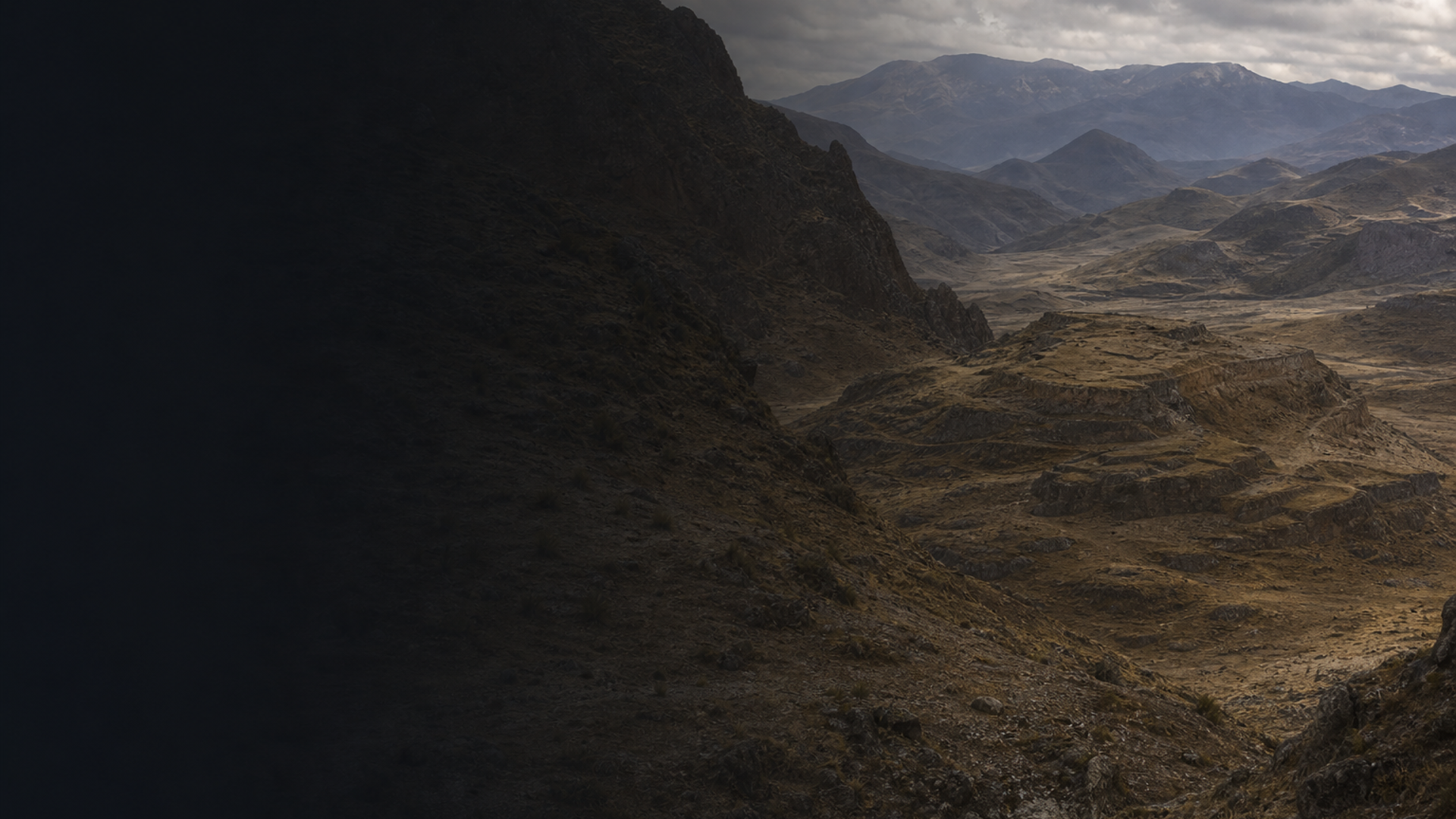
The Pacapaccari assemblage emerges from Laramate, a highland valley within Lucanas province (Ayacucho), during the Late Intermediate Period — a century-spanning era of regional reorganization after earlier state polities. Archaeological data indicates the human remains sampled were recovered from funerary contexts at Pacapaccari and date to roughly 1175–1410 CE. This places them in a landscape where local communities negotiated resource zones, vertical ecological niches, and shifting alliances.

Limited evidence suggests continuity with broad Andean lifeways rather than direct continuity with distant imperial centers. Material signatures typical of the LIP across the southern highlands include localized ceramic styles, platform architecture, and intensified agropastoral strategies; however, specific artifact assemblages from Pacapaccari remain sparsely published. The genomic data add a human dimension to these patterns: mitochondrial lineages typical to the region tie these individuals to wider maternal ancestries across the Andes, while Y-chromosome results are preliminary and partially unresolved.

The picture that emerges is one of a small, rooted community at the margins of larger political networks. With only three genomes, interpretations about migration, social boundaries, or population turnover must remain cautious. Future excavation and sampling at Pacapaccari and neighboring sites will be essential to test whether the patterns seen here reflect local continuity, mobility, or episodic contacts.

  • Samples from Pacapaccari (Laramate, Lucanas, Ayacucho), dated 1175–1410 CE
  • Context: Late Intermediate Period regional dynamics after earlier state decline
  • Conclusions preliminary due to low sample count
Chapter IV

Daily Life & Society

Archaeological inference places Pacapaccari inhabitants within the textured economies of the high Andes: agriculture adapted to elevation, herding of camelids, and exploitation of vertical ecological zones. While direct botanical or zooarchaeological reports from the three sampled burials are limited, regional LIP patterns in Ayacucho suggest mixed farming of tubers (native potatoes), maize in lower terraces, and reliance on llamas for transport, wool, and meat.

Burials, as the source of the genetic material, offer a window into social identity. Funerary placement, grave goods, and body orientation — where documented in LIP contexts — often reflect household-level decisions and local ritual practice rather than imperial standardization. The small dataset from Pacapaccari cannot robustly reconstruct social hierarchy, but the presence of consistent maternal lineages hints at kin networks centered on matrilineal continuity in household groups.

Daily life would have been shaped by seasonal rhythms, exchange between valley and puna, and the negotiation of resources with neighboring communities. Archaeology paints a scene of communities stitching together resilience through diverse crop assemblages, herding economies, and ritual practices anchored in place — a cinematic highland world of terraces, llamas, and ritual fires that sustained human lives in thin air.

  • Likely agropastoralist lifeways: potatoes, maize, and camelid herding (regional inference)
  • Funerary contexts suggest household-centered social organization; specifics remain tentative
Chapter V

Genetic Profile

Three genomes from Pacapaccari reveal a compact but informative genetic snapshot. On the maternal side, two individuals carry mtDNA haplogroup B2 and one carries B2b — lineages widely documented among Indigenous populations in the Andes and across South America. These maternal markers are consistent with deep Native American ancestry and suggest mitochondrial continuity with regional populations.

On the paternal side, results show one individual assigned to haplogroup Q, a well-established Native American Y-lineage, and one assigned at a broader resolution to haplogroup P. In global Y-chromosome phylogeny, P is a parent clade that includes Q; an assignment to P in ancient data often indicates limited resolution, so this may represent an unresolved Q-lineage or reflect preservation and coverage limits.

Because the sample count is three (<10), all genetic inferences must be labeled preliminary. Limited sampling constrains population-level statements (e.g., diversity, sex-biased migration, or admixture). Nonetheless, the concordance of mtDNA B2/B2b with regional expectations and at least one clear Q Y-haplogroup supports continuity with pre-contact Andean genetic landscapes. Future broader sampling from neighboring Lucanas valleys and comparative analysis with contemporaneous LIP and later Inca-period genomes will be necessary to test hypotheses about mobility, kinship structure, and demographic change.

  • mtDNA: B2 (2), B2b (1) — fits widespread Andean maternal lineages
  • Y-DNA: Q (1); P (1) likely reflects unresolved resolution and cautions about low coverage
Chapter VI

Legacy & Modern Connections

The genetic signatures from Pacapaccari resonate with living Andean communities: mtDNA lineages such as B2 and B2b continue to appear across modern Indigenous groups in Peru and beyond, indicating long-standing maternal continuity in the highlands. Such continuity provides a genetic thread that ties contemporary populations to LIP-era inhabitants of valleys like Laramate.

Cultural legacy is equally evocative. Practices of agropastoral management, vertical exchange, and localized ceremonial life that characterized the Late Intermediate Period helped shape social landscapes later incorporated into Inca systems and persisted in many rural communities. However, with only three ancient genomes, we must avoid overclaiming direct ancestry or demographic processes. These individuals offer a human face to archaeological narratives and invite more extensive sampling to clarify how local lineages contributed to the genetic tapestry of modern Andean peoples.

In short, Pacapaccari provides a suggestive glimpse: continuity in maternal lines, hints of paternal diversity, and a promise that deeper sampling will better illuminate the threads between past and present in the Andes.

  • mtDNA continuity suggests links with modern Andean maternal lineages
  • Small sample size limits broad claims; more data needed for population-level connections
AI 电源

AI 助手

就 Pacapaccari: Echoes of the LIP Andes 文化提问

AI 助手 由DNAGENICS公司制作

解锁此特性
Ask questions about the Pacapaccari: Echoes of the LIP Andes culture. Our AI assistant can explain genetic findings, historical context, archaeological evidence, and modern connections.
AI 样本分析

Pacapaccari: Echoes of the LIP Andes 文化是人类历史中值得了解的一章……

遗传分析揭示了与早期种群的联系,同时显示了独特的适应和文化创新的证据。 古代DNA样本提供了对迁徙模式、社会结构以及古代种群之间的生物关系的深刻见解。

这是人工智能分析的预览。 解锁全AI 助手, 以探索关于:

  • 遗传组成和祖先
  • 移徙模式和起源
  • 日常生活和文化习俗
  • 现代遗传遗产

探索更古老的文化

揭开古代世界文明的故事

使用优惠码 可减免 35% • 11月12日 到期