Saki Tzul Ancients — Belize 7,400 BP

下载的 PDF 是图像副本。如需可选中文本及更好的辅助技术支持,请使用打印功能。

Saki Tzul Ancients — Belize 7,400 BP

揭开一个失落的文明

正在加载考古记录……

正在收集古代记录

跳转到主内容
Saki Tzul Ancients — Belize 7,400 BP
文明焦点

Saki Tzul Ancients — Belize 7,400 BP

Early Archaic occupants of Belize linked by Y‑DNA Q and mtDNA D1

5513 CE - 5360 BCE
Belize (Saki Tzul)
2 Ancient Samples
滚动开始
Chapter I

剧情

了解 Saki Tzul Ancients — Belize 7,400 BP 文化

Human remains from Saki Tzul (5513–5360 BCE) yield Y haplogroup Q and mtDNA D1 in two individuals. Archaeology and ancient DNA together hint at deep American lineages in southern Belize, but conclusions remain preliminary.

Time Period

5513–5360 BCE

Region

Belize (Saki Tzul)

Common Y-DNA

Q (2)

Common mtDNA

D1 (2)

Chapter II

时间线

这种文化历史上的关键时刻

5500 BCE

Saki Tzul burials date to the mid-Holocene

Human remains at Saki Tzul are radiocarbon-dated to c. 5513–5360 BCE, marking an early Archaic presence in southern Belize.

Chapter III

Origins & Emergence

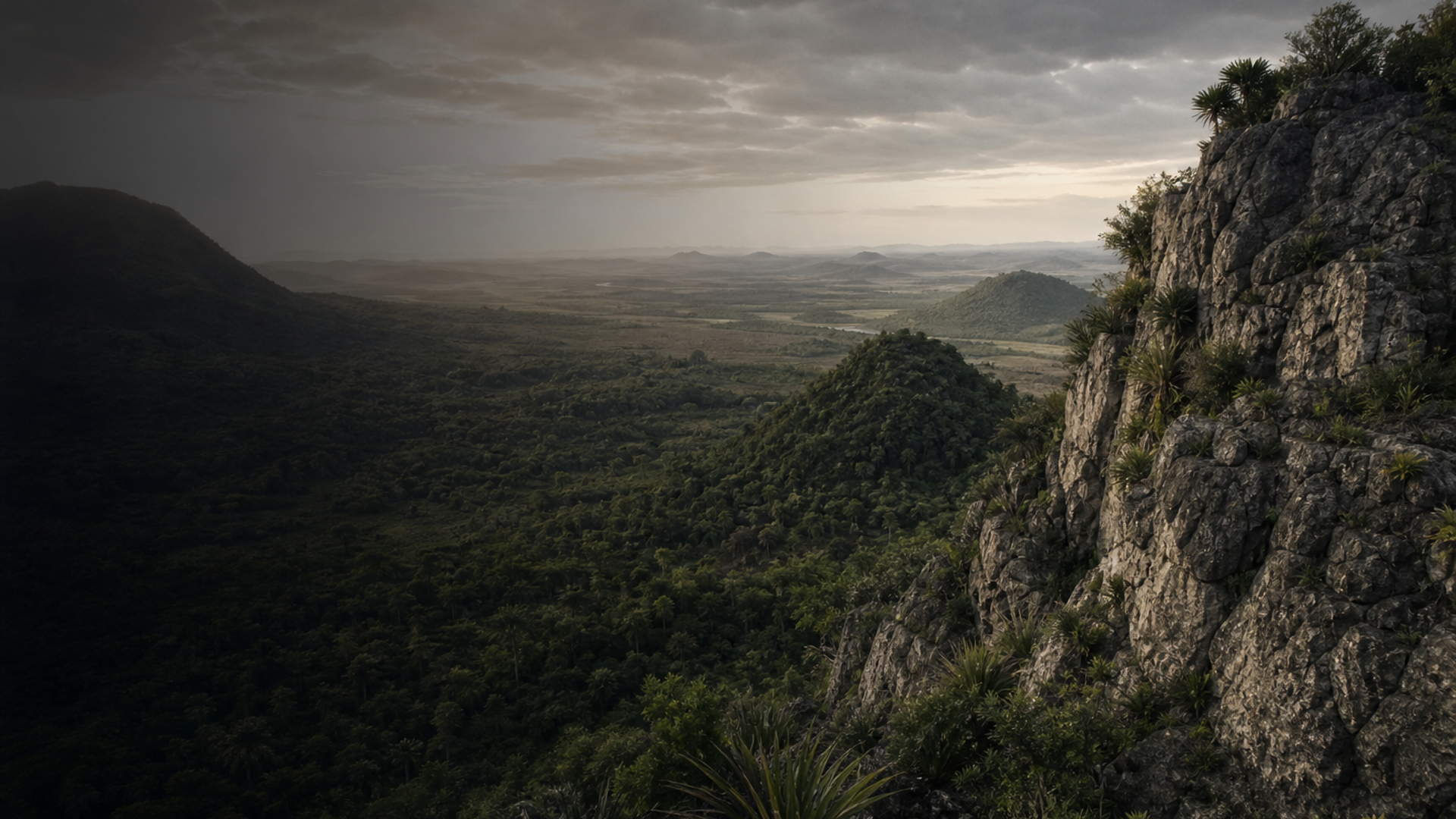
The Saki Tzul assemblage sits in the heart of Belize’s early Holocene landscape. Radiocarbon-calibrated dates on human remains place occupation between 5513 and 5360 BCE, about 7,400 years ago. Archaeological data indicates an Archaic-era presence at Saki Tzul, and the recovered burials provide a rare time-capsule into lifeways shortly after the initial peopling of the Americas.

The cinematic sweep of rising forests and shifting coastlines frames these people: a mosaic of rivers, wetlands, and coastal plains that would have supported foraging, fishing, and seasonal mobility. While the skeletal sample is small, the context suggests long-term local use rather than a transient stop. Limited evidence suggests cultural continuity in the region during the mid-Holocene, but broader connections to contemporaneous groups across Mesoamerica remain tentative.

Because only two well-preserved individuals have yielded genomic data, any reconstruction of population dynamics must be cautious. Archaeology at Saki Tzul provides the spatial and temporal anchor; genetics offers the lineage signals. Together they create a plausible, but preliminary, narrative of early Belizean emergence.

  • Radiocarbon dates: 5513–5360 BCE (mid-Holocene)
  • Site: Saki Tzul, Belize — early Archaic context
  • Conclusions are preliminary due to small sample size
Chapter IV

Daily Life & Society

Reconstructing daily life at Saki Tzul requires combining environmental inference with careful restraint. The mid-Holocene tropical setting of Belize would have offered abundant freshwater resources, terrestrial game, and coastal foodways within seasonal rounds. People likely moved across riverine corridors and floodplain forests, exploiting shellfish, fish, and forest plants when available.

Material traces from this period in southern Belize are often ephemeral: stone tools, hearths, and discard concentrations reflect highly mobile economies rather than dense sedentary villages. Social groups were probably small and flexible, organized around kin networks with seasonal aggregation for resource-rich periods. Mortuary treatment preserved at Saki Tzul indicates the intentional burial of individuals, which signals social recognition and potentially place-based identities.

Archaeological data indicates adaptations tuned to a changing climate and landscape. However, because direct cultural assemblage details from Saki Tzul are limited, many specifics of craft, ritual, and social hierarchy remain unknown. Comparative study with other Archaic sites in Belize and neighboring regions helps fill interpretive gaps but cannot replace targeted excavation and community-engaged research at Saki Tzul itself.

  • Likely mobile, riverine and coastal foraging economy
  • Small kin-based groups with seasonal movements
Chapter V

Genetic Profile

Ancient DNA retrieved from two individuals at Saki Tzul reveals a genetic snapshot: both males carry Y‑chromosome haplogroup Q, and both individuals possess mitochondrial haplogroup D1. These lineages are among the founding Native American clades observed across North and South America, suggesting that the Saki Tzul people carried deep pan-American ancestry components.
The concurrence of Y‑Q and mtDNA D1 in both samples can be read cautiously. Haplogroup Q on the paternal line is widespread in ancient and modern Indigenous American populations, and D1 similarly represents a major maternal founding lineage. This pattern is consistent with early dispersals into Central America, but with only two samples the signal cannot resolve fine-scale population structure, sex-biased migration, or local continuity versus later admixture.

Genomic autosomal data (when available) would provide stronger inference about affinity to other ancient groups and modern Indigenous communities. For now, the genetic data from Saki Tzul complements the archaeological record by confirming presence of canonical Native American lineage markers deep in Belize’s Archaic past. Limited sample count (<10) requires that all genetic conclusions be framed as preliminary and awaiting confirmation through additional sampling and collaboration with descendant communities.

  • Both individuals: Y haplogroup Q and mtDNA D1
  • Findings consistent with founding Native American lineages; preliminary
Chapter VI

Legacy & Modern Connections

The genetic and archaeological traces at Saki Tzul form a bridge between deep prehistory and contemporary Indigenous presence in Belize. Haplogroups Q and D1 persist, in varying frequencies, among many modern Native American communities—linking ancient lineages to descendants across the Americas. This continuity helps frame Belize as part of the mosaic of early human settlement in Mesoamerica.

Importantly, the narrative must emphasize ethical research: further study requires partnership with Belizean and Indigenous stakeholders, repatriation dialogue where appropriate, and transparent communication about what DNA can and cannot resolve. Future excavations and genomic sampling, undertaken with community consent, will refine the picture of population dynamics, migration, and cultural continuity that Saki Tzul begins to reveal.

In short, Saki Tzul offers a cinematic, but tentative, glimpse of people living in a lush mid-Holocene Belize whose genetic echoes may still be traced today.

  • Lineages at Saki Tzul connect to broader Native American genetic heritage
  • Further sampling and community collaboration are essential
Chapter VII

样本目录

2 份与 Saki Tzul Ancients — Belize 7,400 BP 文化相关的古 DNA 样本,为研究该时期的人群提供遗传线索。

2 / 2 samples
纵向 样本 国家 大纪元 日期 文化 性别 Y-DNA mtDNA
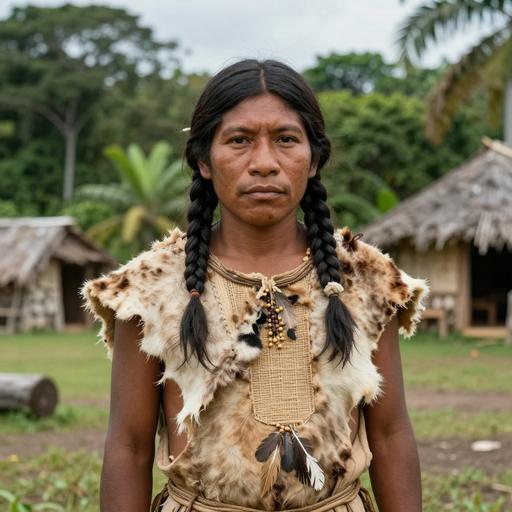
重建的肖像画 Archaic Maya individual, Belize
Archaic Maya individual, Belize
Belize Belize_SakiTzul_7400BP 5479-5419 calBCE (6455±30 BP, PSUAMS-3205) Maya Civilization M Q-M3 D1
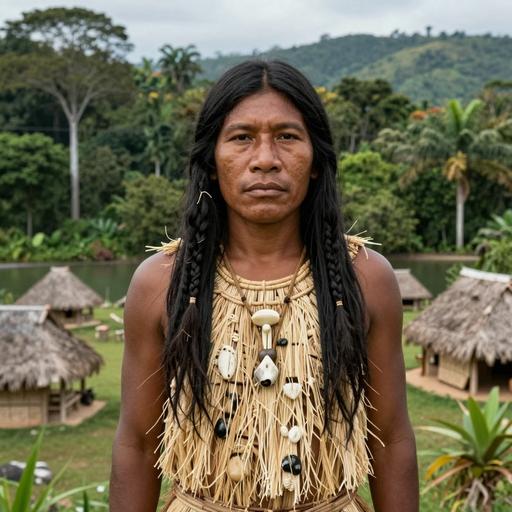
重建的肖像画 Archaic Maya individual, Belize
Archaic Maya individual, Belize
Belize Belize_SakiTzul_7400BP 5513-5372 calBCE (6485±30 BP, PSUAMS-3206) Maya Civilization M Q-M3 D1
AI 电源

AI 助手

就 Saki Tzul Ancients — Belize 7,400 BP 文化提问

AI 助手 由DNAGENICS公司制作

解锁此特性
Ask questions about the Saki Tzul Ancients — Belize 7,400 BP culture. Our AI assistant can explain genetic findings, historical context, archaeological evidence, and modern connections.
AI 样本分析

Saki Tzul Ancients — Belize 7,400 BP 文化是人类历史中值得了解的一章……

遗传分析揭示了与早期种群的联系,同时显示了独特的适应和文化创新的证据。 古代DNA样本提供了对迁徙模式、社会结构以及古代种群之间的生物关系的深刻见解。

这是人工智能分析的预览。 解锁全AI 助手, 以探索关于:

  • 遗传组成和祖先
  • 移徙模式和起源
  • 日常生活和文化习俗
  • 现代遗传遗产

探索更古老的文化

揭开古代世界文明的故事

使用优惠码 可减免 35% • 11月12日 到期