Shkrel Echoes: Middle Bronze Albania

下载的 PDF 是图像副本。如需可选中文本及更好的辅助技术支持,请使用打印功能。

跳转到主内容
文明焦点

Shkrel Echoes: Middle Bronze Albania

A solitary burial from Shkrel that voices a broader Middle Bronze Age landscape

1880 CE - 1695 BCE
Shkrel, Albania (Northern Albania)
1 Ancient Samples

剧情

Archaeological evidence from a single Middle Bronze Age burial at Shkrel, Albania (1880–1695 BCE) links local material culture to wider Balkan networks. Genetic data are extremely limited—one mtDNA H lineage—so conclusions about population dynamics remain provisional.

Time Period

1880–1695 BCE

Region

Shkrel, Albania (Northern Albania)

Common Y-DNA

Undetermined (no Y reported from this sample)

Common mtDNA

H (1 sample)

样本地点

互动地图暂不可用。请查看样本目录中的地点记录。

时间线

1800 BCE

Shkrel Middle Bronze Age burial

A burial at Shkrel dated within 1880–1695 BCE provides the only currently published genetic sample for Albania_MBA, anchoring archaeological and genetic discussion.

Origins & Emergence

The single analysed individual from Shkrel sits within the Middle Bronze Age horizon of northern Albania, dated to c. 1880–1695 BCE. Archaeological data indicates communities across the Albanian highlands engaged in regional exchange networks that bridged the Adriatic coast and inland Balkan valleys. Material traces—ceramics tempered with local clays and portable metalwork typologies seen elsewhere in the Balkans—suggest a population adapting long-standing local traditions to new social rhythms in the second millennium BCE.

Limited evidence suggests these groups were neither isolated nor monolithic: settlement patterns point to dispersed hamlets, seasonal upland use, and episodic aggregation at ritual or funerary locales. The Shkrel burial, although singular in the genetic dataset, anchors a moment when mobility and contacts were increasing across the northern Ionian corridor. Archaeological contexts—burial position, associated grave goods when preserved, and stratigraphy—help frame cultural continuity and change, even when the material record is fragmentary.

Because the genetic sample count is currently one, any model of origins must be cautious. The combined archaeological and genetic snapshot offers a cinematic glimpse into human lives shaped by landscape, exchange, and evolving identities rather than a definitive population portrait.

  • Shkrel burial dated c. 1880–1695 BCE anchors local Middle Bronze Age activity
  • Material culture indicates links across Balkan and Adriatic networks
  • Sparse dataset requires cautious, provisional interpretations

Daily Life & Society

Archaeological traces from Middle Bronze Age Albania portray daily life as a rhythm between upland pasturing, cereal cultivation in sheltered terraces, and participation in wider exchange networks. At sites comparable to Shkrel, faunal remains indicate mixed herding economies—sheep, goat, cattle—while pottery assemblages suggest domestic craft production tailored to local needs and regional tastes. Hearths, postholes, and storage pits hint at households organized around multifunctional spaces where food preparation, tool repair, and social interaction coalesced.

Public ritual and funerary practices provide the clearest glimpses of social structure: burial variability—from simple inhumations to more elaborate interments—can reflect age, status, gender roles, or kinship ties. In the cinematic landscape of Bronze Age northern Albania, paths and streams likely structured seasonal movements, while trade routes carried metal and prestige goods that reinforced social bonds. Archeobotanical data, where available, points to barley and wheat cultivation, supplemented by gathered wild plants.

Archaeological interpretations remain interpretive reconstructions built from fragmentary remains; the lone genetic sample from Shkrel cannot confirm household kinship patterns or community structure but complements material evidence by offering one biological voice from this lived world.

  • Mixed herding and small-scale agriculture supported local lifeways
  • Burial practices and portable goods illuminate social distinctions

Genetic Profile

Genetic data from the Shkrel individual are extremely limited: one sampled individual dated to 1880–1695 BCE with mitochondrial haplogroup H recorded (H, n=1). Haplogroup H is widespread in later European populations and is consistent with maternal lineages common across the continent during the Bronze Age, but a single occurrence cannot reveal population structure, migration events, or sex-biased processes.

No Y-chromosome haplogroup is reported for this individual, so paternal lineages in Middle Bronze Age Albania remain unresolved by this dataset. With only one sample, patterns such as steppe-related ancestry, local continuity from earlier Neolithic populations, or admixture pulses that shaped the wider Balkans cannot be robustly tested. Archaeological context helps constrain possibilities: material culture points to regional connectivity, which could be associated with gene flow, but genetic confirmation awaits more samples.

Researchers typically combine uniparental markers (mtDNA, Y-DNA) with genome-wide data to infer ancestry, population movement, and kinship. For Shkrel, the mitochondrial H signal is a starting point—a single thread in the larger tapestry. Future sampling from nearby Middle Bronze Age sites and additional genome-wide sequencing will be necessary to move from evocative suggestion to statistical inference. Until then, genetic conclusions must be presented as provisional and hypothesis-generating.

  • mtDNA H observed in the single reported Shkrel sample (n=1)
  • No Y-DNA reported; broader genetic patterns remain unresolved and preliminary

Legacy & Modern Connections

The Shkrel individual offers a poignant connection between present-day Albania and its deep past: maternal lineages like mtDNA H persist in modern European populations, but continuity is not guaranteed by a single match. Archaeological continuity—ceramic styles, settlement locales, and landscape use—suggests cultural threads that may ripple into later Iron Age and historical identities in the region.

Genetic links, when expanded by future sampling, could illuminate how local communities contributed to the genetic mosaic of the Balkans. For now, the Shkrel sample serves as a cautionary beacon: one data point can point to possibilities but cannot carry the weight of definitive narratives. The legacy of Middle Bronze Age Albania is best read as a composite of material culture, environmental adaptation, and nascent genetic signals awaiting fuller recovery.

  • mtDNA H connects the Shkrel individual to broad European maternal lineages
  • Robust modern connections require larger, geographically spread genetic sampling

样本目录

1 / 1 samples
纵向 样本 国家 大纪元 日期 文化 性别 Y-DNA mtDNA
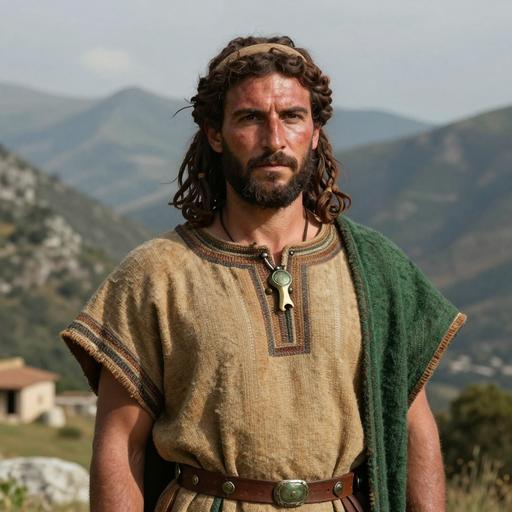
重建的肖像画 MBA individual, Albania
Albania Albania_MBA 1880-1695 calBCE (3465±20 BP, PSUAMS-7540) Balkan Bronze Age M J-Z597 H1h1

AI 助手

AI 助手 由DNAGENICS公司制作

解锁此特性
Ask questions about the Shkrel Echoes: Middle Bronze Albania culture. Our AI assistant can explain genetic findings, historical context, archaeological evidence, and modern connections.
AI 样本分析

Shkrel Echoes: Middle Bronze Albania 文化是人类历史中值得了解的一章……

遗传分析揭示了与早期种群的联系,同时显示了独特的适应和文化创新的证据。 古代DNA样本提供了对迁徙模式、社会结构以及古代种群之间的生物关系的深刻见解。

这是人工智能分析的预览。 解锁全AI 助手, 以探索关于:

  • 遗传组成和祖先
  • 移徙模式和起源
  • 日常生活和文化习俗
  • 现代遗传遗产
使用优惠码 可减免 25% • 11月13日 到期





