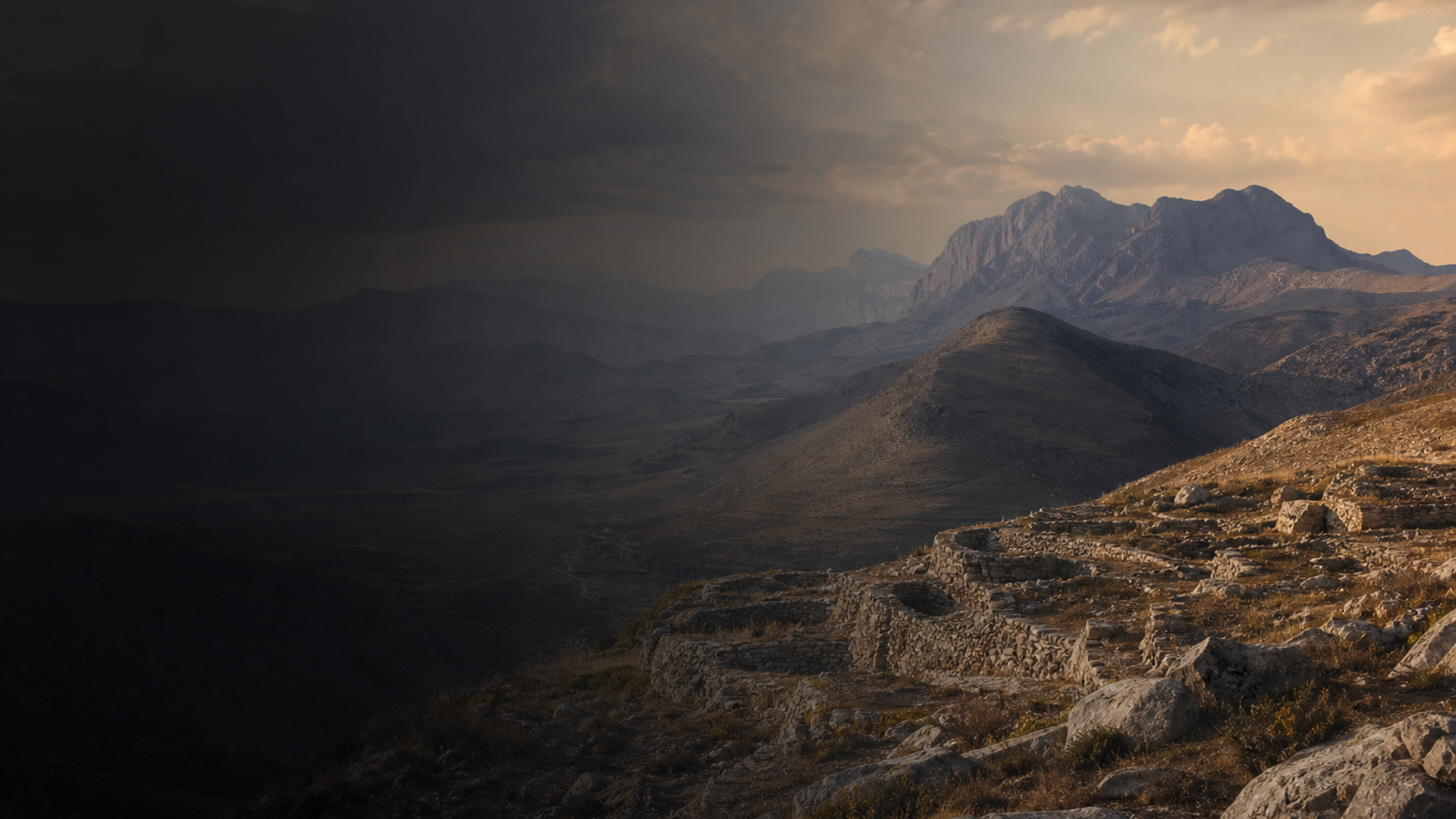
Archaeological traces from Middle Bronze Age Albania portray daily life as a rhythm between upland pasturing, cereal cultivation in sheltered terraces, and participation in wider exchange networks. At sites comparable to Shkrel, faunal remains indicate mixed herding economies—sheep, goat, cattle—while pottery assemblages suggest domestic craft production tailored to local needs and regional tastes. Hearths, postholes, and storage pits hint at households organized around multifunctional spaces where food preparation, tool repair, and social interaction coalesced.
Public ritual and funerary practices provide the clearest glimpses of social structure: burial variability—from simple inhumations to more elaborate interments—can reflect age, status, gender roles, or kinship ties. In the cinematic landscape of Bronze Age northern Albania, paths and streams likely structured seasonal movements, while trade routes carried metal and prestige goods that reinforced social bonds. Archeobotanical data, where available, points to barley and wheat cultivation, supplemented by gathered wild plants.
Archaeological interpretations remain interpretive reconstructions built from fragmentary remains; the lone genetic sample from Shkrel cannot confirm household kinship patterns or community structure but complements material evidence by offering one biological voice from this lived world.