Tunis Today: A Living Palimpsest

下载的 PDF 是图像副本。如需可选中文本及更好的辅助技术支持,请使用打印功能。

Tunis Today: A Living Palimpsest

揭开一个失落的文明

正在加载考古记录……

正在收集古代记录

跳转到主内容
Tunis Today: A Living Palimpsest
文明焦点

Tunis Today: A Living Palimpsest

Modern Tunisian populations at the crossroads of Mediterranean, Saharan and Levantine histories.

2000 CE
Tunisia
滚动开始
Chapter I

剧情

了解 Tunis Today: A Living Palimpsest 文化

Modern Tunisian samples (n=15) collected in Tunis and among migrants in Israel (2000 CE) reveal a living mix of North African, Mediterranean and Near Eastern ancestries. Archaeological context in Tunis connects these genetic signals to millennia of migration; results remain tentative.

Time Period

2000 CE (modern)

Region

Tunisia

Common Y-DNA

Not reported (dataset)

Common mtDNA

Not reported (dataset)

Chapter II

时间线

这种文化历史上的关键时刻

2000 CE

Modern sampling in Tunis & migrant registers

Fifteen modern samples were collected from residents in Tunis and from migrants recorded in Israel; dataset records contemporary genetic variation and recent mobility patterns.

Chapter III

Origins & Emergence

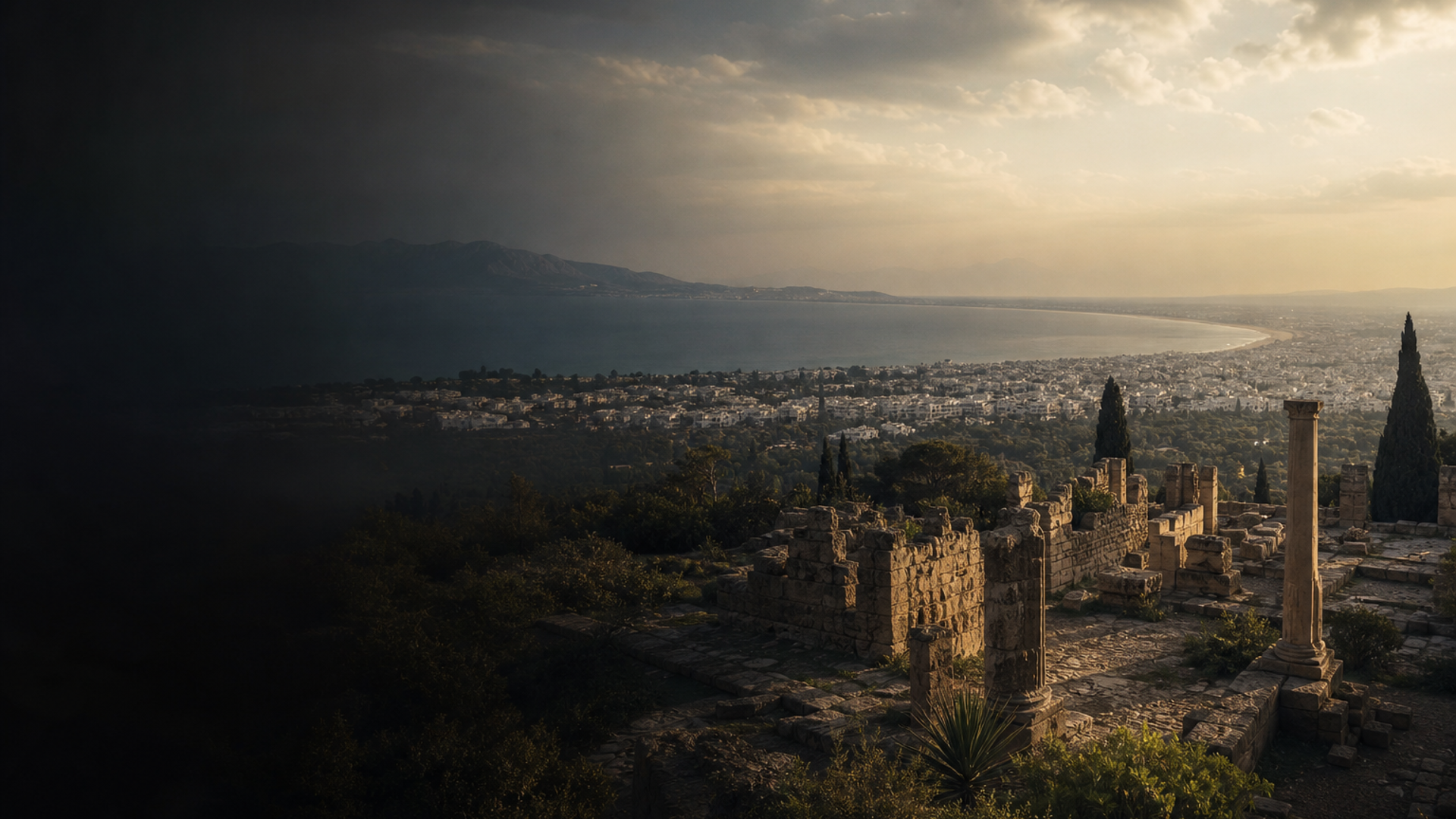
Tunis in 2000 CE stands as a modern urban center layered upon millennia of human activity. The archaeological landscape of the capital and its environs — from the ancient ruins at Carthage to the dense lanes of the medina of Tunis — records successive waves of settlement, trade and cultural change. Material culture, stratified city plans and continuity in coastal occupation indicate persistent human presence and repeated connections across the central Mediterranean.

For the genetic record presented here (15 samples collected in Tunis and among migrants recorded in Israel in 2000 CE), origins must be read cautiously. Archaeological data indicates long-standing contacts with the Maghreb interior, the Mediterranean islands, and the Levant; these contacts create expectations of mixed ancestry in modern Tunisians. Limited evidence in this small dataset can suggest patterns, but archaeological continuity does not equate to genetic uniformity: migrations, urban influx, and social mobility over centuries all reshape ancestry profiles.

In short, the origin story of modern Tunisian populations is one of layered arrivals and local continuity. The archaeological backdrop provides the physical narrative against which genetic snapshots — like this 2000 CE dataset — can be interpreted, but broad historical claims require larger, more geographically varied samples.

  • Tunis is archaeologically continuous with sites such as Carthage and the medina
  • Material culture shows millennia of Mediterranean and Saharan contact
  • Small genetic sample (n=15) offers preliminary insights, not final answers
Chapter IV

Daily Life & Society

Modern daily life in Tunis is shaped by a tapestry of traditions visible in urban architecture, crafts, cuisine and social networks. Archaeological studies of household assemblages in Tunisian towns document long-term practices — such as olive cultivation, pottery styles and urban market organization — that have analogues in contemporary neighborhoods. The medina’s alleys and souks echo a continuity of trade and artisanal production that archaeological layers make visible.

The 2000 CE genetic samples include both residents of Tunis and migrants recorded in Israel, underscoring the role of mobility in modern social life: labor migration, educational travel and diasporic ties are part of the everyday. Archaeological indicators of trade and exchange mirror contemporary patterns of movement, where families and individuals maintain cross-border ties. These social networks influence the distribution of cultural traits and genetic lineages alike.

While archaeology documents the material conditions and social organization that shape daily life, genetic data provides a complementary lens on the human movements underlying those patterns. Together they show how markets, migration and municipal life produce a city that is at once local and cosmopolitan.

  • Material culture continuity visible in craft and market studies
  • Mobility (local and international) shapes both culture and genetic diversity
Chapter V

Genetic Profile

The dataset considered here comprises 15 modern samples dated to 2000 CE, collected in Tunis and from migrants recorded in Israel. Crucially, the dataset does not report common Y-DNA or mtDNA haplogroups, which limits direct haplogroup-based inferences. Archaeological context and broader population genetics literature allow cautious, comparative interpretation: modern Tunisians often show a mosaic of North African (Maghrebi) ancestry, eastern Mediterranean / Near Eastern input, and variable sub-Saharan contributions resulting from historic trans-Saharan and recent movements.

Because haplogroup details are absent, focus shifts to autosomal patterns and historical expectation. Archaeological evidence of long-distance trade and repeated population contact provides a plausible framework for admixture signals: coastal Tunisia has been a genetic crossroads since the Phoenician and Roman eras, intensified by medieval and early modern movements. The small sample size (n=15) and the mix of residents and migrants mean that any observed genetic affinities are tentative and may disproportionately reflect recent mobility rather than long-term regional averages.

In short, genetics here interacts with archaeology to suggest a plural heritage in modern Tunis, but definitive statements require larger, geographically stratified samples and explicit haplogroup data.

  • Dataset: 15 modern samples from Tunis and migrants in Israel (2000 CE)
  • Haplogroup data not provided; autosomal admixture expected but conclusions tentative
Chapter VI

Legacy & Modern Connections

The legacy of Tunis is visible in both stone and genome. Archaeological layers—ruins, urban plans, and material culture—trace enduring links to the Mediterranean and Saharan worlds. Genetically, modern Tunisians are typically a living synthesis of local North African ancestry and multiple incoming streams; the present dataset gestures toward that complexity but is not yet decisive.

For people exploring ancestry through DNA, these samples highlight two lessons: first, material history helps explain why genetic signals are mixed; second, small modern datasets may reflect recent migration as much as deep prehistory. Future integration of larger sample sets, explicit Y and mtDNA reporting, and continued archaeological study in Tunis and surrounding sites will refine how we read the city’s genetic palimpsest.

  • Cultural and genetic diversity stems from centuries of Mediterranean and Saharan exchange
  • Small, modern sample sets can illuminate recent mobility but require larger datasets for deep-time claims
AI 电源

AI 助手

就 Tunis Today: A Living Palimpsest 文化提问

AI 助手 由DNAGENICS公司制作

解锁此特性
Ask questions about the Tunis Today: A Living Palimpsest culture. Our AI assistant can explain genetic findings, historical context, archaeological evidence, and modern connections.
AI 样本分析

Tunis Today: A Living Palimpsest 文化是人类历史中值得了解的一章……

遗传分析揭示了与早期种群的联系,同时显示了独特的适应和文化创新的证据。 古代DNA样本提供了对迁徙模式、社会结构以及古代种群之间的生物关系的深刻见解。

这是人工智能分析的预览。 解锁全AI 助手, 以探索关于:

  • 遗传组成和祖先
  • 移徙模式和起源
  • 日常生活和文化习俗
  • 现代遗传遗产

探索更古老的文化

揭开古代世界文明的故事

使用优惠码 可减免 35% • 11月12日 到期




