The Kakapel Late Iron Age period in Kenya is a fascinating segment of the Bantu cultural and historical landscape of East Africa. This period is marked by the evolution of societal structures, technological advancements, and agricultural practices, reflecting broader changes occurring across the Bantu-speaking regions during the Iron Age.
Location and Archaeological Context
Kakapel is an important archaeological site located in Western Kenya, within Busia County. The site sits on the northern slopes of the Nyanza Plateau near the Uganda border. It is part of the wider context of the Lake Victoria Basin, which has been a cradle of human activity for millennia due to its rich natural resources and diverse ecosystems.
Temporal Framework
The Late Iron Age in this region is generally dated from around the 10th century AD to the onset of the colonial period in the late 19th century. This era followed the Early Iron Age, characterized by the expansion and consolidation of Bantu-speaking communities across sub-Saharan Africa.
Cultural and Technological Characteristics
1. Iron Metallurgy: The Late Iron Age in Kakapel, like in other Bantu areas, is distinguished by more sophisticated ironworking technology. The people in this region were skilled in smelting and forging iron, producing tools and weapons essential for both agricultural productivity and warfare.
2. Agriculture and Economy: Agriculture was central to Kakapel's Late Iron Age culture. Communities grew staple crops such as millet, sorghum, and eventually maize, which was introduced following contact with Arab and later European traders. The farming systems were well-developed, including crop rotation and intercropping techniques, which enhanced food security.
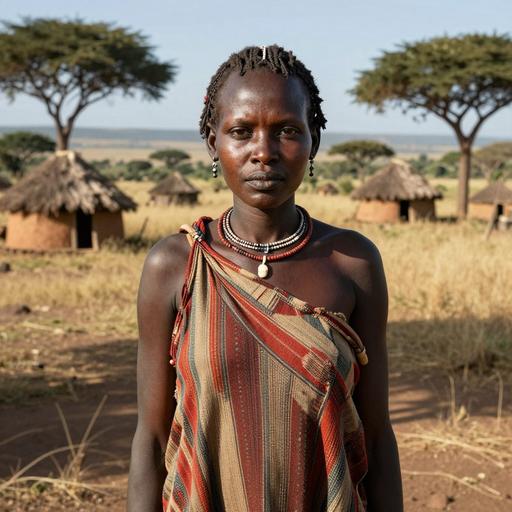
3. Settlement Patterns: Settlements from the Late Iron Age are characterized by permanent villages with evidence of advanced architectural techniques, including wattle-and-daub construction. The sites often feature circular huts, suggesting a form of communal or familial living arrangement.
4. Social Structure: The social organization was likely hierarchical, with a discernible leadership structure encompassing chieftaincy or kingship. The power dynamics would have been influenced by control over valuable resources, such as iron and agricultural surplus.
Trade and External Interactions
The Kakapel Late Iron Age culture was not insular; there is abundant evidence of trade and interaction with neighboring regions. The Lake Victoria Basin facilitated trade routes connecting to coastal cities and beyond. This exchange network enabled the movement of goods such as ivory, pottery, textiles, and later, beads, playing a crucial role in the material culture of the time.
Spiritual and Artistic Expression
1. Rock Art: The Kakapel region is noted for its rich tradition of rock art. This art includes images related to domestic life, hunting scenes, and spiritual or ritualistic elements. These artworks provide a window into the symbolic world of the Late Iron Age people.
2. Ceremonial Practices: Spiritual life during the Late Iron Age revolved around ancestor veneration, rainmaking, and fertility rituals. These practices were crucial for social cohesion as well as agricultural success.
3. Pottery and Material Culture: Pottery from this era exhibits intricate designs and forms. Ceramics played a functional role in daily life and were also indicative of artistic expression and identity. Patterns and shapes could convey information about social relationships and cultural affiliations.
Decline and Transformation
The decline of the traditional structures of the Late Iron Age in Kakapel was instigated by external influences, including increased interaction with Arab traders and, later, European colonial forces. These interactions introduced new goods, ideas, and diseases, which accelerated changes in the socio-political fabric of the society.
Overall, the Kakapel Late Iron Age culture in Kenya represents a vibrant and complex society that thrived in its unique environmental and geographical setting. The period is significant for understanding the broader trajectory of Bantu migrations and cultural transformations across sub-Saharan Africa, revealing a story of adaptation, innovation, and resilience.