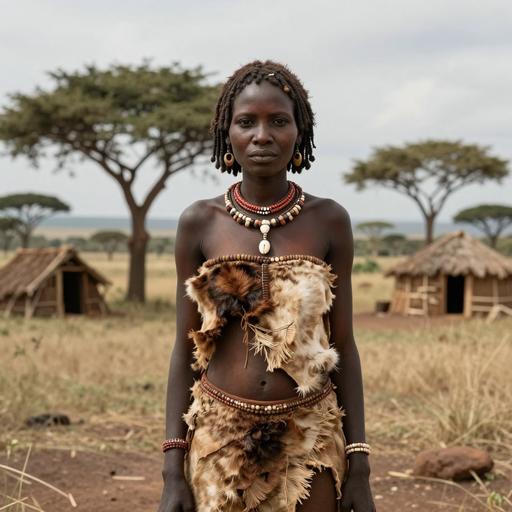
The Lukenya Hill region in Kenya is an important archaeological site that offers significant insight into the Pastoral Neolithic period, which spans roughly from 3000 to 1000 BCE. This era represents a transitional phase in East African prehistory, where there was a notable shift from hunting and gathering to pastoralism as the predominant lifestyle. It is characterized by the introduction and spread of domesticated livestock, including cattle, sheep, and goats, across the savannas and highlands of East Africa.
Geographic and Environmental Context
Lukenya Hill is situated in the southeastern part of Kenya, approximately 40 kilometers southeast of Nairobi. It forms part of the Athi-Kapiti Plains, a landscape marked by open grasslands conducive to pastoral lifestyles. These plains provide a valuable context for understanding the environmental adaptations made by the Pastoral Neolithic communities, as they engaged with the challenges and opportunities presented by the diverse ecology.
Cultural Aspects and Subsistence
The Lukenya Hill Pastoral Neolithic culture is primarily noted for its reliance on pastoralism. This shift is evident in the archaeological record through the remains of domesticated animal bones, primarily cattle, which confirm the dietary and economic importance of livestock. The presence of livestock suggests a semi-nomadic lifestyle, with communities moving seasonally to optimize grazing opportunities and water resources for their herds.
Material Culture and Artifacts
Material culture from this era includes a range of artifacts that highlight the technological advancements and cultural practices of these communities. Key among these are pottery shards often decorated with distinctive patterns. These ceramics were likely used for storage and cooking, indicating a settled lifestyle despite their pastoral focus. The types of pottery found can help archaeologists determine the age and connections between different sites within the region.
Lithic technology from the Lukenya Hill sites showcases a range of stone tools adapted for various functions. These included tools for hunting, herding, and processing both animal and plant materials. The presence of grinding stones suggests the continued use of wild plant resources alongside domesticated livestock.
Social Organization and Settlement Patterns
The Lukenya Hill community likely exemplified a complex social organization suited to pastoral lifestyles. Social structures may have been organized around extended family units or clans, with kinship playing a crucial role in the management and sharing of resources. Settlement patterns at Lukenya Hill indicate semi-permanent villages that could be relocated based on environmental constraints and the needs of their livestock.
Burial Practices and Spiritual Beliefs
Burial sites at Lukenya Hill offer a window into the spiritual beliefs and practices of the Pastoral Neolithic peoples. Burials often involved the placement of individuals in specific orientations, sometimes accompanied by grave goods such as beads or pottery. These practices suggest a belief system that may have emphasized the afterlife and the continued role of ancestors within their cultural framework.
Interactions and Trade
The Lukenya Hill site also provides evidence of interactions between different cultural groups in East Africa. Trade networks are suggested by the presence of non-local materials, such as obsidian, which would have been traded over considerable distances. Such interactions might reflect a combination of friendly exchange and competitive dynamics as groups navigated their social landscapes.
Conclusions
The Lukenya Hill Pastoral Neolithic represents a dynamic period in East African history, characterized by the adaptation to a pastoral lifestyle, complex social structures, and interactions with diverse cultural groups. The archaeological evidence from this region is crucial for understanding the broader processes of cultural and economic change in prehistoric Africa, shedding light on the ways in which early societies adapted to environmental and social challenges. As research continues, Lukenya Hill will undoubtedly yield even further insights into the Pastoral Neolithic era and its lasting impacts on the cultural landscape of East Africa.