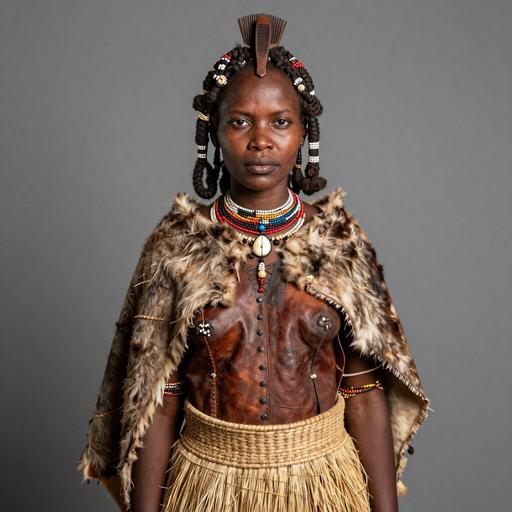
The Nqoma Early Iron Age period in Botswana represents a significant era in the history of the Bantu-speaking peoples in southern Africa. This period, which generally dates from approximately the early centuries AD, marks a transformative time characterized by various socio-cultural, technological, and economic developments.
Geographic Context
Botswana, located in Southern Africa, features varied landscapes, including Kalahari Desert expanses, savannah, and river valleys. The Nqoma culture primarily inhabited areas that were more hospitable, with access to water sources, such as the Okavango Delta and the seasonal rivers and pans. The environment provided a mix of resources that were essential for the sustenance of early communities, influencing settlement patterns and subsistence activities.
Bantu Migration and Settlement
The Nqoma Early Iron Age is part of the larger Bantu expansion, a major series of migrations where Bantu-speaking groups spread from their original homeland near the Cameroon-Nigeria border across much of Sub-Saharan Africa. As they migrated, they brought with them agricultural techniques, new technologies, and social structures, which they adapted to local conditions. In Botswana, these groups encountered hunter-gatherer communities, such as the San, leading to interactions that influenced the cultural and genetic makeup of the region.
Social and Political Organization
The Bantu-speaking communities during the Nqoma Early Iron Age were typically organized into small, kin-based groupings. Social organization was likely centered around extended family units and clan structures. Leadership roles were often informal and based on personal attributes such as wisdom, bravery, and generosity rather than centralized authority. However, as these communities expanded and intergroup relationships became more complex, rudimentary forms of chieftainship began to emerge.
Economic Activities and Technological Innovation
A hallmark of the Early Iron Age was the introduction of iron metallurgy, which had a profound impact on economic activities. The Nqoma culture engaged in iron smelting and blacksmithing, producing tools and weapons that improved agricultural productivity and hunting efficiency. This technological advancement allowed for a more stable food supply and facilitated the clearing of land for agriculture.
Agriculture became an increasingly important component of subsistence, with communities cultivating crops such as sorghum, millet, and possibly legumes. Animal husbandry was also practiced, and cattle likely played a significant role not just as a food source, but also as a status symbol and trade commodity.
Cultural Practices and Artifacts
The material culture of the Nqoma period includes a variety of pottery styles characterized by unique decorative motifs and manufacturing techniques. Pottery is often used by archaeologists to differentiate between cultural phases and to trace the movements of people.
The presence of ritual and religious practices in this era can be inferred from burial customs and the remnants of ceremonial artifacts. These practices were likely intertwined with the cycles of agriculture and the natural environment, reflecting a worldview that emphasized harmony with nature and the spiritual world.
Interaction with Neighboring Cultures
The Nqoma Early Iron Age communities likely interacted extensively with neighboring groups, including both other Bantu-speaking peoples and indigenous hunter-gatherer populations. These interactions could take the form of trade, cultural exchange, or sometimes conflict. The exchange of goods, ideas, and technologies contributed to the cultural dynamism of the region.
Conclusion
In summary, the Nqoma Early Iron Age in Botswana was a formative period that laid the foundations for later societal developments in southern Africa. It was characterized by the spread and establishment of Bantu-speaking peoples, significant technological advances, evolving social and political structures, and rich cultural exchanges. This period represents an era of adaptation and transformation, where new ways of life emerged in response to both environmental challenges and opportunities.