Saltar al contenido principal
mtDNA · Materno linaje

C1D

mtDNA Haplogroup C1D

Un perfil de referencia de una rama de linaje. Compartir haplogrupos no demuestra una relación familiar ni una identidad cultural.

Perfil de referencia

Contexto de la rama

Contexto histórico de la rama de linaje mtDNA C1D

Origins and Evolution

mtDNA haplogroup C1d is a branch of haplogroup C1, itself a subclade of macro-haplogroup C. Based on phylogenetic placement and coalescent estimates, C1d likely diverged from other C1 lineages in Beringia or adjacent northeastern Asian/Siberian populations during the Late Pleistocene (~16 kya), around the time of the peopling of the Americas. Its time depth and phylogeographic pattern are consistent with C1d representing either a Beringian-derived lineage that entered the Americas with other founder mtDNA types or a lineage that differentiated shortly after initial entry into North America.

Genetic diversity within C1d is lower than in some continental Asian lineages, which is typical for maternal founder lineages that underwent a bottleneck and subsequent expansion during migration into the Americas. Ancient DNA studies have recovered C1-derived lineages in early Holocene and late Pleistocene contexts, supporting an early presence of C1 branches in the first populations of the Americas.

Subclades (if applicable)

Several internal branches within the C1d clade have been described in the literature; notable named subclades (for example, lineages broadly reported as C1d1 and related variants) show geographic structure within the Americas. These subclades often display localized distributions reflecting post‑peopling regional expansions and demographic processes (drift, founder effects, and local differentiation). The precise branching order and nomenclature continue to be refined as more complete mitochondrial genomes from modern and ancient samples are sequenced.

Geographical Distribution

C1d is observed primarily across the Indigenous populations of the Americas, with particularly notable frequencies in parts of South America and variable but consistent presence in North American groups. Outside the Americas, rare occurrences of C1d or closely related C1 lineages have been reported among some Siberian and Arctic groups (e.g., Tungusic‑ and Paleo‑Siberian–speaking peoples), consistent with a northeastern Asian/Beringian origin and limited backflow or shared ancestry. Instances in East or Central Asia are uncommon and usually low frequency; occasional detections in northern Eurasia typically reflect either ancient shared ancestry or recent admixture events.

Historical and Cultural Significance

As a component of the maternal founder pool of the Americas, C1d contributes to reconstructions of migration routes, timing, and demographic events associated with the initial peopling and subsequent regional diversification of Indigenous American populations. The clade's presence in archaeological contexts supports its antiquity in the New World, and its geographic substructure helps trace post‑glacial expansions (for example, coastal and inland dispersals) and later localized population histories in regions such as the Andes, Amazonia, and the North American subarctic.

C1d's rarity outside the Americas also provides a useful contrast to C1 sublineages that remained in Siberia and East Asia, helping to delineate which lineages were carried into the New World versus those that persisted in Eurasia.

Conclusion
mtDNA haplogroup C1d is a Late Pleistocene/Beringian‑age maternal lineage closely associated with the first peoples of the Americas. Its pattern — high representation among Indigenous American groups, reduced diversity consistent with founder effects, and sporadic presence in Siberia/Arctic regions — fits the model of a lineage that either entered the Americas during the initial migration(s) across Beringia or differentiated very shortly afterward. Continued sampling of full mitochondrial genomes from modern and ancient individuals will further refine the internal structure, age estimates, and historical pathways of C1d.

Puntos clave

  • Origins and Evolution
  • Subclades (if applicable)
  • Geographical Distribution
  • Historical and Cultural Significance
  • Conclusion
Perfil de referencia

Árbol y relaciones

Contexto filogenético y subclados

Trayectoria evolutiva

Sigue las ramas superiores registradas hasta C1D. Las fechas son estimaciones y pueden cambiar al revisarse los datos de referencia.

Pasos Haplogrupo Antigüedad estimada Época arqueológica Tiempo transcurrido Subclados inmediatos Portadores modernos analizados Referencias antiguas
1 C1D Actual ~16,000 years ago Mesolithic 16,000 years 1 108 36
2 C1 ~18,000 years ago Mesolithic 18,000 years 6 606 5
3 C ~35,000 years ago Paleolithic 35,000 years 5 806 75
4 CZ ~40,000 years ago Paleolithic 40,000 years 2 856 4
5 M8 ~42,000 years ago Paleolithic 42,000 years 2 873 5
6 M ~60,000 years ago Paleolithic 60,000 years 42 2,671 41
7 L3 ~70,000 years ago Paleolithic 70,000 years 7 30,162 6
8 L3'4 - - - 2 30,212 0
9 L3'4'6 - - - 2 30,216 0
10 L2'3'4'6 - - - 2 31,333 0
11 L2'3'4'5'6'7 - - - 2 31,349 0
12 L1'2'3'4'5'6'7 - - - 2 31,852 0
13 L ~160,000 years ago Paleolithic 160,000 years 2 32,236 5

Ramas hermanas (5)

Otras ramas del mismo haplogrupo superior

Perfil de referencia

En el mundo

Distribución geográfica y presencia moderna

Origen registrado

Northeast Asia / Beringia

Distribución moderna

The populations where mtDNA haplogroup C1D is found include:

  1. Indigenous peoples of the Americas (widely across North and South America, with regional variation)
  2. Arctic and sub‑Arctic populations (e.g., some Inuit and Yupik groups in the North American Arctic)
  3. Siberian ethnic groups (rare occurrences among Tungusic and Paleo‑Siberian speaking groups)
  4. Selected East Asian populations (very low frequency detections in northeastern Asia)
  5. Occasional presence in ancient or admixed contexts in northern Eurasia (archaeological samples and historically admixed individuals)
Contexto histórico

Una rama a través del tiempo

Formación estimada en una cronología histórica amplia. Los marcadores temporales aportan contexto y no implican relación con culturas concretas.

  1. ~20k años de antigüedad

    Último máximo glacial

    Máxima extensión de la última glaciación y aislamiento de poblaciones

  2. ~16k años de antigüedad

    Haplogrupo C1D

    Formación estimada de esta rama de mtDNA; las fechas y ubicaciones son estimaciones de referencia.

    Esta rama
  3. ~10k años de antigüedad

    Revolución neolítica

    Inicio de la agricultura y formación de comunidades sedentarias

  4. ~5k años de antigüedad

    Edad del Bronce

    Metalurgia, escritura y primeras civilizaciones

  5. ~3k años de antigüedad

    Edad del Hierro

    Herramientas de hierro y ampliación de redes comerciales

  6. ~2.5k años de antigüedad

    Antigüedad clásica

    Desarrollo de las civilizaciones griega y romana

  7. Actualidad

    Actualidad

    Época moderna

Perfil de referencia

Contexto arqueológico

Asociaciones arqueológicas registradas para la rama mtDNA C1D

Asociaciones registradas

Estas etiquetas describen contextos arqueológicos registrados para las muestras de referencia enlazadas a C1D. Una asociación no demuestra que todos los portadores pertenecieran a una cultura ni siguieran una ruta migratoria concreta.

Argentina_Cordoba_3900BP Argentina_SantiagodelEstero_400BP Atajadizo Ceramic Canimar Abajo Cueva Esqueletos Karelian Culture Lagoa Santa Culture Lapa do Santo Lucayan Potapovka Culture Russia_Novosibirsk_N Russia_Tyumen_N
Las atribuciones culturales se basan en el contexto arqueológico de las muestras de ADN antiguo y pueden representar asociaciones regionales de periodos concretos.
Perfil de referencia

Catálogo de muestras

1 portador directo y 35 portadores de subclados del haplogrupo C1D

10 mostradas · 36 muestras coincidentes

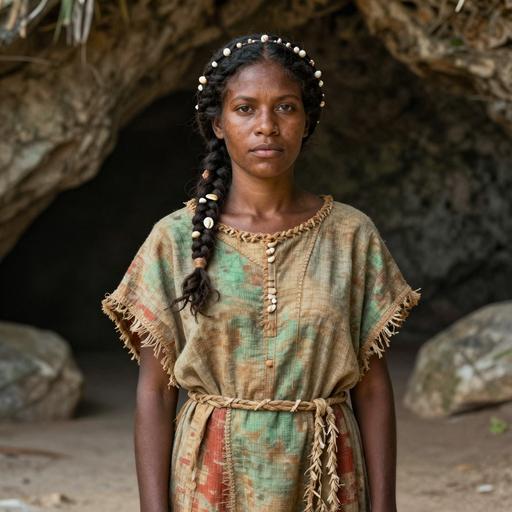
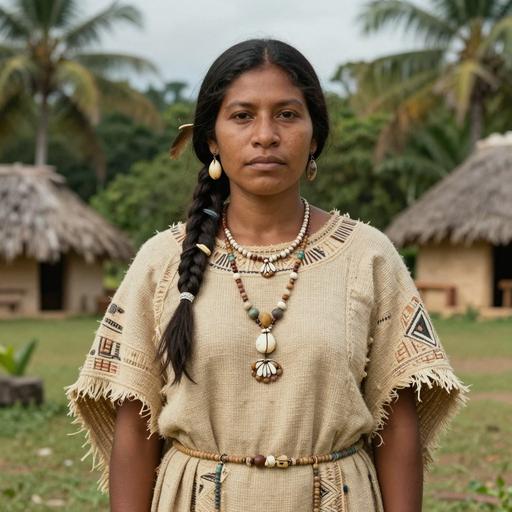
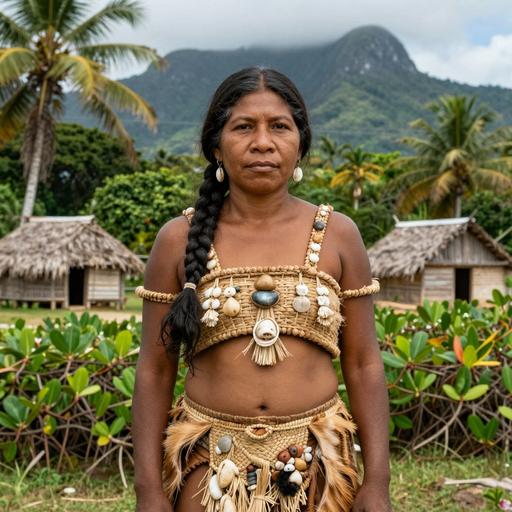
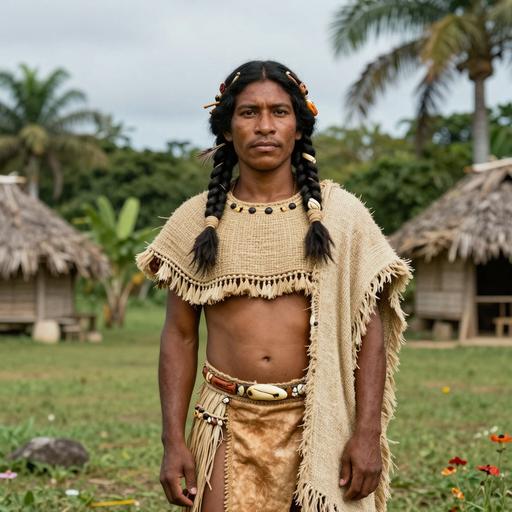
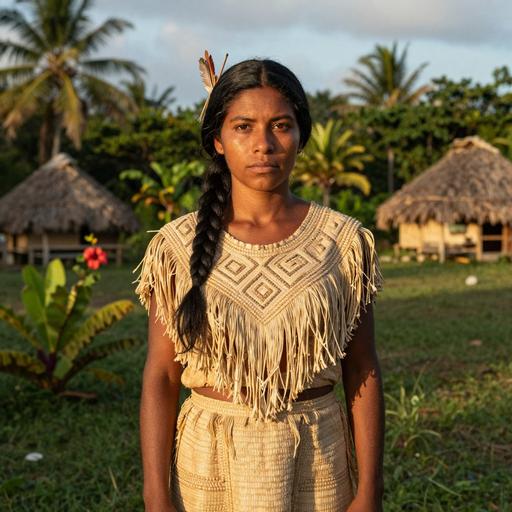
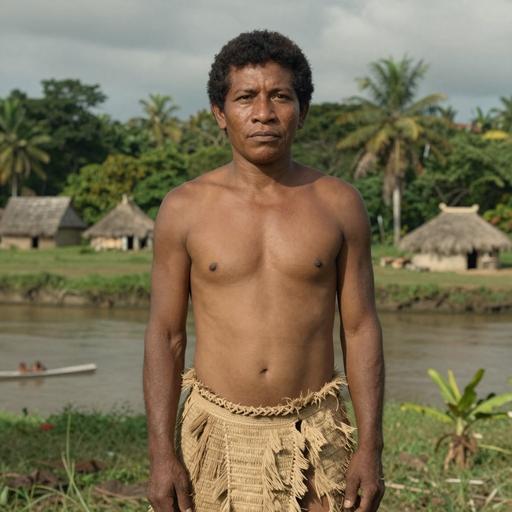
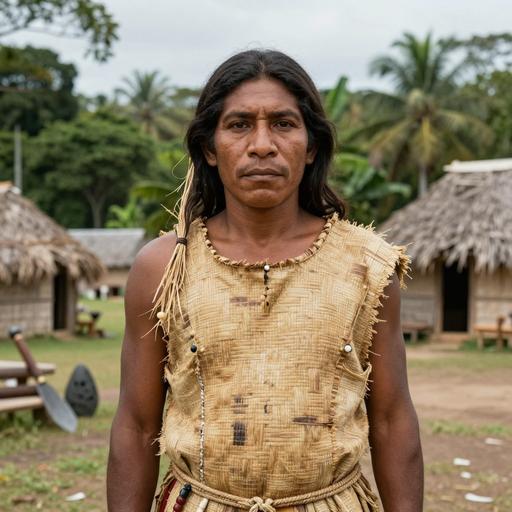
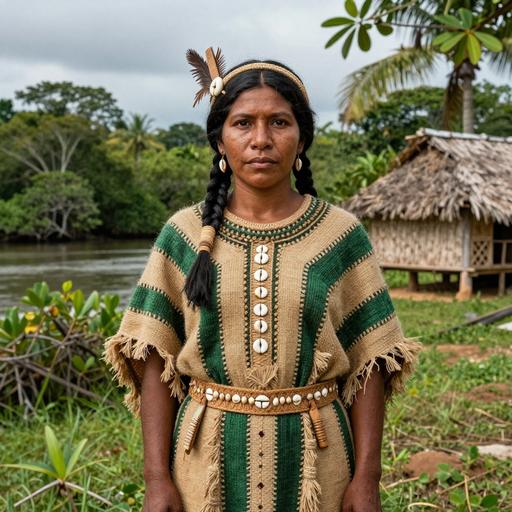
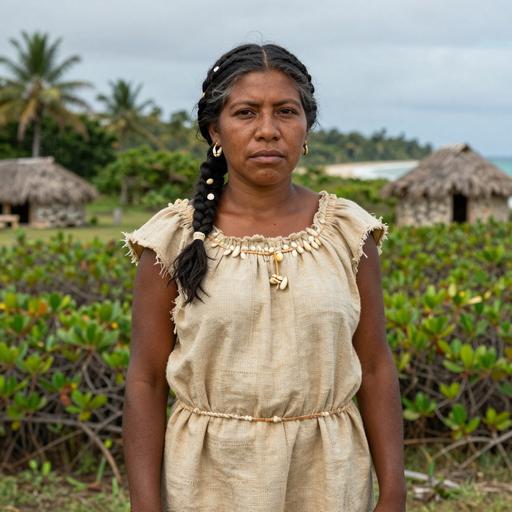
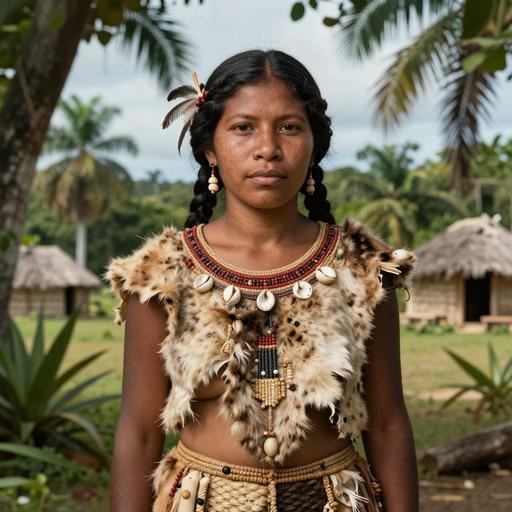
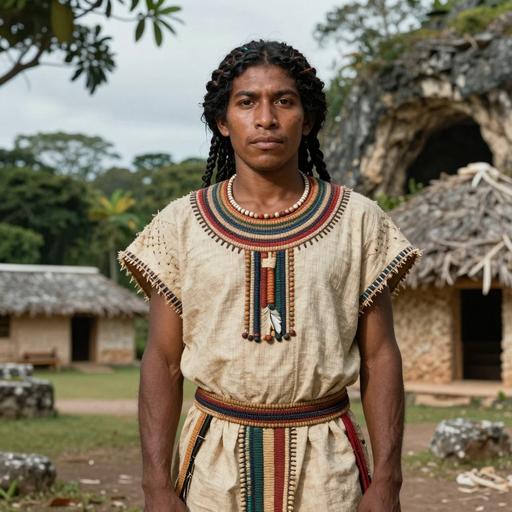
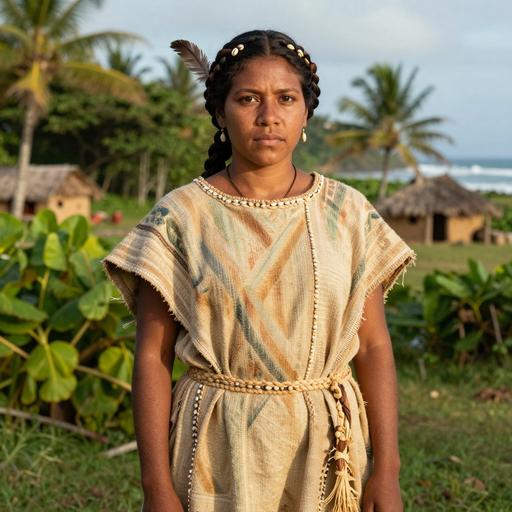
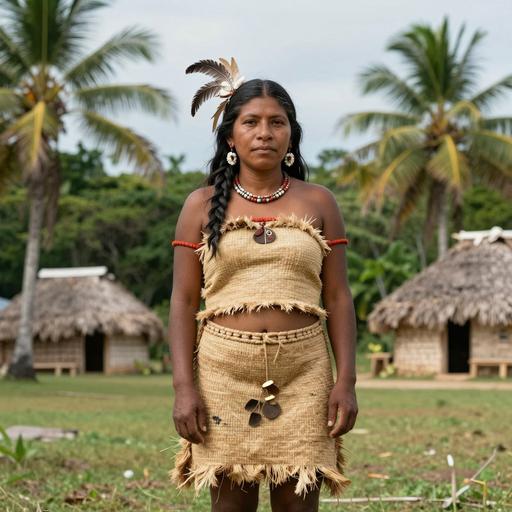
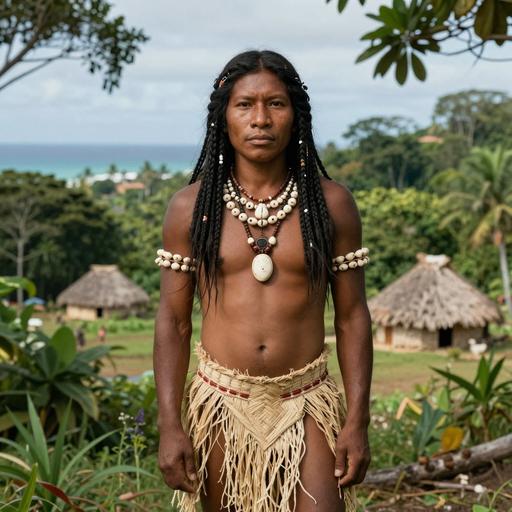
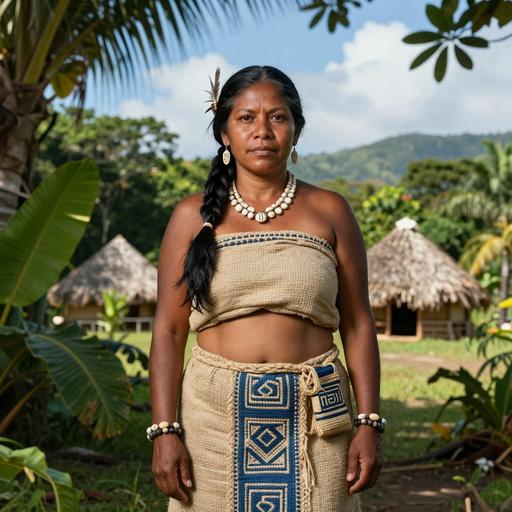
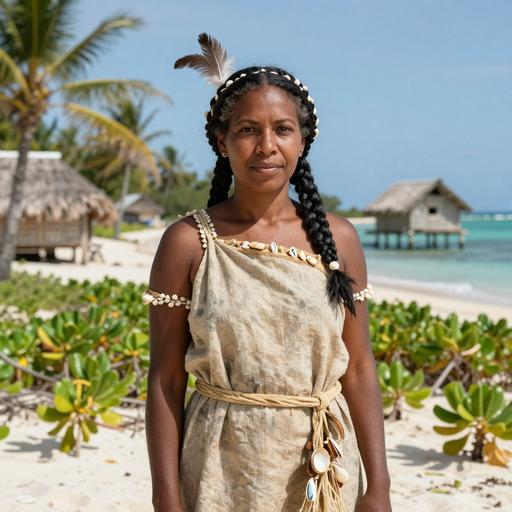
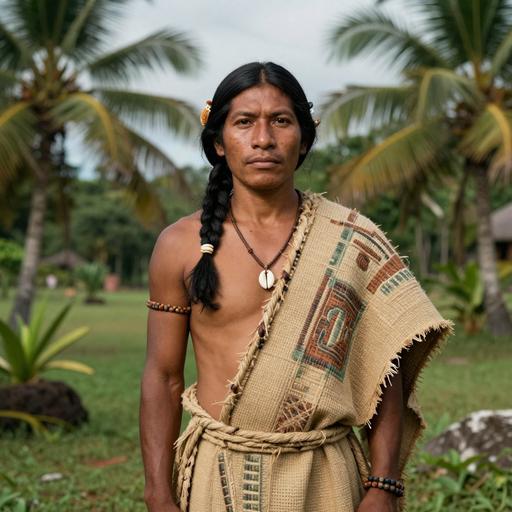
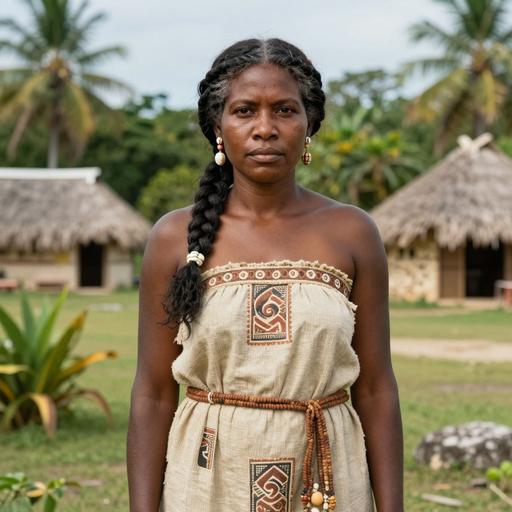
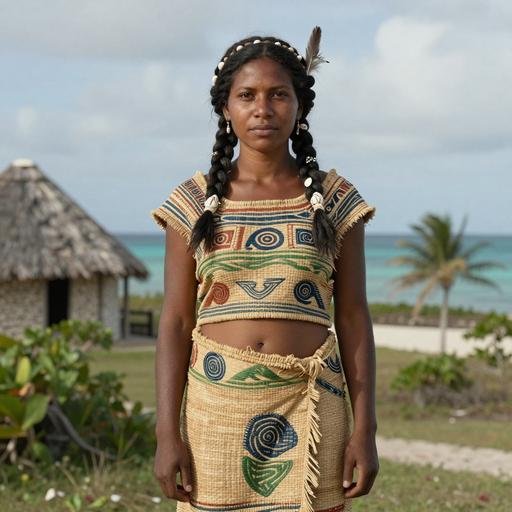
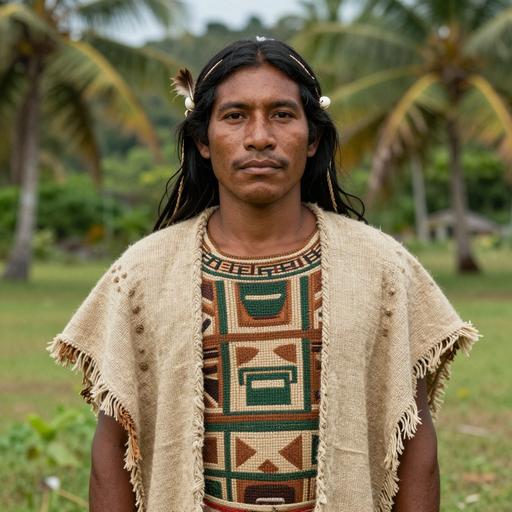
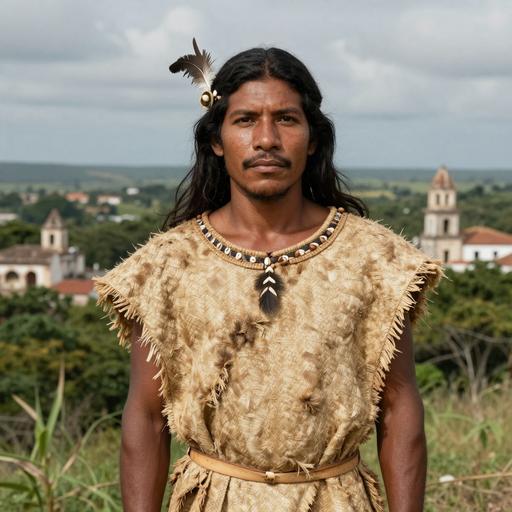
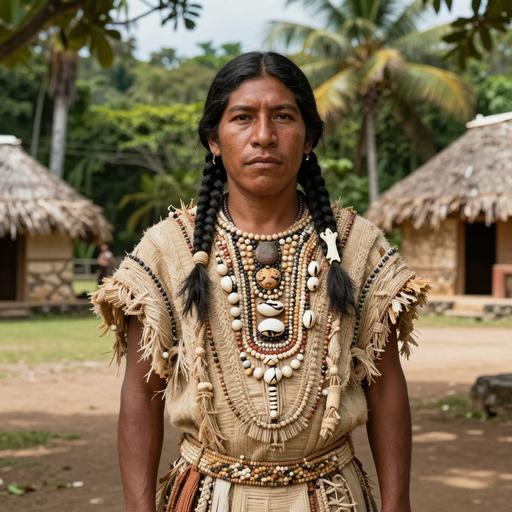
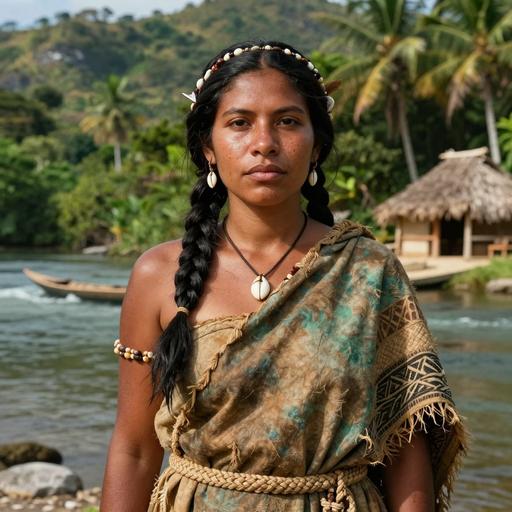
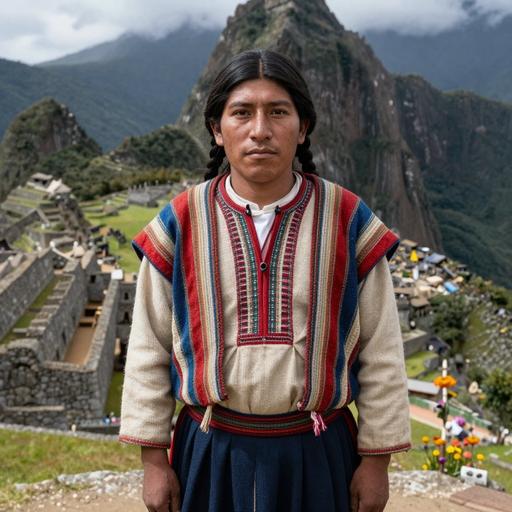
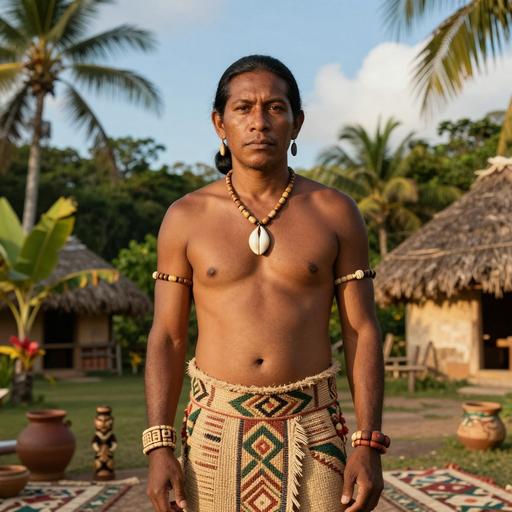
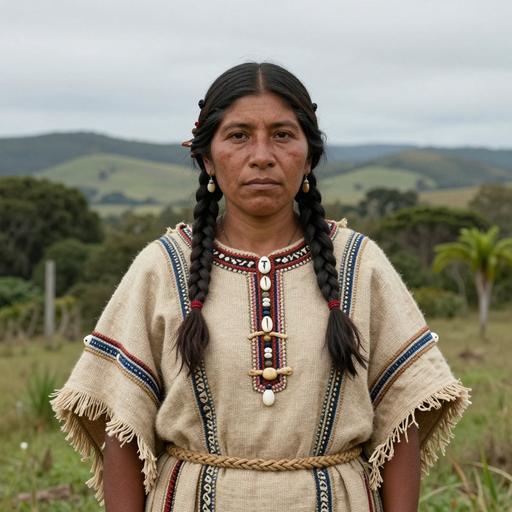
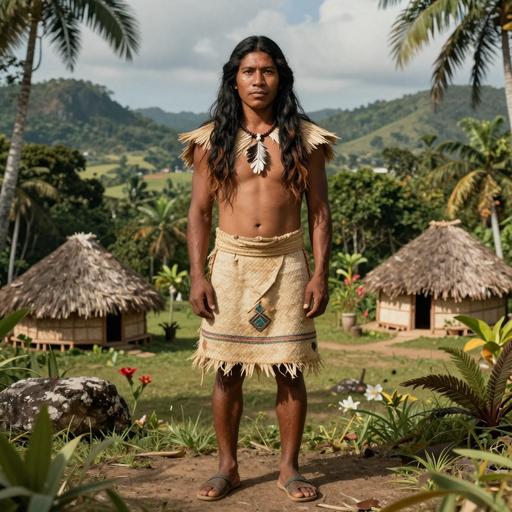
Los retratos son ilustraciones generadas con IA. Las etiquetas de muestra y los identificadores de acceso identifican los registros de referencia.

Retrato Muestra País Época Fecha Cultura mtDNA Coincidencia
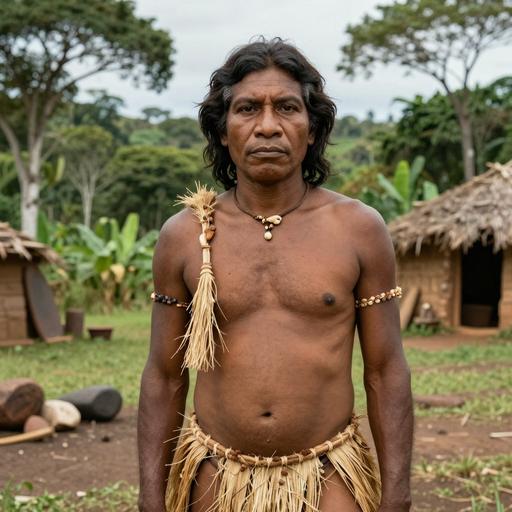
Retrato ilustrativo de Eleuthera Ceramic individual, Eleuthera. Bahamian Island. Preacher's Cave, Bahamas (950-1,200 CE) generado con IA
Identificador de muestra: PCV001
Bahamas Ceramic Period Eleuthera Island, Bahamas 950-1200 CE Lucayan C1d Direct
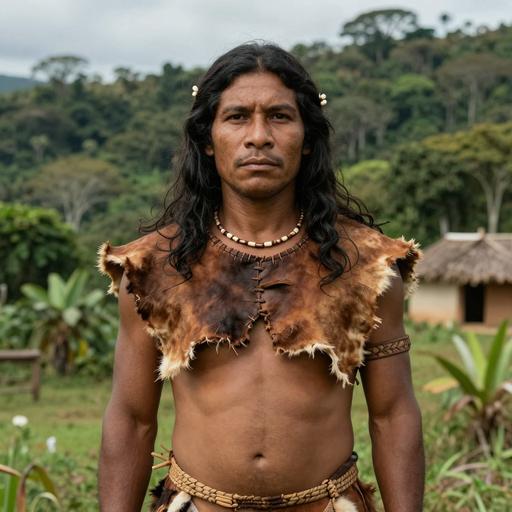
Retrato ilustrativo de Dominican Republic Pre Ceramic individual, Cueva Roja, Dominican Republic (8-123 CE) generado con IA
Identificador de muestra: I7977
Dominican Republic Archaic Period Cueva Roja, Dominican Republic 8-123 calCE (1960±20 BP, PSUAMS-7385) Cueva Roja C1d1 Subclado
Retrato ilustrativo de Pre Ceramic individual, Granma province. Rio Cauto Basin. Playa del Mango, Cuba (19-231 CE) generado con IA
Identificador de muestra: PDM001
Cuba Archaic Period Playa del Mango, Cuba 19-231 calCE (1913±43 BP, UOC-4085) Playa del Mango C1d1 Subclado
Retrato ilustrativo de Pre Ceramic individual, Granma province. Rio Cauto Basin. Playa del Mango, Cuba (31-210 CE) generado con IA
Identificador de muestra: PDM004
Cuba Archaic Period Playa del Mango, Cuba 31-210 calCE (1915±23 BP, MAMS-36505) Playa del Mango C1d1 Subclado
Retrato ilustrativo de Pre Ceramic individual, Granma province. Rio Cauto Basin. Playa del Mango, Cuba (150 BCE-250 CE) generado con IA
Identificador de muestra: PDM002
Cuba Archaic Period Playa del Mango, Cuba 150 BCE - 250 CE Playa del Mango C1d1 Subclado
Retrato ilustrativo de Pre Ceramic individual, Granma province. Rio Cauto Basin. Playa del Mango, Cuba (150 BCE-250 CE) generado con IA
Identificador de muestra: PDM009
Cuba Archaic Period Playa del Mango, Cuba 150 BCE - 250 CE Playa del Mango C1d1 Subclado
Retrato ilustrativo de Pre Ceramic individual, Granma province. Rio Cauto Basin. Playa del Mango, Cuba (151 BCE-117 CE) generado con IA
Identificador de muestra: PDM003
Cuba Archaic Period Playa del Mango, Cuba 151 calBCE - 117 calCE (2021±43 BP, UOC-4086) Playa del Mango C1d1 Subclado
Retrato ilustrativo de Pre Ceramic individual, Granma province. Rio Cauto Basin. Playa del Mango, Cuba (151 BCE-25 CE) generado con IA
Identificador de muestra: PDM006
Cuba Archaic Period Playa del Mango, Cuba 151 calBCE - 25 calCE (2047±24 BP, UOC-6849) Playa del Mango C1d1 Subclado
Retrato ilustrativo de Pre Ceramic individual, Matanzas. Las Carolinas II, Cuba (261-430 CE) generado con IA
Identificador de muestra: CAA002
Cuba Archaic Period Las Carolinas, Cuba 261-430 calCE (1667±21 BP, MAMS-36504) Las Carolinas C1d1 Subclado
Retrato ilustrativo de Pre Ceramic individual, Artemisa province. Cueva del Perico I, Cuba (434-557 CE) generado con IA
Identificador de muestra: CIP001
Cuba Archaic Period Cueva Perico, Cuba 434-557 calCE (MAMS-39629) Cueva Perico C1d1 Subclado
MATERNAL LINAJE · ADN ANTIGUO

Mapa de pruebas de linajes antiguos

Sigue los clados superiores hasta esta rama y explora dónde se encontraron portadores antiguos.

Cargando observaciones antiguas...

Los marcadores son ubicaciones de hallazgos arqueológicos. Una línea discontinua representa una transición geográfica propuesta e incierta entre ramas consecutivas, apoyada en varias observaciones fechadas; no es una ruta de viaje exacta, un lugar de nacimiento ni una prueba de descendencia directa. Las muestras del clado parental pueden pertenecer a otras ramas descendientes. Se mantienen huecos cuando las pruebas son insuficientes. Las fechas de las muestras son distintas de las fechas de formación de los haplogrupos.

Perfil de referencia

Mapa de distribución de portadores

Distribución geográfica de muestras de ADN antiguo (36), portadores directos o de subclados de C1D

Portador directo Portador de un subclado
Filtro de periodo temporal
Todos los periodos
Mostrando todas las muestras
Perfil de referencia

Distribución temporal

Distribución de portadores por periodos arqueológicos

Perfil de referencia

Distribución geográfica

Recuentos por país registrado de las muestras. Reflejan la selección de referencia disponible, no frecuencias de población.

Perfil de referencia

Distribución por país y época

Compara los recuentos de muestras registradas por países y periodos arqueológicos. Selecciona una celda con datos para examinar una muestra.

Datos

Datos y procedencia

Información sobre las fuentes y la calidad de los datos

Última actualización 2026-02-16
Puntuación de confianza 50/100
Cobertura Low

Fuente de datos

La clasificación, las fechas estimadas y el contexto geográfico reflejan los datos de referencia registrados y pueden cambiar al revisarse las pruebas. La cobertura de muestras es desigual; las ubicaciones registradas y las asociaciones arqueológicas no establecen el origen personal ni la identidad cultural.

Un haplogrupo sigue una línea materna o paterna. La rama que se puede predecir depende de los marcadores presentes en el archivo de ADN. Cómo analizamos el ADN