Saltar al contenido principal
mtDNA · Materno linaje

H2A2A1

mtDNA Haplogroup H2A2A1

Un perfil de referencia de una rama de linaje. Compartir haplogrupos no demuestra una relación familiar ni una identidad cultural.

Perfil de referencia

Contexto de la rama

Contexto histórico de la rama de linaje mtDNA H2A2A1

Origins and Evolution

mtDNA haplogroup H2A2A1 is a downstream clade of H2A2A, itself a branch of haplogroup H2. The parent H2A2A has been estimated to arise in the Near East/West Asia in the early Holocene (around 7.5 kya), and H2A2A1 plausibly formed somewhat later as lineages diversified during or after the initial Neolithic expansions. Its phylogenetic position within H indicates an origin associated with populations carrying West Asian/Anatolian Neolithic ancestry, and the observed geographic pattern is consistent with spread through demic movements of early farmers and subsequent regional migrations.

Subclades

Compared with larger H subclades (for example H1 or H3), H2A2A1 shows limited downstream diversification in contemporary databases and ancient DNA panels. A small number of downstream lineages have been reported in modern and ancient samples, often with localized geographic clustering. Because the clade is relatively uncommon, many reported subdivisions remain sparsely sampled and provisional; increased mitogenome sequencing from targeted regions (Iberia, the Caucasus, Anatolia, North Africa) is likely to clarify internal structure.

Geographical Distribution

H2A2A1 is detected at low-to-moderate frequencies and with a patchy distribution across the western Eurasian and North African corridor. It is most often reported from:

  • Iberia and the western Mediterranean, where some modern and ancient samples occur
  • Western and southern Europe (France, Italy, Greece) at low frequencies
  • Eastern Europe and the Balkans at low but detectable levels
  • The Near East and Anatolia, consistent with an origin or early presence there
  • The Caucasus, where several modern and ancient occurrences have been documented
  • Parts of North Africa (Maghreb) and sporadically in Central and South Asia

The haplogroup appears in at least 50 ancient DNA samples (in the database referenced by the user), supporting a recurrent but low-frequency presence in archaeogenetic records from Neolithic onward.

Historical and Cultural Significance

The distribution and timing of H2A2A1 are consistent with a role in the maternal genetic makeup of Neolithic farmer communities that expanded out of the Near East into Europe. Its presence in Iberia, parts of the Mediterranean and the Caucasus suggests it moved with early agriculturalists and then persisted at low frequency through the Bronze and Iron Ages. Later historical movements — including trade, population contacts across the Mediterranean and documented diasporas (for example within some Jewish communities) — account for some of the modern occurrences outside the immediate Near Eastern core.

Because H2A2A1 is not a high-frequency lineage, it is better regarded as a marker of regional continuity and admixture rather than a driver of major demographic turnovers; it helps reconstruct subtle maternal contributions from West Asian/Anatolian-derived populations into local gene pools across Europe, the Caucasus and North Africa.

Conclusion
H2A2A1 is a geographically widespread but generally low-frequency mtDNA subclade that most likely originated in the Near East/West Asia in the early Holocene and spread chiefly via Neolithic farmer movements and later historical exchanges. Continued mitogenome sequencing of under-sampled regions and ancient remains will improve resolution of its internal diversification and refine its detailed demographic history.

Puntos clave

  • Origins and Evolution
  • Subclades
  • Geographical Distribution
  • Historical and Cultural Significance
  • Conclusion

Perfil de referencia

Árbol y relaciones

Contexto filogenético y subclados

Trayectoria evolutiva

Sigue las ramas superiores registradas hasta H2A2A1. Las fechas son estimaciones y pueden cambiar al revisarse los datos de referencia.

Pasos Haplogrupo Antigüedad estimada Época arqueológica Tiempo transcurrido Subclados inmediatos Portadores modernos analizados Referencias antiguas
1 H2A2A1 Actual ~6,000 years ago Chalcolithic 6,000 years 4 1,178 0
2 H2A2A ~8,000 years ago Neolithic 7,500 years 2 1,180 66
3 H2A2 ~9,000 years ago Neolithic 9,000 years 2 1,207 0
4 H2A ~11,000 years ago Neolithic 11,000 years 6 1,425 141
5 H2 ~18,000 years ago Mesolithic 18,000 years 1 1,498 17
6 H ~25,000 years ago Paleolithic 25,000 years 78 9,404 991
7 HV ~30,000 years ago Paleolithic 30,000 years 14 11,092 228
8 R0 ~15,000 years ago Mesolithic 15,000 years 2 11,230 4
9 R ~55,000 years ago Paleolithic 55,000 years 17 22,830 57
10 NA - - - 1 22,830 0
11 N ~60,000 years ago Paleolithic 60,000 years 16 26,150 13
12 L3 ~70,000 years ago Paleolithic 70,000 years 7 30,162 6
13 L3'4 - - - 2 30,212 0
14 L3'4'6 - - - 2 30,216 0
15 L2'3'4'6 - - - 2 31,333 0
16 L2'3'4'5'6'7 - - - 2 31,349 0
17 L1'2'3'4'5'6'7 - - - 2 31,852 0
18 L ~160,000 years ago Paleolithic 160,000 years 2 32,236 5

Ramas hermanas (1)

Otras ramas del mismo haplogrupo superior

Perfil de referencia

En el mundo

Distribución geográfica y presencia moderna

Origen registrado

Near East / West Asia

Distribución moderna

The populations where MTDNA haplogroup H2A2A1 is found include:

  1. Iberian populations (Spain, Portugal, including Basques)
  2. Western and Southern Europeans (France, Italy, Greece)
  3. Eastern European populations (Poland, Ukraine, Balkans)
  4. Near Eastern populations (Anatolia, Levant)
  5. Caucasus populations (Armenia, Georgia, Azerbaijan)
  6. North African populations (Maghreb)
  7. Some Central Asian and South Asian communities (lower to moderate frequencies)
  8. Jewish communities (Sephardic and Mizrahi lineages at low frequencies)
Contexto histórico

Una rama a través del tiempo

Formación estimada en una cronología histórica amplia. Los marcadores temporales aportan contexto y no implican relación con culturas concretas.

  1. ~10k años de antigüedad

    Revolución neolítica

    Inicio de la agricultura y formación de comunidades sedentarias

  2. ~6k años de antigüedad

    Haplogrupo H2A2A1

    Formación estimada de esta rama de mtDNA; las fechas y ubicaciones son estimaciones de referencia.

    Esta rama
  3. ~5k años de antigüedad

    Edad del Bronce

    Metalurgia, escritura y primeras civilizaciones

  4. ~3k años de antigüedad

    Edad del Hierro

    Herramientas de hierro y ampliación de redes comerciales

  5. ~2.5k años de antigüedad

    Antigüedad clásica

    Desarrollo de las civilizaciones griega y romana

  6. Actualidad

    Actualidad

    Época moderna

Perfil de referencia

Contexto arqueológico

Asociaciones arqueológicas registradas para la rama mtDNA H2A2A1

Asociaciones registradas

Estas etiquetas describen contextos arqueológicos registrados para las muestras de referencia enlazadas a H2A2A1. Una asociación no demuestra que todos los portadores pertenecieran a una cultura ni siguieran una ruta migratoria concreta.

Hungarian Neolithic Linear Pottery Culture Maglemosian Mesolithic Ukrainian Mont-Aime Culture Ob River Culture Pottery Neolithic Ural Mesolithic Culture
Las atribuciones culturales se basan en el contexto arqueológico de las muestras de ADN antiguo y pueden representar asociaciones regionales de periodos concretos.
Perfil de referencia

Catálogo de muestras

77 portadores directos y 8 portadores de subclados del haplogrupo H2A2A1

10 mostradas · 50 muestras coincidentes

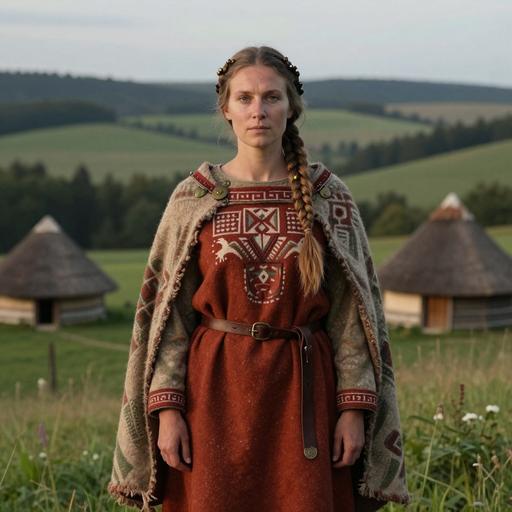
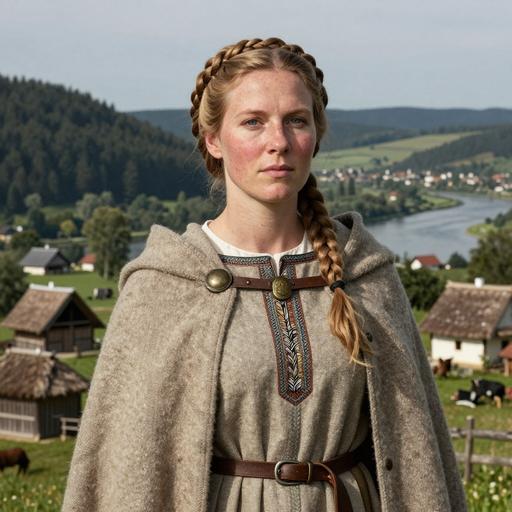
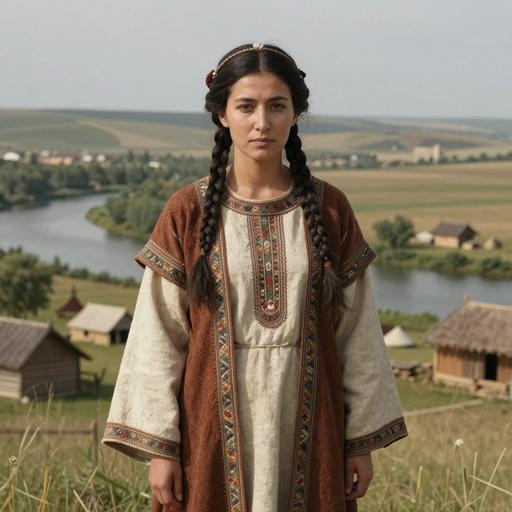
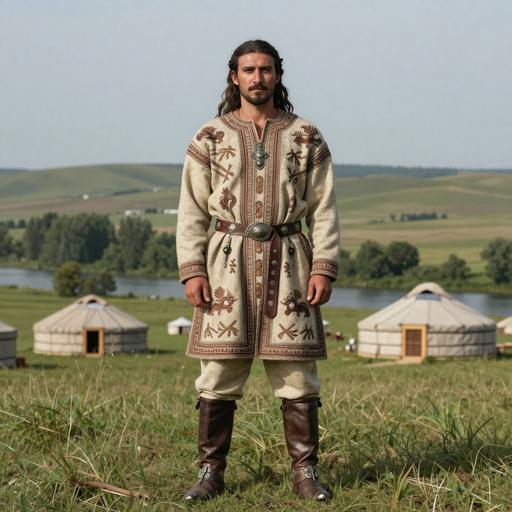
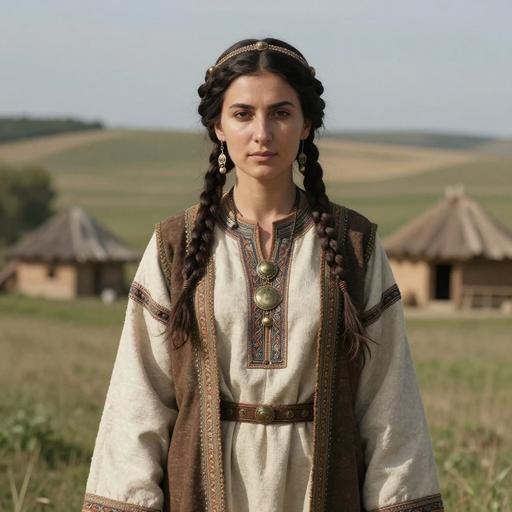
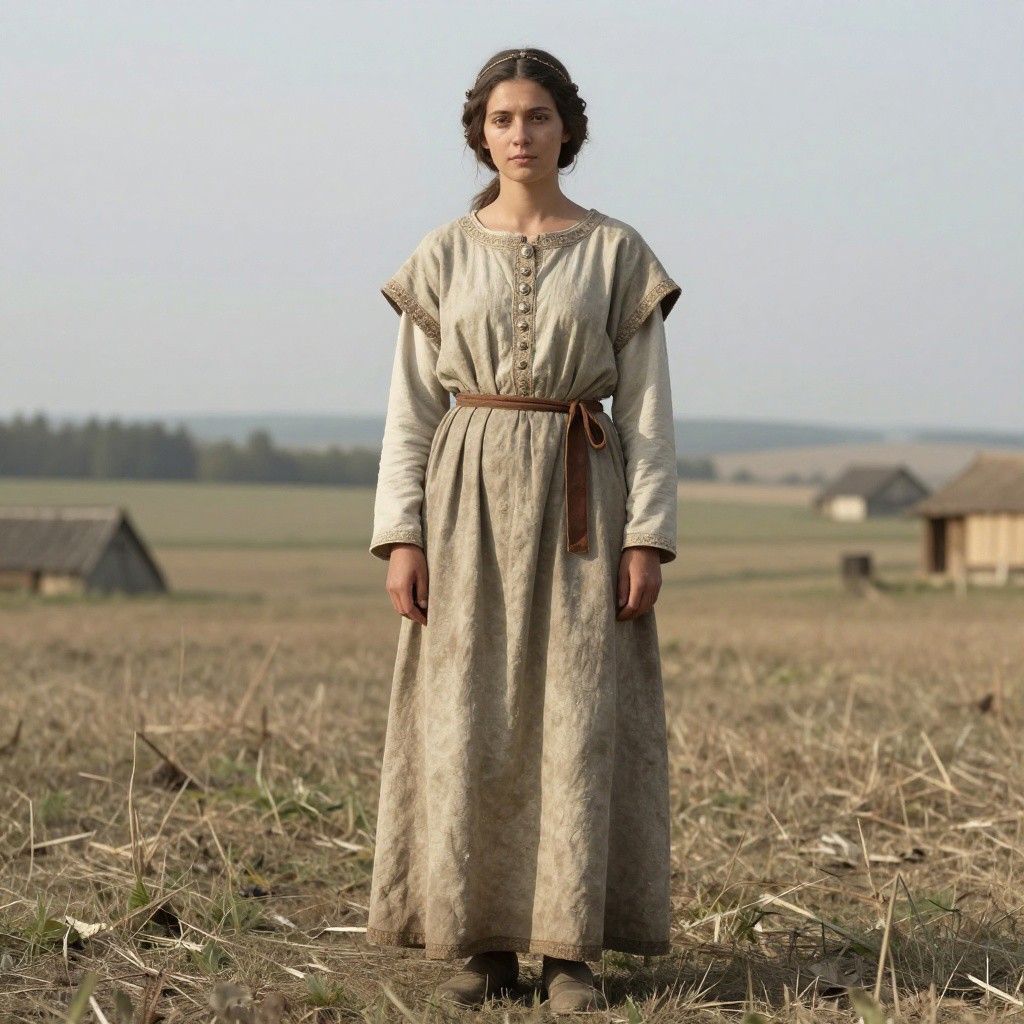
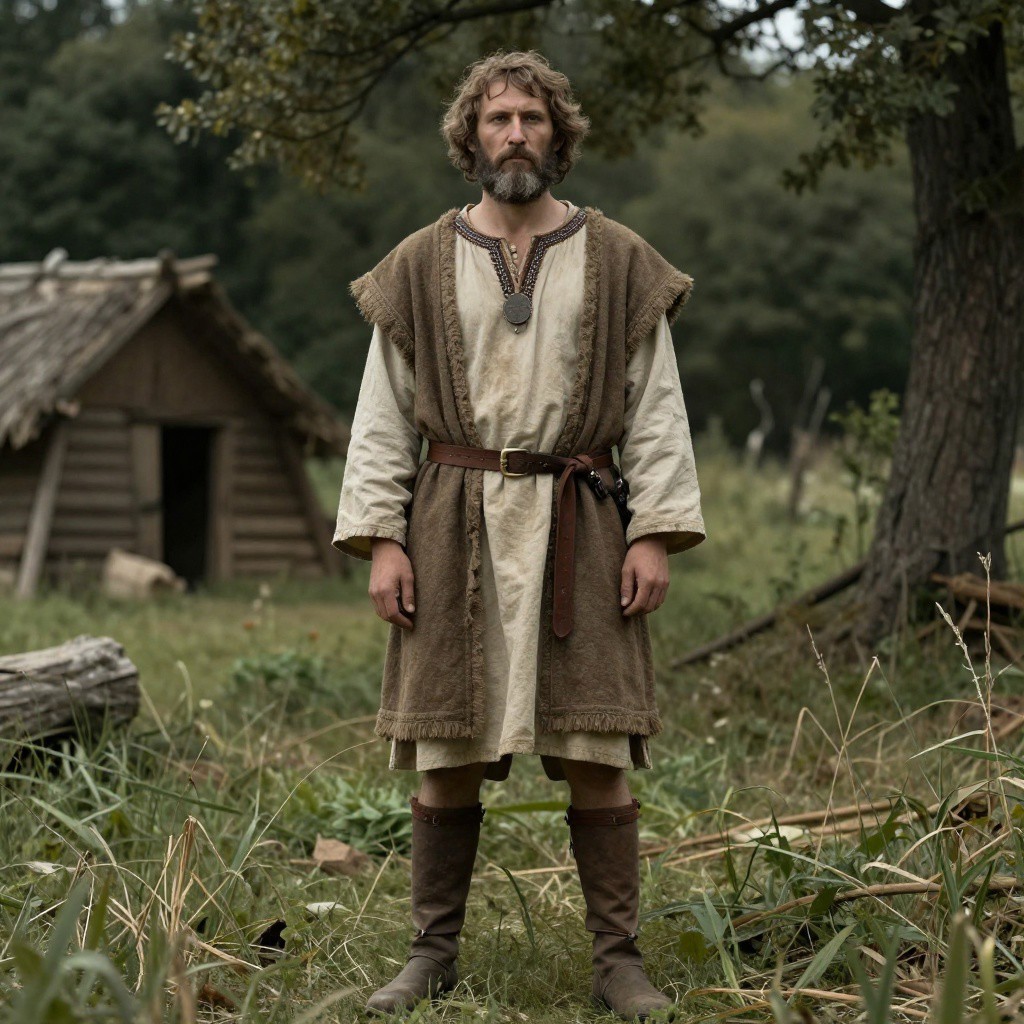
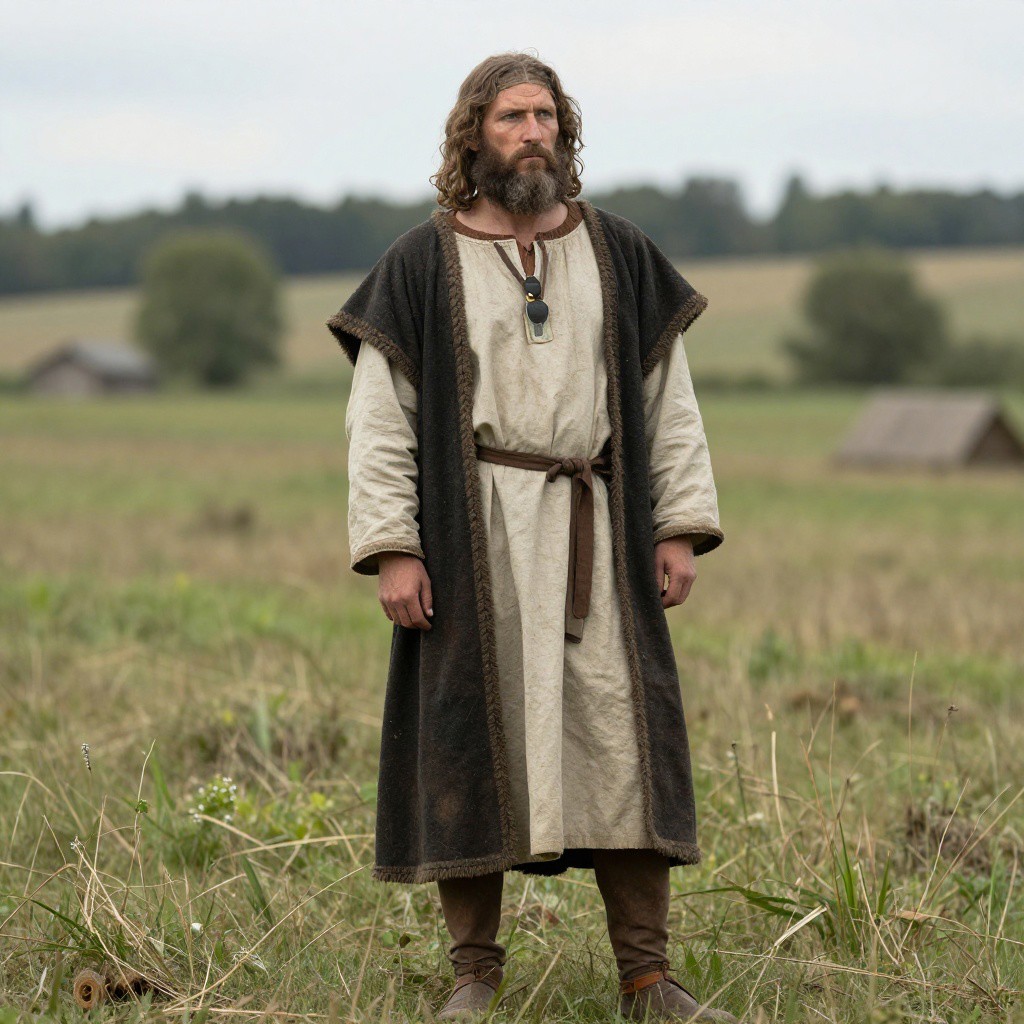
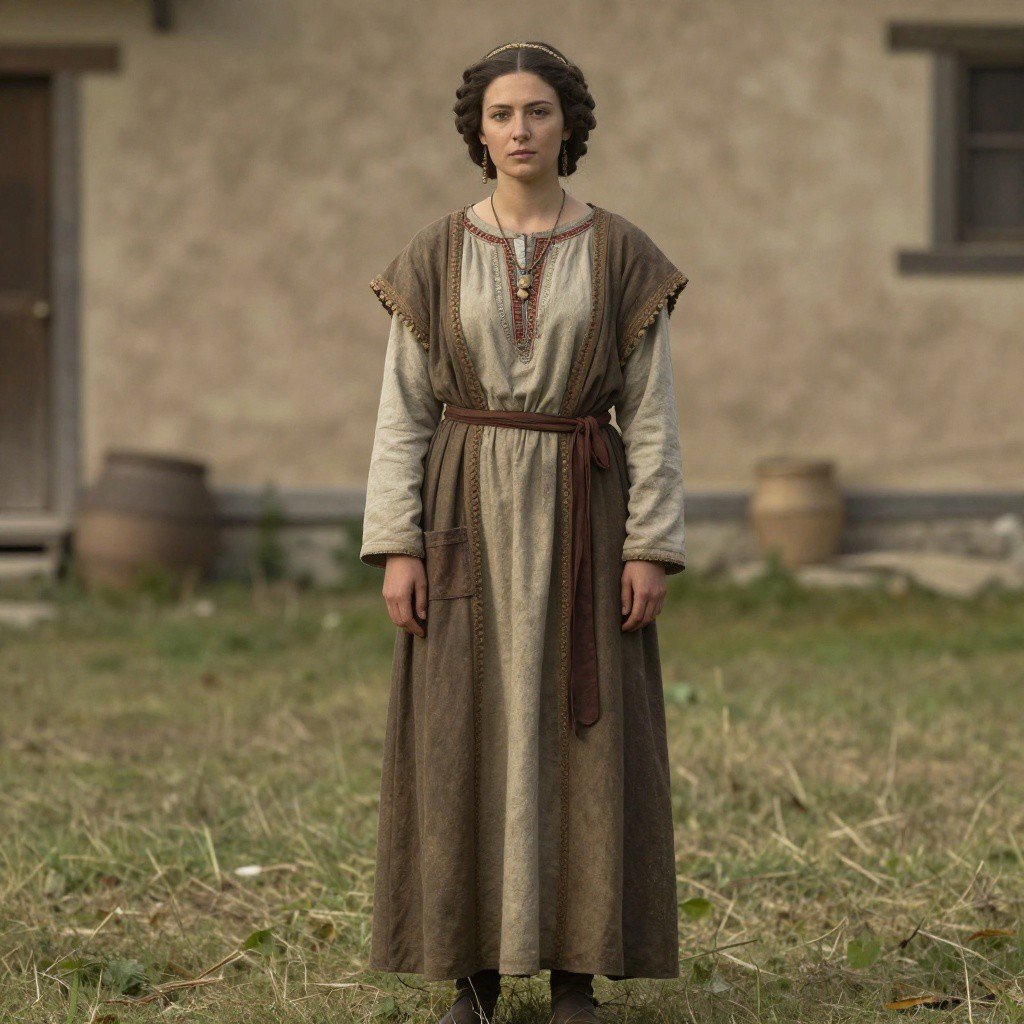
Los retratos son ilustraciones generadas con IA. Las etiquetas de muestra y los identificadores de acceso identifican los registros de referencia.

Retrato Muestra País Época Fecha Cultura mtDNA Coincidencia
Retrato ilustrativo de England MIA individual, England. Somerset. Christon. Dibbles Farm, United Kingdom (380-197 BCE) generado con IA
Identificador de muestra: I17015
United Kingdom England MIA 380-197 calBCE (2215±27 BP, SUERC-94983) Middle Iron Age British H2a2a1 Direct
Retrato ilustrativo de Czechia IA individual, NW Bohemia. Ústí nad Labem. Hrbovice, Czech Republic (387-208 BCE) generado con IA
Identificador de muestra: I7953
Czech Republic Iron Age Czech Republic 387-208 calBCE (2245±20 BP, PSUAMS-10086) Hallstatt-La Tène H2a2a1 Direct
Retrato ilustrativo de Grand Est Bas Rhin individual, Grand-Est (East). Erstein. Erstein Untergasse, France (400-100 BCE) generado con IA
Identificador de muestra: ERS1164
France France GrandEst IA2 400-100 BCE Iron Age II Culture H2a2a1 Direct
Retrato ilustrativo de Hallstatt individual, Langenenslingen "Alte Burg" (Baden-Württemberg, Biberach), Germany (500-450 BCE) generado con IA
Identificador de muestra: LWB002
Germany Hallstatt Culture 500-450 BCE Hallstatt H2a2a1 Direct
Retrato ilustrativo de Germanic individual, Bavaria. Straubing- Bajuwarenstraße, Germany (510-530 CE) generado con IA
Identificador de muestra: STR480
Germany Early Medieval Germany 510 CE - 530 CE Early Medieval German H2a2a1 Direct
Retrato ilustrativo de Germanic individual, Bavaria. Straubing- Bajuwarenstraße, Germany (510-530 CE) generado con IA
Identificador de muestra: STR480
Germany The Germanic Tribes 510 CE - 530 CE H2a2a1 Direct
Retrato ilustrativo de Scythian individual, Hungary (513-211 BCE) generado con IA
Identificador de muestra: DA194
Hungary Hungary IA Scythian 513 BCE - 211 BCE Scythian Culture H2a2a1 Direct
Retrato ilustrativo de Scythian individual, Hungary (513-211 BCE) generado con IA
Identificador de muestra: DA194
Hungary The Scythian Culture 513 BCE - 211 BCE H2a2a1 Direct
Retrato ilustrativo de England EIA individual, England. Gloucestershire. Lechlade-on-Thames. Lechlade Memorial Hall/Skate Park, United Kingdom (539-387 BCE) generado con IA
Identificador de muestra: I12787
United Kingdom England EIA 539-387 calBCE (2362±29 BP, SUERC-80168) Early British Iron Age H2a2a1 Direct
Retrato ilustrativo de Early Avar-o Low East Asia individual, Rákóczifalva-Bagi-földek (Jász-Nagykun-Szolnok Coiunty, Szolnok), Hungary (550-700 CE) generado con IA
Identificador de muestra: RKF103
Hungary Hungary EarlyAvar 550-700 CE Early Avar H2a2a1 Direct
MATERNAL LINAJE · ADN ANTIGUO

Mapa de pruebas de linajes antiguos

Sigue los clados superiores hasta esta rama y explora dónde se encontraron portadores antiguos.

Cargando observaciones antiguas...

Los marcadores son ubicaciones de hallazgos arqueológicos. Una línea discontinua representa una transición geográfica propuesta e incierta entre ramas consecutivas, apoyada en varias observaciones fechadas; no es una ruta de viaje exacta, un lugar de nacimiento ni una prueba de descendencia directa. Las muestras del clado parental pueden pertenecer a otras ramas descendientes. Se mantienen huecos cuando las pruebas son insuficientes. Las fechas de las muestras son distintas de las fechas de formación de los haplogrupos.

Perfil de referencia

Mapa de distribución de portadores

Distribución geográfica de muestras de ADN antiguo (85), portadores directos o de subclados de H2A2A1

Portador directo Portador de un subclado
Filtro de periodo temporal
Todos los periodos
Mostrando todas las muestras
Perfil de referencia

Distribución temporal

Distribución de portadores por periodos arqueológicos

Perfil de referencia

Distribución geográfica

Recuentos por país registrado de las muestras. Reflejan la selección de referencia disponible, no frecuencias de población.

Perfil de referencia

Distribución por país y época

Compara los recuentos de muestras registradas por países y periodos arqueológicos. Selecciona una celda con datos para examinar una muestra.

Datos

Datos y procedencia

Información sobre las fuentes y la calidad de los datos

Última actualización 2026-02-16
Puntuación de confianza 50/100
Cobertura Low

Fuente de datos

La clasificación, las fechas estimadas y el contexto geográfico reflejan los datos de referencia registrados y pueden cambiar al revisarse las pruebas. La cobertura de muestras es desigual; las ubicaciones registradas y las asociaciones arqueológicas no establecen el origen personal ni la identidad cultural.