Saltar al contenido principal
mtDNA · Materno linaje

H5A2

mtDNA Haplogroup H5A2

Un perfil de referencia de una rama de linaje. Compartir haplogrupos no demuestra una relación familiar ni una identidad cultural.

Perfil de referencia

Contexto de la rama

Contexto histórico de la rama de linaje mtDNA H5A2

Origins and Evolution

mtDNA haplogroup H5A2 is a subclade nested within H5A (often written H5a), which itself derives from the broader H5 branch of haplogroup H. The parent clade H5A is thought to have arisen in the Near East / West Asia during the early Holocene and to have expanded into Europe with post‑glacial and early farming movements. Given that position in the phylogeny, H5A2 is plausibly a Holocene lineage that diversified after H5A and likely originated approximately in the mid‑to‑late Holocene (several thousand years after the initial H5A emergence). The estimated age here (around 5 kya) reflects that relative position: younger than H5A but old enough to have dispersed with later Neolithic‑to‑Bronze Age demographic processes.

Subclades

As a named subclade (H5A2), this lineage can itself contain minor internal variation (private mutations and localized subbranches) identifiable in high‑resolution complete mtDNA sequencing. Where sampling is dense, H5A2 may split into population‑specific subbranches reflecting founder events (for example in island or coastal communities). Compared with more basal H5 subclades, H5A2 tends to be less frequent and often shows a patchy distribution consistent with demographic drift and local founder effects rather than broad continental replacement.

Geographical Distribution

H5A2 is observed principally in the Mediterranean and adjacent regions. Modern population surveys and available ancient DNA evidence indicate the highest relative frequencies and diversity in southern European populations (Italy, Greece) and in parts of the Near East / Anatolia. Lower but detectable frequencies occur in Western and Eastern Europe, the Caucasus, and North Africa, reflecting post‑glacial dispersal, Neolithic farmer expansions, and later historic mobility (trade, colonization, and migrations). Small pockets of elevated frequency in particular communities (including some Jewish lineages) suggest episodes of founder effect and population isolation.

Archaeogenetic finds that include H5‑derived lineages support continuity of certain maternal lines from the Neolithic into later periods in Europe and the Mediterranean; however, direct attribution of H5A2 to any single archaeological culture requires careful dating and context, because the subclade is less common and often undersampled in ancient datasets.

Historical and Cultural Significance

H5A2's pattern—moderate diversity in the Near East and localized higher frequencies in Mediterranean Europe—fits a scenario where maternal lineages moved with early farmers from Anatolia and the Levant into Europe during the Neolithic and then underwent further regional differentiation during the Bronze Age and historical periods. The presence of H5A2 or related H5A lineages in some Jewish communities is consistent with documented founder events in maternal lineages in certain endogamous groups.

Because H5A2 is not one of the highest‑frequency H subclades, its cultural associations are generally secondary: it reflects broader processes (Neolithic dispersals, maritime mobility in the Mediterranean, and later regional demographic events) rather than being diagnostic of a single archaeological culture by itself. Nevertheless, where H5A2 appears in ancient samples, it can help track maternal continuity or localized migration patterns across the Holocene in the Mediterranean and adjacent regions.

Conclusion

mtDNA H5A2 is a Holocene maternal lineage derived from H5A with likely Near Eastern origins and a modern distribution concentrated in southern Europe and parts of the Near East and Caucasus. Its patchy, sometimes elevated frequencies in specific populations point to founder effects and local demographic history, making it a useful marker for fine‑scale studies of maternal ancestry in Mediterranean and adjacent populations when combined with archaeological context and high‑resolution sequencing data.

Puntos clave

  • Origins and Evolution
  • Subclades
  • Geographical Distribution
  • Historical and Cultural Significance
  • Conclusion
Perfil de referencia

Árbol y relaciones

Contexto filogenético y subclados

Trayectoria evolutiva

Sigue las ramas superiores registradas hasta H5A2. Las fechas son estimaciones y pueden cambiar al revisarse los datos de referencia.

Pasos Haplogrupo Antigüedad estimada Época arqueológica Tiempo transcurrido Subclados inmediatos Portadores modernos analizados Referencias antiguas
1 H5A2 Actual ~5,000 years ago Bronze Age 5,000 years 2 17 0
2 H5A ~9,000 years ago Neolithic 9,000 years 8 331 73
3 H5 ~12,000 years ago Mesolithic 12,500 years 14 473 23
4 H5'36 - - - 2 482 0
5 H ~25,000 years ago Paleolithic 25,000 years 78 9,404 991
6 HV ~30,000 years ago Paleolithic 30,000 years 14 11,092 228
7 R0 ~15,000 years ago Mesolithic 15,000 years 2 11,230 4
8 R ~55,000 years ago Paleolithic 55,000 years 17 22,830 57
9 NA - - - 1 22,830 0
10 N ~60,000 years ago Paleolithic 60,000 years 16 26,150 13
11 L3 ~70,000 years ago Paleolithic 70,000 years 7 30,162 6
12 L3'4 - - - 2 30,212 0
13 L3'4'6 - - - 2 30,216 0
14 L2'3'4'6 - - - 2 31,333 0
15 L2'3'4'5'6'7 - - - 2 31,349 0
16 L1'2'3'4'5'6'7 - - - 2 31,852 0
17 L ~160,000 years ago Paleolithic 160,000 years 2 32,236 5

Ramas hermanas (7)

Otras ramas del mismo haplogrupo superior

Perfil de referencia

En el mundo

Distribución geográfica y presencia moderna

Origen registrado

Near East / Mediterranean Europe

Distribución moderna

The populations where MTDNA haplogroup H5A2 is found include:

  1. Southern European populations (Italy, Greece)
  2. Western European populations (France, Iberia at moderate levels)
  3. Eastern European and Balkan populations (Balkans, Poland, Ukraine at lower to moderate levels)
  4. Near Eastern and Anatolian populations (Turkey, Levant)
  5. Caucasus populations (Armenia, Georgia, Azerbaijan)
  6. Jewish communities (notably some Ashkenazi and other Mediterranean Jewish lineages showing founder signals)
  7. North African populations (Maghreb, at low to moderate frequencies)
  8. Mediterranean islands and coastal communities (Sicily, Sardinia, Crete at localized frequencies)
Contexto histórico

Una rama a través del tiempo

Formación estimada en una cronología histórica amplia. Los marcadores temporales aportan contexto y no implican relación con culturas concretas.

  1. ~10k años de antigüedad

    Revolución neolítica

    Inicio de la agricultura y formación de comunidades sedentarias

  2. ~5k años de antigüedad

    Edad del Bronce

    Metalurgia, escritura y primeras civilizaciones

  3. ~5k años de antigüedad

    Haplogrupo H5A2

    Formación estimada de esta rama de mtDNA; las fechas y ubicaciones son estimaciones de referencia.

    Esta rama
  4. ~3k años de antigüedad

    Edad del Hierro

    Herramientas de hierro y ampliación de redes comerciales

  5. ~2.5k años de antigüedad

    Antigüedad clásica

    Desarrollo de las civilizaciones griega y romana

  6. Actualidad

    Actualidad

    Época moderna

Perfil de referencia

Contexto arqueológico

Asociaciones arqueológicas registradas para la rama mtDNA H5A2

Asociaciones registradas

Estas etiquetas describen contextos arqueológicos registrados para las muestras de referencia enlazadas a H5A2. Una asociación no demuestra que todos los portadores pertenecieran a una cultura ni siguieran una ruta migratoria concreta.

Avar Culture Bell Beaker Croatian Copper Early Bronze Age Swiss El Argar Impressa Culture Koukounaries Culture La Tène Culture Lusatian Culture Niemcza Culture Płońsk Culture Poznań Środka Culture Roman Provincial Trypillia Culture
Las atribuciones culturales se basan en el contexto arqueológico de las muestras de ADN antiguo y pueden representar asociaciones regionales de periodos concretos.
Perfil de referencia

Catálogo de muestras

10 portadores directos y 4 portadores de subclados del haplogrupo H5A2

10 mostradas · 14 muestras coincidentes

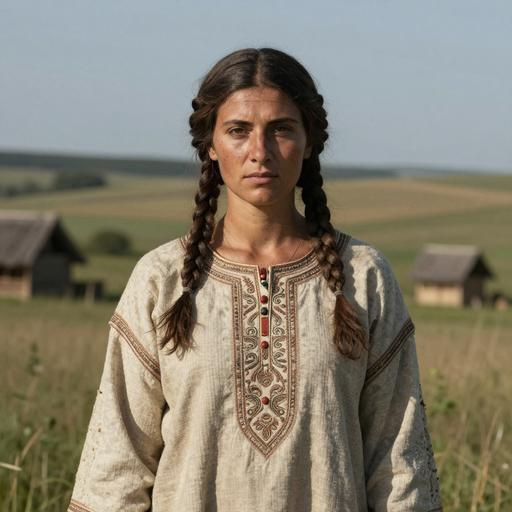
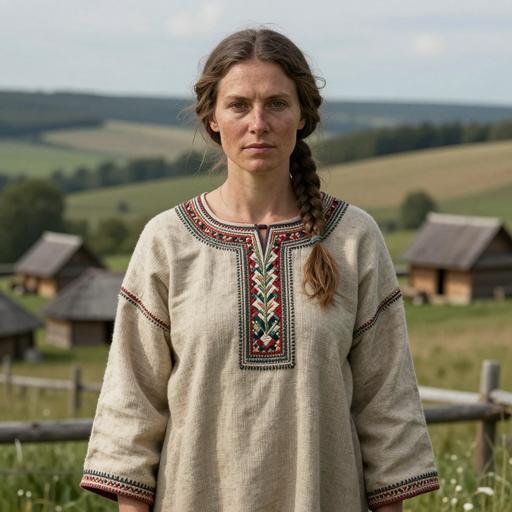
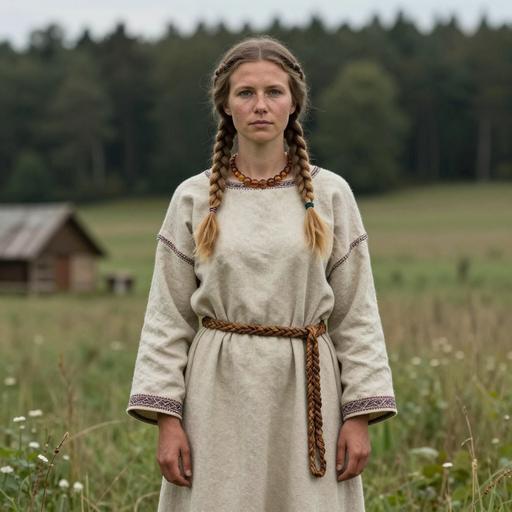
Los retratos son ilustraciones generadas con IA. Las etiquetas de muestra y los identificadores de acceso identifican los registros de referencia.

Retrato Muestra País Época Fecha Cultura mtDNA Coincidencia
Retrato ilustrativo de Late Antiquity Imperial Roman individual, Viminacium-Pirivoj (Braničevo District, Požarevac Municipality, Kostolac), Serbia (1-400 CE) generado con IA
Identificador de muestra: I15494
Serbia Serbia Roman 1-400 CE Roman Provincial H5a2 Direct
Retrato ilustrativo de La Tène individual, Central Bohemia. Prague 5. Prague-Jinonice (Holmanʼs Garden Centre), Czech Republic (166-44 BCE) generado con IA
Identificador de muestra: I16273
Czech Republic Iron Age La Tène Culture, Czech Republic 166-44 calBCE (2085±20 BP, PSUAMS-9715) La Tène Culture H5a2 Direct
Retrato ilustrativo de Transtisza Early Avar-o High East Asia individual, Transtisza region. Szarvas -Kovács-halom site 8/1, Hungary (600-700 CE) generado con IA
Identificador de muestra: A1805
Hungary Early Avar Period in Transtisza, Hungary 600-700 CE Avar Culture H5a2 Direct
Retrato ilustrativo de Middle Avar individual, Bács-Kiskun County. Kiskőrös-PohibujMackódűlő, Hungary (663-775 CE) generado con IA
Identificador de muestra: KPM-23
Hungary Middle Avar Period Hungary 663-775 calCE (1300±17 BP, DeA-26549) Avar Culture H5a2 Direct
Retrato ilustrativo de IA individual, Niemcza (Lower Silesian Province, Dzierżoniów County, Niemcza), Poland (900-1,000 CE) generado con IA
Identificador de muestra: PCA0138
Poland Iron Age Niemcza Culture 900-1000 CE Niemcza Culture H5a2 Direct
Retrato ilustrativo de Early Slav individual, Ląd (Greater Poland Province, Słupca County, Lądek), Poland (1,000-1,200 CE) generado con IA
Identificador de muestra: PCA0213
Poland Iron Age Lusatian culture of Poland 1000-1200 CE Lusatian Culture H5a2 Direct
Retrato ilustrativo de IA individual, Poznań-Śródka (Greater Poland Province, Poznań), Poland (1,000-1,200 CE) generado con IA
Identificador de muestra: PCA0232
Poland Iron Age Poznań Środka Culture 1000-1200 CE Poznań Środka Culture H5a2 Direct
Retrato ilustrativo de IA individual, Płońsk (Masovian Province, Płońsk), Poland (1,000-1,200 CE) generado con IA
Identificador de muestra: PCA0317
Poland Iron Age Płońsk Culture 1000-1200 CE Płońsk Culture H5a2 Direct
Retrato ilustrativo de LBA individual, Koukounaries (Cyclades, Paros), Greece (1,200-1,150 BCE) generado con IA
Identificador de muestra: KUK001
Greece Late Bronze Age Koukounaries 1200-1150 BCE Koukounaries Culture H5a2 Direct
Retrato ilustrativo de Czechia Bell Beaker-o Anatolia2 individual, Bohemia. Vliněves, Czech Republic (2,300-2,100 BCE) generado con IA
Identificador de muestra: VLI025
Czech Republic Bell Beaker Culture, Bohemia, Czech Republic 2300-2100 BCE Bell Beaker H5a2 Direct
MATERNAL LINAJE · ADN ANTIGUO

Mapa de pruebas de linajes antiguos

Sigue los clados superiores hasta esta rama y explora dónde se encontraron portadores antiguos.

Cargando observaciones antiguas...

Los marcadores son ubicaciones de hallazgos arqueológicos. Una línea discontinua representa una transición geográfica propuesta e incierta entre ramas consecutivas, apoyada en varias observaciones fechadas; no es una ruta de viaje exacta, un lugar de nacimiento ni una prueba de descendencia directa. Las muestras del clado parental pueden pertenecer a otras ramas descendientes. Se mantienen huecos cuando las pruebas son insuficientes. Las fechas de las muestras son distintas de las fechas de formación de los haplogrupos.

Perfil de referencia

Mapa de distribución de portadores

Distribución geográfica de muestras de ADN antiguo (14), portadores directos o de subclados de H5A2

Portador directo Portador de un subclado
Filtro de periodo temporal
Todos los periodos
Mostrando todas las muestras
Perfil de referencia

Distribución temporal

Distribución de portadores por periodos arqueológicos

Perfil de referencia

Distribución geográfica

Recuentos por país registrado de las muestras. Reflejan la selección de referencia disponible, no frecuencias de población.

Perfil de referencia

Distribución por país y época

Compara los recuentos de muestras registradas por países y periodos arqueológicos. Selecciona una celda con datos para examinar una muestra.

Datos

Datos y procedencia

Información sobre las fuentes y la calidad de los datos

Última actualización 2026-02-16
Puntuación de confianza 50/100
Cobertura Low

Fuente de datos

La clasificación, las fechas estimadas y el contexto geográfico reflejan los datos de referencia registrados y pueden cambiar al revisarse las pruebas. La cobertura de muestras es desigual; las ubicaciones registradas y las asociaciones arqueológicas no establecen el origen personal ni la identidad cultural.

Un haplogrupo sigue una línea materna o paterna. La rama que se puede predecir depende de los marcadores presentes en el archivo de ADN. Cómo analizamos el ADN