Un perfil de referencia de una rama de linaje. Compartir haplogrupos no demuestra una relación familiar ni una identidad cultural.
Perfil de referencia
Contexto de la rama
Contexto histórico de la rama de linaje mtDNA J1
Origins and Evolution
mtDNA haplogroup J1 is a subclade of haplogroup J (itself part of the larger JT macro-haplogroup). Based on its phylogenetic position and coalescent estimates, J1 most likely formed in the Near East during the Upper Paleolithic to early post-glacial interval (tens of thousands of years ago) and was carried by populations that later contributed to the genetic makeup of Neolithic farmers and post‑glacial recolonizing groups. Its age is younger than the root of haplogroup J but old enough to have diversified into several daughter lineages prior to, and during, the Neolithic period.
Genetic and ancient DNA studies show that haplogroup J lineages (including J1 and J2) were present in the Near East and adjacent regions throughout the late Pleistocene and Holocene. J1 expanded at different times in different places, producing local high-frequency pockets in some Mediterranean and Caucasus populations and lower-frequency presence across much of Europe and North Africa.
Subclades (if applicable)
J1 contains multiple downstream subclades (commonly reported as J1a, J1b, J1c etc. in the literature) that display regional structure. Some sublineages are concentrated in the eastern Mediterranean and Caucasus, while others show distributions that indicate westward spread into Southern and Western Europe or southward into North Africa. The diversity of J1 subclades in the Near East and Caucasus supports an origin and early diversification in that broader region, followed by later expansions tied to climatic amelioration and cultural diffusion (e.g., Neolithic demic processes).
Geographical Distribution
Today J1 is found at moderate frequencies in the Near East and parts of the Caucasus, moderate to low frequencies across Southern Europe (particularly the Mediterranean rim), low to moderate frequencies in North Africa, and is detectable at low frequencies in parts of Central Asia and Eastern Europe. J1 is also present within Jewish maternal lineages (both Ashkenazi and Sephardi), where specific subclades have been observed. The pattern—high diversity and varied subclades in the Near East/Caucasus and more restricted sublineages further afield—is consistent with an origin in the Near East followed by multiple waves of dispersal.
Historical and Cultural Significance
Population genetic and ancient DNA evidence link J1 and related J lineages to post‑glacial re-expansions and to the Neolithic transition that spread farming from the Near East into Europe and North Africa. While not a simple marker of any single archaeological culture, J1 lineages are often detected among early farming communities and later populations influenced by Near Eastern demography. This makes J1 of particular interest for studies of maternal ancestry and the spread of agricultural lifeways, as well as for reconstructing regional maternal histories (e.g., in the Caucasus, Levant, Mediterranean basin, and North Africa).
Conclusion
mtDNA J1 is an informative maternal lineage for tracing Near Eastern origins of Holocene population movements. It exemplifies how a Near Eastern clade diversified and contributed to the maternal gene pools of neighboring regions during the post‑glacial and Neolithic periods, leaving a patchy but persistent signature in modern populations across the Mediterranean, the Caucasus, North Africa, and into parts of Europe and Central Asia.
Puntos clave
Origins and Evolution
Subclades (if applicable)
Geographical Distribution
Historical and Cultural Significance
Conclusion
Perfil de referencia
Árbol y relaciones
Contexto filogenético y subclados
Trayectoria evolutiva
Sigue las ramas superiores registradas hasta J1. Las fechas son estimaciones y pueden cambiar al revisarse los datos de referencia.
The populations where MTDNA haplogroup J1 is found include:
Southern and Western European populations
Middle Eastern populations
North African populations
Caucasus region populations
Some populations in Central Asia
Jewish populations (Ashkenazi and Sephardi)
Contexto histórico
Una rama a través del tiempo
Formación estimada en una cronología histórica amplia. Los marcadores temporales aportan contexto y no implican relación con culturas concretas.
~30k años de antigüedad
Haplogrupo J1
Formación estimada de esta rama de mtDNA; las fechas y ubicaciones son estimaciones de referencia.
Esta rama
~20k años de antigüedad
Último máximo glacial
Máxima extensión de la última glaciación y aislamiento de poblaciones
~10k años de antigüedad
Revolución neolítica
Inicio de la agricultura y formación de comunidades sedentarias
~5k años de antigüedad
Edad del Bronce
Metalurgia, escritura y primeras civilizaciones
~3k años de antigüedad
Edad del Hierro
Herramientas de hierro y ampliación de redes comerciales
~2.5k años de antigüedad
Antigüedad clásica
Desarrollo de las civilizaciones griega y romana
Actualidad
Actualidad
Época moderna
Perfil de referencia
Contexto arqueológico
Asociaciones arqueológicas registradas para la rama mtDNA J1
Asociaciones registradas
Estas etiquetas describen contextos arqueológicos registrados para las muestras de referencia enlazadas a J1. Una asociación no demuestra que todos los portadores pertenecieran a una cultura ni siguieran una ruta migratoria concreta.
Las atribuciones culturales se basan en el contexto arqueológico de las muestras de ADN antiguo y pueden representar asociaciones regionales de periodos concretos.
Perfil de referencia
Catálogo de muestras
55 portadores de subclados del haplogrupo J1 (sin portadores directos en la selección de referencia actual)
10 mostradas · 50 muestras coincidentes
Ninguna muestra coincide con estos filtros. Prueba otra etiqueta, ubicación o periodo.
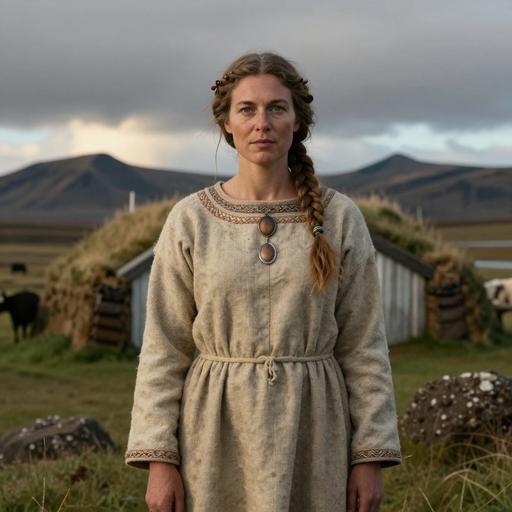
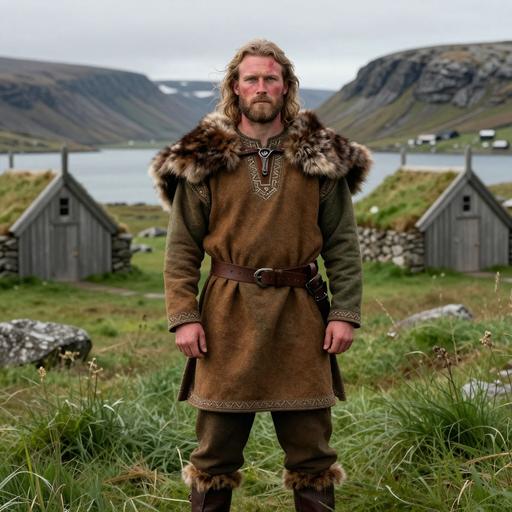
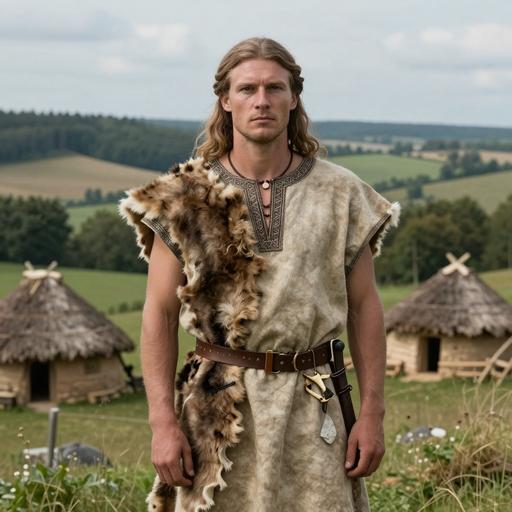
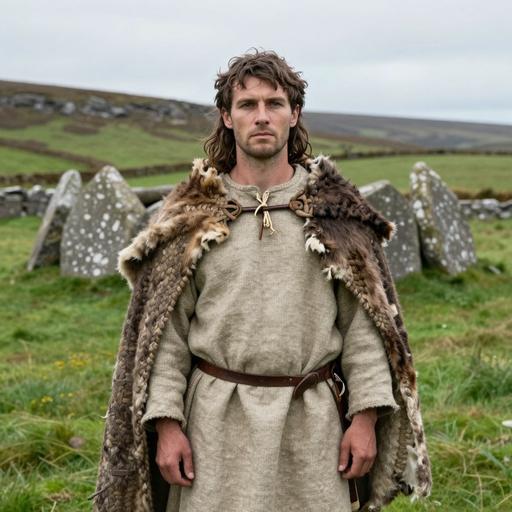
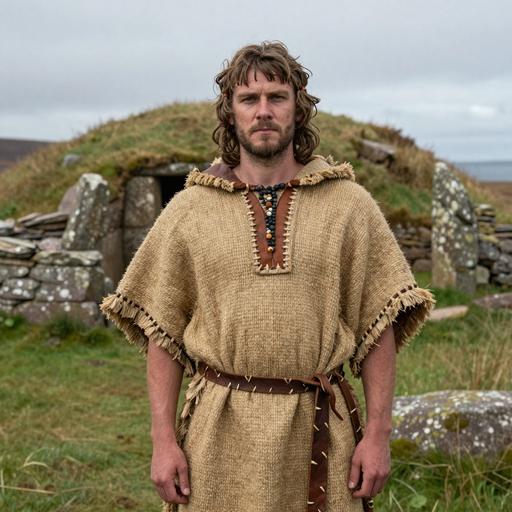
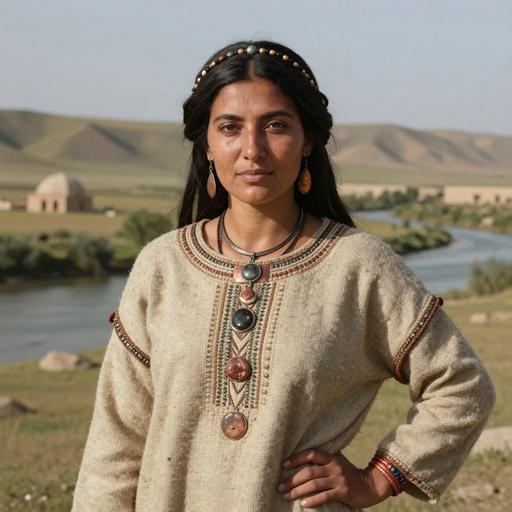
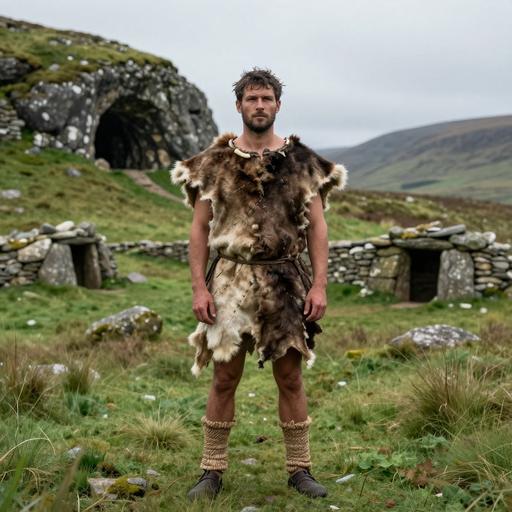
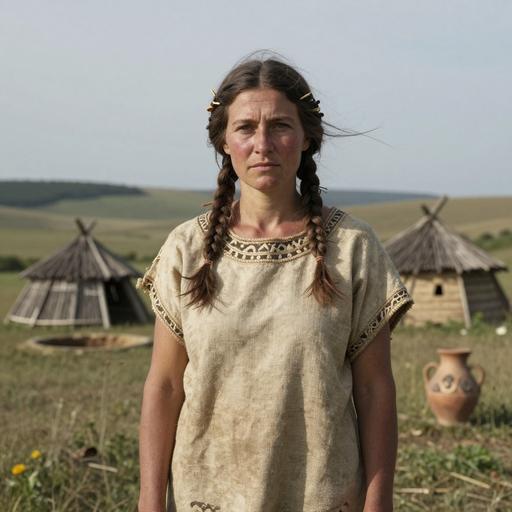
Los retratos son ilustraciones generadas con IA. Las etiquetas de muestra y los identificadores de acceso identifican los registros de referencia.
Retrato
Muestra
País
Época
Fecha
Cultura
mtDNA
Coincidencia
Identificador de muestra: R47
Italy
Imperial Rome
241-341 calCE (1765±15 BP, UCIAMS-198588)
Roman Empire
J1c1c*
Subclado
Identificador de muestra: Alh1
Germany
Early Medieval Germany
250 CE - 650 CE
Early Medieval German
J1c7a*
Subclado
Identificador de muestra: Alh1
Germany
The Germanic Tribes
250 CE - 650 CE
J1c7a*
Subclado
Identificador de muestra: R122
Italy
Late Antiquity Italy
400-600 CE
Late Roman
J1c-a
Subclado
Identificador de muestra: DA223
Kazakhstan
Kazakhstan Wusun
414 BCE - 211 BCE
Wusun
J1c5a-a3
Subclado
Identificador de muestra: DA223
Kazakhstan
The Nomadic Empires of the Eurasian Steppe
414 BCE - 211 BCE
J1c5a-a3
Subclado
Identificador de muestra: VK505
Estonia
Early Viking Age Estonia
700 CE - 800 CE
Viking
J1b1a1b*
Subclado
Identificador de muestra: VK505
Estonia
The Viking Age
700 CE - 800 CE
J1b1a1b*
Subclado
Identificador de muestra: JK2134
Egypt
Third Intermediate Period in Egypt
787 BCE - 546 BCE
Third Intermediate
J1d7*
Subclado
Identificador de muestra: ESZ001
Kazakhstan
Iron Age Tasmola-Saka Culture, Kazakhstan
789-546 calBCE (2525?25 BP)
Tasmola-Saka Culture
J1b1a1-a*
Subclado
Identificador de muestra: GRO017
Netherlands
Saxon Medieval Groningen, Netherlands
800 CE - 1000 CE
Saxon Culture
J1b1a1+146C
Subclado
Identificador de muestra: SSG-A2
Iceland
Iceland PreChristian
850 CE - 1000 CE
Norse Pagan
J1c3g1*
Subclado
Identificador de muestra: SSG-A2
Iceland
Medieval Nordic Region
850 CE - 1000 CE
1984
J1c3g1*
Subclado
Identificador de muestra: YGS-B2
Iceland
Iceland PreChristian
870 CE - 1000 CE
Norse Pagan
J1c1a*
Subclado
Identificador de muestra: YGS-B2
Iceland
Medieval Nordic Region
870 CE - 1000 CE
1984
J1c1a*
Subclado
Identificador de muestra: VK396
Sweden
Sweden Viking
900 CE - 1200 CE
Viking
J1c2t*
Subclado
Identificador de muestra: VK156
Poland
Poland Viking
900 CE - 1100 CE
Viking
J1c2c2a1*
Subclado
Identificador de muestra: VK513
Greenland
Greenland EarlyNorse
900 CE - 1200 CE
Norse Greenland
J1c1b*
Subclado
Identificador de muestra: VK286
Denmark
Denmark Viking
900 CE - 1000 CE
Viking Denmark
J1c-a
Subclado
Identificador de muestra: VK156
Poland
The Viking Age
900 CE - 1100 CE
J1c2c2a1*
Subclado
Identificador de muestra: VK286
Denmark
The Viking Age
900 CE - 1000 CE
J1c-a
Subclado
Identificador de muestra: VK396
Sweden
The Viking Age
900 CE - 1200 CE
J1c2t*
Subclado
Identificador de muestra: VK513
Greenland
The Viking Age
900 CE - 1200 CE
J1c1b*
Subclado
Identificador de muestra: VK517
Sweden
Sweden Viking
1000 CE - 1100 CE
Viking
J1c3f1*
Subclado
Identificador de muestra: VK517
Sweden
The Viking Age
1000 CE - 1100 CE
J1c3f1*
Subclado
Identificador de muestra: TSK-A26
Iceland
Iceland Early Christian
1050 CE - 1200 CE
Norse-Christian
J1b1a1a*
Subclado
Identificador de muestra: TSK-A26
Iceland
Medieval Nordic Region
1050 CE - 1200 CE
1984
J1b1a1a*
Subclado
Identificador de muestra: I10553
Italy
Italy Sardinia LBA
1255-1055 calBCE (2950±20 BP, PSUAMS-4876)
Nuragic Culture
J1c3*
Subclado
Identificador de muestra: POST_12
Germany
Middle Bronze Age Lech Valley, Germany
2193 BCE - 1985 BCE
Lech Valley Culture
J1c3g*
Subclado
Identificador de muestra: POST_12
Germany
Early Bronze Age Central Europe
2193 BCE - 1985 BCE
J1c3g*
Subclado
Identificador de muestra: I0113
Germany
Bell Beaker Culture, Germany
2396-2034 calBCE (3773±47 BP, Erl-7283)
Bell Beaker
J1c5-a*
Subclado
Identificador de muestra: UNTA85_1343
Germany
Bell Beaker Culture, Lech Valley, Germany
2401-2146 calBCE (3819±24 BP, MAMS-18949)
Bell Beaker
J1c2*
Subclado
Identificador de muestra: UNTA58_68Sk2
Germany
Bell Beaker Culture, Lech Valley, Germany
2468 BCE - 2305 BCE
Bell Beaker
J1c*
Subclado
Identificador de muestra: UNTA58_68Sk2
Germany
The Bell Beaker Culture
2468 BCE - 2305 BCE
ANATOLIAN_BRONZE_AGE
J1c*
Subclado
Identificador de muestra: SEC005
Italy
Italy Sardinia LateC
2469-2306 calBCE (3912±20 BP, MAMS-38292)
Late Chalcolithic Sardinian
J1c3n'o'p
Subclado
Identificador de muestra: I1538
Germany
Corded Ware Culture, Germany
2500-2050 BCE
Corded Ware
J1c5*
Subclado
Identificador de muestra: I1540
Germany
Corded Ware Culture, Germany
2600-2200 BCE
Corded Ware
J1c5f1*
Subclado
Identificador de muestra: Log04
Greece
Middle Bronze Age Logkas, Greece
2600-2000 BCE
Logkas Culture
J1c-a*
Subclado
Identificador de muestra: CAK532
Ireland
Ireland LN
3013-2890 calBCE (4321±30 BP, OxA-35326)
Irish Late Neolithic
J1c3*
Subclado
Identificador de muestra: I7554
United Kingdom
Scotland N
3368 BCE - 3102 BCE
Scottish Neolithic
J1c9*
Subclado
Identificador de muestra: MB6
Ireland
Ireland MN
3494-3036 calBCE (4548±51 BP, UBA-35071)
Irish Middle Neolithic
J1c3*
Subclado
Identificador de muestra: I4910
Tajikistan
Chalcolithic Sarazm
3634-3522 calBCE (4765±20 BP, PSUAMS-2624)
Sarazm Culture
J1d9*
Subclado
Identificador de muestra: I6747
United Kingdom
England N
3645 BCE - 3526 BCE
British Neolithic
J1c1b*
Subclado
Identificador de muestra: I6747
United Kingdom
Early Neolithic Britain
3645 BCE - 3526 BCE
J1c1b*
Subclado
Identificador de muestra: I6747
United Kingdom
Early Neolithic Britain
3645 BCE - 3526 BCE
J1c1b*
Subclado
Identificador de muestra: I6747
United Kingdom
Early Neolithic Britain
3645 BCE - 3526 BCE
J1c1b*
Subclado
Identificador de muestra: I2691
United Kingdom
Scotland N
3710 BCE - 3632 BCE
Scottish Neolithic
J1c1*
Subclado
Identificador de muestra: I4089
Romania
Romania C Bodrogkeresztur
3765-3640 calBCE (4915±25 BP, PSUAMS-1746)
Bodrogkeresztur
J1c*
Subclado
Identificador de muestra: I1505
Hungary
Middle Neolithic Alföld Linear Pottery Culture, Hungary
Hungary The Linear Pottery Culture 5210 BCE - 5003 BCE
J1c5*Subclado
MATERNAL LINAJE · ADN ANTIGUO
Mapa de pruebas de linajes antiguos
Sigue los clados superiores hasta esta rama y explora dónde se encontraron portadores antiguos.
Cargando observaciones antiguas...
La reducción de movimiento está activada. Utiliza la cronología o Mostrar todo para explorar a tu ritmo.
Leer las observaciones en una tabla
Observaciones antiguas visibles por rama, periodo y punto medio de la fecha
Rama
Periodo
Intervalo de fechas
Muestra
Identificador de muestra
Ubicación
Haplogrupo
Relación
Los marcadores son ubicaciones de hallazgos arqueológicos. Una línea discontinua representa una transición geográfica propuesta e incierta entre ramas consecutivas, apoyada en varias observaciones fechadas; no es una ruta de viaje exacta, un lugar de nacimiento ni una prueba de descendencia directa. Las muestras del clado parental pueden pertenecer a otras ramas descendientes. Se mantienen huecos cuando las pruebas son insuficientes. Las fechas de las muestras son distintas de las fechas de formación de los haplogrupos.
La agrupación por periodo histórico refleja cuándo vivió cada individuo antiguo y combina todas las ramas de esta cadena de linajes; no es una secuencia migratoria ni una cronología personal entre periodos.
Perfil de referencia
Mapa de distribución de portadores
Distribución geográfica de muestras de ADN antiguo (55), portadores directos o de subclados de J1
Portador de un subclado
Filtro de periodo temporal
Todos los periodos
Mostrando todas las muestras
Perfil de referencia
Distribución temporal
Distribución de portadores por periodos arqueológicos
Perfil de referencia
Distribución geográfica
Recuentos por país registrado de las muestras. Reflejan la selección de referencia disponible, no frecuencias de población.
Perfil de referencia
Distribución por país y época
Compara los recuentos de muestras registradas por países y periodos arqueológicos. Selecciona una celda con datos para examinar una muestra.
Datos
Datos y procedencia
Información sobre las fuentes y la calidad de los datos
Última actualización2026-02-09
Fuente de datos
La clasificación, las fechas estimadas y el contexto geográfico reflejan los datos de referencia registrados y pueden cambiar al revisarse las pruebas. La cobertura de muestras es desigual; las ubicaciones registradas y las asociaciones arqueológicas no establecen el origen personal ni la identidad cultural.