mtDNA · Maternal lineage

J1

mtDNA Haplogroup J1

A reference profile for one lineage branch. Shared haplogroups do not establish a family relationship or cultural identity.

Reference profile

Branch background

Historical context for mtDNA lineage branch J1

Origins and Evolution

mtDNA haplogroup J1 is a subclade of haplogroup J (itself part of the larger JT macro-haplogroup). Based on its phylogenetic position and coalescent estimates, J1 most likely formed in the Near East during the Upper Paleolithic to early post-glacial interval (tens of thousands of years ago) and was carried by populations that later contributed to the genetic makeup of Neolithic farmers and post‑glacial recolonizing groups. Its age is younger than the root of haplogroup J but old enough to have diversified into several daughter lineages prior to, and during, the Neolithic period.

Genetic and ancient DNA studies show that haplogroup J lineages (including J1 and J2) were present in the Near East and adjacent regions throughout the late Pleistocene and Holocene. J1 expanded at different times in different places, producing local high-frequency pockets in some Mediterranean and Caucasus populations and lower-frequency presence across much of Europe and North Africa.

Subclades (if applicable)

J1 contains multiple downstream subclades (commonly reported as J1a, J1b, J1c etc. in the literature) that display regional structure. Some sublineages are concentrated in the eastern Mediterranean and Caucasus, while others show distributions that indicate westward spread into Southern and Western Europe or southward into North Africa. The diversity of J1 subclades in the Near East and Caucasus supports an origin and early diversification in that broader region, followed by later expansions tied to climatic amelioration and cultural diffusion (e.g., Neolithic demic processes).

Geographical Distribution

Today J1 is found at moderate frequencies in the Near East and parts of the Caucasus, moderate to low frequencies across Southern Europe (particularly the Mediterranean rim), low to moderate frequencies in North Africa, and is detectable at low frequencies in parts of Central Asia and Eastern Europe. J1 is also present within Jewish maternal lineages (both Ashkenazi and Sephardi), where specific subclades have been observed. The pattern—high diversity and varied subclades in the Near East/Caucasus and more restricted sublineages further afield—is consistent with an origin in the Near East followed by multiple waves of dispersal.

Historical and Cultural Significance

Population genetic and ancient DNA evidence link J1 and related J lineages to post‑glacial re-expansions and to the Neolithic transition that spread farming from the Near East into Europe and North Africa. While not a simple marker of any single archaeological culture, J1 lineages are often detected among early farming communities and later populations influenced by Near Eastern demography. This makes J1 of particular interest for studies of maternal ancestry and the spread of agricultural lifeways, as well as for reconstructing regional maternal histories (e.g., in the Caucasus, Levant, Mediterranean basin, and North Africa).

Conclusion
mtDNA J1 is an informative maternal lineage for tracing Near Eastern origins of Holocene population movements. It exemplifies how a Near Eastern clade diversified and contributed to the maternal gene pools of neighboring regions during the post‑glacial and Neolithic periods, leaving a patchy but persistent signature in modern populations across the Mediterranean, the Caucasus, North Africa, and into parts of Europe and Central Asia.

Key Points

  • Origins and Evolution
  • Subclades (if applicable)
  • Geographical Distribution
  • Historical and Cultural Significance
  • Conclusion

Reference profile

Tree & Relationships

Phylogenetic context and subclades

Evolution Path

Follow the recorded parent branches toward J1. Dates are estimates and can change as reference data is revised.

Steps Haplogroup Age Estimate Archaeology Era Time Passed Immediate Descendants Tested Modern Descendants Ancient Connections
1 J1 Current ~30,000 years ago Paleolithic 30,000 years 4 1,751 55
2 J ~45,000 years ago Paleolithic 45,000 years 2 2,144 16
3 JT ~40,000 years ago Paleolithic 40,000 years 2 4,094 1
4 R2'JT - - - 2 4,133 0
5 R ~55,000 years ago Paleolithic 55,000 years 17 22,830 57
6 NA - - - 1 22,830 0
7 N ~60,000 years ago Paleolithic 60,000 years 16 26,150 13
8 L3 ~70,000 years ago Paleolithic 70,000 years 7 30,162 6
9 L3'4 - - - 2 30,212 0
10 L3'4'6 - - - 2 30,216 0
11 L2'3'4'6 - - - 2 31,333 0
12 L2'3'4'5'6'7 - - - 2 31,349 0
13 L1'2'3'4'5'6'7 - - - 2 31,852 0
14 L ~160,000 years ago Paleolithic 160,000 years 2 32,236 5

Siblings (1)

Other branches from the same parent haplogroup

Reference profile

Where in the World

Geographic distribution and modern presence

Recorded origin

Near East

Modern Distribution

The populations where MTDNA haplogroup J1 is found include:

  1. Southern and Western European populations
  2. Middle Eastern populations
  3. North African populations
  4. Caucasus region populations
  5. Some populations in Central Asia
  6. Jewish populations (Ashkenazi and Sephardi)
Historical context

A branch through time

Estimated formation in a broad historical timeline. Period markers provide context and do not imply a connection with particular cultures.

  1. ~30k years ago

    Haplogroup J1

    Estimated formation of this mtDNA branch; dates and locations are reference estimates.

    This branch
  2. ~20k years ago

    Last Glacial Maximum

    Peak of the last ice age, populations isolated

  3. ~10k years ago

    Neolithic Revolution

    Agriculture begins, settled communities form

  4. ~5k years ago

    Bronze Age

    Metalworking, writing, and early civilizations

  5. ~3k years ago

    Iron Age

    Iron tools, expanded trade networks

  6. ~2.5k years ago

    Classical Antiquity

    Greek and Roman civilizations flourish

  7. Present

    Present Day

    Modern era

Reference profile

Archaeological context

Recorded archaeological associations for mtDNA branch J1

Recorded associations

These labels describe archaeological contexts recorded for reference samples linked to J1. An association does not establish that all carriers belonged to a culture or followed a particular migration route.

Austria_Avar Avar Delphic Gonur Culture Gumelnița Kilteasheen Lasinja Culture Linear Pottery Culture Namazga Romanian Bronze Age Shahr-i Sokhta Culture Starčevo Culture
Culture assignments are based on archaeological context of ancient DNA samples and may represent regional associations during specific time periods.
Reference profile

Sample Catalog

55 subclade carriers of haplogroup J1 (no direct carriers in the current reference selection)

10 shown · 50 matching samples

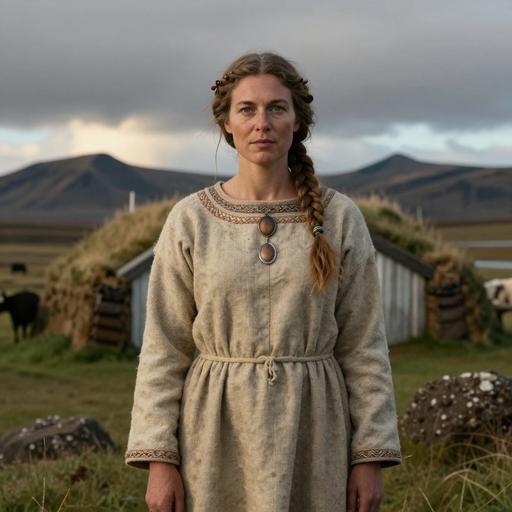
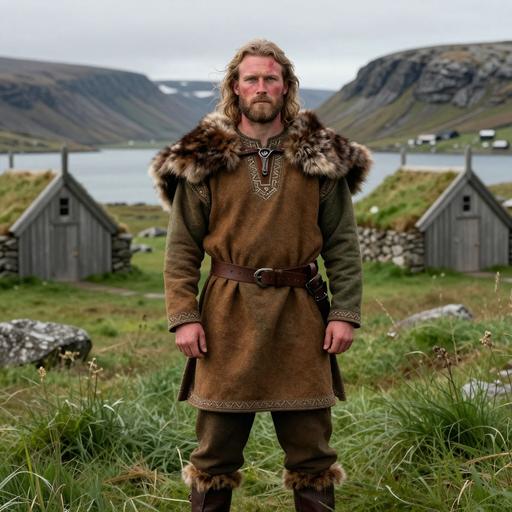
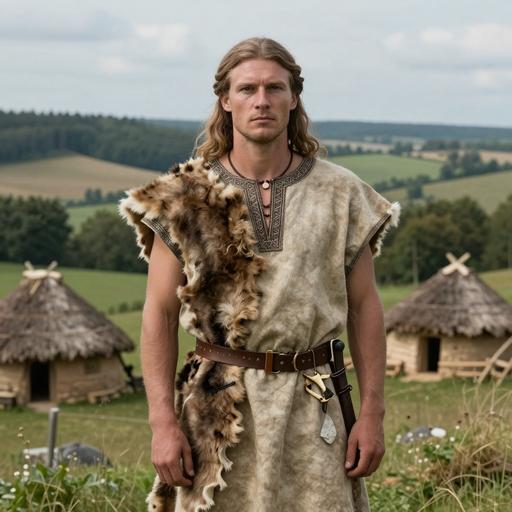
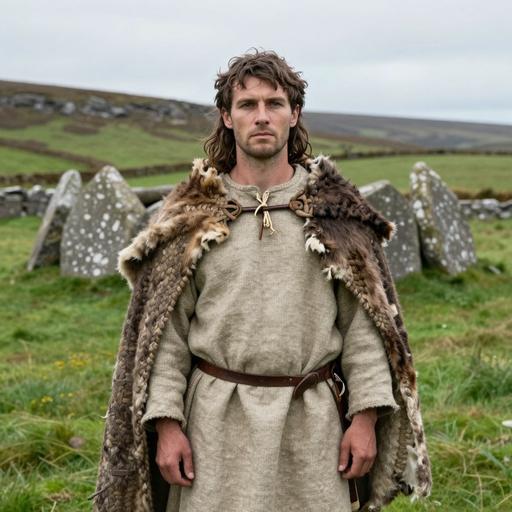
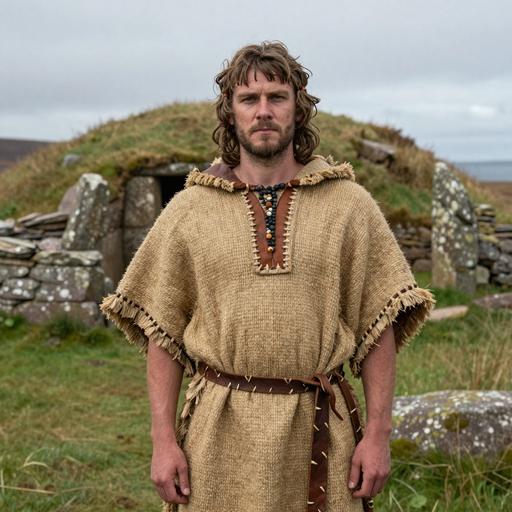
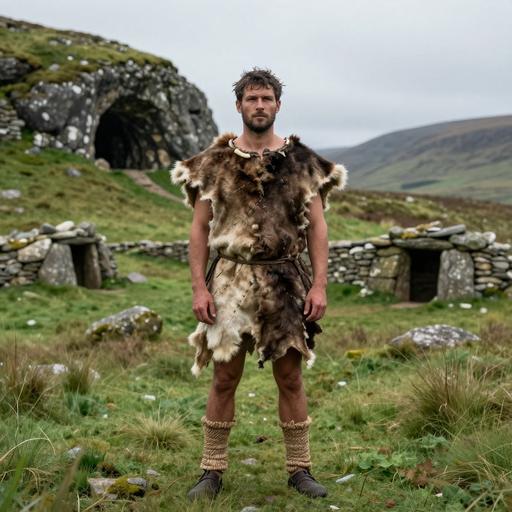
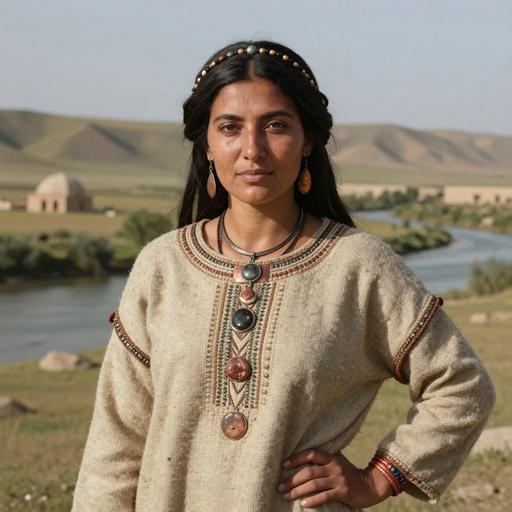
Portraits are AI-generated illustrations. Sample labels and accession IDs identify the reference records.

Portrait Sample Country Era Date Culture mtDNA Match
AI-generated illustrative portrait of Lazio Imperial Roman Roman individual, Centocelle, Italy (241-341 CE)
Sample ID: R47
Italy Imperial Rome 241-341 calCE (1765±15 BP, UCIAMS-198588) Roman Empire J1c1c Subclade
AI-generated illustrative portrait of Germanic individual, Bavaria. Altheim, Germany (250-650 CE)
Sample ID: Alh1
Germany Early Medieval Germany 250 CE - 650 CE Early Medieval German J1c7a Subclade
AI-generated illustrative portrait of Germanic individual, Bavaria. Altheim, Germany (250-650 CE)
Sample ID: Alh1
Germany The Germanic Tribes 250 CE - 650 CE J1c7a* Subclade
AI-generated illustrative portrait of Lazio Late Antiquity Roman individual, San Ercolano, Italy (400-600 CE)
Sample ID: R122
Italy Late Antiquity Italy 400-600 CE Late Roman J1c-a Subclade
AI-generated illustrative portrait of Nomadic Steppe Cultures individual, Tian Shan. Central Steppe, Kazakhstan (414-211 BCE)
Sample ID: DA223
Kazakhstan Kazakhstan Wusun 414 BCE - 211 BCE Wusun J1c5a-a3 Subclade
AI-generated illustrative portrait of Steppe Central Nomad individual, Tian Shan. Central Steppe, Kazakhstan (414-211 BCE)
Sample ID: DA223
Kazakhstan The Nomadic Empires of the Eurasian Steppe 414 BCE - 211 BCE J1c5a-a3 Subclade
AI-generated illustrative portrait of Norse individual, Saaremaa. Salme, Estonia (700-800 CE)
Sample ID: VK505
Estonia Early Viking Age Estonia 700 CE - 800 CE Viking J1b1a1b Subclade
AI-generated illustrative portrait of Viking individual, Saaremaa. Salme, Estonia (700-800 CE)
Sample ID: VK505
Estonia The Viking Age 700 CE - 800 CE J1b1a1b* Subclade
AI-generated illustrative portrait of Ancient Egyptian individual, Abusir-el Meleq, Egypt (787-546 BCE)
Sample ID: JK2134
Egypt Third Intermediate Period in Egypt 787 BCE - 546 BCE Third Intermediate J1d7* Subclade
AI-generated illustrative portrait of IA Tasmola Saka individual, East Kazakhstan Region. Tarbagatai District. Elek Sazy Plateau. Eleke Sazy II. mound 4, Kazakhstan (789-546 BCE)
Sample ID: ESZ001
Kazakhstan Iron Age Tasmola-Saka Culture, Kazakhstan 789-546 calBCE (2525?25 BP) Tasmola-Saka Culture J1b1a1-a Subclade
MATERNAL LINEAGE · ANCIENT DNA

Ancient lineage evidence map

Follow parent clades toward this branch and explore where ancient carriers were found.

Loading ancient observations…

Markers are archaeological find locations. A dashed connector is an uncertain, proposed geographic transition between consecutive branches supported by multiple dated observations; it is not an exact travel route, birthplace or proof of direct descent. Parent-clade samples may belong to other descendant branches. Gaps remain where evidence is insufficient. Sample dates differ from haplogroup formation dates.

Reference profile

Carrier Distribution Map

Geographic distribution of 55 ancient DNA samples (direct and subclade carriers of J1)

Subclade carrier
Time Period Filter
All Time Periods
Showing all samples
Reference profile

Temporal Distribution

Distribution of carriers across archaeological periods

Reference profile

Geographic Distribution

Counts by recorded sample country. These reflect the available reference selection, not population frequencies.

Reference profile

Country × Era Distribution

Compare recorded sample counts across countries and archaeological periods. Select a populated cell to inspect a sample.

Data

Data & Provenance

Source information and data quality

Last Updated 2026-02-09

Data Source

Classification, estimated dates and geographic context reflect the recorded reference data and may change as evidence is revised. Sample coverage is uneven; recorded locations and archaeological associations do not establish personal origin or cultural identity.

A haplogroup follows one maternal or paternal line. The branch prediction depends on which markers the DNA file contains. How our analysis works