Saltar al contenido principal
mtDNA · Materno linaje

L0F2A

mtDNA Haplogroup L0F2A

Un perfil de referencia de una rama de linaje. Compartir haplogrupos no demuestra una relación familiar ni una identidad cultural.

Perfil de referencia

Contexto de la rama

Contexto histórico de la rama de linaje mtDNA L0F2A

Origins and Evolution

mtDNA haplogroup L0f2a is a downstream branch of L0f2, itself nested within the broader L0f clade that diversified in eastern and southern Africa during the Early Holocene. Based on the position of L0f2a in the phylogeny relative to other L0f subclades and coalescent estimates for L0f2, L0f2a most plausibly arose approximately ~9 thousand years ago (kya) as small, locally structured maternal lineages diverged among foraging and early pastoral populations in the Horn Rift system and adjacent southern African regions.

Mutation patterns that define L0f2a are consistent with a regional expansion and persistence in small effective-size populations rather than a continent-wide sweeping demographic event. Its presence as a low-to-moderate frequency lineage in multiple neighboring populations indicates limited but recurrent female-mediated gene flow across ecological and cultural boundaries (forager–pastoralist–farmer interfaces).

Subclades (if applicable)

L0f2a is a terminal or near-terminal branch in many published trees and datasets, and published variation suggests limited further sub-structuring visible at current sampling densities. Where internal diversity exists, it often reflects geographic substructure (e.g., slightly different sequences in eastern Rift populations versus southern coastal groups). As sampling increases, minor sublineages of L0f2a may be identified that can clarify localized demographic histories, but currently L0f2a is treated as a recognizable subclade of L0f2 with modest internal diversity.

Geographical Distribution

L0f2a is primarily an East/Southern African maternal lineage with the following distributional characteristics:

  • Eastern Africa (Horn, Rift Valley, and adjacent highlands): The haplogroup shows its highest relative representation here, often in small percentages among diverse ethnolinguistic groups including some Ethiopian and Kenyan populations. This region likely contains important centers of early diversification for the lineage.
  • Southern Africa: Present at low-to-moderate frequency in some southern African populations, reflecting historical gene flow between eastern and southern hunter-gatherer and pastoral groups.
  • Bantu-speaking populations: Detected at low frequency in eastern and southern Bantu-speaking groups, reflecting admixture with local maternal lineages during and after the Bantu expansion.
  • Central African foragers and the African diaspora: Occurs at low frequency in central African forager groups and very rarely among African-descended populations in the Americas due to transatlantic dispersal.

The haplogroup has been reported in a small number of ancient DNA samples (three identified in the referenced database), supporting its antiquity and local persistence through the Holocene in parts of eastern and southern Africa.

Historical and Cultural Significance

While L0f2a is not associated with any pan-continental demographic replacement, its distribution and antiquity link it to Later Stone Age hunter-gatherer populations and later to early pastoral and agro-pastoral communities in eastern Africa. The haplogroup's pattern is consistent with:

  • Forager continuity: Persistence in small forager groups through the Holocene, maintaining deep maternal lineages in ecological refugia.
  • Pastoral interactions: Secondary transmission into pastoral and agro-pastoral groups (e.g., members of the Pastoral Neolithic and later pastoral societies), likely via localized intermarriage and assimilation.
  • Bantu-related admixture: Low-frequency introduction into expanding Bantu-speaking populations in eastern and southern Africa during the mid-late Holocene.

Because L0f2a is relatively rare and regionally localized, it is most useful for reconstructing fine-scale maternal histories (local continuity, female-mediated contact) rather than broad continent-wide migrations.

Conclusion

mtDNA L0f2a represents a modest but informative maternal lineage that arose in the Early Holocene within the L0f2 phylogenetic context in eastern/southern Africa. Its persistence in hunter-gatherer populations, transmission into pastoral communities, and low-level presence in Bantu-speaking groups and the African diaspora make it a marker of regional continuity and interaction rather than a signature of large-scale demographic replacement. Increased sequencing of modern and ancient samples across eastern and southern Africa will likely refine the phylogeny and geographic microstructure of L0f2a and its sublineages.

Puntos clave

  • Origins and Evolution
  • Subclades (if applicable)
  • Geographical Distribution
  • Historical and Cultural Significance
  • Conclusion
Perfil de referencia

Árbol y relaciones

Contexto filogenético y subclados

Trayectoria evolutiva

Sigue las ramas superiores registradas hasta L0F2A. Las fechas son estimaciones y pueden cambiar al revisarse los datos de referencia.

Pasos Haplogrupo Antigüedad estimada Época arqueológica Tiempo transcurrido Subclados inmediatos Portadores modernos analizados Referencias antiguas
1 L0F2A Actual ~9,000 years ago Neolithic 9,000 years 1 5 4
2 L0F2 ~10,000 years ago Neolithic 10,000 years 2 7 0
3 L0f ~40,000 years ago Paleolithic 40,000 years 2 12 3
4 L0A'B'F'G - - - 2 284 0
5 L0A'B'F'G'K - - - 2 287 0
6 L0 ~170,000 years ago Paleolithic 170,000 years 3 384 6
7 L ~160,000 years ago Paleolithic 160,000 years 2 32,236 5

Ramas hermanas (1)

Otras ramas del mismo haplogrupo superior

Perfil de referencia

En el mundo

Distribución geográfica y presencia moderna

Origen registrado

Southern/Eastern Africa

Distribución moderna

The populations where mtDNA haplogroup L0f haplogroup L0f2a is found include:

  1. Various East African groups (e.g., some Ethiopian, Kenyan and Tanzanian populations)
  2. Pastoralist and agro-pastoral communities in the Horn of Africa and Rift Valley-adjacent regions
  3. Southern African populations (low-to-moderate frequency, reflecting east–south gene flow)
  4. Some Bantu-speaking populations in eastern and southern Africa (low frequency)
  5. Central African forager groups (low frequency)
  6. African-descended populations in the Americas (rare, due to the transatlantic slave trade)
Contexto histórico

Una rama a través del tiempo

Formación estimada en una cronología histórica amplia. Los marcadores temporales aportan contexto y no implican relación con culturas concretas.

  1. ~10k años de antigüedad

    Revolución neolítica

    Inicio de la agricultura y formación de comunidades sedentarias

  2. ~9k años de antigüedad

    Haplogrupo L0F2A

    Formación estimada de esta rama de mtDNA; las fechas y ubicaciones son estimaciones de referencia.

    Esta rama
  3. ~5k años de antigüedad

    Edad del Bronce

    Metalurgia, escritura y primeras civilizaciones

  4. ~3k años de antigüedad

    Edad del Hierro

    Herramientas de hierro y ampliación de redes comerciales

  5. ~2.5k años de antigüedad

    Antigüedad clásica

    Desarrollo de las civilizaciones griega y romana

  6. Actualidad

    Actualidad

    Época moderna

Perfil de referencia

Contexto arqueológico

Asociaciones arqueológicas registradas para la rama mtDNA L0F2A

Asociaciones registradas

Estas etiquetas describen contextos arqueológicos registrados para las muestras de referencia enlazadas a L0F2A. Una asociación no demuestra que todos los portadores pertenecieran a una cultura ni siguieran una ruta migratoria concreta.

Fingira Culture Hora Culture Iron Age Pastoral Late Bronze Jordan Lukenya Hill Culture Makwasinyi Malawian LSA Pemba Phase I Tanzanian Prehistoric
Las atribuciones culturales se basan en el contexto arqueológico de las muestras de ADN antiguo y pueden representar asociaciones regionales de periodos concretos.
Perfil de referencia

Catálogo de muestras

3 portadores directos y 1 portador de un subclado del haplogrupo L0F2A

4 mostradas · 4 muestras coincidentes

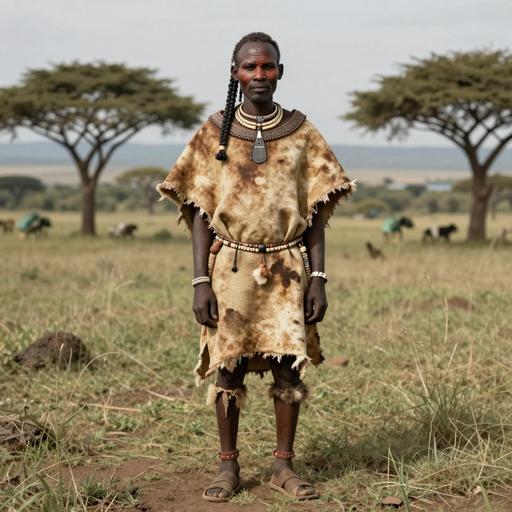
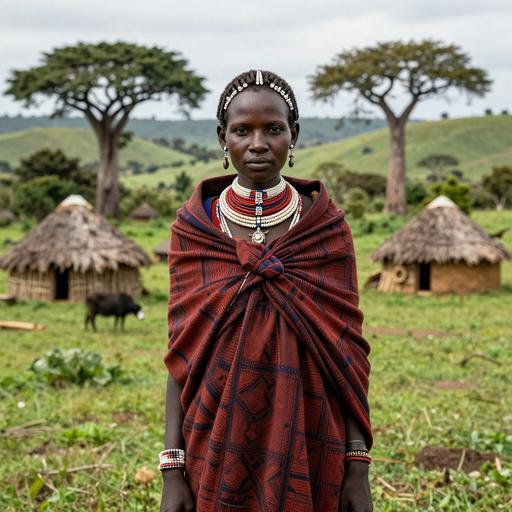
Los retratos son ilustraciones generadas con IA. Las etiquetas de muestra y los identificadores de acceso identifican los registros de referencia.

Retrato Muestra País Época Fecha Cultura mtDNA Coincidencia
Retrato ilustrativo de Nilotic individual, Nakuru. Ilkek Mounds. GsJj66, Kenya (772-950 BCE) generado con IA
Identificador de muestra: I8892
Kenya Kenya IA Pastoral 772 BCE - 950 BCE Iron Age Pastoral L0f2a Direct
Retrato ilustrativo de Africa East Pastoralist individual, Nakuru. Ilkek Mounds. GsJj66, Kenya (772-950 BCE) generado con IA
Identificador de muestra: I8892
Kenya Pastoralist Societies in East Africa 772 BCE - 950 BCE L0f2a Direct
Retrato ilustrativo de Swahili individual, Makwasinyi (Taita-Taveta), Kenya (1,650-1,950 CE) generado con IA
Identificador de muestra: I17405
Kenya Makwasinyi (Kenya) 1650-1950 CE Makwasinyi L0f2a Direct
Retrato ilustrativo de Pastoral N individual, Gishimangeda Cave, Tanzania (47-113 BCE) generado con IA
Identificador de muestra: I13977
Tanzania Prehistoric in Tanzania 47 calBCE - 113 calCE (2005±20 BP, PSUAMS-5652) Tanzanian Prehistoric L0f2a1 Subclado
MATERNAL LINAJE · ADN ANTIGUO

Mapa de pruebas de linajes antiguos

Sigue los clados superiores hasta esta rama y explora dónde se encontraron portadores antiguos.

Cargando observaciones antiguas...

Los marcadores son ubicaciones de hallazgos arqueológicos. Una línea discontinua representa una transición geográfica propuesta e incierta entre ramas consecutivas, apoyada en varias observaciones fechadas; no es una ruta de viaje exacta, un lugar de nacimiento ni una prueba de descendencia directa. Las muestras del clado parental pueden pertenecer a otras ramas descendientes. Se mantienen huecos cuando las pruebas son insuficientes. Las fechas de las muestras son distintas de las fechas de formación de los haplogrupos.

Perfil de referencia

Mapa de distribución de portadores

Distribución geográfica de muestras de ADN antiguo (4), portadores directos o de subclados de L0F2A

Portador directo Portador de un subclado
Filtro de periodo temporal
Todos los periodos
Mostrando todas las muestras
Perfil de referencia

Distribución temporal

Distribución de portadores por periodos arqueológicos

Perfil de referencia

Distribución geográfica

Recuentos por país registrado de las muestras. Reflejan la selección de referencia disponible, no frecuencias de población.

Perfil de referencia

Distribución por país y época

Compara los recuentos de muestras registradas por países y periodos arqueológicos. Selecciona una celda con datos para examinar una muestra.

Datos

Datos y procedencia

Información sobre las fuentes y la calidad de los datos

Última actualización 2026-02-16
Puntuación de confianza 50/100
Cobertura Low

Fuente de datos

La clasificación, las fechas estimadas y el contexto geográfico reflejan los datos de referencia registrados y pueden cambiar al revisarse las pruebas. La cobertura de muestras es desigual; las ubicaciones registradas y las asociaciones arqueológicas no establecen el origen personal ni la identidad cultural.