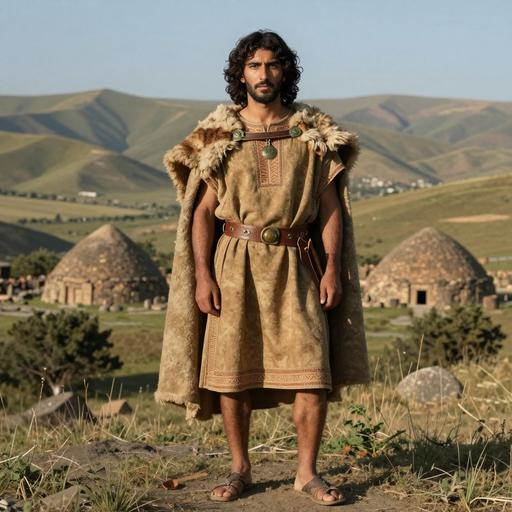
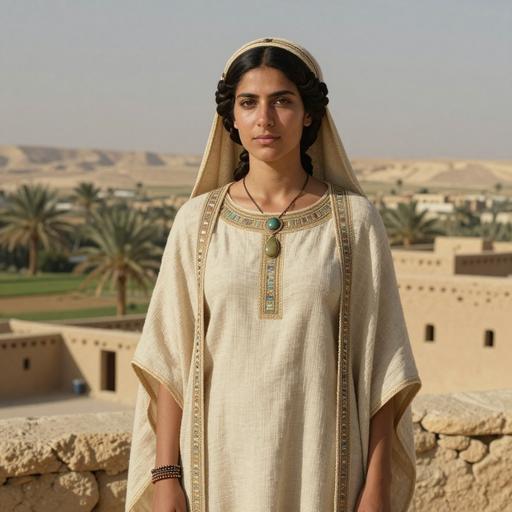
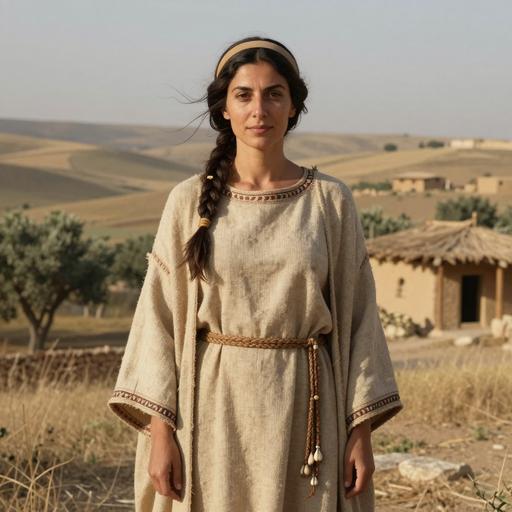
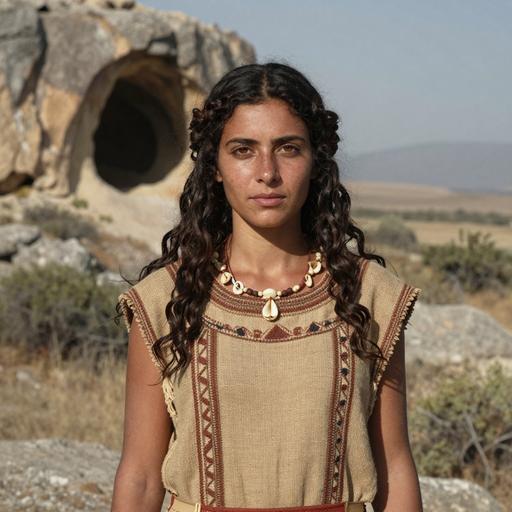
Un perfil de referencia de una rama de linaje. Compartir haplogrupos no demuestra una relación familiar ni una identidad cultural.
Perfil de referencia
Contexto de la rama
Contexto histórico de la rama de linaje mtDNA T1A
Origins and Evolution
mtDNA haplogroup T1A is a subclade of T1, itself a branch of haplogroup T within macrohaplogroup N. Based on its phylogenetic position under T1 and patterns seen in modern and ancient samples, T1A likely diversified in the Near East during the early Neolithic (around 9 kya) or shortly thereafter. The lineage expanded with Neolithic farmer movements into adjacent regions and underwent further regional diversification in Europe, North Africa, and parts of Central Asia.
Genetic studies and ancient DNA analyses indicate that T1 lineages, including T1A, are associated with demic diffusion of early agricultural populations from the Near East into Europe and North Africa, and later with historical population movements that redistributed maternal lineages across the Mediterranean and beyond.
Subclades
T1A itself contains downstream sublineages (often reported in the literature as T1a1, T1a2, etc., with differing nomenclature across studies). These subclades show additional geographic structure: some are more common in Europe (especially southern and eastern regions), others retain higher frequencies in the Near East and North Africa. The diversity of T1A subclades in a region is a useful indicator of either local continuity or multiple migration events bringing the lineage into that region.
Geographical Distribution
T1A today is most frequent and most diverse in the Near East, with moderate frequencies across the Mediterranean rim and lower frequencies into inland Europe and Central Asia. Key modern population occurrences include Middle Eastern groups, North African coastal populations, Southern and Eastern Europeans, and documented presence in Jewish maternal lineages (including several lineages found among Ashkenazi Jews). Ancient DNA has recovered T1/T1A-class lineages in a number of Neolithic and later archaeological contexts, consistent with spread during the Neolithic and persisting presence through subsequent eras. In many regions T1A is a minority haplogroup but contributes to the maternal signature of Neolithic-derived and Mediterranean populations.
Historical and Cultural Significance
The distribution of T1A aligns with major episodes in prehistory and history: the Neolithic agricultural expansion from the Near East into Europe and North Africa, and later historic-era migrations and demographic processes around the Mediterranean. The presence of T1A in Jewish communities likely reflects Near Eastern maternal ancestry with later founder and drift effects altering frequencies in specific diasporic groups. Because T1A occurs in both ancient farmer-associated contexts and in modern populations across the Mediterranean, it serves as a marker for maternal lineages that link Near Eastern origins with European and North African demographic history.
Conclusion
mtDNA haplogroup T1A is a Near Eastern-rooted maternal lineage that diversified during or shortly after the early Neolithic and dispersed with farming and later migrations into Europe, North Africa, and Central Asia. While typically not a majority lineage in any large modern population, its presence across multiple regions and in ancient DNA makes it a useful marker for tracing Neolithic and post-Neolithic maternal ancestry in the Mediterranean and adjacent regions.
Puntos clave
Origins and Evolution
Subclades
Geographical Distribution
Historical and Cultural Significance
Conclusion
Perfil de referencia
Árbol y relaciones
Contexto filogenético y subclados
Trayectoria evolutiva
Sigue las ramas superiores registradas hasta T1A. Las fechas son estimaciones y pueden cambiar al revisarse los datos de referencia.
The populations where mtDNA haplogroup T1A is found include:
Middle Eastern populations
North African populations (Mediterranean coast)
Southern European populations (Italy, Greece, Iberia)
Eastern European populations (Balkans, parts of the Black Sea region)
Central Asian populations (sporadic occurrence)
Jewish populations, notably some Ashkenazi maternal lineages
Contexto histórico
Una rama a través del tiempo
Formación estimada en una cronología histórica amplia. Los marcadores temporales aportan contexto y no implican relación con culturas concretas.
~10k años de antigüedad
Revolución neolítica
Inicio de la agricultura y formación de comunidades sedentarias
~9k años de antigüedad
Haplogrupo T1A
Formación estimada de esta rama de mtDNA; las fechas y ubicaciones son estimaciones de referencia.
Esta rama
~5k años de antigüedad
Edad del Bronce
Metalurgia, escritura y primeras civilizaciones
~3k años de antigüedad
Edad del Hierro
Herramientas de hierro y ampliación de redes comerciales
~2.5k años de antigüedad
Antigüedad clásica
Desarrollo de las civilizaciones griega y romana
Actualidad
Actualidad
Época moderna
Perfil de referencia
Contexto arqueológico
Asociaciones arqueológicas registradas para la rama mtDNA T1A
Asociaciones registradas
Estas etiquetas describen contextos arqueológicos registrados para las muestras de referencia enlazadas a T1A. Una asociación no demuestra que todos los portadores pertenecieran a una cultura ni siguieran una ruta migratoria concreta.
Alföld Linear PotteryArmenian NeolithicBulgarian NeolithicGhassulianLinear Pottery CulturePeloponnesian NeolithicPPNBTisza CultureVarna
Las atribuciones culturales se basan en el contexto arqueológico de las muestras de ADN antiguo y pueden representar asociaciones regionales de periodos concretos.
Perfil de referencia
Catálogo de muestras
10 portadores directos y 90 portadores de subclados del haplogrupo T1A
10 mostradas · 50 muestras coincidentes
Ninguna muestra coincide con estos filtros. Prueba otra etiqueta, ubicación o periodo.
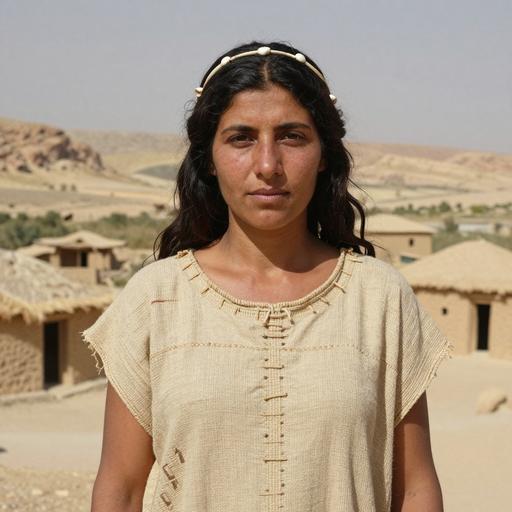
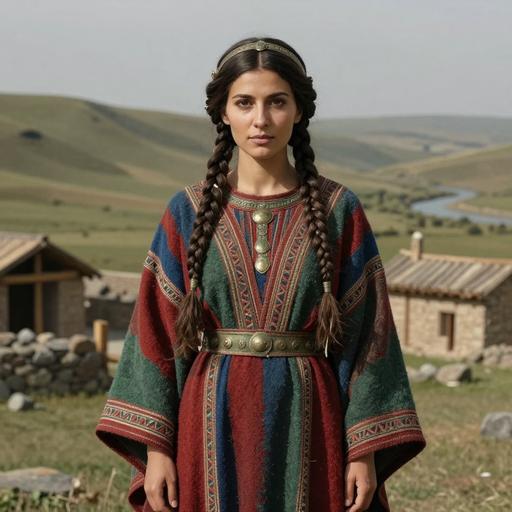
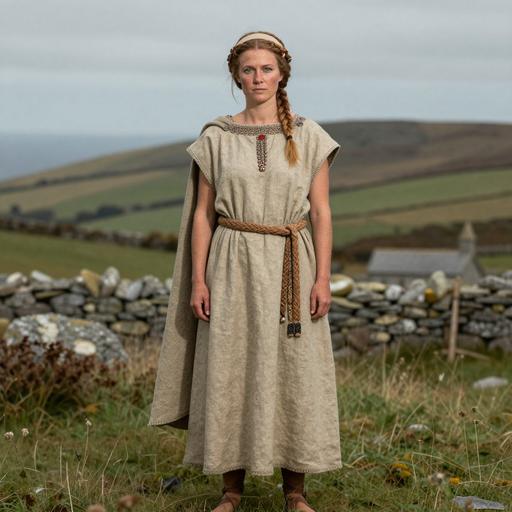
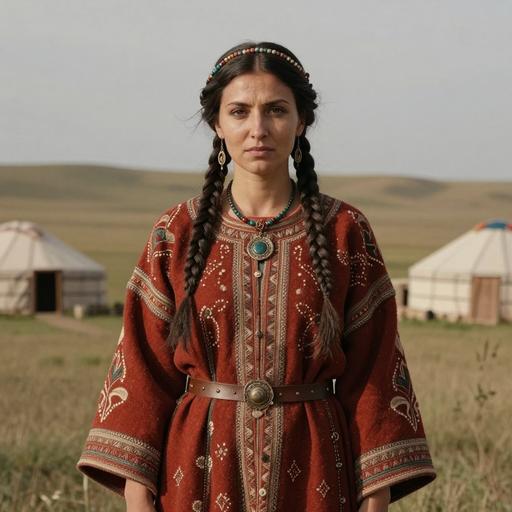
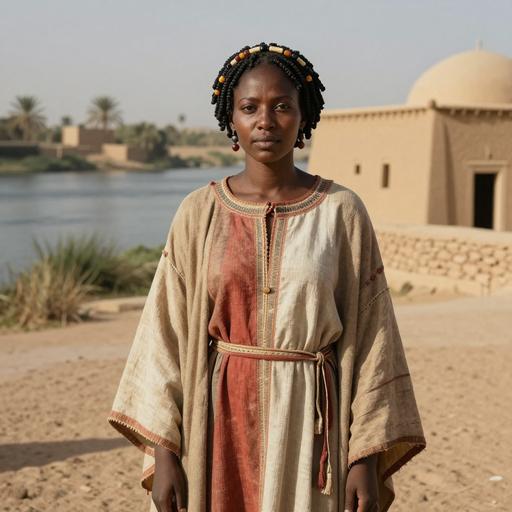
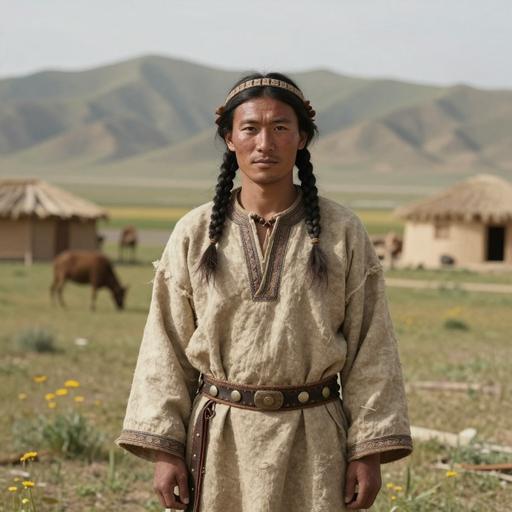
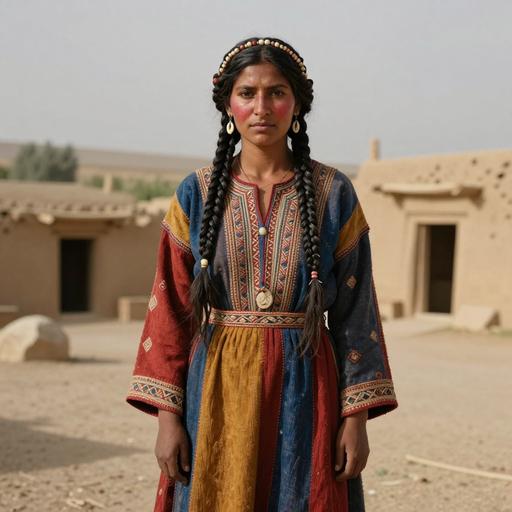
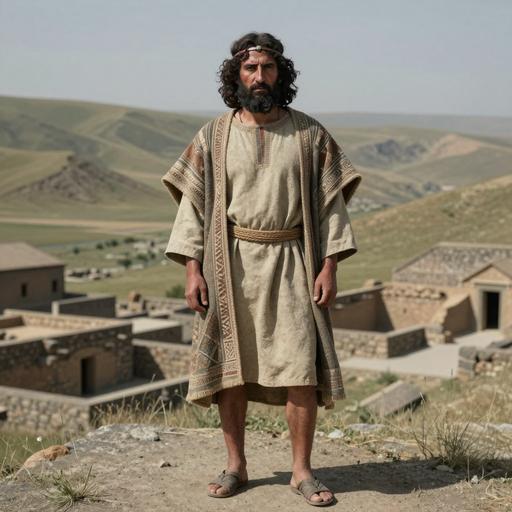
Los retratos son ilustraciones generadas con IA. Las etiquetas de muestra y los identificadores de acceso identifican los registros de referencia.
Retrato
Muestra
País
Época
Fecha
Cultura
mtDNA
Coincidencia
Identificador de muestra: VEN006
Italy
Basilicata Venosa Culture
600-800 CE
Venosa
T1a
Direct
Identificador de muestra: I19348
Armenia
Late Bronze Age Armenia
1400-900 BCE
Late Bronze Age Armenian
T1a
Direct
Identificador de muestra: I10097
Israel
Israel MLBA
1600-1500 BCE
Canaanite
T1a
Direct
Identificador de muestra: I10347
France
France EBA
1684-1503 calBCE (3310±35 BP, Poz-138294)
Early French Bronze Age
T1a
Direct
Identificador de muestra: I2870
India
India Roopkund B
1698-1910 calCE (30±20 BP, PSUAMS-5429)
Roopkund B Group
T1a
Direct
Identificador de muestra: I10264
Israel
Israel MLBA
1881-1697 calBCE (3470±20 BP, OS-139224)
Canaanite
T1a
Direct
Identificador de muestra: I7180
Israel
Israel MLBA
2000-1550 BCE
Canaanite
T1a
Direct
Identificador de muestra: I1882
Hungary
Hungary MN LBK
5300-4900 BCE
Linear Pottery Culture
T1a
Direct
Identificador de muestra: I3708
Greece
Greece Peloponnese N
5500-3600 BCE
Peloponnesian Neolithic
T1a
Direct
Identificador de muestra: I1704
Jordan
Jordan PPNB
7451 BCE - 7056 BCE
PPNB
T1a
Direct
Identificador de muestra: R131
Italy
Imperial Rome
1-200 CE
Roman Empire
T1a12
Subclado
Identificador de muestra: I20437
Armenia
Late Bronze Age to Early Iron Age Armenia
157 calBCE - 7 calCE (2065±20 BP, PSUAMS-8417)
Armenian LBA-EIA
T1a9
Subclado
Identificador de muestra: I19869
United Kingdom
England LIA
175 calBCE - 8 calCE (2080±30 BP, SUERC-40286)
British Late Iron Age
T1a1
Subclado
Identificador de muestra: I19870
United Kingdom
England LIA
200-1 BCE
British Late Iron Age
T1a1
Subclado
Identificador de muestra: C393
China
Historical Period Hetian, Xinjiang, China
200-400 CE
Hetian Culture
T1a1
Subclado
Identificador de muestra: I16386
United Kingdom
Middle to Late Iron Age England
300 BCE - 100 CE
Late Iron Age British
T1a1
Subclado
Identificador de muestra: I16450
United Kingdom
Middle to Late Iron Age England
300 BCE - 100 CE
Late Iron Age British
T1a1
Subclado
Identificador de muestra: I16457
United Kingdom
Middle to Late Iron Age England
300 BCE - 100 CE
Late Iron Age British
T1a1
Subclado
Identificador de muestra: I14987
Czech Republic
Iron Age La Tène Culture, Czech Republic
350-250 BCE
La Tène Culture
T1a1
Subclado
Identificador de muestra: I20625
United Kingdom
Middle to Late Iron Age England
343-49 calBCE (2120±30 BP, SUERC-31498)
Late Iron Age British
T1a1
Subclado
Identificador de muestra: CHN001
Mongolia
Early Iron Age to Xiongnu to Late Medieval Uvs, Mongolia
356 BCE - 173 BCE
Uvs Multi-Period
T1a1
Subclado
Identificador de muestra: I5728
Croatia
Croatia EIA
361-200 calBCE (2210±15 BP, PSUAMS-2870)
Croatian Iron Age
T1a5
Subclado
Identificador de muestra: SEI-5
Hungary
Hungary Hun
350-500 CE
Hun Culture
T1a1
Subclado
Identificador de muestra: SEI-1
Hungary
Hungary Hun
350-500 CE
Hun Culture
T1a1
Subclado
Identificador de muestra: I13727
United Kingdom
England MIA
389-208 calBCE (2249±20 BP, SUERC-41926)
Middle Iron Age British
T1a1
Subclado
Identificador de muestra: I14807
United Kingdom
England MIA
391-204 calBCE (2247±30 BP, SUERC-95018)
Middle Iron Age British
T1a1
Subclado
Identificador de muestra: I7027
Mongolia
Mongolia EIA Sagly 4
398 BCE - 228 BCE
Sagly Culture
T1a1
Subclado
Identificador de muestra: R36
Italy
Late Antiquity Italy
400-600 CE
Late Roman
T1a1
Subclado
Identificador de muestra: I5504
United Kingdom
Anglian Period East Yorkshire, England
400-800 CE
Anglian
T1a1
Subclado
Identificador de muestra: C1360
China
China Xinjiang Jirentaigoukou EIA
450-200 BCE
Early Iron Age Chinese
T1a1
Subclado
Identificador de muestra: SZ2
Hungary
Langobard Period Hungary
400-650 CE
Langobard Culture
T1a1
Subclado
Identificador de muestra: BSB003
Kazakhstan
Iron Age Sarmatian, Kazakhstan
500-200 BCE
Sarmatian Culture
T1a1
Subclado
Identificador de muestra: I15462
Croatia
Croatia Medieval
677-824 calCE (1256±17 BP, MAMS-38379)
Croatian Medieval
T1a1
Subclado
Identificador de muestra: I6333
Sudan
Early Christian Era in Sudan
682-878 calCE (1240±22 BP, UGAMS-34399)
Nubian Christian
T1a7
Subclado
Identificador de muestra: OLN002
Mongolia
Mongolia Arkhangai EarlyMedieval
700-1000 CE
Early Medieval Mongolian
T1a1
Subclado
Identificador de muestra: I5690
Slovenia
Slovenia EIA
763-425 calBCE (2470±25 BP, KIA-37315)
Hallstatt Culture
T1a1
Subclado
Identificador de muestra: OLN003
Mongolia
Mongolia Arkhangai EarlyMedieval
772-950 calCE (1166±15 BP, GrM-12924)
Early Medieval Mongolian
T1a1
Subclado
Identificador de muestra: BSB001
Kazakhstan
Iron Age Sarmatian, Kazakhstan
773-541 calBCE (2493±24 BP)
Sarmatian Culture
T1a1
Subclado
Identificador de muestra: C4272
China
China Xinjiang Abusanteer IA
800-200 BCE
Abusanteer Culture
T1a1
Subclado
Identificador de muestra: C4131
China
China Xinjiang Abusanteer IA
789-544 calBCE
Abusanteer Culture
T1a1
Subclado
Identificador de muestra: SE-64
Hungary
Conqueror Elite Hungary
950-1000 CE
Magyar Elite Culture
T1a1
Subclado
Identificador de muestra: I25507
Hungary
Hungary EIA
978-831 calBCE (2760±20 BP, PSUAMS-10140)
Early Hungarian Iron Age
T1a5
Subclado
Identificador de muestra: I12979
Pakistan
The Loebanr Iron Age Culture of Pakistan
1000-800 BCE
Loebanr Culture
T1a1
Subclado
Identificador de muestra: I13220
Pakistan
The Loebanr Iron Age Culture of Pakistan
1000-800 BCE
Loebanr Culture
T1a1
Subclado
Identificador de muestra: TSA001
Mongolia
Mongolia Dornod LateMedieval
1000-1500 CE
Late Medieval Mongolian
T1a1
Subclado
Identificador de muestra: I14648
Turkey
Southeast Byzantine Turkey
1031-1158 calCE (955±20 BP, PSUAMS-6840)
Byzantine Anatolia
T1a7
Subclado
Identificador de muestra: I14620
Armenia
Late Bronze Age to Early Iron Age Armenia
1042-906 calBCE (2815±20 BP, PSUAMS-7158)
Armenian LBA-EIA
T1a1
Subclado
Identificador de muestra: I13781
Czech Republic
Late Bronze Age to Iron Age Knoviz-Hallstatt Culture, Czech Republic
1117-931 calBCE (2860±25 BP, PSUAMS-10016)
Knoviz-Hallstatt Culture
T1a1
Subclado
Identificador de muestra: I7628
United Kingdom
England LBA
1212-983 calBCE (2895±35 BP, SUERC-25541)
British Late Bronze Age
T1a1
Subclado
Identificador de muestra: R52
Italy
Medieval to Early Modern Italy
1280 CE - 1430 CE
Medieval Italian
T1a1
Subclado
Identificador de muestra: VEN006
Basilicata Venosa Culture - Italy - Basilicata. Potenza. Venosa
Italy Basilicata Venosa Culture 600-800 CE
T1aDirect
Identificador de muestra: I19348
Late Bronze Age Armenia - Armenia - Karashamb Cemetery
Armenia Late Bronze Age Armenia 1400-900 BCE
T1aDirect
Identificador de muestra: I10097
Middle to Late Bronze Age Israel - Israel - Megiddo. Jezreel Valley
Israel Israel MLBA 1600-1500 BCE
T1aDirect
Identificador de muestra: I10347
Early Bronze Age France - France - Lauzet-Ubaye. Villard
France France EBA 1684-1503 calBCE (3310±35 BP, Poz-138294)
T1aDirect
Identificador de muestra: I2870
Roopkund Skeletons B - India - Uttaranchal. Himalaya. Roopkund
India India Roopkund B 1698-1910 calCE (30±20 BP, PSUAMS-5429)
T1aDirect
Identificador de muestra: I10264
Middle to Late Bronze Age Israel - Israel - Megiddo. Jezreel Valley
Israel Israel MLBA 1881-1697 calBCE (3470±20 BP, OS-139224)
Late Bronze Age to Early Iron Age Armenia - Armenia - Bagheri Tchala Archaeological Complex
Armenia Late Bronze Age to Early Iron Age Armenia 1042-906 calBCE (2815±20 BP, PSUAMS-7158)
T1a1Subclado
Identificador de muestra: I13781
Late Bronze Age to Iron Age Knoviz-Hallstatt Culture, Czech Republic - Czech Republic - NW Bohemia. Teplice. Bílina (Rudiay I/Maxim Gorkij)
Czech Republic Late Bronze Age to Iron Age Knoviz-Hallstatt Culture, Czech Republic 1117-931 calBCE (2860±25 BP, PSUAMS-10016)
T1a1Subclado
Identificador de muestra: I7628
Late Bronze Age England - United Kingdom - England. Bedfordshire. Biddenham Loop
United Kingdom England LBA 1212-983 calBCE (2895±35 BP, SUERC-25541)
T1a1Subclado
Identificador de muestra: R52
Medieval to Early Modern Italy - Italy - Villa Magna
Italy Medieval to Early Modern Italy 1280 CE - 1430 CE
T1a1Subclado
MATERNAL LINAJE · ADN ANTIGUO
Mapa de pruebas de linajes antiguos
Sigue los clados superiores hasta esta rama y explora dónde se encontraron portadores antiguos.
Cargando observaciones antiguas...
La reducción de movimiento está activada. Utiliza la cronología o Mostrar todo para explorar a tu ritmo.
Leer las observaciones en una tabla
Observaciones antiguas visibles por rama, periodo y punto medio de la fecha
Rama
Periodo
Intervalo de fechas
Muestra
Identificador de muestra
Ubicación
Haplogrupo
Relación
Los marcadores son ubicaciones de hallazgos arqueológicos. Una línea discontinua representa una transición geográfica propuesta e incierta entre ramas consecutivas, apoyada en varias observaciones fechadas; no es una ruta de viaje exacta, un lugar de nacimiento ni una prueba de descendencia directa. Las muestras del clado parental pueden pertenecer a otras ramas descendientes. Se mantienen huecos cuando las pruebas son insuficientes. Las fechas de las muestras son distintas de las fechas de formación de los haplogrupos.
La agrupación por periodo histórico refleja cuándo vivió cada individuo antiguo y combina todas las ramas de esta cadena de linajes; no es una secuencia migratoria ni una cronología personal entre periodos.
Perfil de referencia
Mapa de distribución de portadores
Distribución geográfica de muestras de ADN antiguo (100), portadores directos o de subclados de T1A
Portador directo Portador de un subclado
Filtro de periodo temporal
Todos los periodos
Mostrando todas las muestras
Perfil de referencia
Distribución temporal
Distribución de portadores por periodos arqueológicos
Perfil de referencia
Distribución geográfica
Recuentos por país registrado de las muestras. Reflejan la selección de referencia disponible, no frecuencias de población.
Perfil de referencia
Distribución por país y época
Compara los recuentos de muestras registradas por países y periodos arqueológicos. Selecciona una celda con datos para examinar una muestra.
Datos
Datos y procedencia
Información sobre las fuentes y la calidad de los datos
Última actualización2026-02-16
Puntuación de confianza50/100
CoberturaLow
Fuente de datos
La clasificación, las fechas estimadas y el contexto geográfico reflejan los datos de referencia registrados y pueden cambiar al revisarse las pruebas. La cobertura de muestras es desigual; las ubicaciones registradas y las asociaciones arqueológicas no establecen el origen personal ni la identidad cultural.