Saltar al contenido principal
mtDNA · Materno linaje

U5A1A1

mtDNA Haplogroup U5A1A1

Un perfil de referencia de una rama de linaje. Compartir haplogrupos no demuestra una relación familiar ni una identidad cultural.

Perfil de referencia

Contexto de la rama

Contexto histórico de la rama de linaje mtDNA U5A1A1

Origins and Evolution

U5a1a1 is a downstream branch of the well‑established European maternal clade U5a1a, itself part of the older haplogroup U5 which is one of the principal mtDNA lineages associated with European Mesolithic hunter‑gatherers. Based on phylogenetic position and available ancient DNA, U5a1a1 likely diversified in northern or northeastern Europe in the early Holocene (around ~12 kya), during the period of post‑glacial recolonization when human groups expanded into formerly glaciated regions. The clade shows patterns consistent with origin in localized Mesolithic populations followed by varying degrees of persistence, drift, and limited spread in subsequent millennia.

Genomic surveys and ancient DNA studies have identified this lineage in multiple archaeological contexts; in the dataset referenced here it appears in 71 ancient samples, supporting continuity of maternal ancestry from Mesolithic/early Holocene contexts into later prehistoric and historic populations in northern Europe.

Subclades (if applicable)

U5a1a1 is itself a terminal or near‑terminal subclade beneath U5a1a. As a downstream branch, it is defined by a set of control‑region and coding‑region variants that differentiate it from sibling lineages within U5a1a. Subclade diversity within U5a1a1 is generally lower than in older U5 branches, consistent with a more recent origin and localized demographic history (founder effects and drift in northern populations such as the Saami). Ongoing high‑resolution sequencing (complete mitogenomes) continues to refine internal branching and geographic structuring of U5a1a1.

Geographical Distribution

The modern and ancient geographic distribution of U5a1a1 is concentrated in Northern and Northeastern Europe, with presence extending at lower frequencies into Central and Western Europe and sporadic detections further afield (Caucasus, parts of North Africa). Key features of the distribution include:

  • High representation in northern Scandinavian populations and among the Saami, where founder effects and genetic drift have elevated particular U5 sublineages.
  • Moderate frequencies in Baltic and northwestern Russian populations, reflecting continuity of Mesolithic and post‑glacial maternal lineages in these areas.
  • Lower, scattered frequencies in Central and Western Europe, and occasional presence in the Caucasus and North Africa, likely reflecting later movements, gene flow, or sampling of historically admixed groups.

This pattern matches expectations for a lineage that arose during post‑glacial recolonization of northern Europe and subsequently persisted in situ with limited long‑distance dispersal compared with some farmer‑associated mtDNA lineages.

Historical and Cultural Significance

U5a1a1 serves as a useful maternal marker for studies of post‑glacial recolonization, Mesolithic hunter‑gatherer continuity, and regional demographic events in northern Europe. Its persistence through the Neolithic and into later periods contrasts with the spread of farmer‑associated mtDNA haplogroups (such as H, J, T) and is commonly interpreted as evidence for maternal continuity of local forager communities even as autosomal ancestry and paternal lineages were reshaped by migrations.

In particular, elevated frequencies of U5a1a1 (and related U5 subclades) among the Saami and other northern groups reflect founder effects and genetic drift associated with small, relatively isolated populations, as well as possible continuity from local Mesolithic populations. While U5a1a1 is less strongly linked to major Bronze Age migrations like Yamnaya expansions than some other maternal lineages, it appears sporadically in a range of archaeological contexts, indicating survival through multiple cultural transitions (Mesolithic → Neolithic → Bronze/Iron Age).

Conclusion
mtDNA U5a1a1 is a northern European, early Holocene maternal lineage that encapsulates aspects of Europe’s Mesolithic maternal heritage. Its distribution — concentrated in Scandinavia and parts of northeastern Europe with lower occurrences elsewhere — and its representation in ancient samples make it an informative marker for tracing local continuity, founder events, and regional demographic history in northern Eurasia. Continued mitogenome sequencing and ancient DNA sampling will further clarify its internal structure and historical movements.

Puntos clave

  • Origins and Evolution
  • Subclades (if applicable)
  • Geographical Distribution
  • Historical and Cultural Significance
  • Conclusion

Perfil de referencia

Árbol y relaciones

Contexto filogenético y subclados

Trayectoria evolutiva

Sigue las ramas superiores registradas hasta U5A1A1. Las fechas son estimaciones y pueden cambiar al revisarse los datos de referencia.


Pasos Haplogrupo Antigüedad estimada Época arqueológica Tiempo transcurrido Subclados inmediatos Portadores modernos analizados Referencias antiguas
1 U5A1A1 Actual ~12,000 years ago Neolithic 12,000 years 7 172 0
2 U5A1A ~12,000 years ago Neolithic 12,000 years 3 225 78
3 U5a1 ~18,000 years ago Mesolithic 18,000 years 9 521 0
4 U5a ~17,000 years ago Mesolithic 17,000 years 2 659 110
5 U5A'B - - - 2 1,339 0
6 U5 ~35,000 years ago Paleolithic 35,000 years 1 1,339 142
7 U ~46,000 years ago Paleolithic 46,000 years 5 5,557 110
8 R ~55,000 years ago Paleolithic 55,000 years 17 22,830 57
9 NA - - - 1 22,830 0
10 N ~60,000 years ago Paleolithic 60,000 years 16 26,150 13
11 L3 ~70,000 years ago Paleolithic 70,000 years 7 30,162 6
12 L3'4 - - - 2 30,212 0
13 L3'4'6 - - - 2 30,216 0
14 L2'3'4'6 - - - 2 31,333 0
15 L2'3'4'5'6'7 - - - 2 31,349 0
16 L1'2'3'4'5'6'7 - - - 2 31,852 0
17 L ~160,000 years ago Paleolithic 160,000 years 2 32,236 5

Ramas hermanas (2)

Otras ramas del mismo haplogrupo superior

Perfil de referencia

En el mundo

Distribución geográfica y presencia moderna

Origen registrado

Northern / Eastern Europe

Distribución moderna

The populations where mtDNA haplogroup U5a1a1 is found include:

  1. Northern European populations (Scandinavia, Saami)
  2. Eastern European populations (Baltic peoples, northwestern Russia)
  3. Central and Western European populations (at moderate frequencies)
  4. Caucasus populations (low to moderate frequencies)
  5. North African populations (sporadic, low frequency)
Contexto histórico

Una rama a través del tiempo

Formación estimada en una cronología histórica amplia. Los marcadores temporales aportan contexto y no implican relación con culturas concretas.

  1. ~12k años de antigüedad

    Haplogrupo U5A1A1

    Formación estimada de esta rama de mtDNA; las fechas y ubicaciones son estimaciones de referencia.

    Esta rama
  2. ~10k años de antigüedad

    Revolución neolítica

    Inicio de la agricultura y formación de comunidades sedentarias

  3. ~5k años de antigüedad

    Edad del Bronce

    Metalurgia, escritura y primeras civilizaciones

  4. ~3k años de antigüedad

    Edad del Hierro

    Herramientas de hierro y ampliación de redes comerciales

  5. ~2.5k años de antigüedad

    Antigüedad clásica

    Desarrollo de las civilizaciones griega y romana

  6. Actualidad

    Actualidad

    Época moderna

Perfil de referencia

Contexto arqueológico

Asociaciones arqueológicas registradas para la rama mtDNA U5A1A1

Asociaciones registradas

Estas etiquetas describen contextos arqueológicos registrados para las muestras de referencia enlazadas a U5A1A1. Una asociación no demuestra que todos los portadores pertenecieran a una cultura ni siguieran una ruta migratoria concreta.

Afanasievo Bulgaria_GoljamataMogila_EBA_Yamnaya Germany_EBA_Afanasievo Russia_Altai_Eneolithic_Afanasievo Russia_AltaiKrai_Afanasievo Russia_Saratov_EBA_IA_c_Yamnaya Russia_Saratov_Eneolithic Russia_Saratov_Eneolithic_Khvalynsk Ukraine_Odesa_Eneolithic_Usatove Usatove Yamnaya Culture
Las atribuciones culturales se basan en el contexto arqueológico de las muestras de ADN antiguo y pueden representar asociaciones regionales de periodos concretos.
Perfil de referencia

Catálogo de muestras

73 portadores directos y 27 portadores de subclados del haplogrupo U5A1A1

10 mostradas · 50 muestras coincidentes

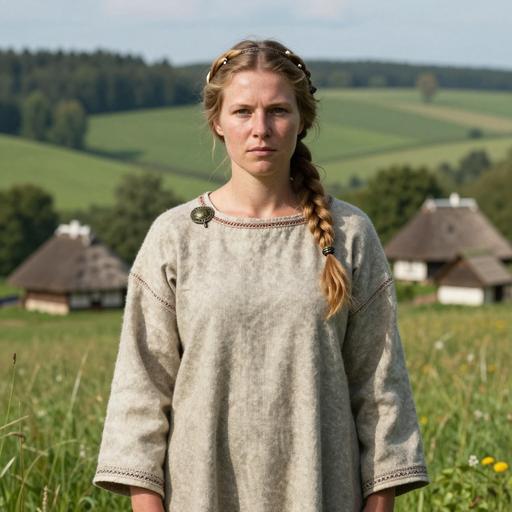
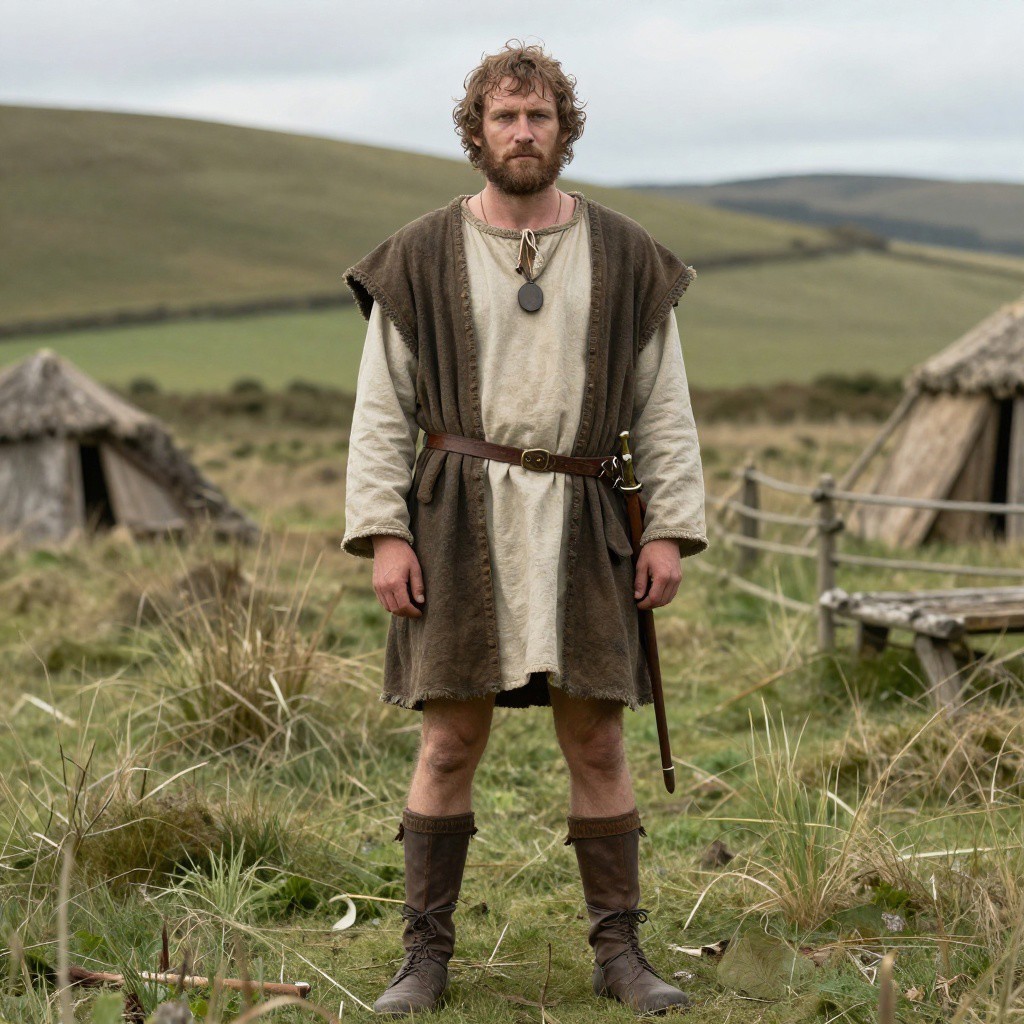
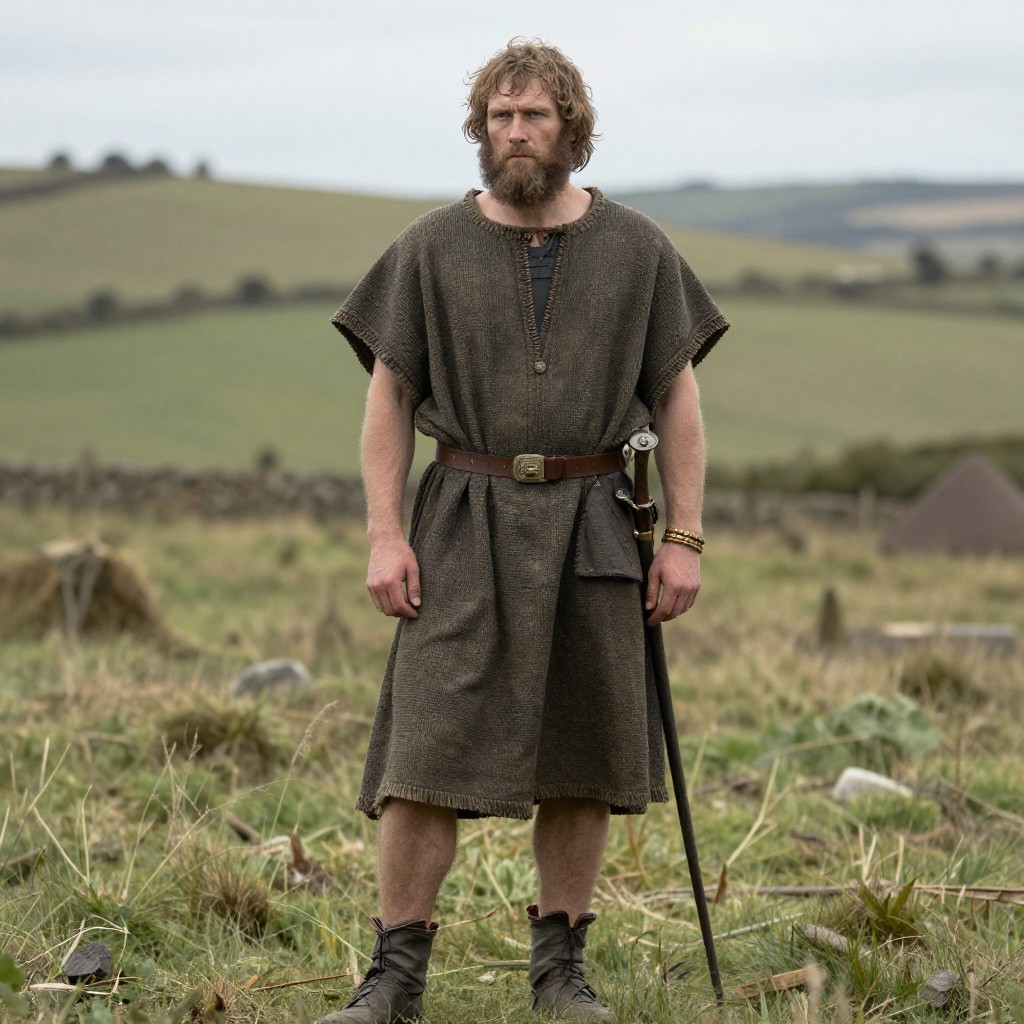
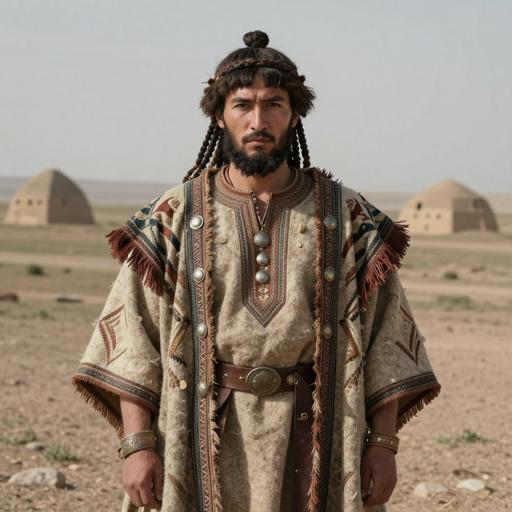
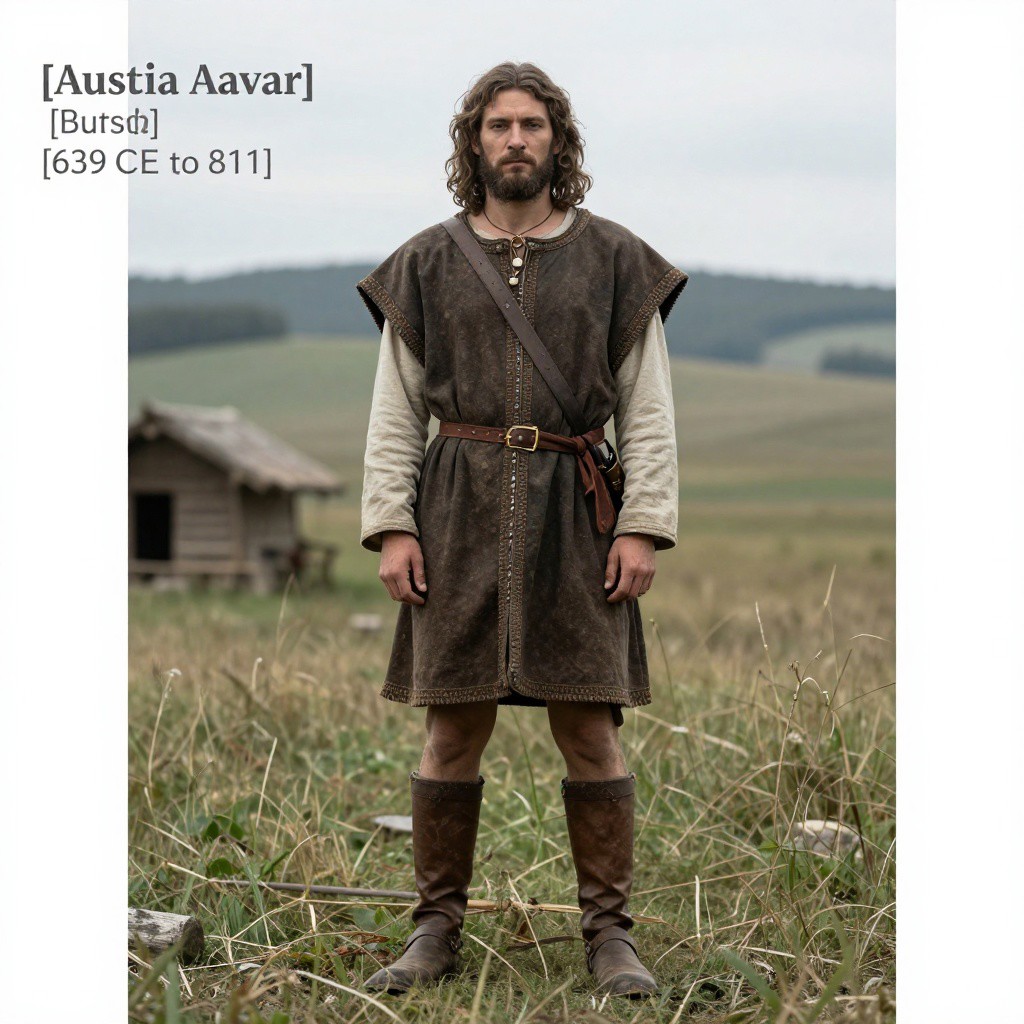
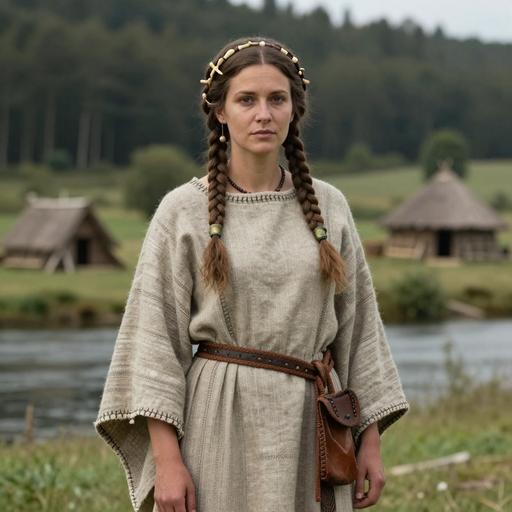
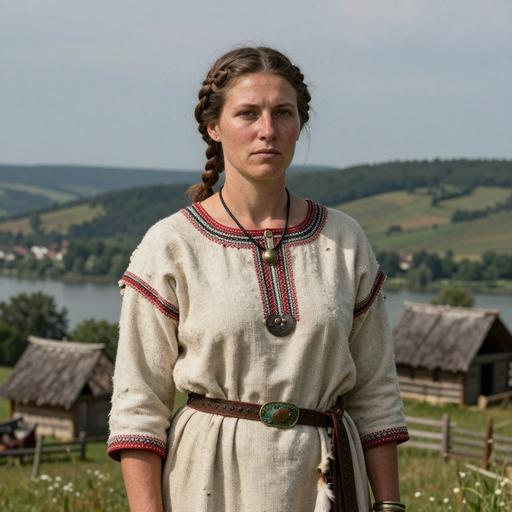
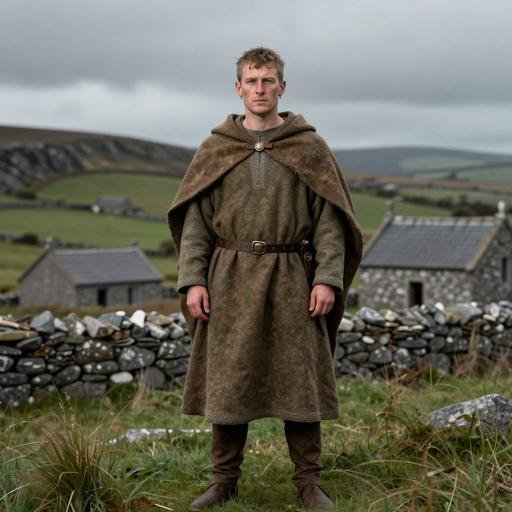
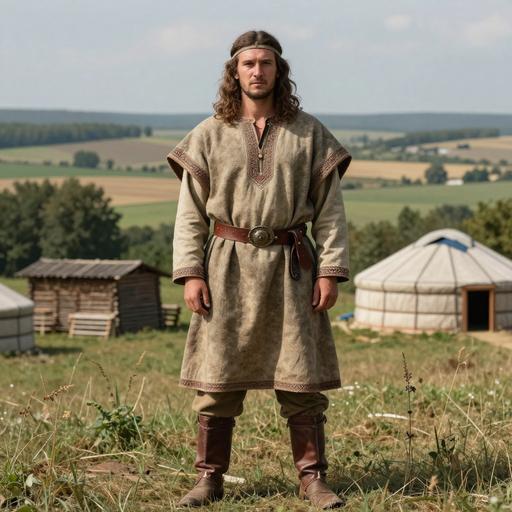
Los retratos son ilustraciones generadas con IA. Las etiquetas de muestra y los identificadores de acceso identifican los registros de referencia.

Retrato Muestra País Época Fecha Cultura mtDNA Coincidencia
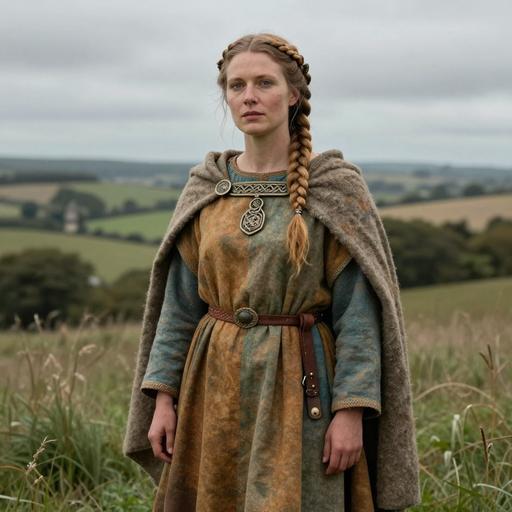
Retrato ilustrativo de IA Wielbark individual, Kowalewko (Greater Poland Province, Oborniki), Poland (16-141 CE) generado con IA
Identificador de muestra: PCA0052
Poland Wielbark Culture 150-1 BCE Wielbark U5a1a1 Direct
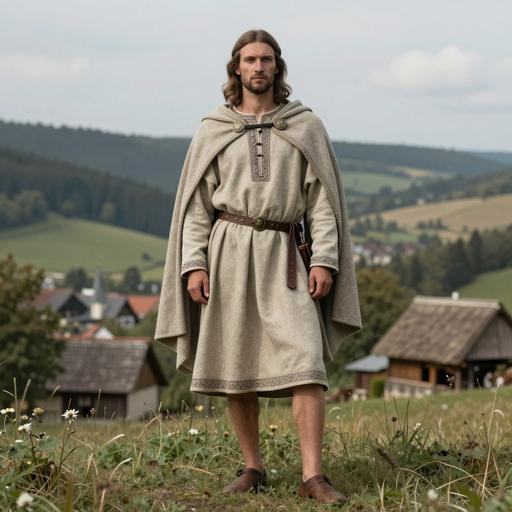
Retrato ilustrativo de Imperial Roman-o Africa individual, Girona. Empuries. necropolis Centre de Visitants, Spain (100-200 CE) generado con IA
Identificador de muestra: I10865
Spain Roman Period Spain 100-200 CE Roman Hispania U5a1a1 Direct
Retrato ilustrativo de IA Przeworsk individual, Gaski (Kuyavian-Pomeranian Province, Inowrocław County, Gniewkowo), Poland (100-300 CE) generado con IA
Identificador de muestra: PCA0012
Poland Przeworsk Culture 100-300 CE Przeworsk U5a1a1 Direct
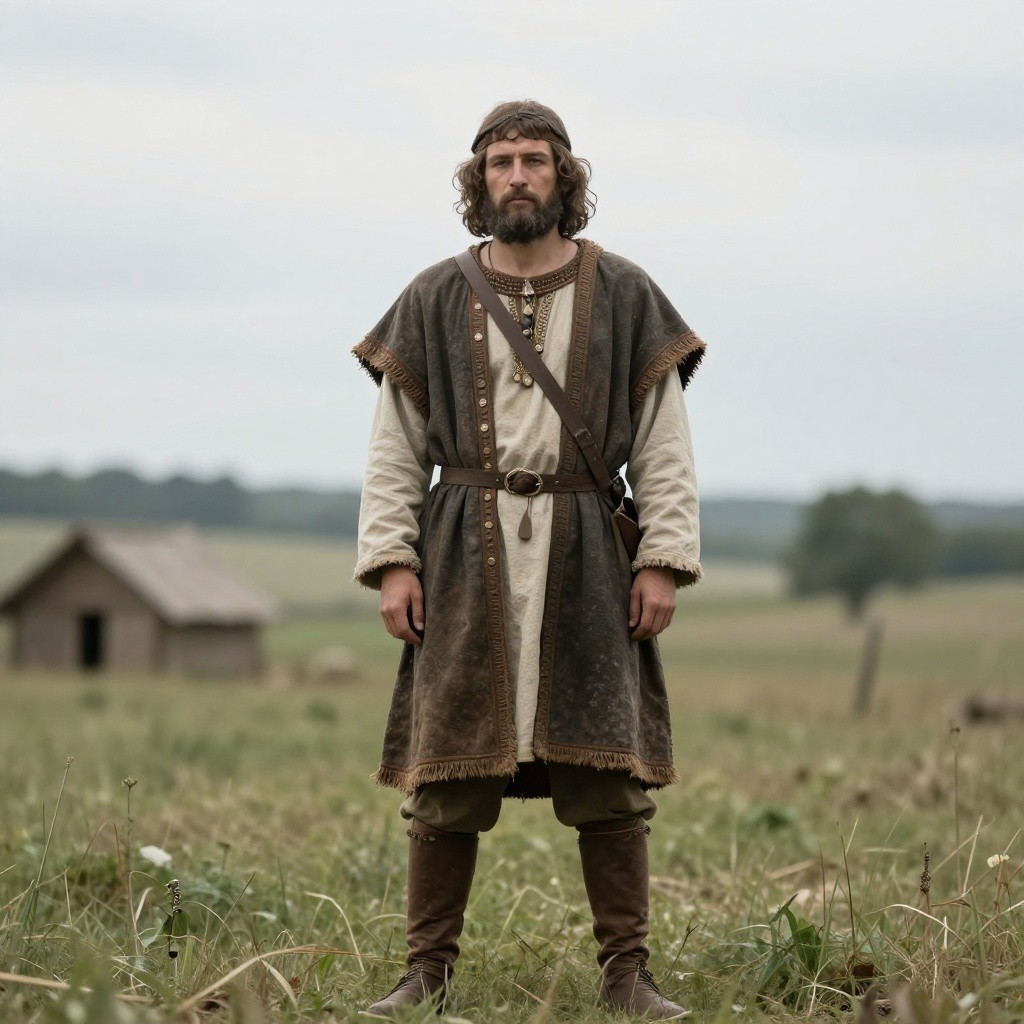
Retrato ilustrativo de England IA individual, Winterbourne Kingston (England, Dorset), United Kingdom (112 BCE-56 CE) generado con IA
Identificador de muestra: WBK06
United Kingdom England IA 147 calBCE - 61 calCE (2037±27 BP, UBA-45876) British Iron Age U5a1a1 Direct
Retrato ilustrativo de England IA individual, Winterbourne Kingston (England, Dorset), United Kingdom (150 BCE-38 CE) generado con IA
Identificador de muestra: WBK18
United Kingdom England IA 154 calBCE - 20 calCE (2054±27 BP, UBA-45888) British Iron Age U5a1a1 Direct
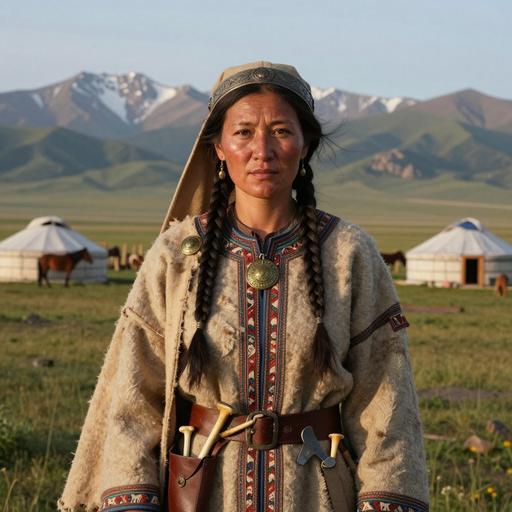
Retrato ilustrativo de LIA-o individual, South Kazakhstan. Otrar. Konyrtobe Burial Ground. mound 1, Kazakhstan (255-402 CE) generado con IA
Identificador de muestra: KNT005
Kazakhstan Late Iron Age Kazakhstan 255-402 calCE (1724±12 BP) Late Iron Age U5a1a1 Direct
Retrato ilustrativo de England Roman individual, Winterbourne Kingston (England, Dorset), United Kingdom (280-548 CE) generado con IA
Identificador de muestra: WBK26
United Kingdom Roman England 260-538 calCE (1655±38 BP, UBA-29853) Romano-British U5a1a1 Direct
Retrato ilustrativo de Nordic Bronze Age individual, Isokyro. Levanluhta, Finland (300-800 CE) generado con IA
Identificador de muestra: JK1968
Finland Finland Levanluhta 300 CE - 800 CE Levanluhta U5a1a1 Direct
Retrato ilustrativo de Nordic Bronze Age individual, Isokyro. Levanluhta, Finland (300-800 CE) generado con IA
Identificador de muestra: JK1970
Finland Finland Levanluhta 300 CE - 800 CE Levanluhta U5a1a1 Direct
Retrato ilustrativo de Finland Mia individual, Isokyro. Levanluhta, Finland (300-800 CE) generado con IA
Identificador de muestra: JK1968
Finland Middle Iron Age Finland 300 CE - 800 CE U5a1a1 Direct
MATERNAL LINAJE · ADN ANTIGUO

Mapa de pruebas de linajes antiguos

Sigue los clados superiores hasta esta rama y explora dónde se encontraron portadores antiguos.

Cargando observaciones antiguas...

Los marcadores son ubicaciones de hallazgos arqueológicos. Una línea discontinua representa una transición geográfica propuesta e incierta entre ramas consecutivas, apoyada en varias observaciones fechadas; no es una ruta de viaje exacta, un lugar de nacimiento ni una prueba de descendencia directa. Las muestras del clado parental pueden pertenecer a otras ramas descendientes. Se mantienen huecos cuando las pruebas son insuficientes. Las fechas de las muestras son distintas de las fechas de formación de los haplogrupos.

Perfil de referencia

Mapa de distribución de portadores

Distribución geográfica de muestras de ADN antiguo (100), portadores directos o de subclados de U5A1A1

Portador directo Portador de un subclado
Filtro de periodo temporal
Todos los periodos
Mostrando todas las muestras
Perfil de referencia

Distribución temporal

Distribución de portadores por periodos arqueológicos

Perfil de referencia

Distribución geográfica

Recuentos por país registrado de las muestras. Reflejan la selección de referencia disponible, no frecuencias de población.

Perfil de referencia

Distribución por país y época

Compara los recuentos de muestras registradas por países y periodos arqueológicos. Selecciona una celda con datos para examinar una muestra.

Datos

Datos y procedencia

Información sobre las fuentes y la calidad de los datos

Última actualización 2026-02-16
Puntuación de confianza 50/100
Cobertura Low

Fuente de datos

La clasificación, las fechas estimadas y el contexto geográfico reflejan los datos de referencia registrados y pueden cambiar al revisarse las pruebas. La cobertura de muestras es desigual; las ubicaciones registradas y las asociaciones arqueológicas no establecen el origen personal ni la identidad cultural.