Menu
mtDNA Haplogroup • Maternal Lineage

U5A1A1

mtDNA Haplogroup U5A1A1

~12,000 years ago
Northern / Eastern Europe
7 subclades
Scroll to explore
Chapter I

The Story

The journey of mtDNA haplogroup U5A1A1

Origins and Evolution

U5a1a1 is a downstream branch of the well‑established European maternal clade U5a1a, itself part of the older haplogroup U5 which is one of the principal mtDNA lineages associated with European Mesolithic hunter‑gatherers. Based on phylogenetic position and available ancient DNA, U5a1a1 likely diversified in northern or northeastern Europe in the early Holocene (around ~12 kya), during the period of post‑glacial recolonization when human groups expanded into formerly glaciated regions. The clade shows patterns consistent with origin in localized Mesolithic populations followed by varying degrees of persistence, drift, and limited spread in subsequent millennia.

Genomic surveys and ancient DNA studies have identified this lineage in multiple archaeological contexts; in the dataset referenced here it appears in 71 ancient samples, supporting continuity of maternal ancestry from Mesolithic/early Holocene contexts into later prehistoric and historic populations in northern Europe.

Subclades (if applicable)

U5a1a1 is itself a terminal or near‑terminal subclade beneath U5a1a. As a downstream branch, it is defined by a set of control‑region and coding‑region variants that differentiate it from sibling lineages within U5a1a. Subclade diversity within U5a1a1 is generally lower than in older U5 branches, consistent with a more recent origin and localized demographic history (founder effects and drift in northern populations such as the Saami). Ongoing high‑resolution sequencing (complete mitogenomes) continues to refine internal branching and geographic structuring of U5a1a1.

Geographical Distribution

The modern and ancient geographic distribution of U5a1a1 is concentrated in Northern and Northeastern Europe, with presence extending at lower frequencies into Central and Western Europe and sporadic detections further afield (Caucasus, parts of North Africa). Key features of the distribution include:

  • High representation in northern Scandinavian populations and among the Saami, where founder effects and genetic drift have elevated particular U5 sublineages.
  • Moderate frequencies in Baltic and northwestern Russian populations, reflecting continuity of Mesolithic and post‑glacial maternal lineages in these areas.
  • Lower, scattered frequencies in Central and Western Europe, and occasional presence in the Caucasus and North Africa, likely reflecting later movements, gene flow, or sampling of historically admixed groups.

This pattern matches expectations for a lineage that arose during post‑glacial recolonization of northern Europe and subsequently persisted in situ with limited long‑distance dispersal compared with some farmer‑associated mtDNA lineages.

Historical and Cultural Significance

U5a1a1 serves as a useful maternal marker for studies of post‑glacial recolonization, Mesolithic hunter‑gatherer continuity, and regional demographic events in northern Europe. Its persistence through the Neolithic and into later periods contrasts with the spread of farmer‑associated mtDNA haplogroups (such as H, J, T) and is commonly interpreted as evidence for maternal continuity of local forager communities even as autosomal ancestry and paternal lineages were reshaped by migrations.

In particular, elevated frequencies of U5a1a1 (and related U5 subclades) among the Saami and other northern groups reflect founder effects and genetic drift associated with small, relatively isolated populations, as well as possible continuity from local Mesolithic populations. While U5a1a1 is less strongly linked to major Bronze Age migrations like Yamnaya expansions than some other maternal lineages, it appears sporadically in a range of archaeological contexts, indicating survival through multiple cultural transitions (Mesolithic → Neolithic → Bronze/Iron Age).

Conclusion

mtDNA U5a1a1 is a northern European, early Holocene maternal lineage that encapsulates aspects of Europe’s Mesolithic maternal heritage. Its distribution — concentrated in Scandinavia and parts of northeastern Europe with lower occurrences elsewhere — and its representation in ancient samples make it an informative marker for tracing local continuity, founder events, and regional demographic history in northern Eurasia. Continued mitogenome sequencing and ancient DNA sampling will further clarify its internal structure and historical movements.

Key Points

  • Origins and Evolution
  • Subclades (if applicable)
  • Geographical Distribution
  • Historical and Cultural Significance
  • Conclusion

Chapter II

Tree & Relationships

Phylogenetic context and subclades

Evolution Path
This haplogroup's evolutionary journey from its earliest ancestor to the present.

Steps Haplogroup Age Estimate Archaeology Era Time Passed Immediate Descendants Tested Modern Descendants Ancient Connections
1 U5A1A1 Current ~12,000 years ago 🌾 Neolithic 12,000 years 7 149 0
2 U5A1A ~12,000 years ago 🌾 Neolithic 12,000 years 2 194 78
3 U5a1 ~18,000 years ago 🏹 Mesolithic 18,000 years 10 414 0
4 U ~46,000 years ago 🦴 Paleolithic 46,000 years 12 2,835 110
5 R ~60,000 years ago 🦴 Paleolithic 60,000 years 12 10,987 57
6 N ~60,000 years ago 🦴 Paleolithic 60,000 years 15 15,452 13
7 L3 ~70,000 years ago 🦴 Paleolithic 70,000 years 11 17,621 6
8 L ~160,000 years ago 🦴 Paleolithic 160,000 years 7 18,987 5

Siblings (1)

Other branches from the same parent haplogroup

Chapter III

Where in the World

Geographic distribution and modern presence


Place of Origin

Northern / Eastern Europe

Modern Distribution

The populations where mtDNA haplogroup U5a1a1 is found include:

  1. Northern European populations (Scandinavia, Saami)
  2. Eastern European populations (Baltic peoples, northwestern Russia)
  3. Central and Western European populations (at moderate frequencies)
  4. Caucasus populations (low to moderate frequencies)
  5. North African populations (sporadic, low frequency)
CHAPTER IV

When in Time

Your haplogroup in the context of human history

~12k years ago

Haplogroup U5A1A1

Your mtDNA haplogroup emerged in Northern / Eastern Europe

Northern / Eastern Europe
~10k years ago

Neolithic Revolution

Agriculture begins, settled communities form

~5k years ago

Bronze Age

Metalworking, writing, and early civilizations

~3k years ago

Iron Age

Iron tools, expanded trade networks

~2k years ago

Classical Antiquity

Greek and Roman civilizations flourish

Present

Present Day

Modern era

Your Haplogroup
Historical Era
Chapter IV-B

Linked Cultures

Ancient cultures associated with mtDNA haplogroup U5A1A1

Cultural Heritage

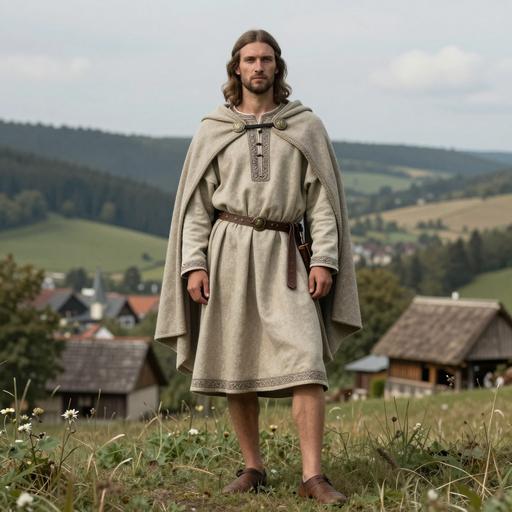
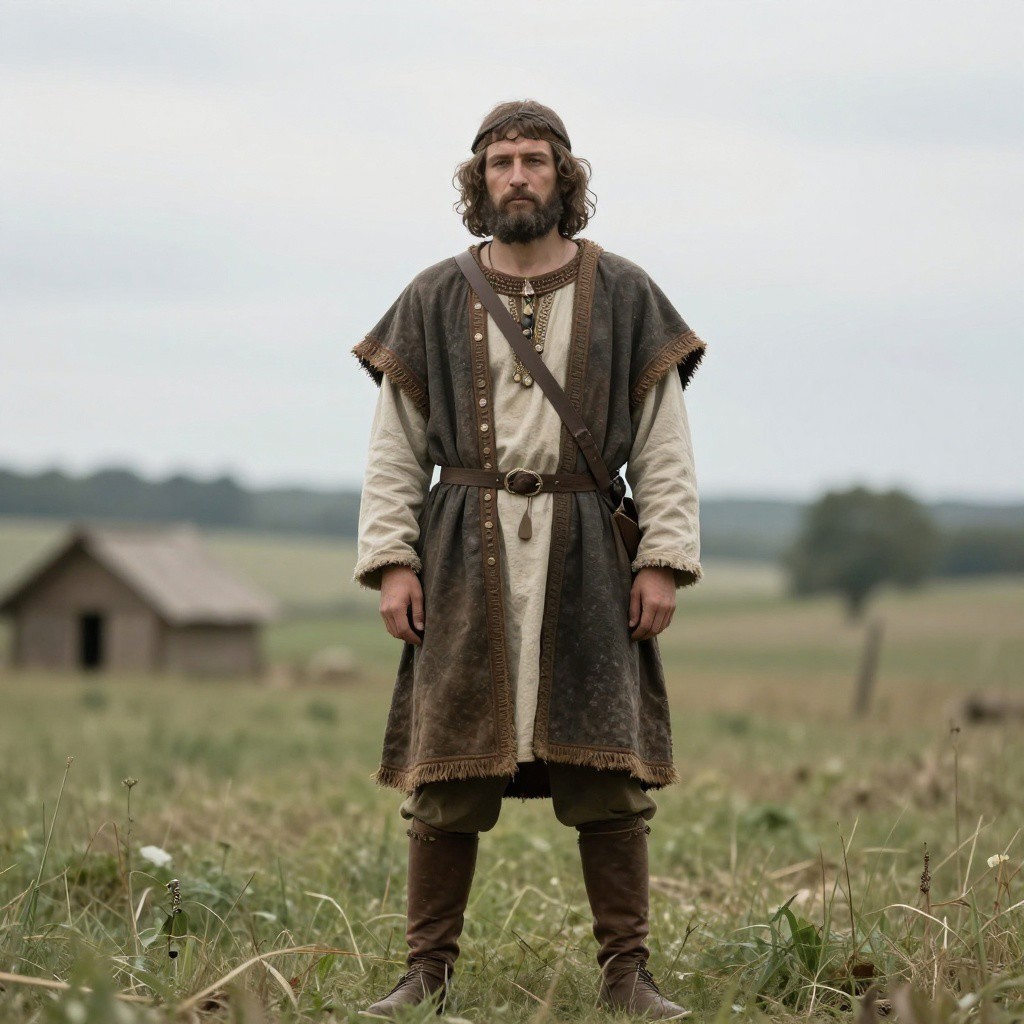
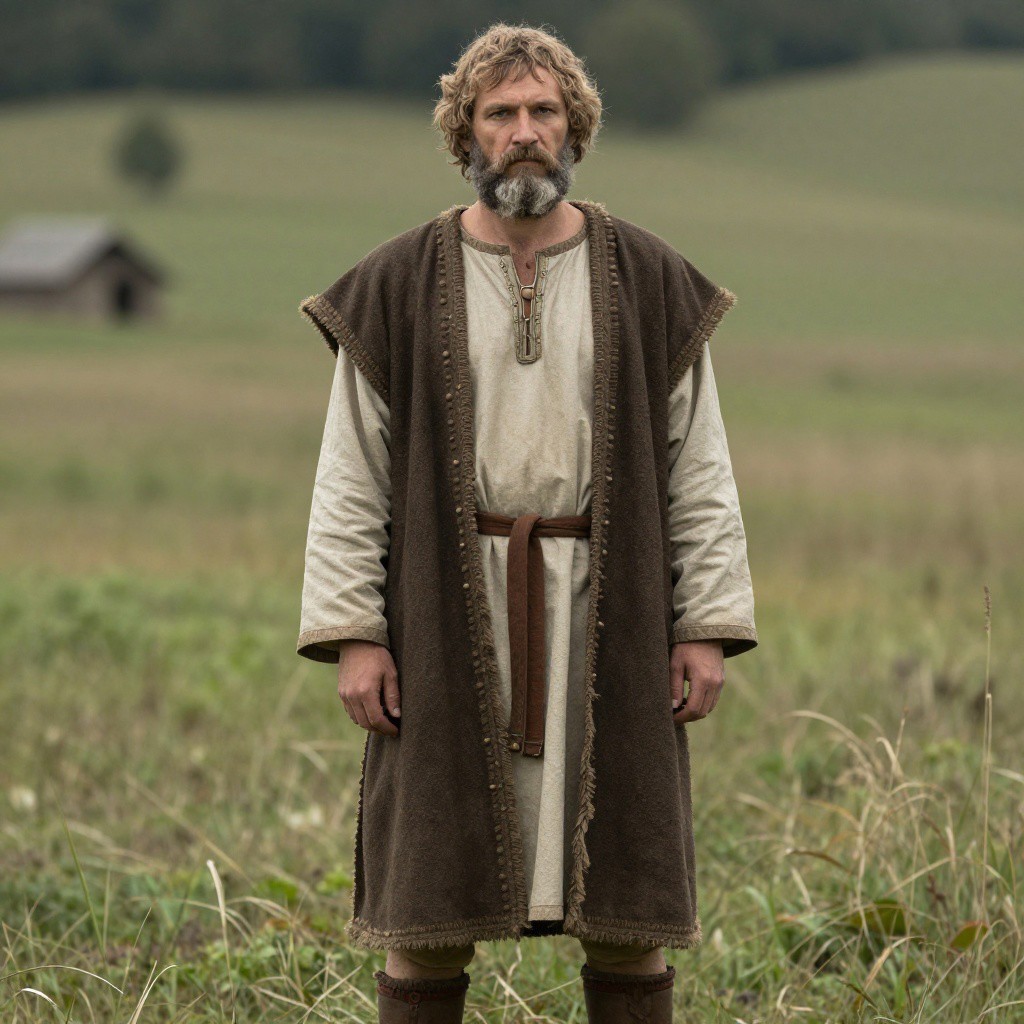
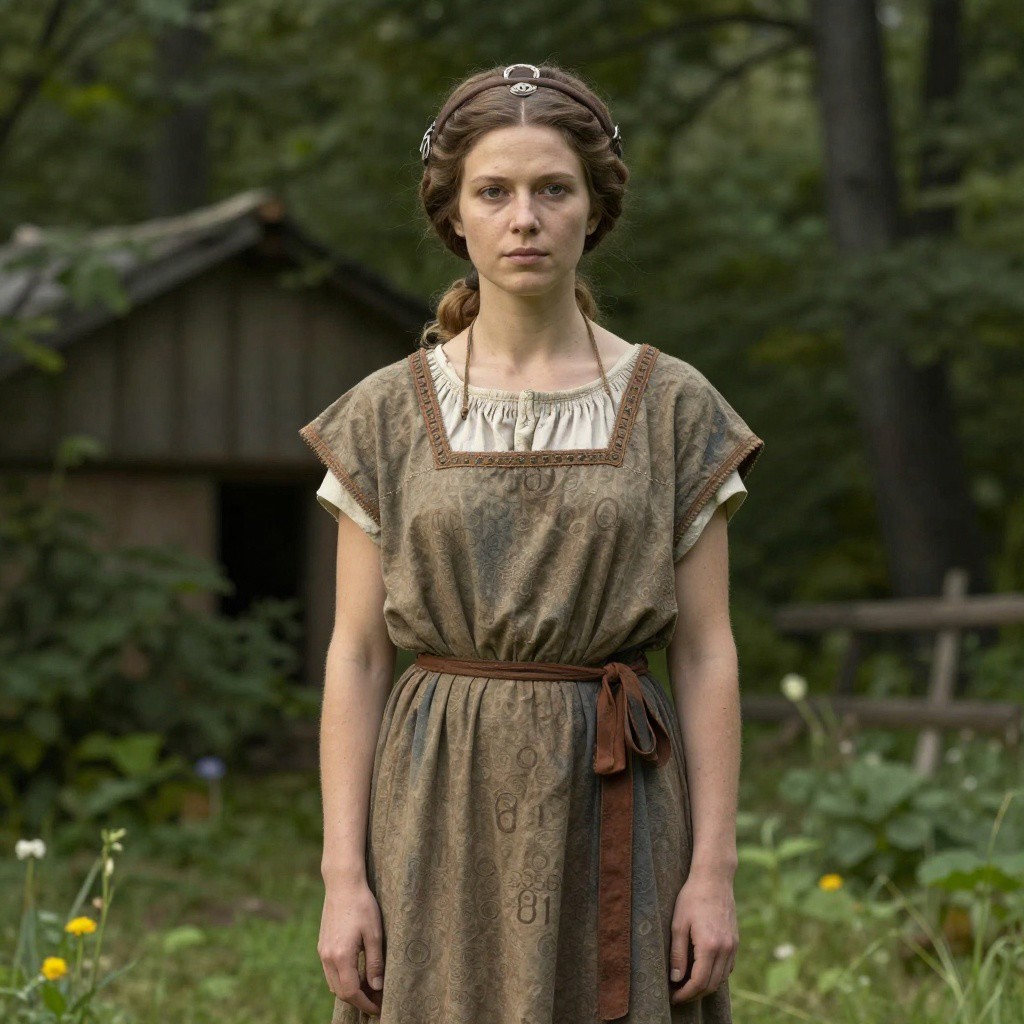
These ancient cultures have been linked to haplogroup U5A1A1 based on matching ancient DNA samples from archaeological excavations. The presence of this haplogroup in these cultures provides insights into the migrations and population movements of populations carrying this haplogroup.

Afanasievo Afanasievo Culture Bell Beaker Fatyanovo Fatyanovo Culture Usatove Yamnaya Culture
Culture assignments are based on archaeological context of ancient DNA samples and may represent regional associations during specific time periods.
Chapter V

Sample Catalog

69 direct carriers and 17 subclade carriers of haplogroup U5A1A1

50 / 50 samples
Portrait Sample Country Era Date Culture mtDNA Match
Portrait of ancient individual PCA0052 from Poland, dated 16 CE - 141 CE
PCA0052
Poland Wielbark Culture 16 CE - 141 CE Wielbark U5a1a1 Direct
Portrait of ancient individual I10865 from Spain, dated 100 CE - 200 CE
I10865
Spain Roman Period Spain 100 CE - 200 CE Roman Hispania U5a1a1 Direct
Portrait of ancient individual PCA0012 from Poland, dated 100 CE - 300 CE
PCA0012
Poland Przeworsk Culture 100 CE - 300 CE Przeworsk U5a1a1 Direct
Portrait of ancient individual KNT005 from Kazakhstan, dated 255 CE - 402 CE
KNT005
Kazakhstan Late Iron Age Kazakhstan 255 CE - 402 CE Late Iron Age U5a1a1 Direct
Portrait of ancient individual JK1968 from Finland, dated 300 CE - 800 CE
JK1968
Finland Levanluhta Site, Finland 300 CE - 800 CE Levanluhta U5a1a1 Direct
Portrait of ancient individual JK1970 from Finland, dated 300 CE - 800 CE
JK1970
Finland Levanluhta Site, Finland 300 CE - 800 CE Levanluhta U5a1a1 Direct
Portrait of ancient individual JK1968 from Finland, dated 300 CE - 800 CE
JK1968
Finland Middle Iron Age Finland 300 CE - 800 CE U5a1a1 Direct
Portrait of ancient individual JK1970 from Finland, dated 300 CE - 800 CE
JK1970
Finland Middle Iron Age Finland 300 CE - 800 CE U5a1a1 Direct
Portrait of ancient individual I13717 from United Kingdom, dated 398 BCE - 208 BCE
I13717
United Kingdom Middle Iron Age England 398 BCE - 208 BCE Middle Iron Age British U5a1a1 Direct
Portrait of ancient individual I10943 from Italy, dated 480 BCE
I10943
Italy Sicilian Greek (Himeran) 480 BCE Himeran Greek U5a1a1+152 Direct
Chapter VI

Carrier Distribution Map

Geographic distribution of 86 ancient DNA samples (direct and subclade carriers of U5A1A1)

Direct carrier Subclade carrier
Time Period Filter
All Time Periods
Showing all samples
Chapter VII

Temporal Distribution

Distribution of carriers across archaeological periods

Chapter VIII

Geographic Distribution

Distribution by country of origin (direct and subclade carriers shown by default)

Chapter IX

Country × Era Distribution

Cross-tabulation of carrier countries and archaeological periods (direct and subclade carriers shown by default)

Data

Data & Provenance

Source information and data quality

Last Updated 2026-02-16
Confidence Score 50/100
Coverage Low
Data Source

We use the latest phylotree for MTDNA haplogroup classification and data.