Saltar al contenido principal
mtDNA · Materno linaje

U5B2A1A1

mtDNA Haplogroup U5B2A1A1

Un perfil de referencia de una rama de linaje. Compartir haplogrupos no demuestra una relación familiar ni una identidad cultural.

Perfil de referencia

Contexto de la rama

Contexto histórico de la rama de linaje mtDNA U5B2A1A1

Origins and Evolution

mtDNA haplogroup U5B2A1A1 is a downstream subclade of U5B2A1AA, itself nested within the broader U5b (and U5) lineage. Haplogroup U5 is one of the oldest maternal lineages in Europe and is strongly associated with Paleolithic and Mesolithic hunter-gatherer populations. By contrast, the specific branch U5B2A1A1 appears to be a much younger, more geographically restricted offshoot that likely formed during the later Neolithic to Bronze Age period in post-glacial Europe (on the order of a few thousand years ago), based on its position deep within several nested U5b subclades and on comparative coalescent ages of nearby branches.

Direct ancient-DNA matches for U5B2A1A1 are currently sparse in published datasets, so its age and early distribution rely on phylogenetic placement within U5b and observed modern sample distributions. This implies a scenario where ancient U5 lineages persisted locally after the Mesolithic and diversified into finer subclades such as U5B2A1A1 during or after the agricultural transition and Bronze Age demographic reshufflings.

Subclades

As a leaf-level or near-leaf-level lineage (U5B2A1A1), this haplogroup is an endpoint in the current phylogeny rather than a parent of many well-documented downstream branches. Its immediate parent is U5B2A1AA; future sequencing and more extensive mitogenomes may reveal additional downstream substructure, but at present U5B2A1A1 functions primarily as a diagnosable terminal subclade useful for high-resolution maternal lineage matching.

Geographical Distribution

Modern occurrences of U5B2A1A1 are concentrated in northwestern and northern Europe, with occasional reports or matches in the British Isles, Scandinavia, the Baltic region, and parts of western-central Europe. Because this is a relatively rare and recently defined subclade, frequency estimates are low in broad surveys; its presence is primarily detected through high-resolution mitogenome sequencing rather than broad control-region screens. The pattern is consistent with: persistence of local hunter-gatherer-derived maternal lineages combined with regional demographic events in the Neolithic-Bronze Age that distributed different U5 subclades unevenly across Europe.

Historical and Cultural Significance

While the parent haplogroup U5 is emblematic of Paleolithic and Mesolithic European hunter-gatherers, U5B2A1A1 likely reflects later local diversification and survival of maternal lines into the Neolithic and Bronze Age cultural horizons. It may appear at low frequency in archaeological contexts associated with post-Neolithic cultures (for example, among communities in regions later associated with Bell Beaker or other Bronze Age groups), but there is currently limited direct archaeogenetic evidence linking this exact subclade to a single archaeological culture.

For genetic genealogy, U5B2A1A1 is most valuable for resolving maternal ancestry within Europe at a finer scale than broader U5 categories, helping to identify regional maternal continuity and more recent matrilineal connections among individuals from northern and western Europe.

Conclusion

U5B2A1A1 is a rare, derived European mtDNA lineage nested within the ancient U5 family. Although rooted in the long history of European maternal lineages, it likely diversified in the Neolithic-Bronze Age timeframe and today serves as a useful marker for fine-scale maternal ancestry in northern and western Europe. Additional mitogenome sequencing and ancient-DNA sampling will be necessary to refine its age estimates, geographic origins, and archaeological associations.

Puntos clave

  • Origins and Evolution
  • Subclades
  • Geographical Distribution
  • Historical and Cultural Significance
  • Conclusion
Perfil de referencia

Árbol y relaciones

Contexto filogenético y subclados

Trayectoria evolutiva

Sigue las ramas superiores registradas hasta U5B2A1A1. Las fechas son estimaciones y pueden cambiar al revisarse los datos de referencia.

Pasos Haplogrupo Antigüedad estimada Época arqueológica Tiempo transcurrido Subclados inmediatos Portadores modernos analizados Referencias antiguas
1 U5B2A1A1 Actual ~4,000 years ago Bronze Age 4,500 years 1 18 0
2 U5B2A1AA - - - 1 18 0
3 U5B2A1A ~7,000 years ago Neolithic 7,000 years 3 45 50
4 U5B2A1 ~10,000 years ago Neolithic 10,500 years 2 65 0
5 U5B2A ~11,000 years ago Neolithic 11,000 years 5 127 34
6 U5B2 ~12,000 years ago Neolithic 12,000 years 5 394 0
7 U5b ~22,000 years ago Mesolithic 22,000 years 3 654 140
8 U5A'B - - - 2 1,339 0
9 U5 ~35,000 years ago Paleolithic 35,000 years 1 1,339 142
10 U ~46,000 years ago Paleolithic 46,000 years 5 5,557 110
11 R ~55,000 years ago Paleolithic 55,000 years 17 22,830 57
12 NA - - - 1 22,830 0
13 N ~60,000 years ago Paleolithic 60,000 years 16 26,150 13
14 L3 ~70,000 years ago Paleolithic 70,000 years 7 30,162 6
15 L3'4 - - - 2 30,212 0
16 L3'4'6 - - - 2 30,216 0
17 L2'3'4'6 - - - 2 31,333 0
18 L2'3'4'5'6'7 - - - 2 31,349 0
19 L1'2'3'4'5'6'7 - - - 2 31,852 0
20 L ~160,000 years ago Paleolithic 160,000 years 2 32,236 5
Perfil de referencia

En el mundo

Distribución geográfica y presencia moderna

Origen registrado

Western/Northern Europe

Distribución moderna

The populations where mtDNA haplogroup U5B2A1A1 is found include:

  1. Scandinavian populations (Norway, Sweden, Denmark)
  2. British Isles (England, Scotland, Ireland)
  3. Baltic and north-eastern European populations (Latvia, Lithuania, Estonia)
  4. Western and Central European populations (France, Germany, Netherlands)
  5. Isolated reports in Iberian Peninsula populations
Contexto histórico

Una rama a través del tiempo

Formación estimada en una cronología histórica amplia. Los marcadores temporales aportan contexto y no implican relación con culturas concretas.

  1. ~10k años de antigüedad

    Revolución neolítica

    Inicio de la agricultura y formación de comunidades sedentarias

  2. ~5k años de antigüedad

    Edad del Bronce

    Metalurgia, escritura y primeras civilizaciones

  3. ~4.5k años de antigüedad

    Haplogrupo U5B2A1A1

    Formación estimada de esta rama de mtDNA; las fechas y ubicaciones son estimaciones de referencia.

    Esta rama
  4. ~3k años de antigüedad

    Edad del Hierro

    Herramientas de hierro y ampliación de redes comerciales

  5. ~2.5k años de antigüedad

    Antigüedad clásica

    Desarrollo de las civilizaciones griega y romana

  6. Actualidad

    Actualidad

    Época moderna

Perfil de referencia

Contexto arqueológico

Asociaciones arqueológicas registradas para la rama mtDNA U5B2A1A1

Asociaciones registradas

Estas etiquetas describen contextos arqueológicos registrados para las muestras de referencia enlazadas a U5B2A1A1. Una asociación no demuestra que todos los portadores pertenecieran a una cultura ni siguieran una ruta migratoria concreta.

Armenian LBA-EIA Corded Ware Danish Medieval Danish Post-Medieval Early Croatian Iron Age II Culture Knoviz-Hallstatt Culture Late Iron Age British Lech Valley Bronze Age Nordic Late Neolithic Sarmatian Culture Usatove
Las atribuciones culturales se basan en el contexto arqueológico de las muestras de ADN antiguo y pueden representar asociaciones regionales de periodos concretos.
Perfil de referencia

Catálogo de muestras

15 portadores directos y 1 portador de un subclado del haplogrupo U5B2A1A1

10 mostradas · 16 muestras coincidentes

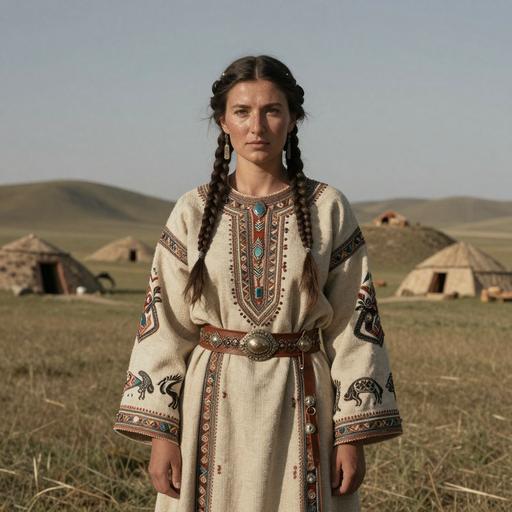
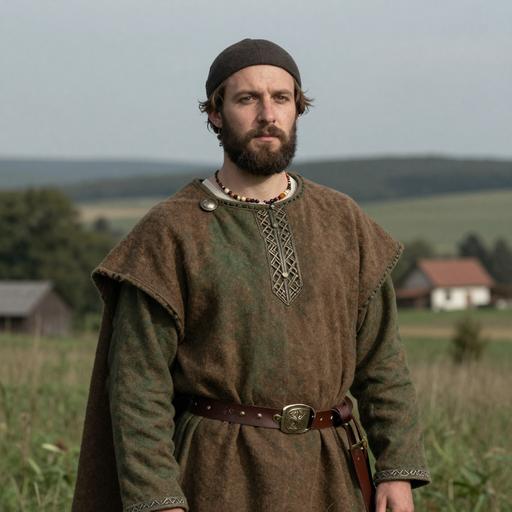
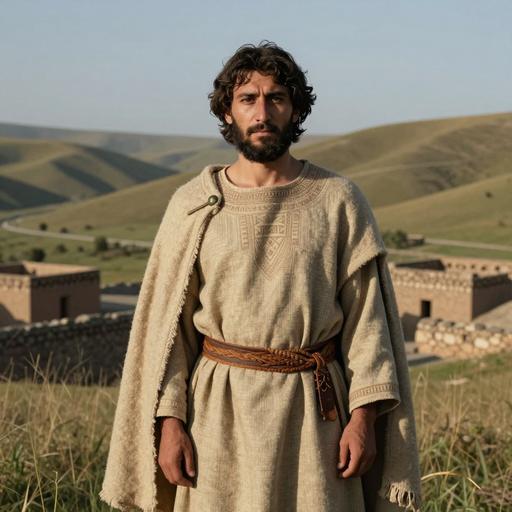
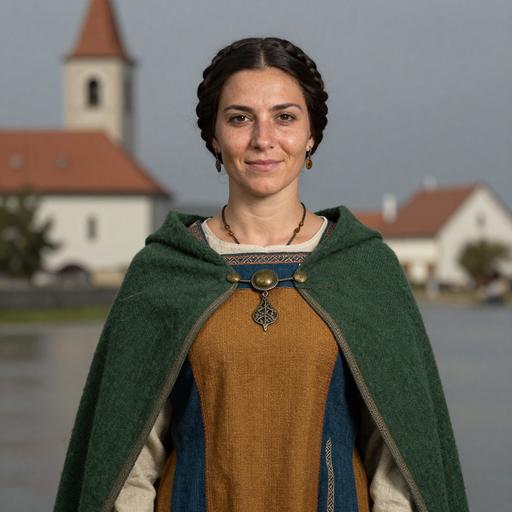
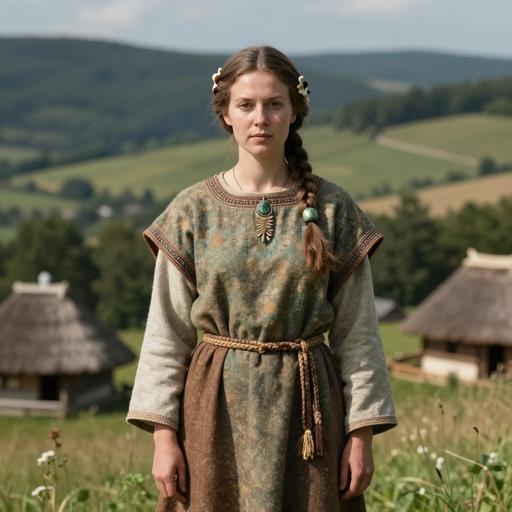
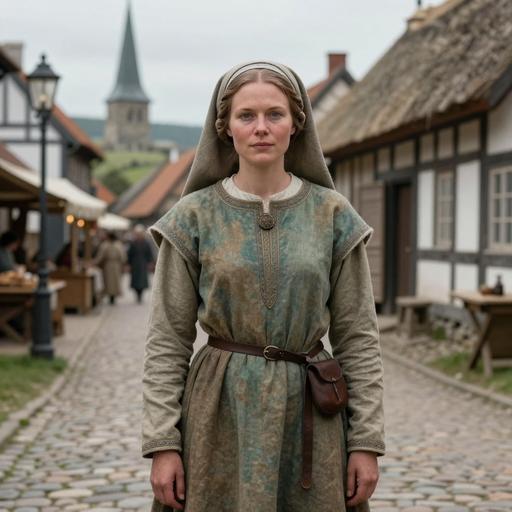
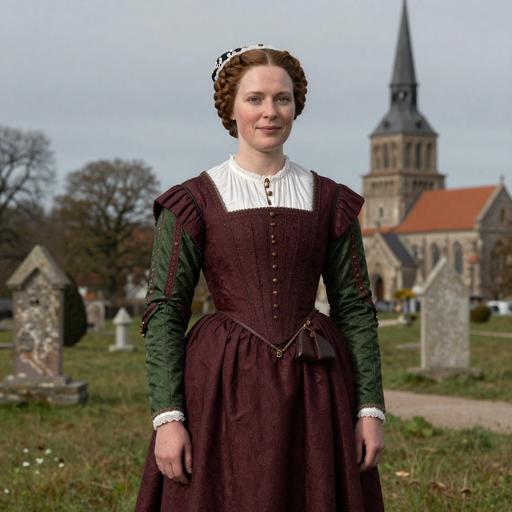
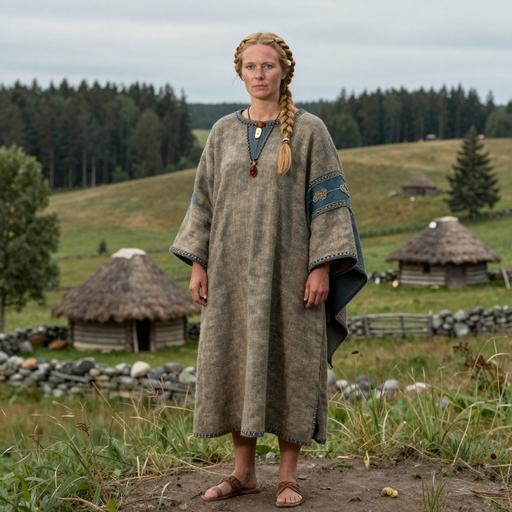
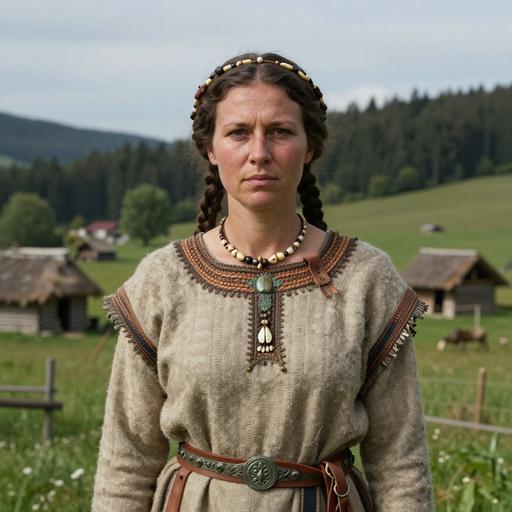
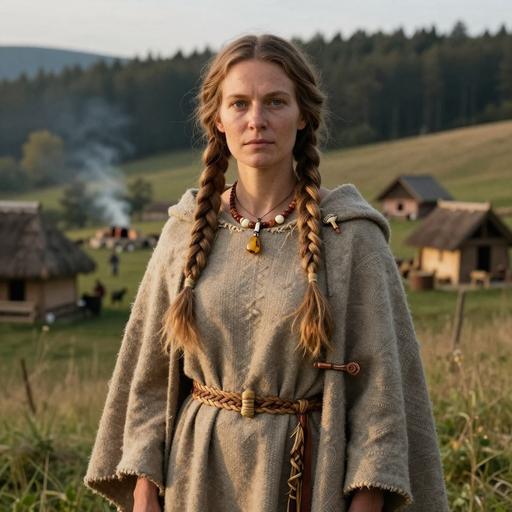
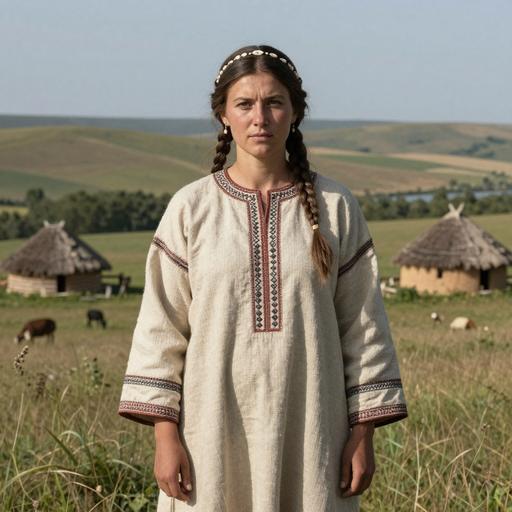
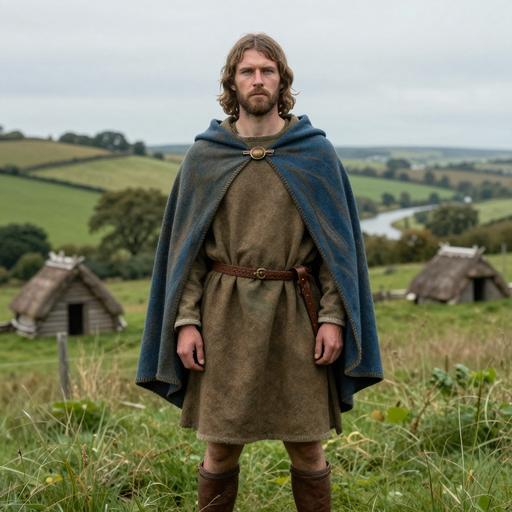
Los retratos son ilustraciones generadas con IA. Las etiquetas de muestra y los identificadores de acceso identifican los registros de referencia.

Retrato Muestra País Época Fecha Cultura mtDNA Coincidencia
Retrato ilustrativo de Grand Est individual, Marne. Chemin de Coupetz. Faux Vesigneul, France (300-200 BCE) generado con IA
Identificador de muestra: I20828
France France GrandEst IA2 300-200 BCE Iron Age II Culture U5b2a1a1 Direct
Retrato ilustrativo de England LIA MIA individual, England. West Yorkshire. Wattle Syke, United Kingdom (349-51 BCE) generado con IA
Identificador de muestra: I14353
United Kingdom Middle to Late Iron Age England 349-51 calBCE (2135±30 BP, SUERC-27295) Late Iron Age British U5b2a1a1 Direct
Retrato ilustrativo de Steppe Nomads individual, Chumarovo-1. Mound 10. burial 10, Russia (367-155 BCE) generado con IA
Identificador de muestra: MJ-44
Russia Middle Sarmatian Culture, Southern Urals, Russia 367 BCE - 155 BCE Sarmatian Culture U5b2a1a1 Direct
Retrato ilustrativo de Scythian Sarmatian individual, Chumarovo-1. Mound 10. burial 10, Russia (367-155 BCE) generado con IA
Identificador de muestra: MJ-44
Russia The Scythian and Sarmatian Cultures 367 BCE - 155 BCE U5b2a1a1 Direct
Retrato ilustrativo de Early Medieval individual, Gornji-Kosinj-Sveta-Ana (Lika-Senj County, Općina Perušić), Croatia (1,000-1,250 CE) generado con IA
Identificador de muestra: I35012
Croatia Croatia EarlyMedieval 1000-1250 CE Early Croatian U5b2a1a1 Direct
Retrato ilustrativo de Bagheri Tchala EIA individual, Bagheri Tchala Archaeological Complex, Armenia (1,050-800 BCE) generado con IA
Identificador de muestra: I14588
Armenia Late Bronze Age to Early Iron Age Armenia 1150-800 BCE Armenian LBA-EIA U5b2a1a1 Direct
Retrato ilustrativo de Early Medieval individual, Gornji-Kosinj-Sveta-Ana (Lika-Senj County, Općina Perušić), Croatia (1,053-1,216 CE) generado con IA
Identificador de muestra: I34980
Croatia Croatia EarlyMedieval 1053-1216 calCE (890±15 BP, PSUAMS-14733) Early Croatian U5b2a1a1 Direct
Retrato ilustrativo de Hallstatt individual, NW Bohemia. Teplice. Bílina (Rudiay I/Maxim Gorkij), Czech Republic (1,200-850 BCE) generado con IA
Identificador de muestra: I17311
Czech Republic Late Bronze Age to Iron Age Knoviz-Hallstatt Culture, Czech Republic 1200-850 BCE Knoviz-Hallstatt Culture U5b2a1a1 Direct
Retrato ilustrativo de Medieval individual, Ahlgade 15-17 (Holbæk), Denmark (1,300-1,350 CE) generado con IA
Identificador de muestra: CGG101691
Denmark Denmark Medieval 1300-1350 CE Danish Medieval U5b2a1a1 Direct
Retrato ilustrativo de Danish individual, Vor Frue Kirkegård (Aalborg), Denmark (1,536-1,806 CE) generado con IA
Identificador de muestra: CGG100530
Denmark Danish Post-Medieval 1536 CE - 1806 CE Danish Post-Medieval U5b2a1a1 Direct
MATERNAL LINAJE · ADN ANTIGUO

Mapa de pruebas de linajes antiguos

Sigue los clados superiores hasta esta rama y explora dónde se encontraron portadores antiguos.

Cargando observaciones antiguas...

Los marcadores son ubicaciones de hallazgos arqueológicos. Una línea discontinua representa una transición geográfica propuesta e incierta entre ramas consecutivas, apoyada en varias observaciones fechadas; no es una ruta de viaje exacta, un lugar de nacimiento ni una prueba de descendencia directa. Las muestras del clado parental pueden pertenecer a otras ramas descendientes. Se mantienen huecos cuando las pruebas son insuficientes. Las fechas de las muestras son distintas de las fechas de formación de los haplogrupos.

Perfil de referencia

Mapa de distribución de portadores

Distribución geográfica de muestras de ADN antiguo (16), portadores directos o de subclados de U5B2A1A1

Portador directo Portador de un subclado
Filtro de periodo temporal
Todos los periodos
Mostrando todas las muestras
Perfil de referencia

Distribución temporal

Distribución de portadores por periodos arqueológicos

Perfil de referencia

Distribución geográfica

Recuentos por país registrado de las muestras. Reflejan la selección de referencia disponible, no frecuencias de población.

Perfil de referencia

Distribución por país y época

Compara los recuentos de muestras registradas por países y periodos arqueológicos. Selecciona una celda con datos para examinar una muestra.

Datos

Datos y procedencia

Información sobre las fuentes y la calidad de los datos

Última actualización 2026-06-14
Puntuación de confianza 50/100
Cobertura Low

Fuente de datos

La clasificación, las fechas estimadas y el contexto geográfico reflejan los datos de referencia registrados y pueden cambiar al revisarse las pruebas. La cobertura de muestras es desigual; las ubicaciones registradas y las asociaciones arqueológicas no establecen el origen personal ni la identidad cultural.