Saltar al contenido principal
mtDNA · Materno linaje

Z1

mtDNA Haplogroup Z1

Un perfil de referencia de una rama de linaje. Compartir haplogrupos no demuestra una relación familiar ni una identidad cultural.

Perfil de referencia

Contexto de la rama

Contexto histórico de la rama de linaje mtDNA Z1

Origins and Evolution

Haplogroup Z1 is a sublineage within mtDNA haplogroup Z, itself a branch of the broader macro-haplogroup CZ/CT clade that is characteristic of northern and northeastern Eurasia. Z1 likely split from other Z lineages after the Last Glacial Maximum (LGM), during the Late Glacial or early Holocene (roughly on the order of ~10–20 kya based on coalescence estimates for Z and its subclades). In phylogenetic trees Z → ZA → Z1 (and parallel Z2/Z3 branches) is a commonly represented structure in Phylotree-style reconstructions, placing Z1 as a geographically northern lineage that diversified as populations re-expanded into Siberia and adjacent regions after the LGM.

The timing and distribution of Z1 are consistent with a post-glacial demographic expansion of hunter-gatherer groups across Siberia and into northeastern Eurasia; later movements and contacts spread Z1-derived lineages westward into parts of northern Europe, often at low-to-moderate frequencies.

Subclades

Z1 contains several downstream subclades (for example, Z1a and other lineages reported in regional mtDNA studies) that show localized structure: some subclades are concentrated in eastern Siberia and the Russian Far East, while others are detected in north-central Eurasia and northern Europe. Subclade resolution depends on sampling density and complete mitochondrial sequencing; many named internal branches remain to be fully characterized in population-scale studies. Ancient DNA has begun to reveal Z-lineage diversity through time but Z1-specific subclade assignments in ancient samples remain comparatively scarce, reflecting both lower sampling in some regions and the relative rarity of Z lineages outside their core range.

Geographical Distribution

Today Z1 is most frequently reported in indigenous Siberian groups (for example Yakut, Evenks, Nganasan and other North Siberian peoples) and in populations of the Russian Far East and northeastern Asia. Lower but notable frequencies appear among some Uralic- or Finno-Ugric-speaking populations in northern Eurasia, including isolated occurrences in Fennoscandia (e.g., among Saami and some Finnish samples) and parts of the Volga-Ural region. Scattered detections of Z1 (or very closely related Z lineages) occur in Central Asian and Mongolic or Turkic-speaking groups, reflecting prehistoric and historic mobility across the Eurasian steppe.

Historical and Cultural Significance

The distribution of Z1 mirrors the archaeological and linguistic evidence for post-LGM recolonization of northern Eurasia by hunter-gatherer groups and later interactions between Siberian, Uralic, and steppe populations. While Z1 is not tied to a single archaeological culture in the way that some Y-DNA lineages are, it is plausibly associated with: Mesolithic and Neolithic coastal and inland hunter-gatherer groups of northern Eurasia (for example, groups linked to comb-ceramic/coastal traditions), and with later Bronze Age networks that connected Siberia, the steppe, and northern Europe. In northern Europe, the presence of Z1-related lineages among Finno-Ugric speakers likely reflects multiple episodes of gene flow from the east over millennia rather than a single migration event.

From an anthropological perspective, Z1 contributes to the maternal genetic signatures that distinguish northern Eurasian populations from both East Asian and Western Eurasian groups and helps trace maternal ancestry through prehistoric population movements across Siberia and into northern Europe.

Conclusion

mtDNA Z1 is a northern Eurasian maternal lineage that likely arose during the Late Glacial / early Holocene in or near Siberia. Its modern distribution — concentrated in indigenous Siberian peoples with secondary presence in parts of northern and north-central Eurasia — and its phylogenetic placement within Z make it a useful marker for studying post-LGM recolonization, the spread of northern hunter-gatherers, and subsequent east–west interactions across Eurasia. Continued whole-mitogenome sequencing and ancient DNA sampling will refine the internal structure, age estimates, and precise migration histories of Z1 and its subclades.

Puntos clave

  • Origins and Evolution
  • Subclades
  • Geographical Distribution
  • Historical and Cultural Significance
  • Conclusion
Perfil de referencia

Árbol y relaciones

Contexto filogenético y subclados

Trayectoria evolutiva

Sigue las ramas superiores registradas hasta Z1. Las fechas son estimaciones y pueden cambiar al revisarse los datos de referencia.

Pasos Haplogrupo Antigüedad estimada Época arqueológica Tiempo transcurrido Subclados inmediatos Portadores modernos analizados Referencias antiguas
1 Z1 Actual ~15,000 years ago Mesolithic 15,000 years 1 11 2
2 ZA - - - 3 39 0
3 Z ~25,000 years ago Paleolithic 25,000 years 1 47 6
4 CZ ~40,000 years ago Paleolithic 40,000 years 2 856 4
5 M8 ~42,000 years ago Paleolithic 42,000 years 2 873 5
6 M ~60,000 years ago Paleolithic 60,000 years 42 2,671 41
7 L3 ~70,000 years ago Paleolithic 70,000 years 7 30,162 6
8 L3'4 - - - 2 30,212 0
9 L3'4'6 - - - 2 30,216 0
10 L2'3'4'6 - - - 2 31,333 0
11 L2'3'4'5'6'7 - - - 2 31,349 0
12 L1'2'3'4'5'6'7 - - - 2 31,852 0
13 L ~160,000 years ago Paleolithic 160,000 years 2 32,236 5

Ramas hermanas (2)

Otras ramas del mismo haplogrupo superior

Perfil de referencia

En el mundo

Distribución geográfica y presencia moderna

Origen registrado

Northern Eurasia (Siberia / Northeast Asia)

Distribución moderna

The populations where mtDNA haplogroup Z1 is found include:

  1. Indigenous Siberian groups (e.g., Yakut, Evenk, Nganasan)
  2. Northeastern Asian populations (Russian Far East, some Mongolic and Tungusic groups)
  3. Uralic / Finno-Ugric populations in northern Eurasia (e.g., Saami, some Finnish and Volga-Ural samples)
  4. Central Asian and Turkic-speaking groups at low frequencies
  5. Scattered occurrences in northern European populations due to historic/prehistoric gene flow
Contexto histórico

Una rama a través del tiempo

Formación estimada en una cronología histórica amplia. Los marcadores temporales aportan contexto y no implican relación con culturas concretas.

  1. ~20k años de antigüedad

    Último máximo glacial

    Máxima extensión de la última glaciación y aislamiento de poblaciones

  2. ~15k años de antigüedad

    Haplogrupo Z1

    Formación estimada de esta rama de mtDNA; las fechas y ubicaciones son estimaciones de referencia.

    Esta rama
  3. ~10k años de antigüedad

    Revolución neolítica

    Inicio de la agricultura y formación de comunidades sedentarias

  4. ~5k años de antigüedad

    Edad del Bronce

    Metalurgia, escritura y primeras civilizaciones

  5. ~3k años de antigüedad

    Edad del Hierro

    Herramientas de hierro y ampliación de redes comerciales

  6. ~2.5k años de antigüedad

    Antigüedad clásica

    Desarrollo de las civilizaciones griega y romana

  7. Actualidad

    Actualidad

    Época moderna

Perfil de referencia

Contexto arqueológico

Asociaciones arqueológicas registradas para la rama mtDNA Z1

Asociaciones registradas

Estas etiquetas describen contextos arqueológicos registrados para las muestras de referencia enlazadas a Z1. Una asociación no demuestra que todos los portadores pertenecieran a una cultura ni siguieran una ruta migratoria concreta.

Angara Culture Kairan Culture Kazakh Eneolithic Northern West Siberian Culture Russia_AltaiKrai_Eneolithic Russia_AltaiKrai_Eneolithic_Altai Russia_AltaiKrai_N Russia_Novosibirsk_N Russia_Omsk_EBA_Okunevsky Russia_Omsk_Eneolithic Russia_Omsk_Eneolithic_Okunevsky
Las atribuciones culturales se basan en el contexto arqueológico de las muestras de ADN antiguo y pueden representar asociaciones regionales de periodos concretos.
Perfil de referencia

Catálogo de muestras

1 portador directo y 1 portador de un subclado del haplogrupo Z1

2 mostradas · 2 muestras coincidentes

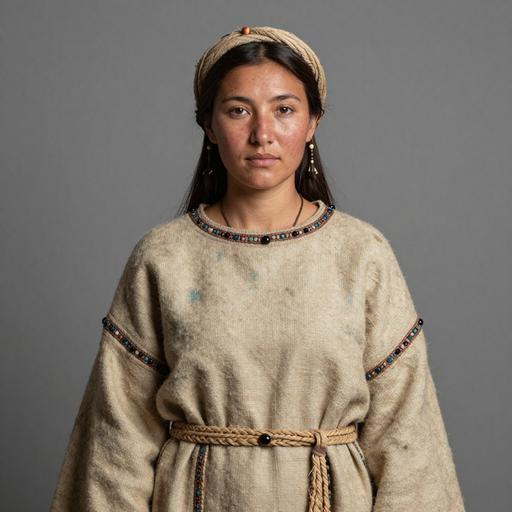
Los retratos son ilustraciones generadas con IA. Las etiquetas de muestra y los identificadores de acceso identifican los registros de referencia.

Retrato Muestra País Época Fecha Cultura mtDNA Coincidencia
Retrato ilustrativo de Eurasian Steppe individual, Botai, Kazakhstan (3,516-3,371 BCE) generado con IA
Identificador de muestra: BOT2016
Kazakhstan Kazakhstan Botai Eneolithic 3516 BCE - 3371 BCE Kazakh Eneolithic Z1 Direct
Retrato ilustrativo de Botai individual, Botai, Kazakhstan (3,516-3,371 BCE) generado con IA
Identificador de muestra: BOT2016
Kazakhstan The Botai Culture 3516 BCE - 3371 BCE Z1* Subclado
MATERNAL LINAJE · ADN ANTIGUO

Mapa de pruebas de linajes antiguos

Sigue los clados superiores hasta esta rama y explora dónde se encontraron portadores antiguos.

Cargando observaciones antiguas...

Los marcadores son ubicaciones de hallazgos arqueológicos. Una línea discontinua representa una transición geográfica propuesta e incierta entre ramas consecutivas, apoyada en varias observaciones fechadas; no es una ruta de viaje exacta, un lugar de nacimiento ni una prueba de descendencia directa. Las muestras del clado parental pueden pertenecer a otras ramas descendientes. Se mantienen huecos cuando las pruebas son insuficientes. Las fechas de las muestras son distintas de las fechas de formación de los haplogrupos.

Perfil de referencia

Mapa de distribución de portadores

Distribución geográfica de muestras de ADN antiguo (2), portadores directos o de subclados de Z1

Portador directo Portador de un subclado
Filtro de periodo temporal
Todos los periodos
Mostrando todas las muestras
Perfil de referencia

Distribución temporal

Distribución de portadores por periodos arqueológicos

Perfil de referencia

Distribución geográfica

Recuentos por país registrado de las muestras. Reflejan la selección de referencia disponible, no frecuencias de población.

Perfil de referencia

Distribución por país y época

Compara los recuentos de muestras registradas por países y periodos arqueológicos. Selecciona una celda con datos para examinar una muestra.

Datos

Datos y procedencia

Información sobre las fuentes y la calidad de los datos

Última actualización 2026-06-14

Fuente de datos

La clasificación, las fechas estimadas y el contexto geográfico reflejan los datos de referencia registrados y pueden cambiar al revisarse las pruebas. La cobertura de muestras es desigual; las ubicaciones registradas y las asociaciones arqueológicas no establecen el origen personal ni la identidad cultural.

Un haplogrupo sigue una línea materna o paterna. La rama que se puede predecir depende de los marcadores presentes en el archivo de ADN. Cómo analizamos el ADN