Menu
mtDNA Haplogroup • Maternal Lineage

Z1

mtDNA Haplogroup Z1

~20,000 years ago
Northeast Asia, particularly among populations in Siberia and Central Asia. It is also found in some Northern European populations, reflecting ancient migrations across these regions.
1 subclades
2 ancient samples
Scroll to explore
Chapter I

The Story

The journey of mtDNA haplogroup Z1

Haplogroup Z1 is a mitochondrial DNA (mtDNA) subclade of the broader haplogroup Z, which belongs to the macrohaplogroup N. Haplogroup Z is distributed primarily across Northeast Asia, Siberia, Central Asia, and parts of Northern Europe. Z1, as a subclade of Z, is particularly important for understanding the ancient migration patterns of human populations across Eurasia, especially in regions like Siberia, East Asia, and Northern Europe.

Origin and Evolution

Haplogroup Z1 is estimated to have originated around 10,000 to 20,000 years ago during the Late Paleolithic or Early Holocene period. Z itself likely originated in East Asia or Northeast Asia around 30,000 to 40,000 years ago, diverging from the broader haplogroup N, which spread out of Africa with early human migrations around 60,000 to 70,000 years ago. Z1 represents one of the branches that migrated into Siberia, Northeast Asia, and later into Europe.

The geographic distribution of Z1 reflects its role in several key migratory events, including the peopling of Siberia, interactions with Central Asian populations, and later connections to Northern Europe. Z1's presence in both modern and ancient populations provides insights into these complex migratory histories.

Geographic Distribution and Significance

Haplogroup Z1 is found in populations across Northeast Asia, Siberia, Central Asia, and parts of Northern Europe. Its distribution highlights its role in ancient human migrations, particularly during the Late Pleistocene and early Holocene periods.

Siberia and Northeast Asia

  • Siberia: Z1 is particularly common among Indigenous populations in Siberia, such as the Evenk, Yakut, and other groups inhabiting the eastern regions of Siberia. These populations have long adapted to the cold, harsh environment of northern Eurasia, and Z1 provides valuable insights into their ancient genetic heritage.

  • Mongolia and Northern China: Z1 is also present in populations from Mongolia and Northern China, reflecting ancient migratory connections between these regions and Siberia. Z1 is part of the broader genetic diversity of East Asian populations and highlights historical interactions across the steppes of Central and East Asia.

Central Asia

  • Kazakhstan and Uzbekistan: In Central Asia, Z1 is found at lower frequencies, particularly among populations in Kazakhstan and Uzbekistan. Its presence in Central Asia reflects ancient migrations along the Eurasian Steppe, linking populations from Siberia and Northeast Asia with those in Central Asia.

Northern Europe

  • Northern Europe: While less common than in Asia, Z1 has also been detected at low frequencies in Northern European populations, particularly in Scandinavia and Finland. Its presence in Europe likely reflects ancient migrations from Siberia or Northeast Asia into Northern Europe, possibly during the Late Paleolithic or Early Holocene. These movements may have been facilitated by climatic changes and expanding trade networks.

Role in Human Migration

Haplogroup Z1 provides key insights into several significant migratory events in human history, particularly those involving ancient populations in Siberia, Northeast Asia, and Central Asia. Its distribution highlights the movement of populations across vast distances and the complex genetic interactions that occurred across Eurasia.

Peopling of Siberia and Northeast Asia

Haplogroup Z1 is closely associated with the early settlement of Siberia and Northeast Asia. As human populations migrated northward from East Asia during the Late Pleistocene, they carried haplogroups such as Z1, which became part of the genetic makeup of Indigenous Siberian populations. These populations adapted to the extreme environments of northern Eurasia, and Z1 is a key lineage in tracing their ancient genetic history.

Connections to Central Asia

The presence of Z1 in Central Asia reflects ancient migratory movements across the Eurasian Steppe, a region that has long been a crossroads for human migrations between Europe, Asia, and Siberia. Populations carrying Z1 likely moved through Central Asia during the Late Paleolithic and Neolithic, contributing to the genetic diversity of populations in this region.

Northern European Migrations

The low frequency of Z1 in Northern Europe, particularly in Finland and Scandinavia, suggests that ancient migrations from Siberia or Northeast Asia reached Europe during the Late Pleistocene or Holocene. These movements may have been driven by changes in climate or facilitated by expanding trade networks that connected Eurasia. Z1's presence in Finland is of particular interest, as it may be related to the genetic connections between Finno-Ugric populations and Siberian groups.

Subclades of Haplogroup Z1

Haplogroup Z1 has several subclades, which reflect specific regional migration patterns and population histories. These subclades are identified through specific genetic mutations and provide insights into the ancient populations that carried Z1 across Eurasia.

  1. Z1a: This subclade is found primarily in Siberia and Northeast Asia, particularly among Indigenous Siberian populations such as the Evenk and Yakut. It reflects the ancient migrations and adaptations of these populations to the cold environments of Siberia.

  2. Z1b: Found at lower frequencies in Central Asia and parts of Northern Europe, Z1b likely reflects ancient migrations from Siberia into Central Asia and, later, into Europe.

Ancient DNA and Archaeological Evidence

Ancient DNA studies and archaeological evidence have confirmed the presence of haplogroup Z1 in prehistoric populations from Siberia, Northeast Asia, and Northern Europe. These findings provide important insights into the timing and routes of early human migrations across Eurasia.

  • Siberian and Central Asian Remains: Ancient DNA from human remains in Siberia and Central Asia has revealed the presence of Z1 in populations dating back thousands of years. This genetic evidence supports the theory that Z1 was part of the early populations that migrated across Eurasia during the Late Pleistocene and Early Holocene.

  • Northern Europe: The detection of Z1 in ancient DNA from Northern European populations, particularly in Finland and Scandinavia, suggests that ancient migrations from Siberia or Northeast Asia reached these regions. This supports the idea of long-distance genetic exchanges between Siberian and European populations during prehistoric times.

Modern Distribution and Frequency

Today, haplogroup Z1 is found at varying frequencies across Siberia, Northeast Asia, Central Asia, and parts of Northern Europe:

  • Siberia: Z1 is prevalent among Indigenous Siberian populations such as the Evenk, Yakut, and other groups in Northeast Siberia.

  • East Asia: Z1 is present at lower frequencies in Northern China, Mongolia, and some parts of Northeast Asia, where it contributes to the genetic diversity of these populations.

  • Central Asia: Z1 is found in populations from Kazakhstan and Uzbekistan, reflecting ancient migratory connections between Siberia and Central Asia.

  • Northern Europe: Z1 is present at low frequencies in Finland, Scandinavia, and parts of Northern Europe, where it likely reflects ancient migrations from Siberia.

Genetic and Evolutionary Significance

Haplogroup Z1 is significant for understanding the genetic history of populations across Eurasia, particularly in relation to the ancient migrations that connected Siberia, East Asia, and Northern Europe. It provides valuable insights into the movement of populations across vast regions and the genetic diversity that resulted from these interactions.

Indigenous Siberian Populations

Z1 plays a crucial role in tracing the ancient genetic history of Indigenous Siberian populations, who have long inhabited the cold, extreme environments of northern Eurasia. The study of Z1 helps clarify the migration routes and genetic adaptations that allowed these populations to thrive in such environments.

Genetic Connections Between Europe and Asia

The presence of Z1 in Northern Europe, particularly in Finland and Scandinavia, highlights the ancient genetic links between Siberia and Northern Europe. This connection adds to the growing body of evidence showing that prehistoric populations in Europe and Asia were more interconnected than previously thought.

Conclusion

Haplogroup Z1 is an ancient mitochondrial DNA lineage that likely originated around 10,000 to 20,000 years ago in Siberia or Northeast Asia

. It is primarily found in populations from Siberia, Northeast Asia, Central Asia, and parts of Northern Europe, where it played a key role in early human migrations and the settlement of these regions. The presence of Z1 in modern populations, particularly in Siberia, highlights its importance in understanding the ancient genetic history of these populations and their migration patterns across Eurasia.

As a subclade of haplogroup Z, Z1 provides valuable insights into the genetic legacy of ancient human populations, helping to trace the complex migratory processes that shaped the genetic landscape of Siberia, Northeast Asia, Central Asia, and Northern Europe.

Key Points

  • Origin and Evolution
  • Geographic Distribution and Significance
  • Role in Human Migration
  • Subclades of Haplogroup Z1
  • Ancient DNA and Archaeological Evidence
Chapter II

Tree & Relationships

Phylogenetic context and subclades

Evolution Path

This haplogroup's evolutionary journey from its earliest ancestor to the present.

Steps Haplogroup Age Estimate Archaeology Era Time Passed Immediate Descendants Tested Modern Descendants Ancient Connections
1 Z1 Current ~20,000 years ago 🏹 Mesolithic 20,000 years 1 10 2
2 Z ~25,000 years ago 🦴 Paleolithic 25,000 years 3 36 6

Siblings (2)

Other branches from the same parent haplogroup

Chapter III

Where in the World

Geographic distribution and modern presence

Place of Origin

Northeast Asia, particularly among populations in Siberia and Central Asia. It is also found in some Northern European populations, reflecting ancient migrations across these regions.

Modern Distribution

MTDNA haplogroup Z1 is primarily found in the following populations:

  • Northern Asian populations (particularly among indigenous groups in Siberia)
  • Some East Asian populations (including China and Mongolia)
  • Some Central Asian populations
  • Scandinavian populations (at very low frequencies)

Haplogroup Z1 is a subclade of haplogroup Z and is most commonly associated with northern and central Asian populations, particularly indigenous Siberian groups. It has also been detected at lower frequencies in some East Asian and Scandinavian populations, reflecting ancient migration patterns across Eurasia.

CHAPTER IV

When in Time

Your haplogroup in the context of human history

~20k years ago

Last Glacial Maximum

Peak of the last ice age, populations isolated

~20k years ago

Haplogroup Z1

Your mtDNA haplogroup emerged in Northeast Asia, particularly among populations in Siberia and Central Asia. It is also found in some Northern European populations, reflecting ancient migrations across these regions.

Northeast Asia, particularly among populations in Siberia and Central Asia. It is also found in some Northern European populations, reflecting ancient migrations across these regions.
~10k years ago

Neolithic Revolution

Agriculture begins, settled communities form

~5k years ago

Bronze Age

Metalworking, writing, and early civilizations

~3k years ago

Iron Age

Iron tools, expanded trade networks

~2k years ago

Classical Antiquity

Greek and Roman civilizations flourish

Present

Present Day

Modern era

Your Haplogroup
Historical Era
Chapter IV-B

Linked Cultures

Ancient cultures associated with mtDNA haplogroup Z1

Cultural Heritage

These ancient cultures have been linked to haplogroup Z1 based on matching ancient DNA samples from archaeological excavations. The presence of this haplogroup in these cultures provides insights into the migrations and population movements of populations carrying this haplogroup.

Angara Culture Avar Culture Early Avar Kairan Culture Kazakh Eneolithic Late Medieval Mongolian Northern West Siberian Culture Turkic Nomadic Culture Xiongnu
Culture assignments are based on archaeological context of ancient DNA samples and may represent regional associations during specific time periods.
Chapter V

Sample Catalog

2 subclade carriers of haplogroup Z1 (no exact Z1 samples sequenced yet)

2 / 2 samples
Portrait Sample Country Era Date Culture mtDNA Match
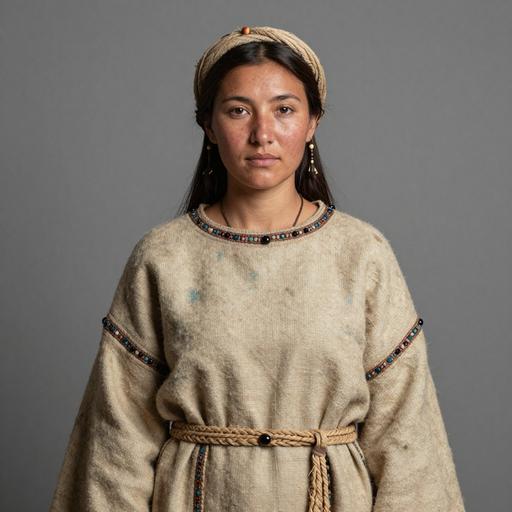
Portrait of ancient individual BOT2016 from Kazakhstan, dated 3516 BCE - 3371 BCE
BOT2016
Kazakhstan Eneolithic Kazakhstan 3516 BCE - 3371 BCE Kazakh Eneolithic Z1* Downstream
Portrait of ancient individual BOT2016 from Kazakhstan, dated 3516 BCE - 3371 BCE
BOT2016
Kazakhstan The Botai Culture 3516 BCE - 3371 BCE Z1* Downstream
Chapter VI

Carrier Distribution Map

Geographic distribution of 2 ancient DNA samples (direct and subclade carriers of Z1)

Subclade carrier
Time Period Filter
All Time Periods
Showing all samples
Chapter VII

Temporal Distribution

Distribution of carriers across archaeological periods

Chapter VIII

Geographic Distribution

Distribution by country of origin (direct and subclade carriers shown by default)

Chapter IX

Country × Era Distribution

Cross-tabulation of carrier countries and archaeological periods (direct and subclade carriers shown by default)

Data

Data & Provenance

Source information and data quality

Last Updated 2026-01-15
Data Source

We use the latest phylotree for MTDNA haplogroup classification and data.