Saltar al contenido principal
Y-DNA · Paterno linaje

D1A1A

Y-DNA Haplogroup D1A1A

Un perfil de referencia de una rama de linaje. Compartir haplogrupos no demuestra una relación familiar ni una identidad cultural.

Perfil de referencia

Contexto de la rama

Contexto histórico de la rama de linaje Y-DNA D1A1A

Origins and Evolution

Y‑DNA haplogroup D1A1A is a subclade of D1A1 and, based on the phylogenetic position of its parent and patterns of geographic localization, most parsimoniously arose on the Tibetan Plateau or adjacent Himalayan highlands during the Late Pleistocene (estimate ~18 kya). As a downstream branch of the deep‑rooting D lineages of East and Central Asia, D1A1A reflects a long‑standing male lineage that persisted through glacial and post‑glacial periods in montane refugia and subsequently remained regionally concentrated.

The lineage's time depth and strong geographic concentration indicate limited large‑scale male‑mediated migrations out of the plateau after its origin; instead, regional demographic processes (local continuity, small‑scale dispersals, and demic interactions with adjacent lowland groups) shaped its modern distribution.

Subclades (if applicable)

D1A1A likely contains internal substructure detectable with high‑resolution SNP testing and whole Y‑chromosome sequencing; published population screens and targeted studies often resolve multiple downstream branches restricted to particular valleys, ethnic groups, or language clusters on the plateau. Those subclades tend to show very localized distributions (for example, lineage branches concentrated in central Tibet versus eastern Tibetan frontier groups) and modest diversity consistent with a long residence and limited gene flow. High‑resolution genotyping (next‑generation sequencing of the Y chromosome) is required to define and name these subbranches precisely and to calibrate coalescence times within D1A1A.

Geographical Distribution

D1A1A is predominantly found among highland Tibeto‑Burman populations of the Tibetan Plateau and the greater Himalayan arc. Highest frequencies and diversity are observed in central and eastern Tibetan populations and in highland groups with long histories of residence at altitude (e.g., Sherpa communities). The haplogroup occurs at lower frequencies in surrounding Himalayan populations (Nepal, Bhutan) and as rare, scattered occurrences among some upland Sino‑Tibetan and neighboring lowland groups in Sichuan and Yunnan (China). Occasional low‑frequency reports further afield in South and Southeast Asian upland communities reflect either ancient dispersals along mountain corridors or recent gene flow.

It is important to emphasize that while D1A1A is regionally concentrated, many neighboring populations carry different dominant Y haplogroups (for example, haplogroup O‑M122/O2), producing a patchwork of paternal lineages in East and South‑Central Asia.

Historical and Cultural Significance

D1A1A serves as a genetic marker of long‑term patrilineal continuity on the Tibetan Plateau. Its distribution aligns with populations historically associated with high‑altitude pastoralism, trans‑Himalayan trade networks, and Tibeto‑Burman language families. In population genetics studies, D1A1A and related D subclades are used to reconstruct the demographic history of plateau peopling, including the persistence of Paleolithic lineages and later Neolithic/Metal Age interactions with incoming agriculturalists.

While Y‑chromosome lineages do not cause physiological adaptations, D1A1A is often found in populations that also carry adaptive alleles for high‑altitude hypoxia tolerance (e.g., EPAS1 variants). This co‑occurrence reflects shared population history rather than a causal relationship between the Y lineage and adaptation.

Conclusion

D1A1A is a geographically focused, late‑Pleistocene subclade of D1A1 that documents long‑term paternal continuity on the Tibetan Plateau and adjacent highlands. It is most informative when combined with autosomal, mitochondrial, archaeological, and linguistic data to reconstruct the complex peopling and demographic history of highland East and South‑Central Asia. Continued high‑resolution Y‑chromosome sequencing across Himalayan and plateau populations will refine subclade definitions and coalescent time estimates for D1A1A and its descendants.

Puntos clave

  • Origins and Evolution
  • Subclades (if applicable)
  • Geographical Distribution
  • Historical and Cultural Significance
  • Conclusion
Perfil de referencia

Árbol y relaciones

Contexto filogenético y subclados

Trayectoria evolutiva

Sigue las ramas superiores registradas hasta D1A1A. Las fechas son estimaciones y pueden cambiar al revisarse los datos de referencia.

Pasos Haplogrupo Antigüedad estimada Época arqueológica Tiempo transcurrido Subclados inmediatos Portadores modernos analizados Referencias antiguas
1 D1A1A Actual ~18,000 years ago Mesolithic 18,000 years 1 0 0
2 D1A1 ~25,000 years ago Paleolithic 25,000 years 2 7 0
3 D1A ~35,000 years ago Paleolithic 35,000 years 2 22 0
4 D1 ~45,000 years ago Paleolithic 45,000 years 2 36 3
5 D ~60,000 years ago Paleolithic 60,000 years 3 79 45

Ramas hermanas (1)

Otras ramas del mismo haplogrupo superior

Perfil de referencia

En el mundo

Distribución geográfica y presencia moderna

Origen registrado

Tibetan Plateau / Himalayan Highlands (South-Central/East Asia)

Distribución moderna

The populations where Y-DNA haplogroup D1A1A is found include:

  1. Central and eastern Tibetan highland populations (Tibetans)
  2. Highland Tibeto‑Burman groups (e.g., Sherpa, some Qiangic-speaking communities)
  3. Neighboring Himalayan populations in Nepal and Bhutan (scattered/localized)
  4. Low-frequency occurrences among Sino‑Tibetan speakers in Sichuan and Yunnan (China)
  5. Rare/scattered instances in upland South and Southeast Asian groups (isolated frequencies)

Presencia regional

East Asia High
South Asia (Himalayan foothills / Northeast India) Moderate
Central Asia (Qinghai / Tibetan Plateau fringe) Moderate
Southeast Asia (Yunnan margins) Low
South‑Central Asia (Tibetan Plateau / Himalaya) High
East Asia (Sichuan / Yunnan fringe) Moderate
South Asia (Himalayan Nepal / Bhutan adjacency) Low
Southeast Asia (upland enclaves) Low
Contexto histórico

Una rama a través del tiempo

Formación estimada en una cronología histórica amplia. Los marcadores temporales aportan contexto y no implican relación con culturas concretas.

  1. ~20k años de antigüedad

    Último máximo glacial

    Máxima extensión de la última glaciación y aislamiento de poblaciones

  2. ~18k años de antigüedad

    Haplogrupo D1A1A

    Formación estimada de esta rama de Y-DNA; las fechas y ubicaciones son estimaciones de referencia.

    Esta rama
  3. ~10k años de antigüedad

    Revolución neolítica

    Inicio de la agricultura y formación de comunidades sedentarias

  4. ~5k años de antigüedad

    Edad del Bronce

    Metalurgia, escritura y primeras civilizaciones

  5. ~3k años de antigüedad

    Edad del Hierro

    Herramientas de hierro y ampliación de redes comerciales

  6. ~2.5k años de antigüedad

    Antigüedad clásica

    Desarrollo de las civilizaciones griega y romana

  7. Actualidad

    Actualidad

    Época moderna

Perfil de referencia

Contexto arqueológico

Asociaciones arqueológicas registradas para la rama Y-DNA D1A1A

Asociaciones registradas

Estas etiquetas describen contextos arqueológicos registrados para las muestras de referencia enlazadas a D1A1A. Una asociación no demuestra que todos los portadores pertenecieran a una cultura ni siguieran una ruta migratoria concreta.

China_Henan_Xisima_LShang China_MLBA China_Sichuan_Gaoshan_LN China_Tibet_Gebusailu_IA China_Tibet_Qulongsazha_IA Lajue Culture Longsangquduo Culture Pukagongma Culture Wutulan Culture
Las atribuciones culturales se basan en el contexto arqueológico de las muestras de ADN antiguo y pueden representar asociaciones regionales de periodos concretos.
Perfil de referencia

Catálogo de muestras

6 portadores de subclados del haplogrupo D1A1A (sin portadores directos en la selección de referencia actual)

6 mostradas · 6 muestras coincidentes

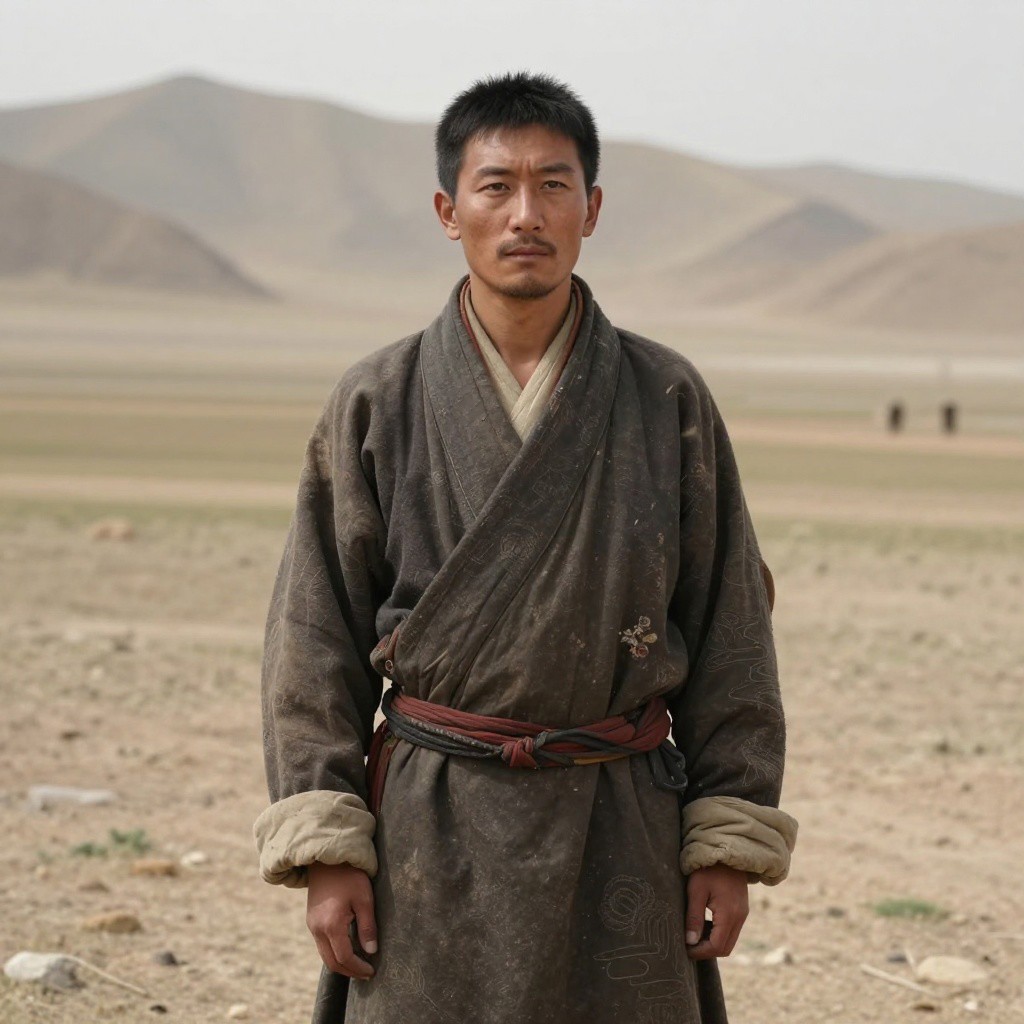
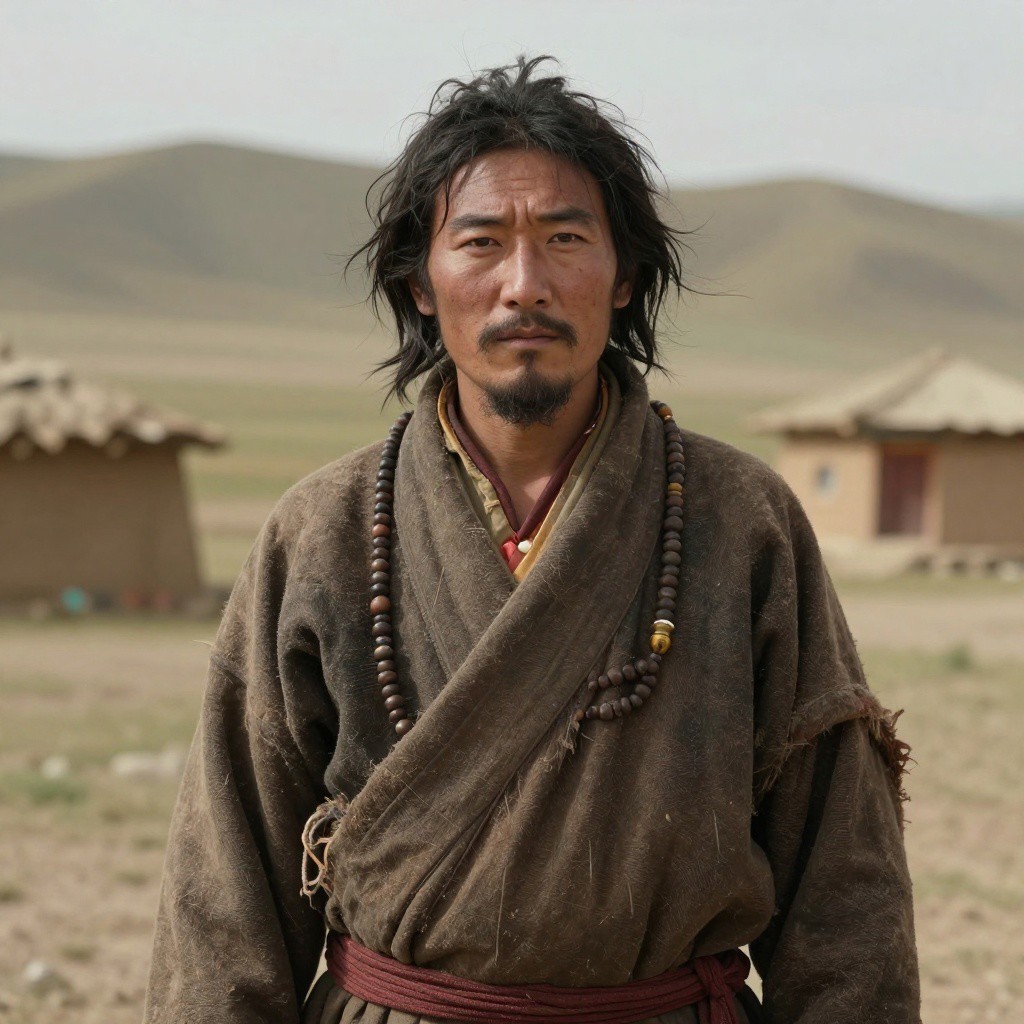
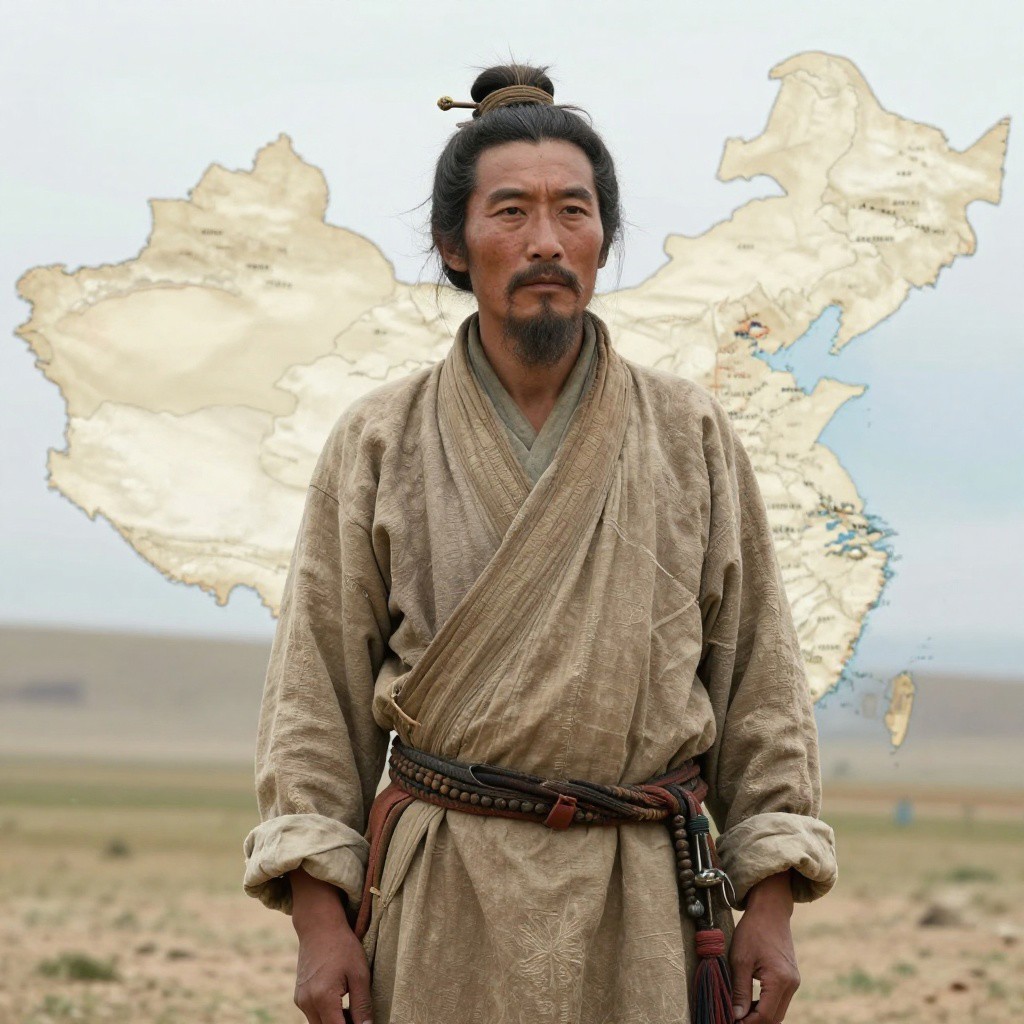
Los retratos son ilustraciones generadas con IA. Las etiquetas de muestra y los identificadores de acceso identifican los registros de referencia.

Retrato Muestra País Época Fecha Cultura Y-DNA Coincidencia
Retrato ilustrativo de Tibet Sangdalongguo IA individual, Sangdalongguo (Tibet, Ngari Prefecture), China (374-26 BCE) generado con IA
Identificador de muestra: SDLG16
China China Tibet Sangdalongguo IA 350-50 BCE China_Tibet_Sangdalongguo_IA D1a1a1a1b Subclado
Retrato ilustrativo de Tibet Sangdalongguo IA individual, Sangdalongguo (Tibet, Ngari Prefecture), China (374-26 BCE) generado con IA
Identificador de muestra: SDLG6
China China Tibet Sangdalongguo IA 350-50 BCE China_Tibet_Sangdalongguo_IA D1a1a1a1b Subclado
Retrato ilustrativo de Tibet Qulongsazha IA individual, Qulongsazha (Tibet, Ngari Prefecture), China (469-181 BCE) generado con IA
Identificador de muestra: QLSZ9
China China Tibet Qulongsazha IA 450-200 BCE China_Tibet_Qulongsazha_IA D1a1a1a1b2~ Subclado
Retrato ilustrativo de Tibet Gebusailu IA individual, Gebusailu (Tibet, Ngari Prefecture), China (830-370 BCE) generado con IA
Identificador de muestra: GBSL1
China China Tibet Gebusailu IA 800-400 BCE China_Tibet_Gebusailu_IA D1a1a1a1b Subclado
Retrato ilustrativo de Tibet Gebusailu IA individual, Gebusailu (Tibet, Ngari Prefecture), China (830-370 BCE) generado con IA
Identificador de muestra: GBSL3
China China Tibet Gebusailu IA 800-400 BCE China_Tibet_Gebusailu_IA D1a1a1a1b Subclado
Retrato ilustrativo de Tibet Gebusailu IA individual, Gebusailu (Tibet, Ngari Prefecture), China (830-370 BCE) generado con IA
Identificador de muestra: GBSL6
China China Tibet Gebusailu IA 800-400 BCE China_Tibet_Gebusailu_IA D1a1a1a1b Subclado
PATERNAL LINAJE · ADN ANTIGUO

Mapa de pruebas de linajes antiguos

Sigue los clados superiores hasta esta rama y explora dónde se encontraron portadores antiguos.

Cargando observaciones antiguas...

Los marcadores son ubicaciones de hallazgos arqueológicos. Una línea discontinua representa una transición geográfica propuesta e incierta entre ramas consecutivas, apoyada en varias observaciones fechadas; no es una ruta de viaje exacta, un lugar de nacimiento ni una prueba de descendencia directa. Las muestras del clado parental pueden pertenecer a otras ramas descendientes. Se mantienen huecos cuando las pruebas son insuficientes. Las fechas de las muestras son distintas de las fechas de formación de los haplogrupos.

Perfil de referencia

Mapa de distribución de portadores

Distribución geográfica de muestras de ADN antiguo (6), portadores directos o de subclados de D1A1A

Portador de un subclado
Filtro de periodo temporal
Todos los periodos
Mostrando todas las muestras
Perfil de referencia

Distribución temporal

Distribución de portadores por periodos arqueológicos

Perfil de referencia

Distribución geográfica

Recuentos por país registrado de las muestras. Reflejan la selección de referencia disponible, no frecuencias de población.

Perfil de referencia

Distribución por país y época

Compara los recuentos de muestras registradas por países y periodos arqueológicos. Selecciona una celda con datos para examinar una muestra.

Datos

Datos y procedencia

Información sobre las fuentes y la calidad de los datos

Última actualización 2026-06-15
Puntuación de confianza 50/100
Cobertura Low

Fuente de datos

La clasificación, las fechas estimadas y el contexto geográfico reflejan los datos de referencia registrados y pueden cambiar al revisarse las pruebas. La cobertura de muestras es desigual; las ubicaciones registradas y las asociaciones arqueológicas no establecen el origen personal ni la identidad cultural.