The Story
The journey of Y-DNA haplogroup D1A1A
Origins and Evolution
Y‑DNA haplogroup D1A1A is a subclade of D1A1 and, based on the phylogenetic position of its parent and patterns of geographic localization, most parsimoniously arose on the Tibetan Plateau or adjacent Himalayan highlands during the Late Pleistocene (estimate ~18 kya). As a downstream branch of the deep‑rooting D lineages of East and Central Asia, D1A1A reflects a long‑standing male lineage that persisted through glacial and post‑glacial periods in montane refugia and subsequently remained regionally concentrated.
The lineage's time depth and strong geographic concentration indicate limited large‑scale male‑mediated migrations out of the plateau after its origin; instead, regional demographic processes (local continuity, small‑scale dispersals, and demic interactions with adjacent lowland groups) shaped its modern distribution.
Subclades (if applicable)
D1A1A likely contains internal substructure detectable with high‑resolution SNP testing and whole Y‑chromosome sequencing; published population screens and targeted studies often resolve multiple downstream branches restricted to particular valleys, ethnic groups, or language clusters on the plateau. Those subclades tend to show very localized distributions (for example, lineage branches concentrated in central Tibet versus eastern Tibetan frontier groups) and modest diversity consistent with a long residence and limited gene flow. High‑resolution genotyping (next‑generation sequencing of the Y chromosome) is required to define and name these subbranches precisely and to calibrate coalescence times within D1A1A.
Geographical Distribution
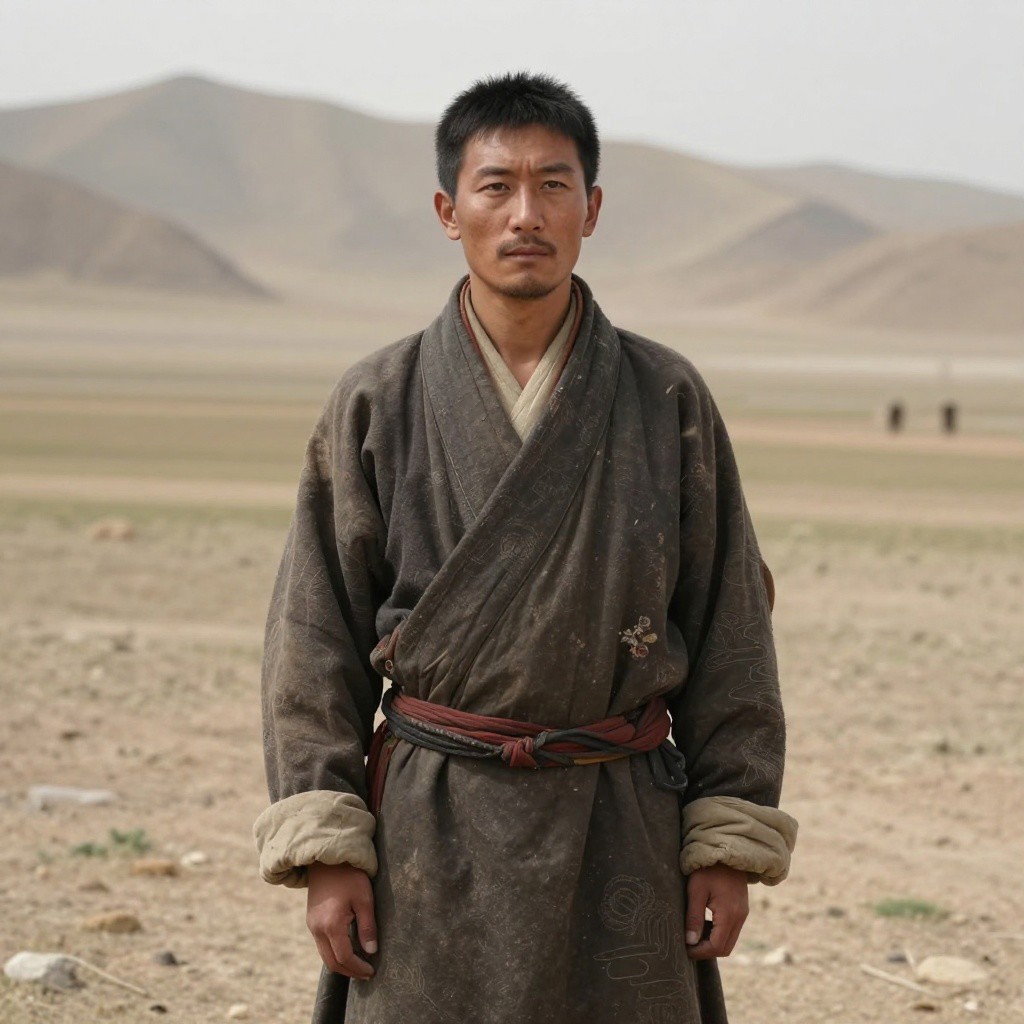
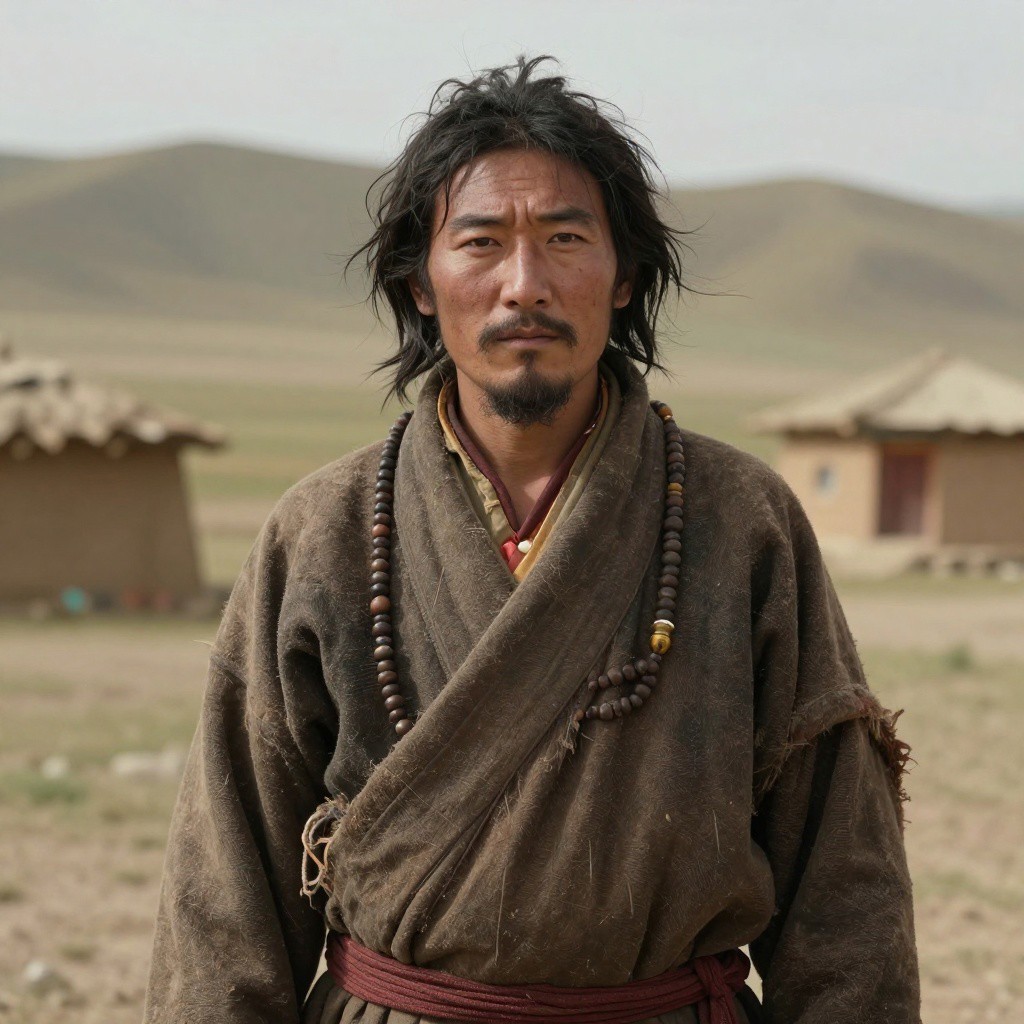
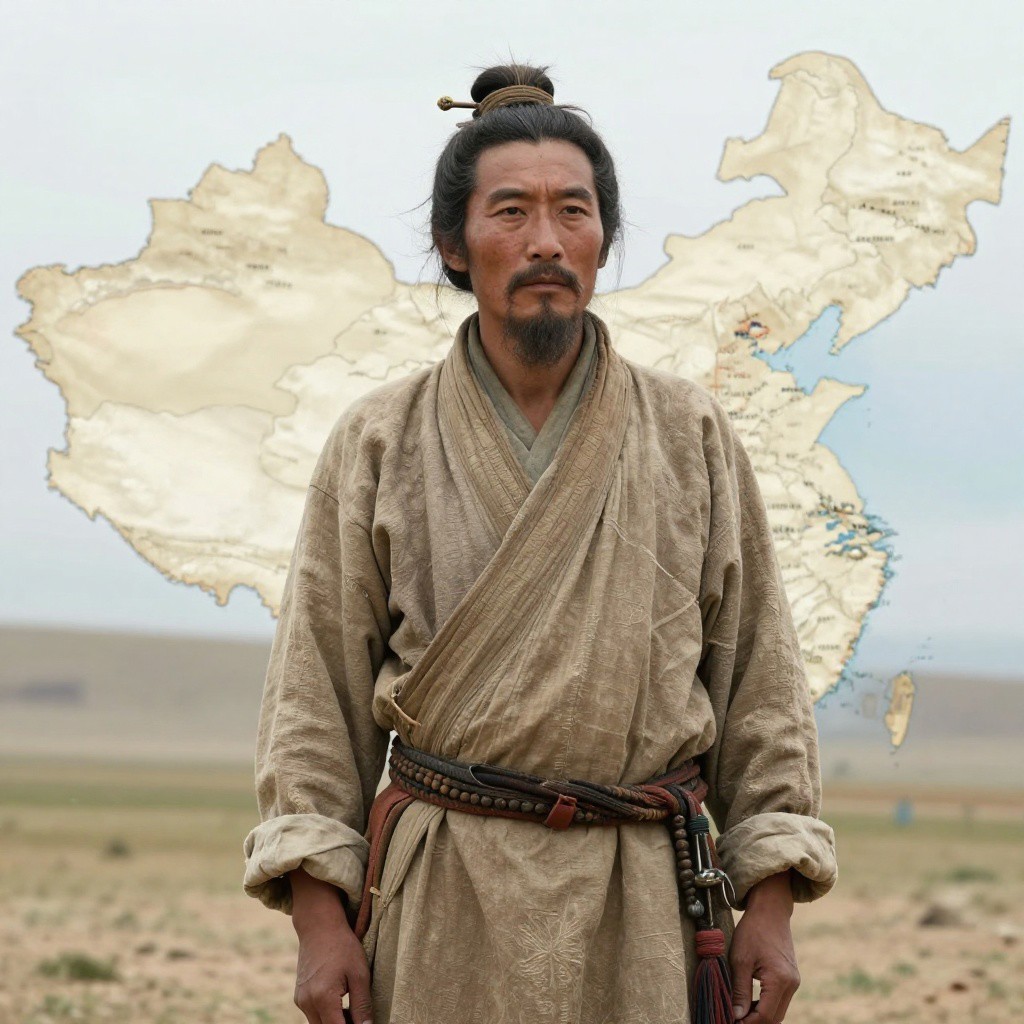
D1A1A is predominantly found among highland Tibeto‑Burman populations of the Tibetan Plateau and the greater Himalayan arc. Highest frequencies and diversity are observed in central and eastern Tibetan populations and in highland groups with long histories of residence at altitude (e.g., Sherpa communities). The haplogroup occurs at lower frequencies in surrounding Himalayan populations (Nepal, Bhutan) and as rare, scattered occurrences among some upland Sino‑Tibetan and neighboring lowland groups in Sichuan and Yunnan (China). Occasional low‑frequency reports further afield in South and Southeast Asian upland communities reflect either ancient dispersals along mountain corridors or recent gene flow.
It is important to emphasize that while D1A1A is regionally concentrated, many neighboring populations carry different dominant Y haplogroups (for example, haplogroup O‑M122/O2), producing a patchwork of paternal lineages in East and South‑Central Asia.
Historical and Cultural Significance
D1A1A serves as a genetic marker of long‑term patrilineal continuity on the Tibetan Plateau. Its distribution aligns with populations historically associated with high‑altitude pastoralism, trans‑Himalayan trade networks, and Tibeto‑Burman language families. In population genetics studies, D1A1A and related D subclades are used to reconstruct the demographic history of plateau peopling, including the persistence of Paleolithic lineages and later Neolithic/Metal Age interactions with incoming agriculturalists.
While Y‑chromosome lineages do not cause physiological adaptations, D1A1A is often found in populations that also carry adaptive alleles for high‑altitude hypoxia tolerance (e.g., EPAS1 variants). This co‑occurrence reflects shared population history rather than a causal relationship between the Y lineage and adaptation.
Conclusion
D1A1A is a geographically focused, late‑Pleistocene subclade of D1A1 that documents long‑term paternal continuity on the Tibetan Plateau and adjacent highlands. It is most informative when combined with autosomal, mitochondrial, archaeological, and linguistic data to reconstruct the complex peopling and demographic history of highland East and South‑Central Asia. Continued high‑resolution Y‑chromosome sequencing across Himalayan and plateau populations will refine subclade definitions and coalescent time estimates for D1A1A and its descendants.
Key Points
- Origins and Evolution
- Subclades (if applicable)
- Geographical Distribution
- Historical and Cultural Significance
- Conclusion