Saltar al contenido principal
Y-DNA · Paterno linaje

E1B1B1B

Y-DNA Haplogroup E1B1B1B

Un perfil de referencia de una rama de linaje. Compartir haplogrupos no demuestra una relación familiar ni una identidad cultural.

Perfil de referencia

Contexto de la rama

Contexto histórico de la rama de linaje Y-DNA E1B1B1B

Origins and Evolution

Y-DNA haplogroup E1B1B1B (commonly labeled E-M81) is a downstream branch of E1B1B1 (E-M35). It is defined by the M81 SNP and phylogenetically sits within the diverse E-M35 radiation that arose in Northeast Africa. E-M81 is generally interpreted to have arisen in Northwest Africa (the Maghreb) in the Late Neolithic to Bronze Age (a few thousand years ago) and then experienced rapid local expansion. Population-genetic patterns (high regional frequency, limited internal diversity in some areas, and strong geographic clustering) are consistent with a localized origin followed by demographic growth and founder effects.

Subclades (if applicable)

E-M81 has internal substructure identifiable with downstream SNPs and short tandem repeat (STR) diversity; some subclades show very tight geographic associations (for example sublineages concentrated in the Canary Islands or particular Amazigh groups). Because E-M35 is an older, pan-Mediterranean clade, E-M81 represents a more recent, geographically focused branch within that tree. Ongoing sequencing continues to resolve finer-scale subclades within E-M81 that illuminate regional migrations and founder events.

Geographical Distribution

E-M81 is overwhelmingly concentrated in Northwest Africa (Morocco, Algeria, Tunisia, parts of Libya) and reaches its highest frequencies among Amazigh (Berber) groups. It is the modal paternal lineage in many Berber-speaking communities and shows extremely high frequencies in some populations (reported up to ~70–80% in isolated Amazigh groups). The haplogroup is also notable in the Canary Islands (ancient Guanche remains and modern islanders), and occurs at lower but measurable frequencies in parts of southern Iberia (especially western Andalusia and Portugal), Sicily and other Mediterranean locales — reflecting prehistoric, historic and medieval contacts across the Mediterranean (including Neolithic movements, Phoenician trade, Roman period interactions and later Islamic-era connections).

Outside the Maghreb it is generally rare but detectable in the Sahel, parts of the Near East at low frequency, and among African-descended populations in the Americas where it was introduced through historic migration and the transatlantic slave trade.

Historical and Cultural Significance

E-M81 is strongly associated with Amazigh (Berber) paternal ancestry and thus with the demographic history of the Maghreb. Its distribution and timing point to a major local expansion of male lineages in Northwest Africa after the initial spread of E-M35. The high frequencies in the Canary Islands reflect founder effects from pre-Hispanic Guanche populations. Later historical movements — including Phoenician/Punic seafaring, Roman-era mobility, and the Islamic expansions across North Africa into Iberia — contributed to limited gene flow of E-M81 into southern Europe. In population-genetic studies E-M81 is often used as a genetic marker for North African heritage and for reconstructing Amazigh demographic processes.

Conclusion

E1B1B1B (E-M81) is a geographically focused, diagnostically North African Y-haplogroup that arose as a branch of the older E-M35 lineage. Its high regional frequency, founder events (notably in the Canary Islands), and limited but discernible spread into Iberia and the Mediterranean reflect both prehistoric demographic expansions in the Maghreb and subsequent historic contact across the western Mediterranean. Continued sequencing and ancient DNA sampling are refining its internal branching and clarifying the timing and routes of its dispersals.

Puntos clave

  • Origins and Evolution
  • Subclades (if applicable)
  • Geographical Distribution
  • Historical and Cultural Significance
  • Conclusion
Perfil de referencia

Árbol y relaciones

Contexto filogenético y subclados

Trayectoria evolutiva

Sigue las ramas superiores registradas hasta E1B1B1B. Las fechas son estimaciones y pueden cambiar al revisarse los datos de referencia.

Pasos Haplogrupo Antigüedad estimada Época arqueológica Tiempo transcurrido Subclados inmediatos Portadores modernos analizados Referencias antiguas
1 E1B1B1B Actual ~4,000 years ago Bronze Age 4,500 years 2 405 0
2 E1B1B1 ~22,000 years ago Mesolithic 22,000 years 2 1,055 0
3 E1B1B ~26,000 years ago Paleolithic 26,000 years 1 1,116 2
4 E1B1 ~28,000 years ago Paleolithic 28,000 years 2 1,572 0
5 E1B ~30,000 years ago Paleolithic 30,000 years 1 1,583 0
6 E1 ~50,000 years ago Paleolithic 50,000 years 2 1,667 2
7 E ~50,000 years ago Paleolithic 50,000 years 3 1,813 3

Ramas hermanas (1)

Otras ramas del mismo haplogrupo superior

Perfil de referencia

En el mundo

Distribución geográfica y presencia moderna

Origen registrado

Northwest Africa (Maghreb)

Distribución moderna

The populations where Y-DNA haplogroup E1B1B1B is found include:

  1. Amazigh (Berber) populations of Morocco, Algeria and Tunisia
  2. Canary Islanders (ancient Guanche and modern island populations)
  3. Coastal North African groups (Moroccans, Algerians, Tunisians, some Libyans)
  4. Southern Iberian populations (western Andalusia, Portugal) and parts of Sicily
  5. Sahelian and West African groups at low frequencies (through regional admixture)
  6. Small numbers in Near Eastern and eastern Mediterranean populations (historical gene flow)
  7. African-descended populations in the Americas and Caribbean (historic/diaspora presence)
  8. Isolated communities showing founder effects (local Amazigh enclaves and island populations)

Presencia regional

North Africa (Maghreb) High
Southern Europe (Iberia) Moderate
West Africa / Sahel (fringe) Low
Atlantic Islands (Canary Islands) Moderate
Near East / Eastern Mediterranean Low
North Africa High
Southwest Europe (Iberia) Moderate
Near East / Eastern Mediterranean Low
The Americas (diaspora) Low
Contexto histórico

Una rama a través del tiempo

Formación estimada en una cronología histórica amplia. Los marcadores temporales aportan contexto y no implican relación con culturas concretas.

  1. ~10k años de antigüedad

    Revolución neolítica

    Inicio de la agricultura y formación de comunidades sedentarias

  2. ~5k años de antigüedad

    Edad del Bronce

    Metalurgia, escritura y primeras civilizaciones

  3. ~4.5k años de antigüedad

    Haplogrupo E1B1B1B

    Formación estimada de esta rama de Y-DNA; las fechas y ubicaciones son estimaciones de referencia.

    Esta rama
  4. ~3k años de antigüedad

    Edad del Hierro

    Herramientas de hierro y ampliación de redes comerciales

  5. ~2.5k años de antigüedad

    Antigüedad clásica

    Desarrollo de las civilizaciones griega y romana

  6. Actualidad

    Actualidad

    Época moderna

Perfil de referencia

Contexto arqueológico

Asociaciones arqueológicas registradas para la rama Y-DNA E1B1B1B

Asociaciones registradas

Estas etiquetas describen contextos arqueológicos registrados para las muestras de referencia enlazadas a E1B1B1B. Una asociación no demuestra que todos los portadores pertenecieran a una cultura ni siguieran una ruta migratoria concreta.

Algeria_Afalou_Paleolithic Early Avar Farkhor Culture German Jewish Ghassulian Natufian Segorbe Islamic Swat Valley Transition Tell Atchana
Las atribuciones culturales se basan en el contexto arqueológico de las muestras de ADN antiguo y pueden representar asociaciones regionales de periodos concretos.
Perfil de referencia

Catálogo de muestras

19 portadores de subclados del haplogrupo E1B1B1B (sin portadores directos en la selección de referencia actual)

10 mostradas · 19 muestras coincidentes

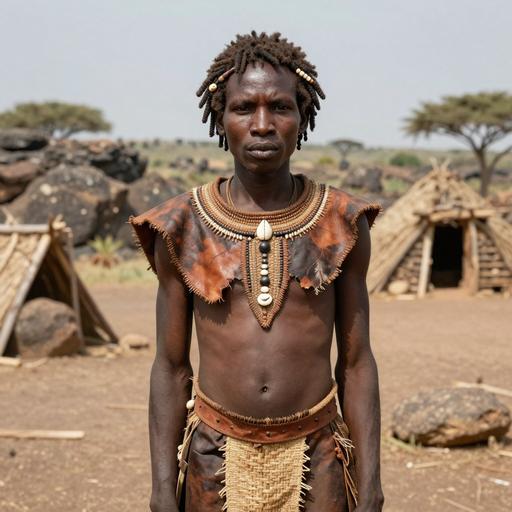
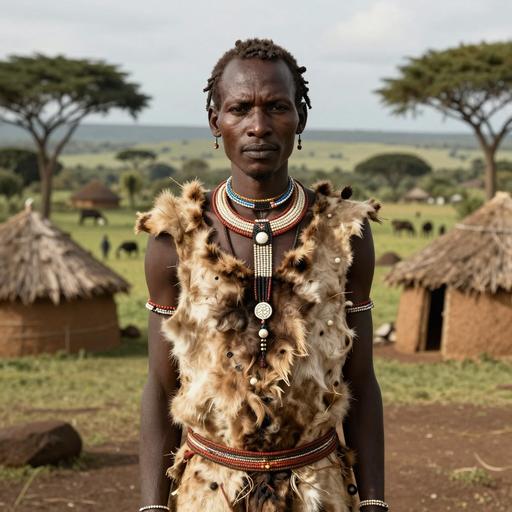
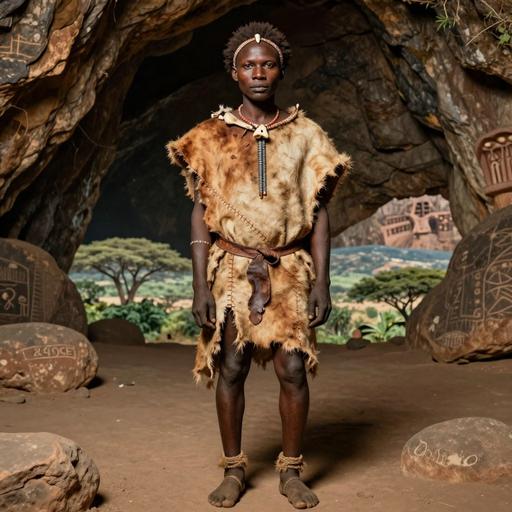
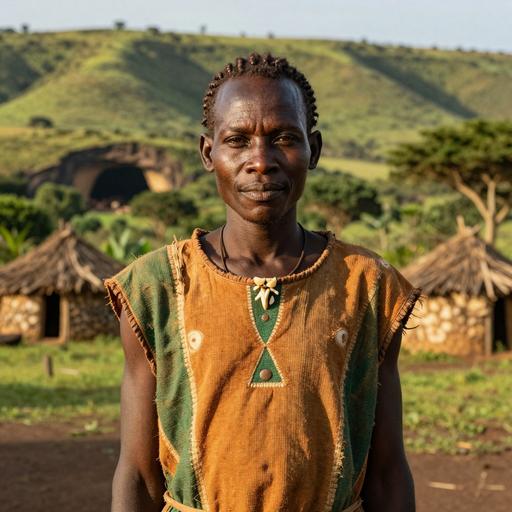
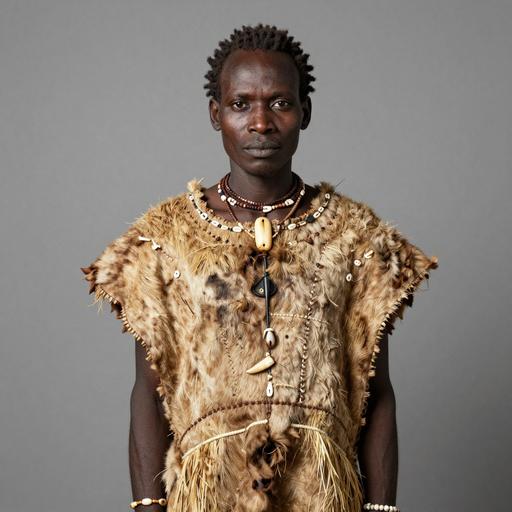
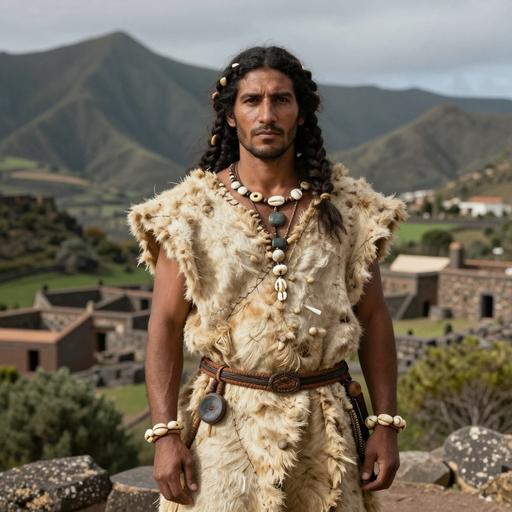
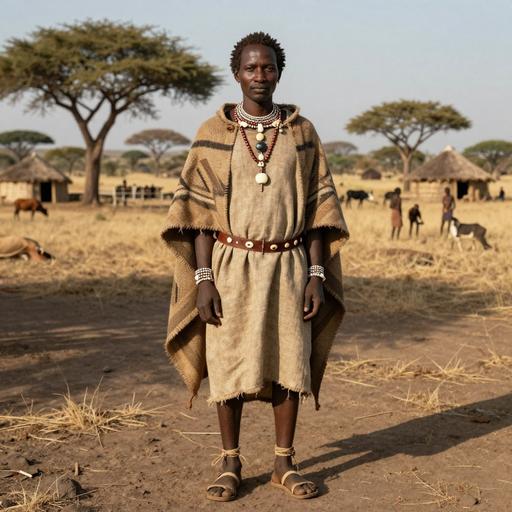
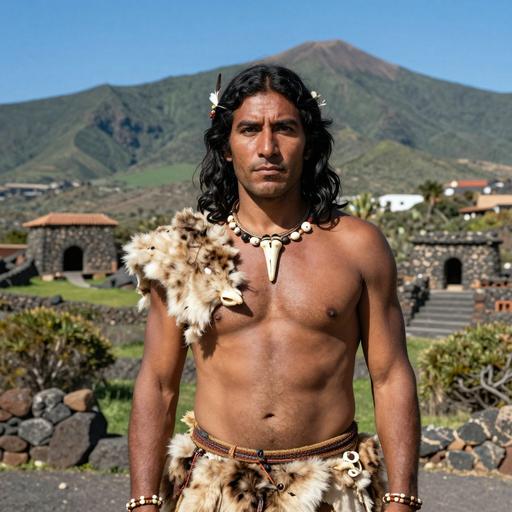
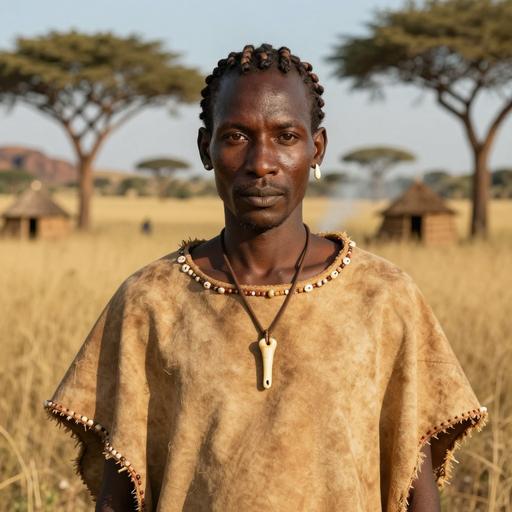
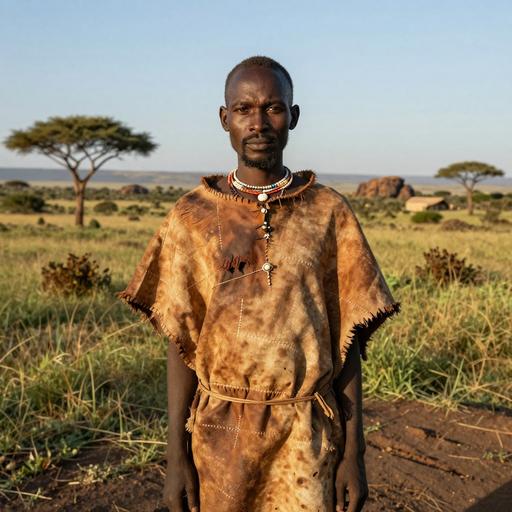
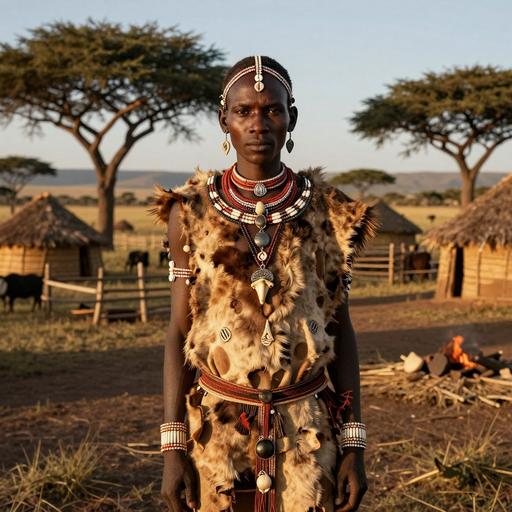
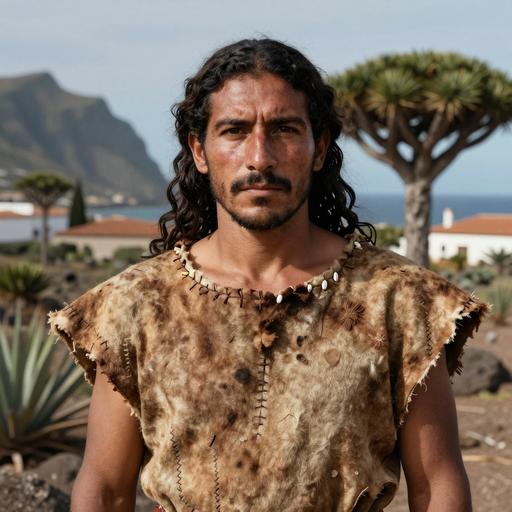
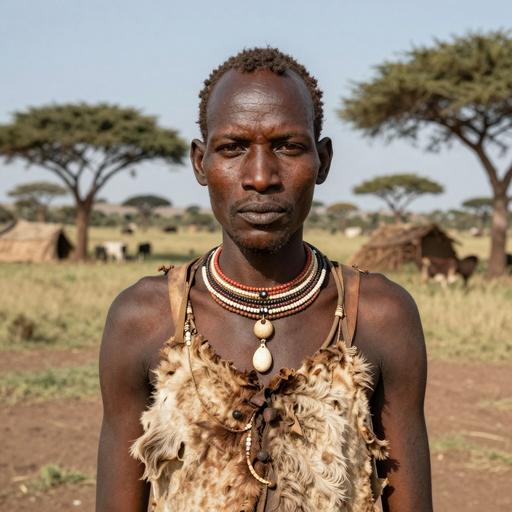
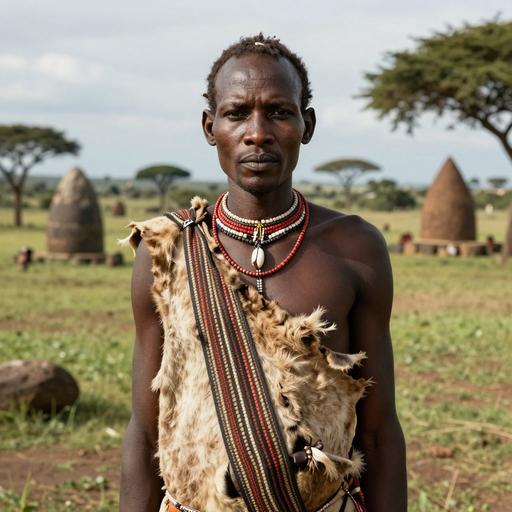
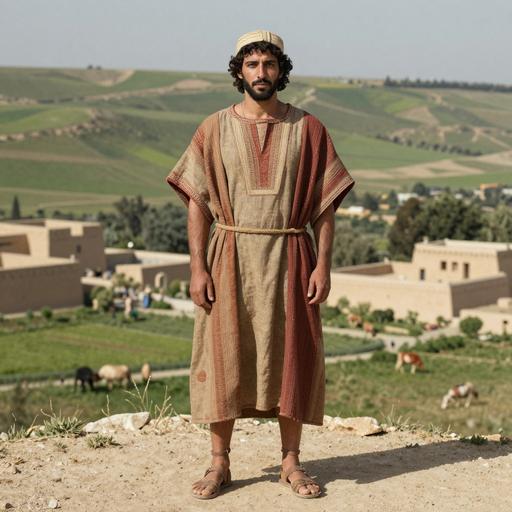
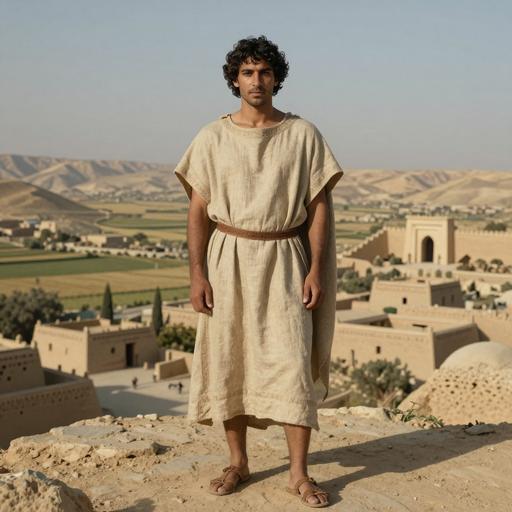
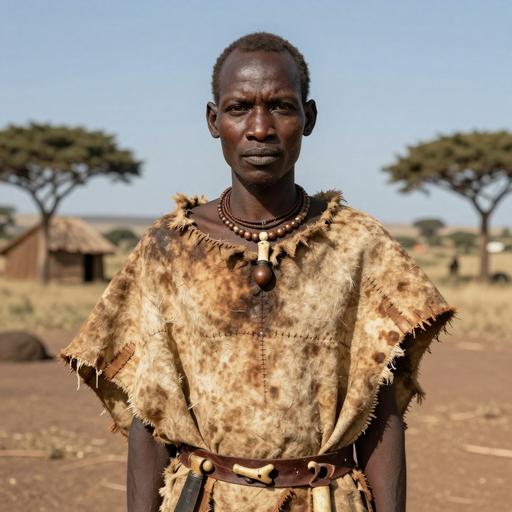
Los retratos son ilustraciones generadas con IA. Las etiquetas de muestra y los identificadores de acceso identifican los registros de referencia.

Retrato Muestra País Época Fecha Cultura Y-DNA Coincidencia
Retrato ilustrativo de Pastoral N individual, Gishimangeda Cave, Tanzania (47-113 BCE) generado con IA
Identificador de muestra: I13977
Tanzania Prehistoric in Tanzania 47 calBCE - 113 calCE (2005±20 BP, PSUAMS-5652) Tanzanian Prehistoric E1b1b1b2b2 Subclado
Retrato ilustrativo de Pastoral N IA-o individual, Gishimangeda Cave, Tanzania (200-1 BCE) generado con IA
Identificador de muestra: I13762
Tanzania Prehistoric and Iron Age in Tanzania 163-59 calBCE (2140±15 BP, PSUAMS-5458) Tanzania Multi-Period E1b1b1b2b2a1 Subclado
Retrato ilustrativo de Pastoral N individual, Nyandarua. Ol Kalou, Kenya (215-326 BCE) generado con IA
Identificador de muestra: I12384
Kenya Kenya PastoralN 229-358 calCE (1800±20 BP, PSUAMS-4940) Pastoral Neolithic E1b1b1b2b2a1 Subclado
Retrato ilustrativo de Pastoral N individual, Gishimangeda Cave, Tanzania (245-368 CE) generado con IA
Identificador de muestra: I13972
Tanzania Prehistoric in Tanzania 245-368 calCE (1780±25 BP, PSUAMS-5651) Tanzanian Prehistoric E1b1b1b2b2 Subclado
Retrato ilustrativo de Pastoral N individual, Molo Cave. GoJi3, Kenya (437-600 BCE) generado con IA
Identificador de muestra: MOL001
Kenya Molo Cave Pastoral Neolithic in Kenya 541-637 calCE (1532±21 BP, OxA-37360) Molo Cave Culture E1b1b1b2b Subclado
Retrato ilustrativo de Pastoral N individual, Hyrax Hill. GrJj25, Kenya (513-386 BCE) generado con IA
Identificador de muestra: HYR002
Kenya Hyrax Hill Pastoral Neolithic in Kenya 415-202 calBCE (2354±23 BP, OxA-37352) Hyrax Hill E1b1b1b2b Subclado
Retrato ilustrativo de Berber individual, Tenerife, Canary Islands (593-660 CE) generado con IA
Identificador de muestra: gun012
Canary Islands The Guanche People of the Canary Islands 593 CE - 660 CE Guanche E1b1b1b1a1 Subclado
Retrato ilustrativo de EIA individual, Xaro, Botswana (700-1,000 CE) generado con IA
Identificador de muestra: XAR002
Botswana Xaro Early Iron Age in Botswana 700-1000 CE Xaro Culture E1b1b1b2b Subclado
Retrato ilustrativo de Berber individual, Tenerife, Canary Islands (704-887 CE) generado con IA
Identificador de muestra: gun011
Canary Islands The Guanche People of the Canary Islands 704 CE - 887 CE Guanche E1b1b1b1a1 Subclado
Retrato ilustrativo de Pastoral N Elmenteitan individual, Nakuru. Rigo Cave. GrJh3, Kenya (767-519 BCE) generado con IA
Identificador de muestra: I12398
Kenya Kenya PastoralN Elmenteitan 778-539 calBCE (2538±13 BP) [R_combine: (2570±15 BP, PSUAMS-4946), (2480±20 BP, PSUAMS-4945)] Elmenteitan Culture E1b1b1b2b2a1 Subclado
PATERNAL LINAJE · ADN ANTIGUO

Mapa de pruebas de linajes antiguos

Sigue los clados superiores hasta esta rama y explora dónde se encontraron portadores antiguos.

Cargando observaciones antiguas...

Los marcadores son ubicaciones de hallazgos arqueológicos. Una línea discontinua representa una transición geográfica propuesta e incierta entre ramas consecutivas, apoyada en varias observaciones fechadas; no es una ruta de viaje exacta, un lugar de nacimiento ni una prueba de descendencia directa. Las muestras del clado parental pueden pertenecer a otras ramas descendientes. Se mantienen huecos cuando las pruebas son insuficientes. Las fechas de las muestras son distintas de las fechas de formación de los haplogrupos.

Perfil de referencia

Mapa de distribución de portadores

Distribución geográfica de muestras de ADN antiguo (19), portadores directos o de subclados de E1B1B1B

Portador de un subclado
Filtro de periodo temporal
Todos los periodos
Mostrando todas las muestras
Perfil de referencia

Distribución temporal

Distribución de portadores por periodos arqueológicos

Perfil de referencia

Distribución geográfica

Recuentos por país registrado de las muestras. Reflejan la selección de referencia disponible, no frecuencias de población.

Perfil de referencia

Distribución por país y época

Compara los recuentos de muestras registradas por países y periodos arqueológicos. Selecciona una celda con datos para examinar una muestra.

Datos

Datos y procedencia

Información sobre las fuentes y la calidad de los datos

Última actualización 2026-06-15
Puntuación de confianza 50/100
Cobertura Low

Fuente de datos

La clasificación, las fechas estimadas y el contexto geográfico reflejan los datos de referencia registrados y pueden cambiar al revisarse las pruebas. La cobertura de muestras es desigual; las ubicaciones registradas y las asociaciones arqueológicas no establecen el origen personal ni la identidad cultural.