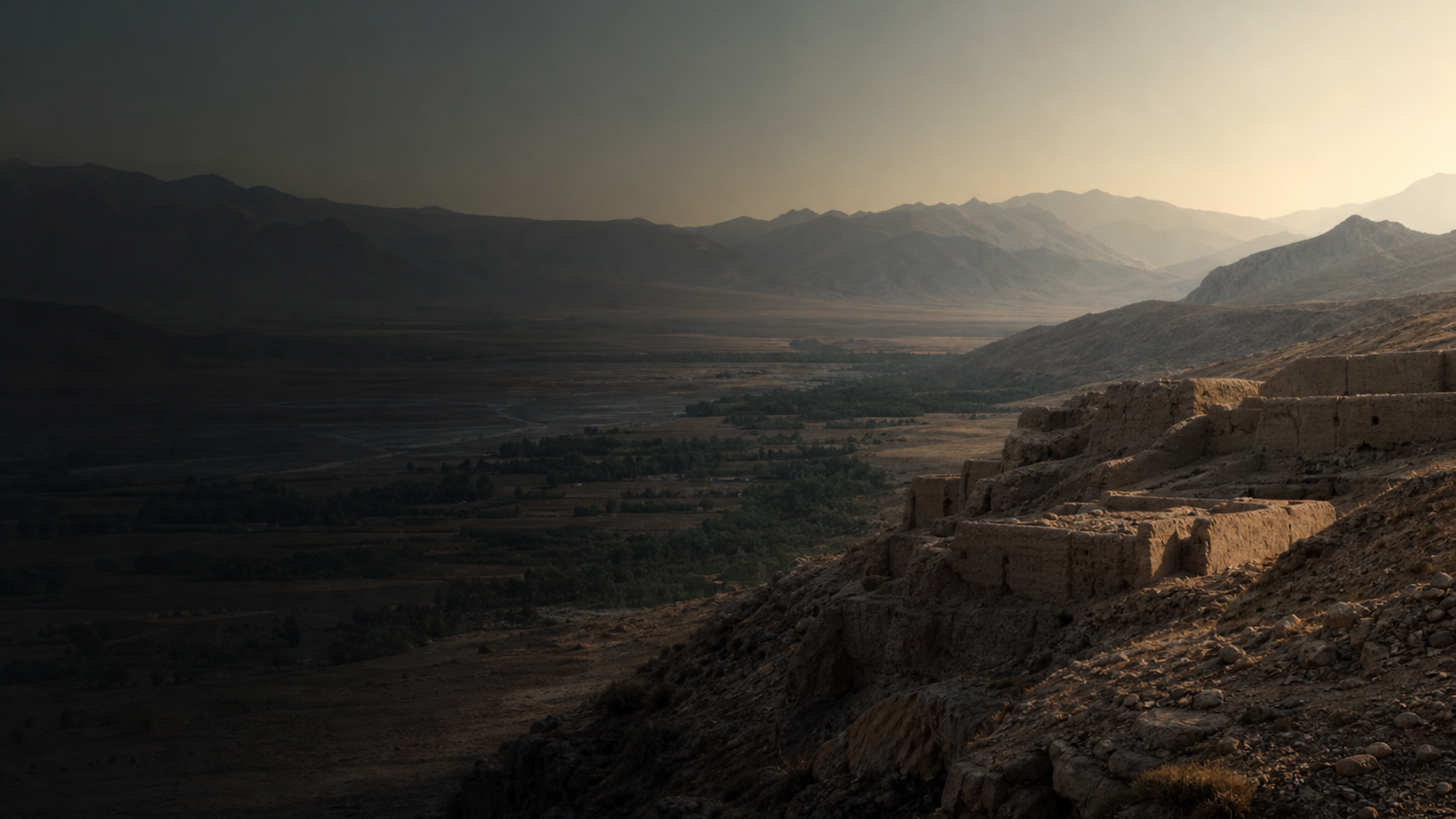
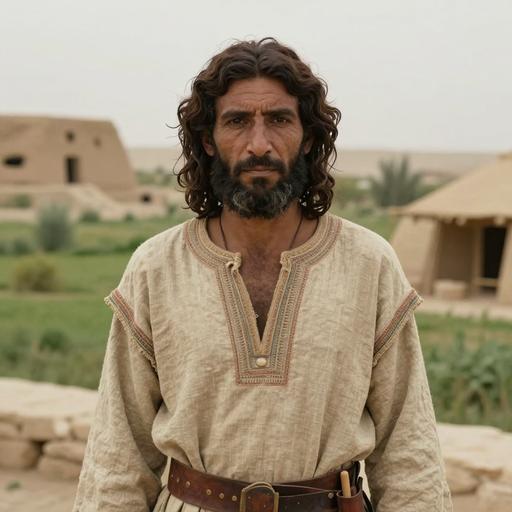
Rising from a rugged canyon landscape, Darra-i-Kur Cave in eastern Afghanistan offers a careful, if narrow, portrait of Middle Bronze Age presence in the highlands. Radiocarbon-constrained material places the recovered individual between 2581 and 2411 BCE, within what archaeologists call the Middle Bronze Age Darral-Kur horizon. Archaeological data indicates intermittent use of the cave for burial or ritual deposition rather than dense settlement, with lithics, ceramics, and ecofacts hinting at mobile lifeways adapted to river valleys and upland pastures.
Limited evidence suggests cultural connections across the greater Oxus-Murghab corridor: trade in exotic goods, shared ceramic motifs, and movement of pastoral communities. The broader landscape was a mosaic of valleys and steppe margins where small groups could maintain familial territories while engaging in long-distance exchange. This single genome cannot reconstruct migration routes, but it does provide a tangible human link to the complex tapestry of Middle Bronze Age South-Central Asia. Where the archaeological record is sparse, genetic data can illuminate ancestry threads — cautiously and within the limits set by a sample size of one.