Darra-i-Kur: Middle Bronze Age Echoes

Download PDF creates a visual, rasterized copy. Use Print for selectable text and better assistive-technology support.

Skip to main content
Civilization Spotlight

Darra-i-Kur: Middle Bronze Age Echoes

A single genomic window into life at Darra-i-Kur Cave, Afghanistan, c. 2580–2410 BCE

2581 CE - 2411 BCE
Darra-i-Kur Cave, Afghanistan
1 Ancient Samples

The Story

Archaeogenetic profile of one Middle Bronze Age individual from Darra-i-Kur Cave (2581–2411 BCE), Afghanistan. Limited but evocative data links a West Eurasian maternal lineage (H2a) and a paternal R lineage to broader Bronze Age dynamics; conclusions remain preliminary.

Time Period

2581–2411 BCE

Region

Darra-i-Kur Cave, Afghanistan

Common Y-DNA

R (1 sample)

Common mtDNA

H2a (1 sample)

Sample locations

The interactive map is unavailable. Browse the sample catalog for recorded locations.

Timeline

2500 BCE

Middle Bronze Age individual deposited

A human burial or deposit at Darra-i-Kur Cave dated within 2581–2411 BCE provides the single genome informing this profile.

Origins & Emergence

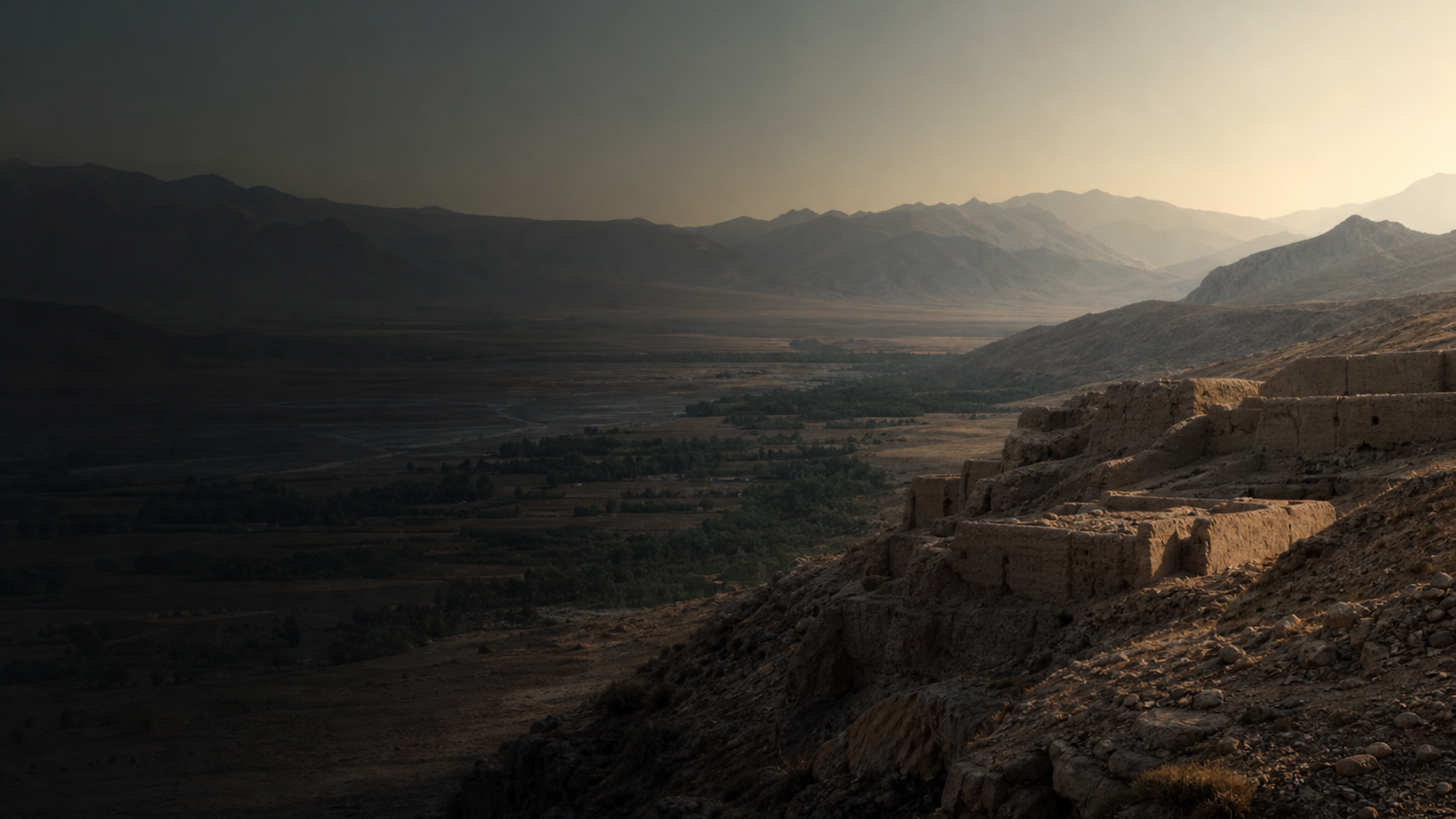
Rising from a rugged canyon landscape, Darra-i-Kur Cave in eastern Afghanistan offers a careful, if narrow, portrait of Middle Bronze Age presence in the highlands. Radiocarbon-constrained material places the recovered individual between 2581 and 2411 BCE, within what archaeologists call the Middle Bronze Age Darral-Kur horizon. Archaeological data indicates intermittent use of the cave for burial or ritual deposition rather than dense settlement, with lithics, ceramics, and ecofacts hinting at mobile lifeways adapted to river valleys and upland pastures.

Limited evidence suggests cultural connections across the greater Oxus-Murghab corridor: trade in exotic goods, shared ceramic motifs, and movement of pastoral communities. The broader landscape was a mosaic of valleys and steppe margins where small groups could maintain familial territories while engaging in long-distance exchange. This single genome cannot reconstruct migration routes, but it does provide a tangible human link to the complex tapestry of Middle Bronze Age South-Central Asia. Where the archaeological record is sparse, genetic data can illuminate ancestry threads — cautiously and within the limits set by a sample size of one.

  • Individual dated to 2581–2411 BCE from Darra-i-Kur Cave
  • Archaeological context suggests episodic burial or ritual use
  • Regionally connected via Oxus-Murghab exchange networks

Daily Life & Society

Archaeological remains from the Darra-i-Kur context evoke a world of seasonal rhythms: herding goats and sheep on valley slopes, collecting wild resources, and occasional exchange with lowland communities. Ceramic sherds and toolkits recovered nearby point to skilled potters and flint-workers; faunal remains suggest mixed subsistence strategies combining pastoralism with hunting and opportunistic foraging.

Social organization at this scale was likely kin-based and mobile, with households forming fluid networks rather than fixed nucleated settlements. Mortuary practices at cave sites often emphasize selective deposition, possibly reflecting social distinctions, ritual specialists, or the burial of travelers. These interpretations remain cautious: archaeological data from Darra-i-Kur are limited, and many details of craft specialization, long-distance trade, and social hierarchy await further excavation and contextual study.

  • Mixed pastoral and foraging economy inferred from ecofacts
  • Kin-based, mobile social networks likely dominated the landscape

Genetic Profile

The genetic portrait from Darra-i-Kur is necessarily tentative: it is based on a single individual. That individual carried a paternal lineage assigned broadly to haplogroup R and a maternal lineage of mtDNA H2a. Haplogroup R is widespread across West and Central Eurasia and encompasses sublineages commonly observed in Bronze Age contexts; however, without fine resolution (for example, subclade assignment or additional Y genomes) we cannot specify precise steppe or regional affiliations.

MtDNA H2a is a West Eurasian maternal lineage found sporadically in Neolithic and Bronze Age assemblages across Europe and parts of West Asia. Its presence here suggests maternal ancestry components connected to wider West Eurasian gene pools, but single-point occurrences can reflect complex local admixture or long-distance ancestry.

Archaeogenomic comparisons across South-Central Asia increasingly reveal mixtures of local Neolithic-derived ancestry with components linked to steppe and western Iranian-related groups. Given the sample count of one, any broader demographic inference must be framed as preliminary: additional genomes from Darra-i-Kur and contemporaneous sites are essential to test whether these haplogroups represent common patterns or isolated individual histories.

  • Y-DNA: R (broad assignment) — common in West/Central Eurasia
  • mtDNA: H2a — West Eurasian maternal lineage; interpret cautiously

Legacy & Modern Connections

This single Middle Bronze Age genome acts as a cinematic bead threaded through millennia: it reminds us that the highlands of Afghanistan were part of broader webs of people and genes. Modern populations across Afghanistan and neighboring regions carry a complex mosaic of ancestries formed by repeated migrations, local persistence, and cultural exchange. The presence of broad West Eurasian lineages in a Darra-i-Kur individual resonates with patterns seen elsewhere in Bronze Age Eurasia, but it does not map directly onto modern ethno-linguistic groups.
Archaeogenetic work at Darra-i-Kur underscores the value of integrating DNA with archaeology: genetics can signal ancestral linkages that archaeology then situates in cultural, economic, and environmental context. Because the dataset is currently one genome, claims about continuity or influence on contemporary populations are premature; the strongest legacy of this finding is methodological: it highlights promising targets for future sampling to illuminate the Middle Bronze Age human story in Afghanistan.

  • Links ancient West Eurasian maternal and paternal lineages to the region
  • Current conclusions are provisional; further sampling is needed

Sample Catalog

1 / 1 samples
Portrait Sample Country Era Date Culture Sex Y-DNA mtDNA
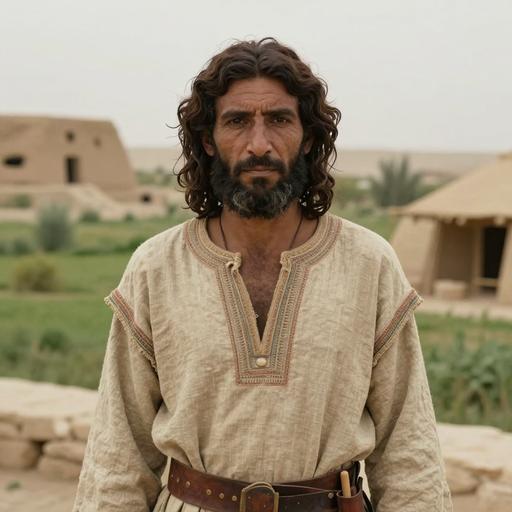
Reconstructed portrait of Indus Valley Civilization individual, Afghanistan
Afghanistan Afghanistan_DarralKur_MBA 2581 BCE Indus Valley Civilization M R-M479 H2a

AI Assistant

AI Assistant by DNAGENICS

Unlock this feature
Ask questions about the Darra-i-Kur: Middle Bronze Age Echoes culture. Our AI assistant can explain genetic findings, historical context, archaeological evidence, and modern connections.
Sample AI Analysis

The Darra-i-Kur: Middle Bronze Age Echoes culture represents a fascinating chapter in human history...

Genetic analysis reveals connections to earlier populations while showing evidence of unique adaptations and cultural innovations. The ancient DNA samples provide insights into migration patterns, social structures, and the biological relationships between ancient populations.

This is a preview of the AI analysis. Unlock the full AI Assistant to explore detailed insights about:

  • Genetic composition and ancestry
  • Migration patterns and origins
  • Daily life and cultural practices
  • Modern genetic legacy
Use code for 25% off • Expires Nov 13





