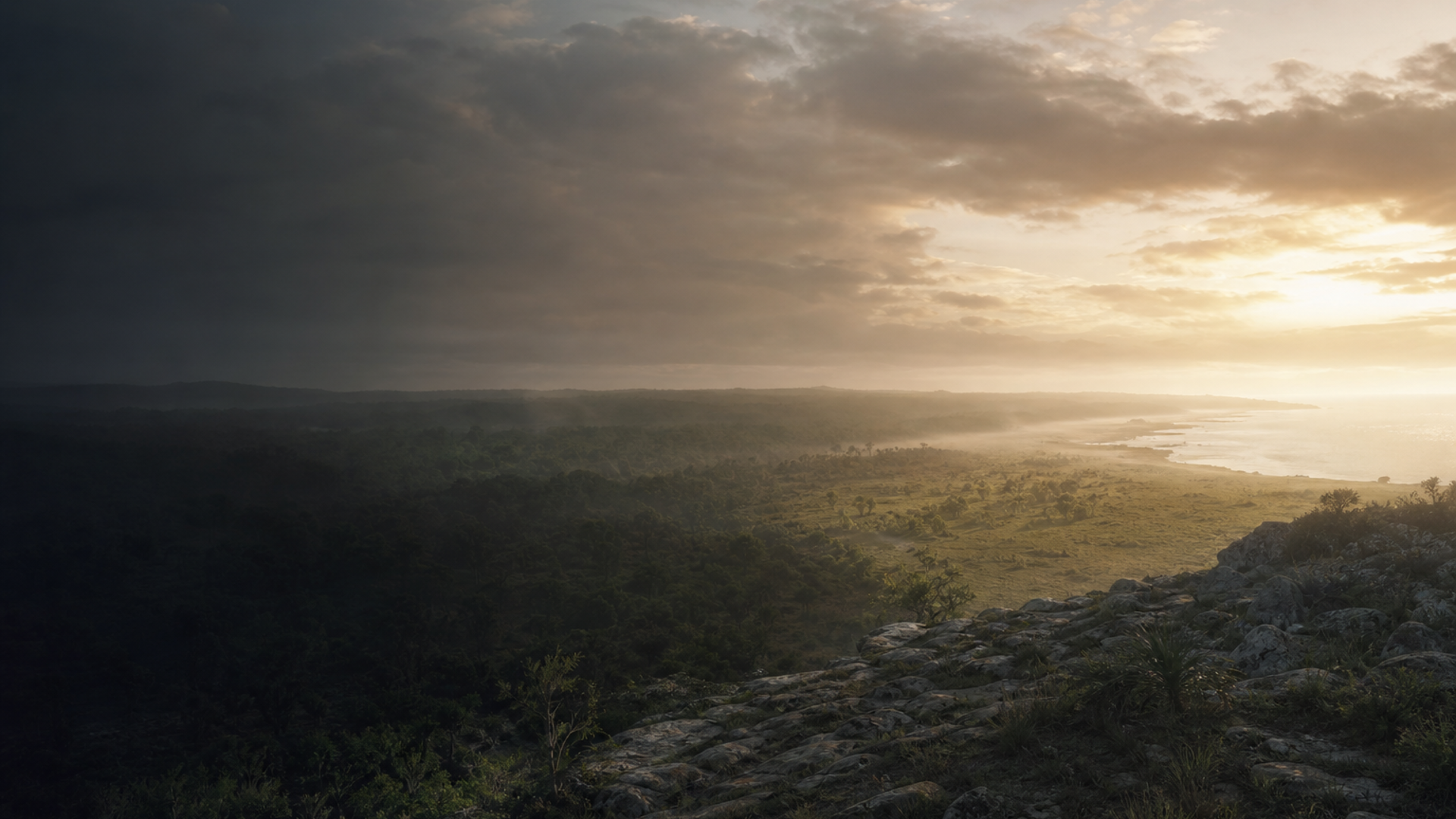
Daily life for the people represented by Belize_11700BP was likely organized around high mobility, seasonality, and intimate knowledge of diverse ecosystems. Archaeological data from the region indicate Early Holocene groups in Mesoamerica relied on riverine fish, shellfish where coasts were accessible, and a suite of plant and terrestrial game resources as forests recovered from the Late Pleistocene. Sheltered caves, rock shelters, and temporary coastal camps would have served as nodes in seasonal rounds.
Social groups were probably small, kin‑based bands with flexible residential patterns. Toolkits were practical and transportable — flaked stone points, cutting implements, and perishable gear suited to foraging lifeways — though the specific artifact assemblage at Mayahak Cab Pek is sparse in the published record. The recovery of a human individual implies ritual behaviors or mortuary events in protected contexts, but with only one specimen, we must avoid broad generalizations about funerary practice. Cultural expression at this time was shaped by intimate, daily interactions with a changing tropical landscape rather than by large, sedentary infrastructures.