Preparando el informe

Cargando la información y las referencias disponibles

Consultando el registro arqueológico...

Recopilando registros antiguos

Saltar al contenido principal
Mesolithic Hunter-Gatherers of Namur
Cultura destacada

Mesolithic Hunter-Gatherers of Namur

Post-glacial communities in Wallonia revealed by caves, river-systems and ancient DNA

9160 CE - 8294 BCE
Wallonia, Belgium (Namur province)
5 Muestras antiguas
Desplázate para empezar
Capítulo I

La historia

Comprender la cultura Mesolithic Hunter-Gatherers of Namur

Archaeological and genetic glimpses from 4 Mesolithic individuals (9160–8294 BCE) excavated at Abri des Autours, Malonne Petit Ri and Waulsort Caverne X in Namur, Belgium. mtDNA U appears in two samples; broader patterns hint at Western Hunter‑Gatherer ancestry but conclusions are preliminary.

Time Period

9160–8294 BCE

Region

Wallonia, Belgium (Namur province)

Common Y-DNA

Undetermined (few samples)

Common mtDNA

U (2 of 4 samples)

Capítulo II

Cronología

Momentos clave de la historia de esta cultura

9000 BCE

Early Holocene occupation of Namur shelters

Archaeological layers at Abri des Autours, Malonne Petit Ri and Waulsort record seasonal occupations by Mesolithic hunter‑gatherers in river valleys.

Capítulo III

Origins & Emergence

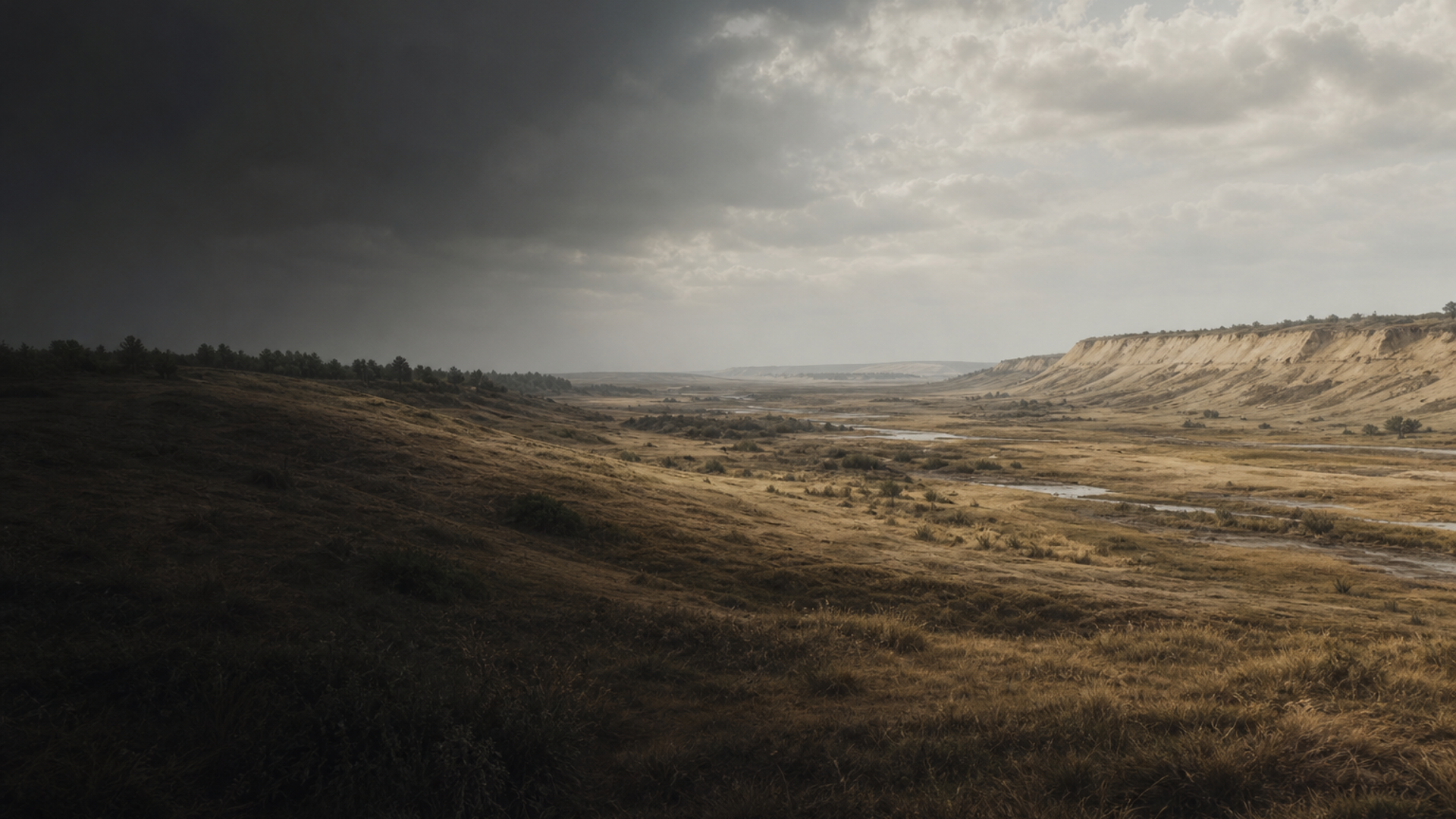
As the ice sheets retreated after the Last Glacial Maximum, the river valleys of what is now Namur became corridors of renewal. Between 9160 and 8294 BCE, small bands of hunter‑gatherers reoccupied sheltered abris and cave mouths along the Meuse and its tributaries. Archaeological data from Abri des Autours, Malonne Petit Ri and Waulsort Caverne X indicate episodic use of rock shelters and cave systems — places where human activity, hearths and discarded stone tools accumulated in stratified layers.

Limited evidence suggests these groups exploited a mosaic of habitats: riparian fisheries, wooded slopes and open wetlands created by a warming climate. Lithic scatters and tool types typically assigned to Mesolithic assemblages point to microlithic technologies optimized for composite weapons and versatile foraging. Faunal remains and site taphonomy (where preserved) further indicate seasonal occupation patterns tied to fish runs and migratory game.

Genetically, these early post‑glacial inhabitants fit into a broader story of Western European Mesolithic populations, but caution is essential: only four individuals are sampled. Archaeological and preliminary genetic signals together suggest continuity with wider hunter‑gatherer networks, yet local adaptations and mobility across riverine landscapes made each site a distinct chapter in a dynamic, postglacial landscape.

  • Occupied riverine shelters in Namur (Abri des Autours, Malonne Petit Ri, Waulsort Caverne X)
  • Date range: 9160–8294 BCE, early Holocene reoccupation after glacial retreat
  • Evidence indicates seasonal mobility, fishing, and microlithic tool use
Capítulo IV

Daily Life & Society

Imagine a damp dawn in a limestone overhang: smoke wafts from small hearths, children run among dated tool‑knapping debris, and nets or weirs are repaired for the morning’s catch. Archaeological data indicates these were low‑density communities organized in small bands of kin, moving seasonally to exploit fish, birds, and large mammals as they tracked resources across interconnected river valleys.

Material culture was practical and portable. Microliths and retouched blades could be hafted onto shafts for hunting or sliced for plant processing. Organic implements — bone points, cordage — rarely survive in this region but are inferred from tool forms and use‑wear. Seasonal aggregation in caves and abris would have supported social exchange: sharing food, raw materials, and information about distant camps.

Burial evidence in the region is sparse; where human remains occur, they provide crucial snapshots of health, diet and kinship. Sedimentary contexts at the Namur sites show repeated short‑term occupations rather than large, permanent villages, underlining a flexible lifeway attuned to a changing early Holocene environment.

  • Small, mobile bands exploiting rivers, wetlands and forests
  • Portable toolkits, seasonal camps in shelters and caves
Capítulo V

Genetic Profile

Four individuals, dated between 9160 and 8294 BCE from Abri des Autours, Malonne Petit Ri and Waulsort Caverne X, provide the genetic window we have for Belgium_Mesolithic. Two of the four carry mitochondrial haplogroup U — a lineage commonly found among European Upper Paleolithic and Mesolithic hunter‑gatherers. Y‑chromosome information is currently undetermined in these samples or not reported, so paternal lineages remain unresolved.

Broader ancient‑DNA studies across Western Europe repeatedly recover a dominant Western Hunter‑Gatherer (WHG) ancestry component in Mesolithic populations; the Belgian samples are compatible with that pattern but cannot alone define it. With only four genomes, statistical power is limited: population structure, kinship within sites, and subtle admixture events cannot be robustly inferred. Any claims about continuity into later populations or precise affinities to neighboring groups must therefore be framed as provisional.

Despite these constraints, combining archaeology with DNA yields compelling narratives: mitochondrial haplogroup U connects these individuals to a deep maternal heritage that spans much of Mesolithic Europe. Future sequencing of additional individuals, higher coverage genomes, and targeted Y‑DNA assays will be necessary to build a fuller genetic portrait of early Holocene Belgium.

  • mtDNA U detected in 2 of 4 samples — common in European Mesolithic contexts
  • Sample size is very small (<10); genetic conclusions are preliminary
Capítulo VI

Legacy & Modern Connections

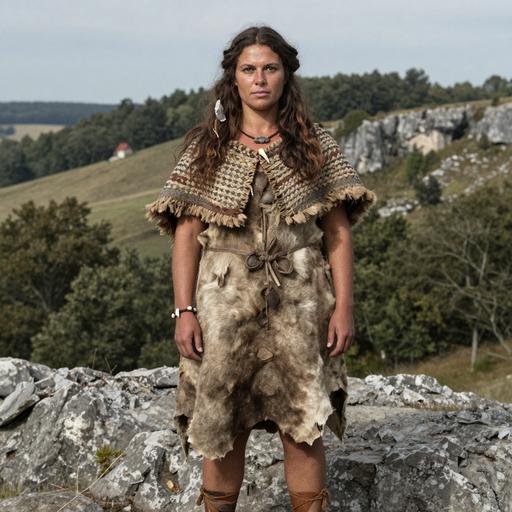
The people of Belgium’s Mesolithic landscape left no large monuments, but their legacy endured in subtle ways: ecological knowledge of riverine resources, seasonal mobility strategies, and genetic threads woven into later populations. Archaeological data indicates that Mesolithic hunter‑gatherers across northwest Europe formed a substrate of ancestry that later interacting groups — notably incoming Neolithic farmers — encountered and mixed with.

Genetically, traces of Mesolithic maternal lineages (such as haplogroup U) persist in later prehistoric and some modern mitochondrial pools, but direct continuity at the local scale cannot be assumed from the current four samples. Instead, these individuals are best seen as representative snapshots of a dynamic, post‑glacial human landscape whose people contributed to the tapestry of European ancestry. Ongoing aDNA work and new excavations in Wallonia will clarify how these early inhabitants connect to the present.
  • Mesolithic ancestry contributes to the genetic foundation of later European populations
  • Current genetic data are snapshots; additional sampling is required to assess local continuity
Capítulo VII

Catálogo de muestras

5 muestras de ADN antiguo asociadas con la cultura Mesolithic Hunter-Gatherers of Namur que aportan datos de referencia sobre las poblaciones de este periodo.

5 / 5 muestras
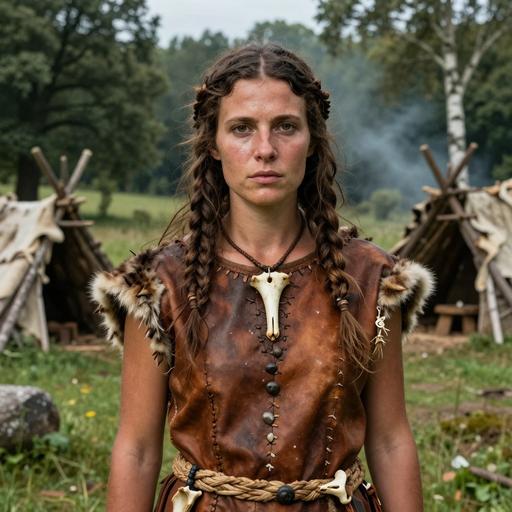
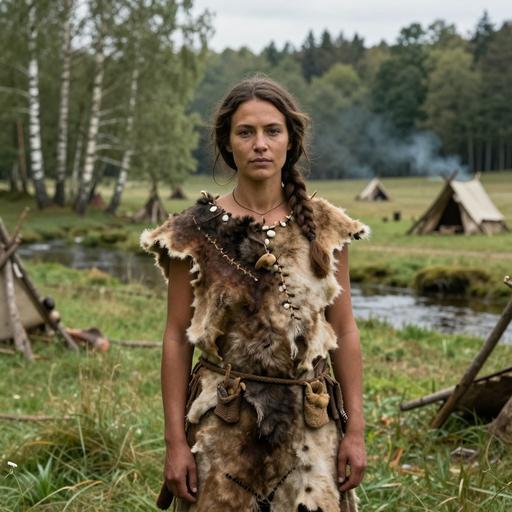
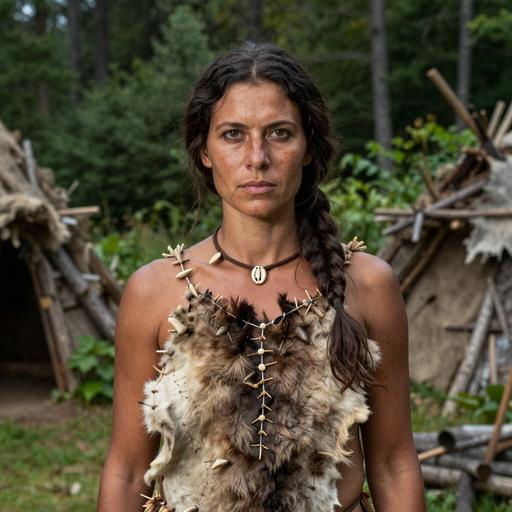
Retrato Muestra País Época Fecha Cultura Sexo ADN-Y ADNmt
Retrato reconstruido de Mesolithic individual, Belgium
Mesolithic individual, Belgium
Belgium Belgium_Mesolithic 9160-8623 calBCE (9500±75 BP, OxA-4917) Pre-civilization F - U5a2
Retrato reconstruido de Mesolithic individual, Belgium
Mesolithic individual, Belgium
Belgium Belgium_Mesolithic 8731-8294 calBCE (9270±90 BP, OxA-5042) Pre-civilization F - U5b2a
Retrato reconstruido de Mesolithic individual, Belgium
Mesolithic individual, Belgium
Belgium Belgium_Mesolithic 8694-8361 calBCE (9300±30 BP, ETH-74728) Pre-civilization F - -
Retrato reconstruido de Mesolithic individual, Belgium
Mesolithic individual, Belgium
Belgium Belgium_Mesolithic 8627-8355 calBCE (9285±30 BP, ETH-74725) Pre-civilization F - -
Retrato reconstruido de Mesolithic individual, Belgium
Mesolithic individual, Belgium
Belgium Belgium_Mesolithic 12000-5000 BCE F - U5b1b
Con IA

Asistente de IA

Haz preguntas sobre la cultura Mesolithic Hunter-Gatherers of Namur

Asistente de IA por DNAGENICS

Desbloquear esta función
Pregunta sobre la cultura Mesolithic Hunter-Gatherers of Namur. El asistente con IA puede explicar hallazgos genéticos, contexto histórico, pruebas arqueológicas y conexiones modernas, con sus límites de interpretación.
Ejemplo de análisis con IA

La cultura Mesolithic Hunter-Gatherers of Namur representa un capítulo de la historia humana...

El análisis genético permite estudiar similitudes con poblaciones anteriores y posibles adaptaciones. Las muestras de ADN antiguo aportan información para investigar patrones migratorios y relaciones entre poblaciones, con límites que dependen del estudio y del contexto arqueológico.

Esta es una vista previa del análisis con IA. Accede al asistente completo para explorar información sobre:

  • Composición y similitud genética
  • Patrones migratorios y orígenes
  • Vida cotidiana y prácticas culturales
  • Contexto genético moderno

Explora más culturas antiguas

Descubre la historia de civilizaciones de distintas partes del mundo antiguo