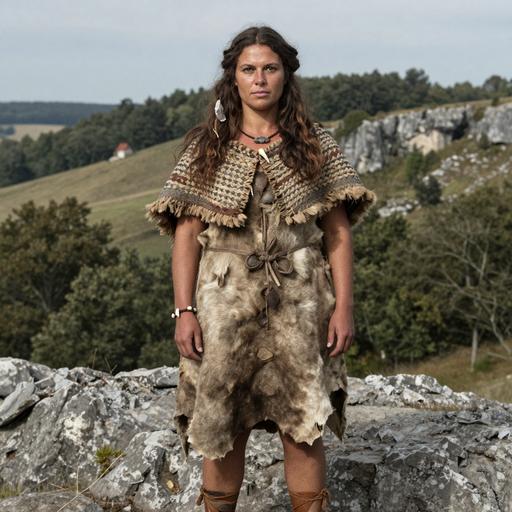
Imagine a damp dawn in a limestone overhang: smoke wafts from small hearths, children run among dated tool‑knapping debris, and nets or weirs are repaired for the morning’s catch. Archaeological data indicates these were low‑density communities organized in small bands of kin, moving seasonally to exploit fish, birds, and large mammals as they tracked resources across interconnected river valleys.
Material culture was practical and portable. Microliths and retouched blades could be hafted onto shafts for hunting or sliced for plant processing. Organic implements — bone points, cordage — rarely survive in this region but are inferred from tool forms and use‑wear. Seasonal aggregation in caves and abris would have supported social exchange: sharing food, raw materials, and information about distant camps.
Burial evidence in the region is sparse; where human remains occur, they provide crucial snapshots of health, diet and kinship. Sedimentary contexts at the Namur sites show repeated short‑term occupations rather than large, permanent villages, underlining a flexible lifeway attuned to a changing early Holocene environment.