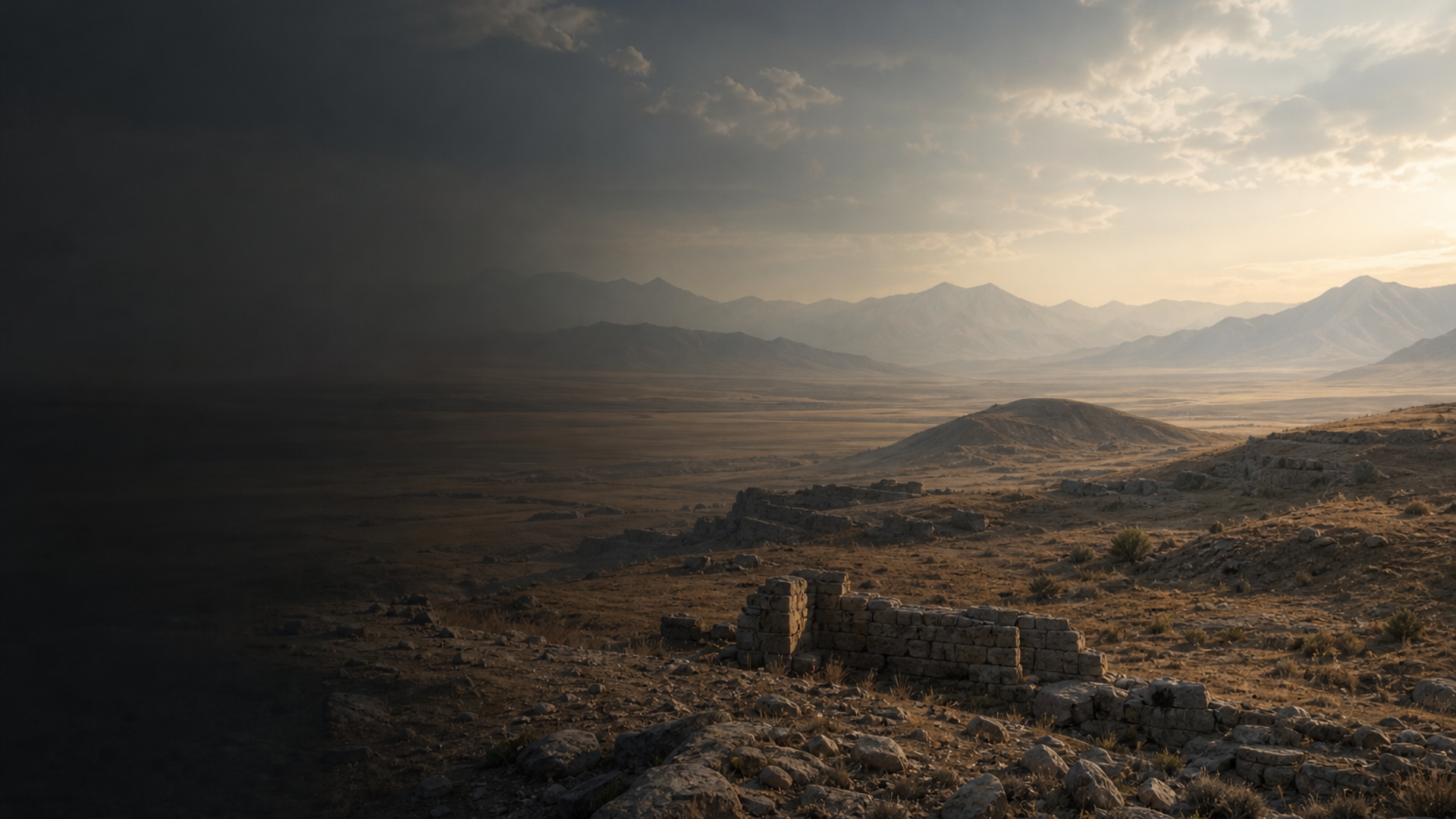
Life in the Shamakhi plain would have been shaped by a dramatic interplay of land and water: grain cultivation on irrigated terraces, herding on nearby slopes, and fishing and trade along the Caspian littoral. Archaeological indicators—residual hearths, pottery sherds, and metalworking slag—suggest households engaged in mixed farming and craft production. Clothing and personal items recovered regionally point to everyday lives animated by local styles and imported luxuries, implying both self‑sufficiency and participation in broader exchange networks.
Social organization appears archaeologically diffuse rather than highly centralized. Burials show variability in grave goods and treatment; some individuals were interred with utilitarian objects, others with finer adornments, indicating economic and possibly status differences. Limited architectural remains hint at simple domestic structures supplemented by seasonal pastoral encampments. Religious practice in the region during Late Antiquity was diverse—archaeological traces include local cultic behaviors alongside evidence of wider imperial and regional religious influences, though direct ritual attributions in Shamakhi itself remain tentative.
These scenes are painted from fragmentary evidence: careful interpretation is required, and new excavations could substantially alter reconstructions of daily life.