Aller au contenu principal
mtDNA · lignée Maternelle

C4

mtDNA Haplogroup C4

Profil de référence pour une branche de lignée. Des haplogroupes partagés n'établissent pas de lien familial ni d'identité culturelle.

Profil de référence

Contexte de la branche

Contexte historique de la branche de lignée mtDNA C4

Origins and Evolution

mtDNA haplogroup C4 is one of several primary branches of haplogroup C (itself nested in macro‑haplogroup M8'CZ) and likely arose in northern or northeastern Asia during the Late Pleistocene after the initial diversification of C. Based on phylogenetic position and molecular clock estimates, C4 most likely formed roughly in the range of ~15–25 kya, consistent with population survival and local differentiation in Siberia and adjacent regions during and after the Last Glacial Maximum (LGM).

C4 lineages carry mutations that distinguish them from other C subclades and have given rise to several recognizable downstream clades that show different geographic and temporal histories. The distribution and internal diversity of C4 reflect both persistence of Paleolithic northern Asian maternal lineages and later Holocene movements (local expansions, highland colonization, and admixture events) across Eurasia.

Subclades

Key subclades of C4 documented in the phylogeny include C4a, C4b, and more localized branches such as C4c and C4d/C4e (nomenclature varies between publications as further substructure is resolved). In broad terms:

  • C4a: Widespread across Siberia and found at appreciable frequencies among Tungusic, Mongolic and some Turkic groups; also reported in Himalayan/Tibetan populations in low to moderate frequencies, suggesting ancient east–west and altitudinal dispersals.
  • C4b: Present in parts of Central and North Asia and occasionally in east Eurasian steppe contexts; shows localization in some inland Siberian groups.
  • C4c: A geographically restricted but important downstream lineage that has been identified in some Native American contexts (primarily in North America) and is interpreted as evidence for a Beringian/terminal Pleistocene dispersal of particular C4-bearing maternal lines into the Americas.

Ongoing ancient DNA work continues to refine the branching order and ages of these subclades; higher‑resolution mitogenomes have revealed additional localized branches within C4 in both modern and ancient samples.

Geographical Distribution

Today, C4 is concentrated in northern Asia with notable presence among Siberian ethnic groups (Yakut, Evenk, Nenets, Chukchi, Yakuts and other northern hunter‑gatherer and pastoralist populations). It is also found among Mongolic and Tungusic speakers (Buryats, Evens, Mongolians), in Central Asian populations (Altaians, Tuvans, Kazakhs), and in some East Asian groups at lower frequencies (certain Han, Korean, Japanese samples). Highland and Tibetan populations harbor specific C4 sublineages at low to moderate frequencies, reflecting complex upland population histories.

A few downstream lineages (notably C4c) have been documented in Native American populations, indicating that at least some C4 diversity participated in the peopling of the Americas via Beringia. Sporadic occurrences of C4 appear in ancient or admixed contexts in northern and eastern Europe, secondary to east–west movements during the Holocene and historic periods.

Historical and Cultural Significance

The presence and persistence of C4 in northern Eurasia ties it to the demographic history of Paleo‑Siberian hunter‑gatherers and subsequent pastoralist and steppe populations. Ancient DNA from Holocene Siberian and steppe sites has recovered C‑lineages including C4 or close relatives, supporting continuity of northern maternal lineages through the Mesolithic and into Bronze Age cultural horizons.

C4 subclades therefore serve as markers for:

  • Pleistocene survival and post‑glacial recolonization of high‑latitude Asia;
  • Regional continuity among many indigenous Siberian and Central Asian groups;
  • A Beringian connection in specific downstream branches that contributed maternally to some Native American groups.

While not tied to a single pan‑regional archaeological culture, C4 appears across a range of cultural contexts in northern Eurasia — from Paleolithic/Mesolithic foragers to Bronze Age Siberian cultures and later nomadic groups — reflecting demographic continuity punctuated by episodic migrations and admixture.

Conclusion
mtDNA haplogroup C4 is a northern Asian maternal lineage that captures important aspects of Late Pleistocene and Holocene prehistory in Siberia, Central and East Asia and, via restricted downstream branches, contributed to the genetic makeup of some Native American populations. Continued mitogenome sequencing and ancient DNA sampling of underrepresented regions will refine the internal branching, timing, and precise migration paths of C4 subclades, but current evidence places C4 as a key marker of deep northern Eurasian maternal ancestry and post‑glacial expansions.

Points clés

  • Origins and Evolution
  • Subclades
  • Geographical Distribution
  • Historical and Cultural Significance
  • Conclusion
Profil de référence

Arbre et relations

Contexte phylogénétique et sous-clades

Voie évolutive

Suivez les branches parentes consignées jusqu'à C4. Les dates sont des estimations et peuvent évoluer lorsque les données de référence sont révisées.

Étapes Haplogroupe Âge estimé Époque archéologique Temps écoulé Descendants immédiats Descendants modernes testés Liens anciens
1 C4 Actuel ~20,000 years ago Mesolithic 20,000 ans 4 41 48
2 C ~35,000 years ago Paleolithic 35,000 ans 5 806 75
3 CZ ~40,000 years ago Paleolithic 40,000 ans 2 856 4
4 M8 ~42,000 years ago Paleolithic 42,000 ans 2 873 5
5 M ~60,000 years ago Paleolithic 60,000 ans 42 2,671 41
6 L3 ~70,000 years ago Paleolithic 70,000 ans 7 30,162 6
7 L3'4 - - - 2 30,212 0
8 L3'4'6 - - - 2 30,216 0
9 L2'3'4'6 - - - 2 31,333 0
10 L2'3'4'5'6'7 - - - 2 31,349 0
11 L1'2'3'4'5'6'7 - - - 2 31,852 0
12 L ~160,000 years ago Paleolithic 160,000 ans 2 32,236 5

Branches sœurs (4)

Autres branches issues du même haplogroupe parent

Profil de référence

Dans le monde

Distribution géographique et présence moderne

Origine consignée

Northeast Asia / Siberia

Distribution moderne

The populations where mtDNA haplogroup C4 is found include:

  1. Indigenous peoples of the Americas (certain Native American groups via downstream sublineages such as C4c)
  2. Siberian ethnic groups (e.g., Yakut, Evenk, Nenets, Chukchi)
  3. Mongolic and Tungusic-speaking populations (e.g., Mongolians, Buryats, Evens)
  4. East Asian populations (low frequencies in some Han, Koreans, Japanese)
  5. Central Asian populations (e.g., Kazakhs, Altaians, Tuvans)
  6. Highland and Himalayan groups (e.g., Tibetan populations showing localized C4 branches)
  7. Arctic and sub-Arctic peoples (e.g., certain Yupik/Inuit-associated lineages in Beringia-adjacent regions)
  8. Occasional occurrences in northern and eastern Europe in ancient or historically admixed contexts
Contexte historique

Une branche dans le temps

Formation estimée sur une chronologie historique large. Les repères de période servent de contexte et n'impliquent pas de lien avec des cultures particulières.

  1. Il y a ~20k ans

    Dernier maximum glaciaire

    Apogée de la dernière période glaciaire, populations isolées

  2. Il y a ~20k ans

    Haplogroupe C4

    Formation estimée de cette branche mtDNA ; les dates et les lieux sont des estimations de référence.

    Cette branche
  3. Il y a ~10k ans

    Révolution néolithique

    Début de l'agriculture et émergence de communautés sédentaires

  4. Il y a ~5k ans

    Âge du bronze

    Travail des métaux, écriture et premières civilisations

  5. Il y a ~3k ans

    Âge du fer

    Outils en fer, réseaux d'échanges élargis

  6. Il y a ~2.5k ans

    Antiquité classique

    Floraison des civilisations grecque et romaine

  7. Aujourd'hui

    Aujourd'hui

    Époque moderne

Profil de référence

Contexte archéologique

Associations archéologiques consignées pour la branche mtDNA C4

Associations consignées

Ces libellés décrivent des contextes archéologiques consignés pour des échantillons de référence liés à C4. Une association n'établit pas que tous les porteurs appartenaient à une culture ni qu'ils ont suivi une route migratoire précise.

Early Buryat Kitoi Culture Ob River Culture Russia_AltaiKrai_Eneolithic Russia_AltaiKrai_N Russia_Buryatia_N Russia_KrasnoyarskKrai_N_Angara Shamanka Culture Siberian Paleolithic
Les attributions culturelles reposent sur le contexte archéologique des échantillons d'ADN ancien et peuvent refléter des associations régionales à certaines périodes.
Profil de référence

Catalogue d'échantillons

3 porteurs directs et 45 porteurs de sous-clade de l'haplogroupe C4

10 affiché(s) · 48 échantillons correspondants

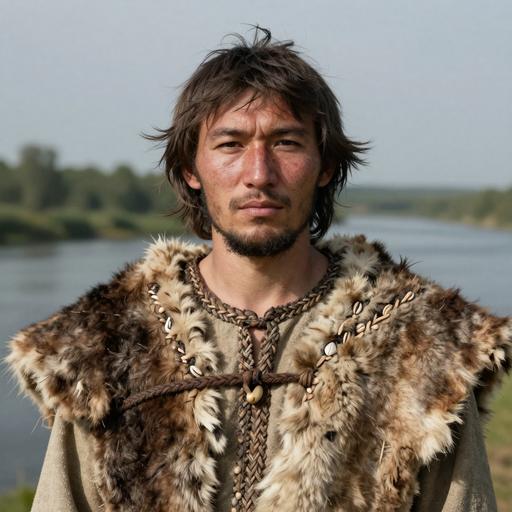
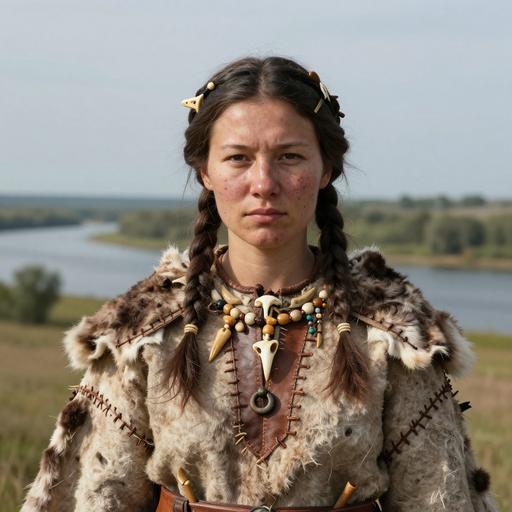
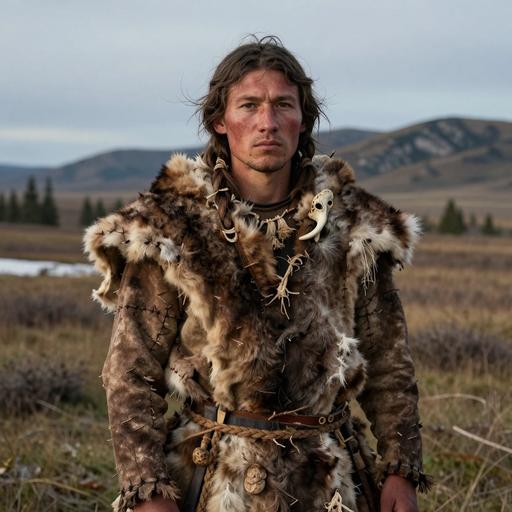
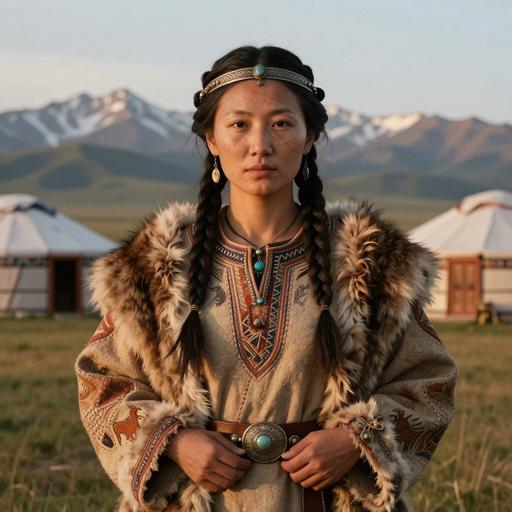
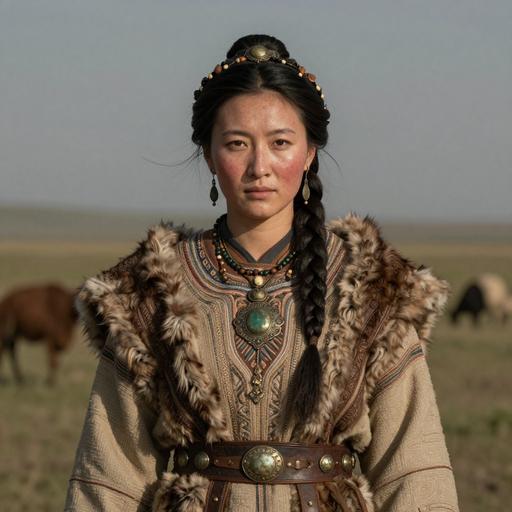
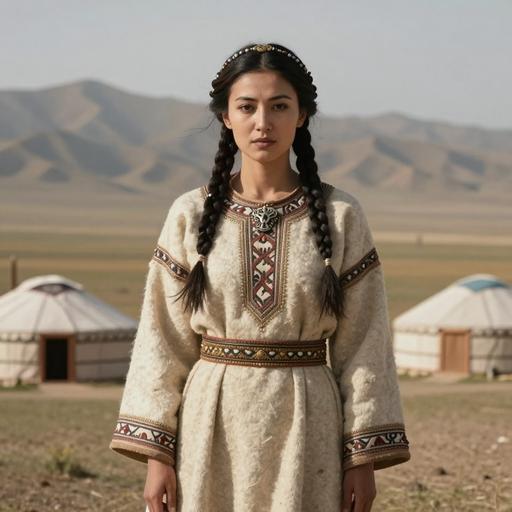
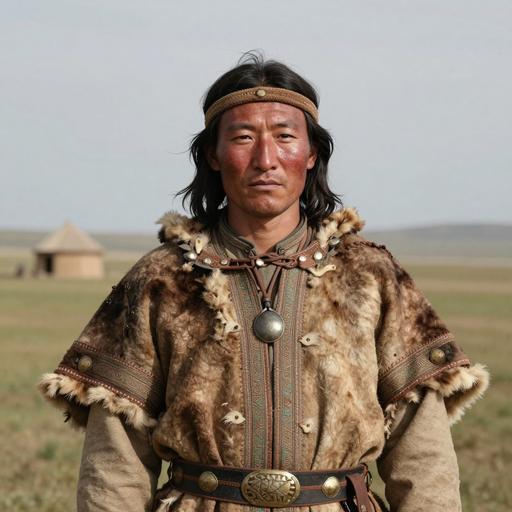
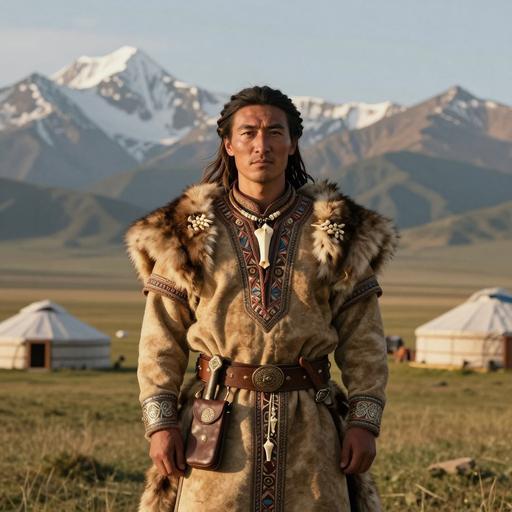
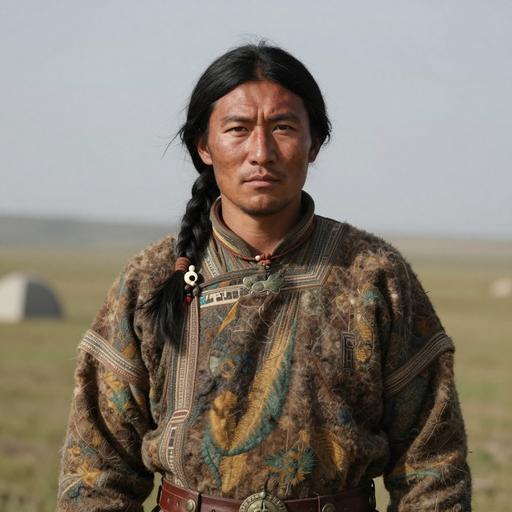
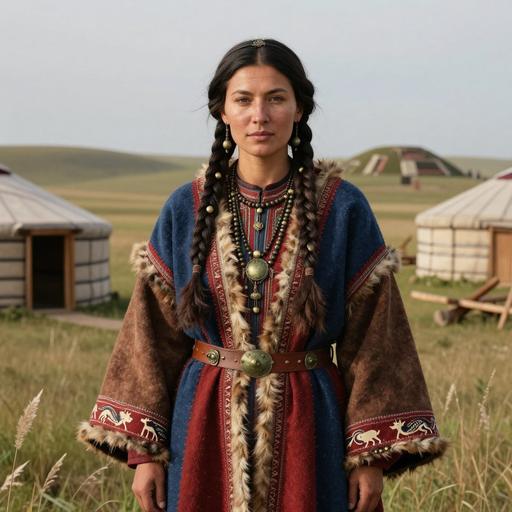
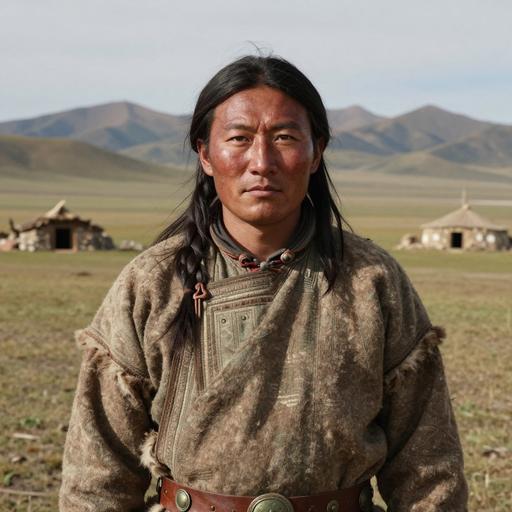
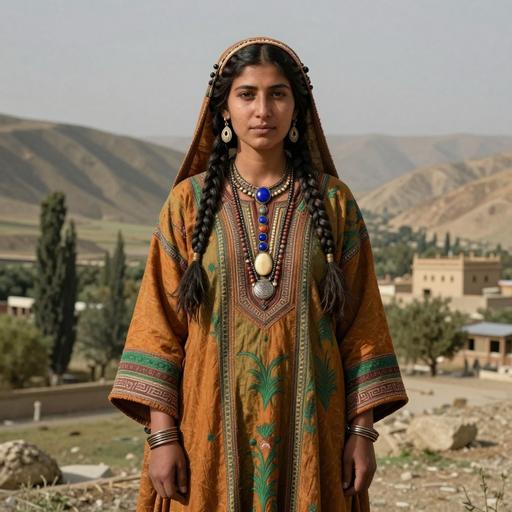
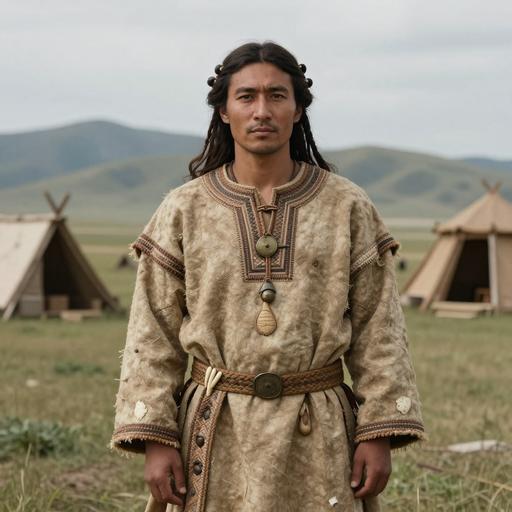
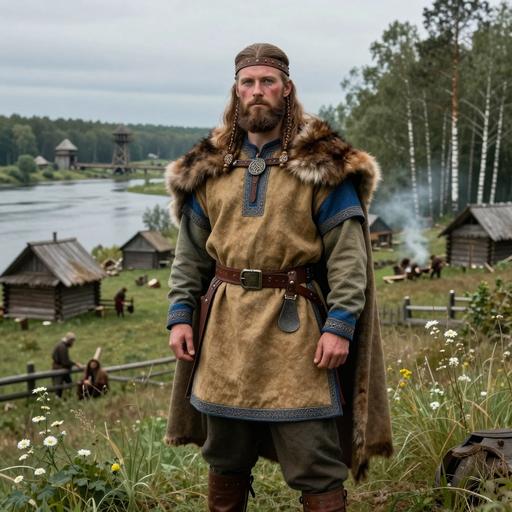
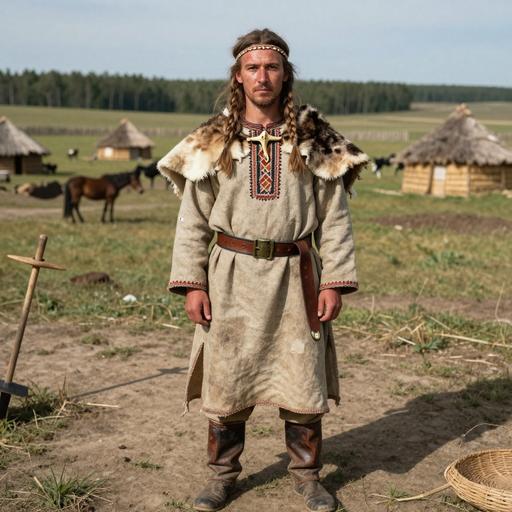
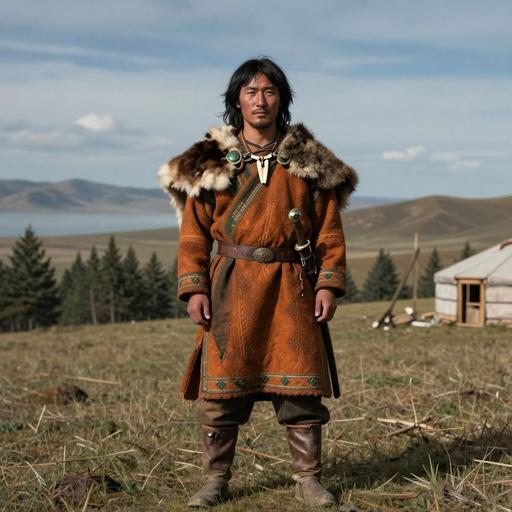
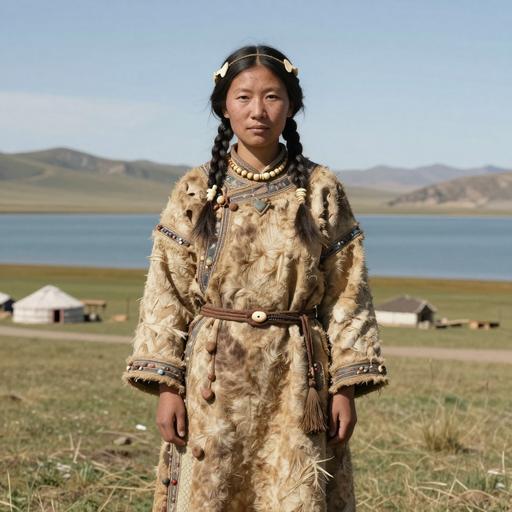
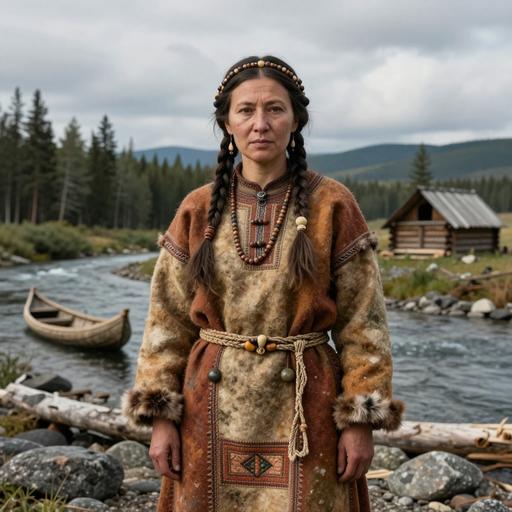
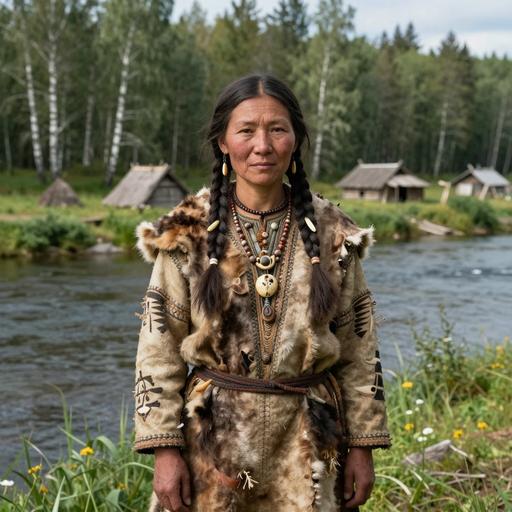
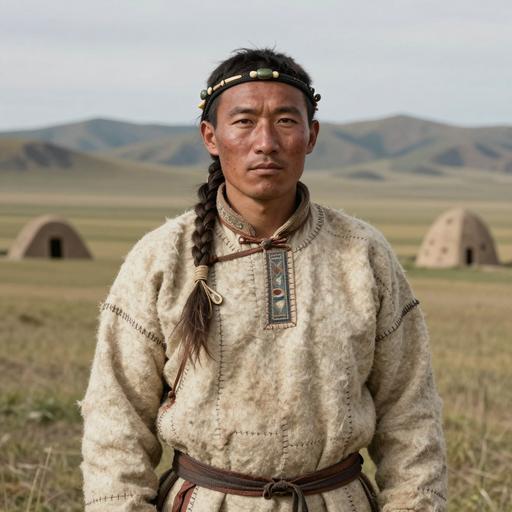
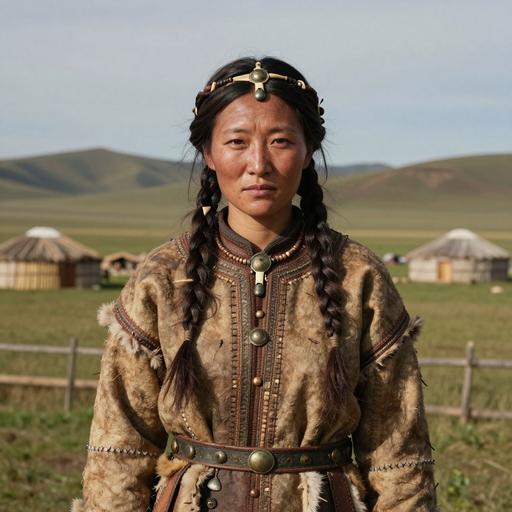
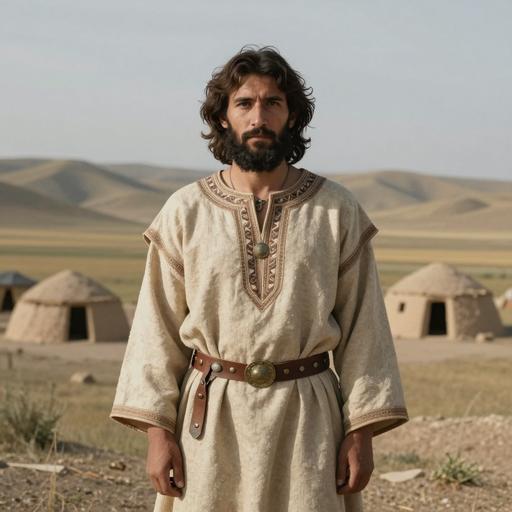
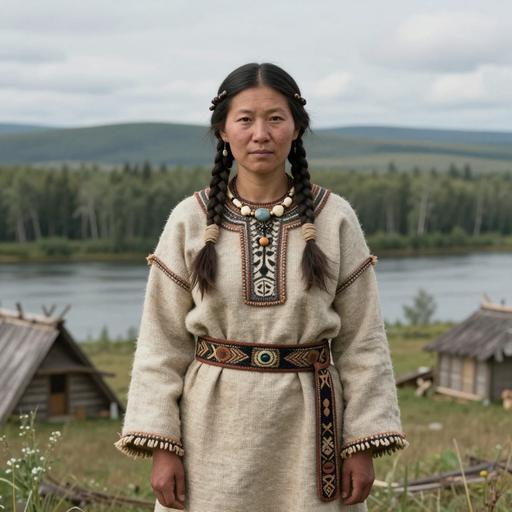
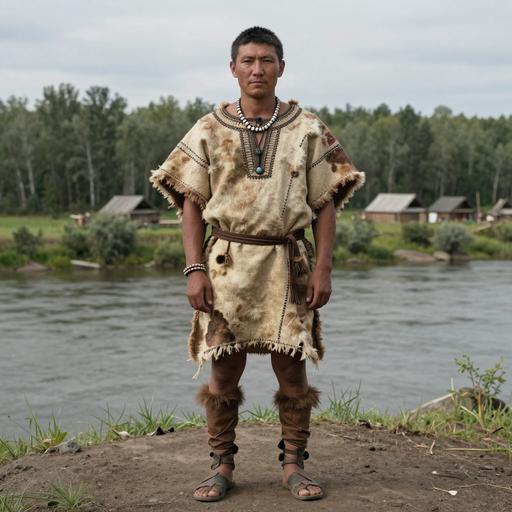
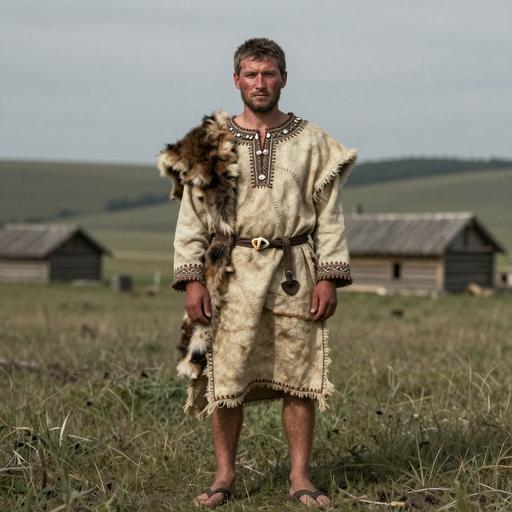
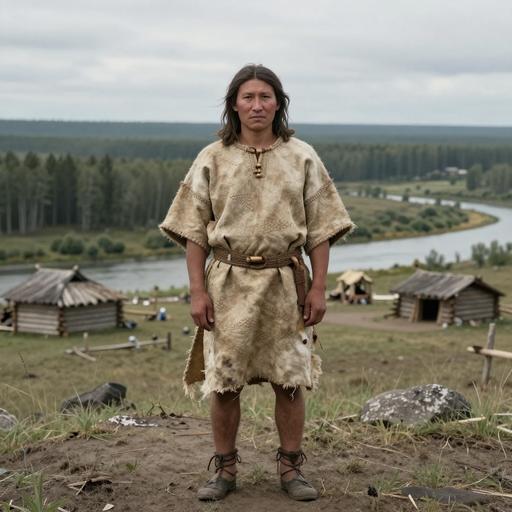
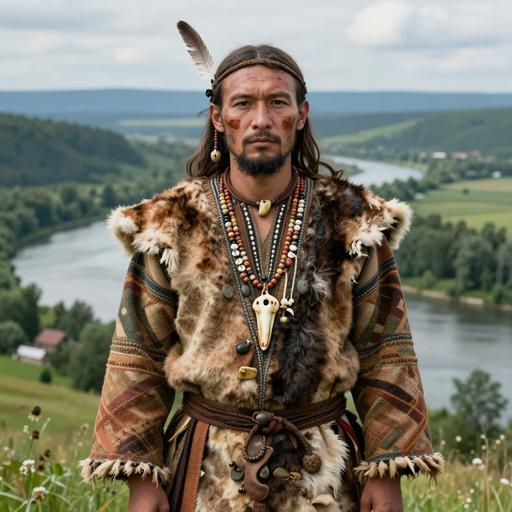
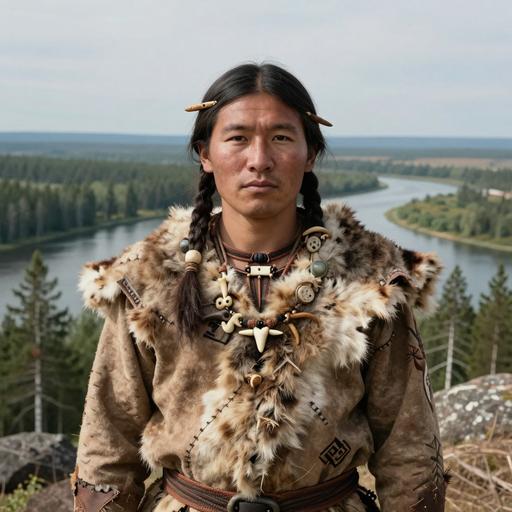
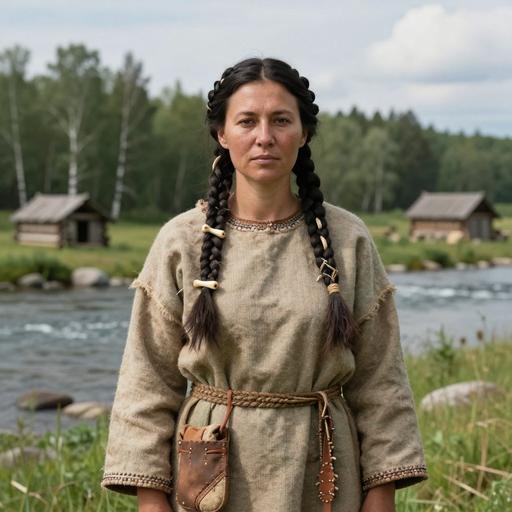
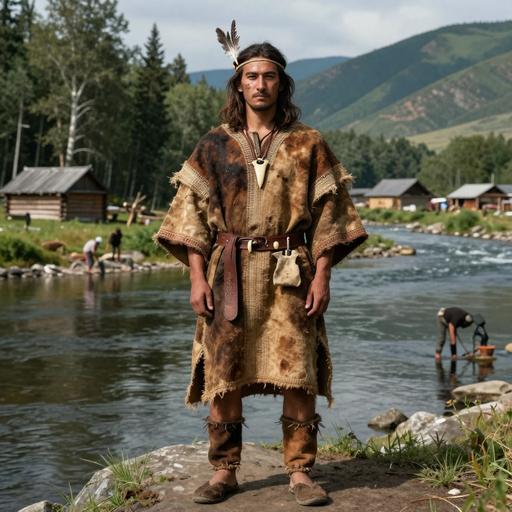
Les portraits sont des illustrations générées par IA. Les libellés d'échantillon et identifiants d'accès désignent les enregistrements de référence.

Portrait Échantillon Pays Époque Date Culture mtDNA Correspondance
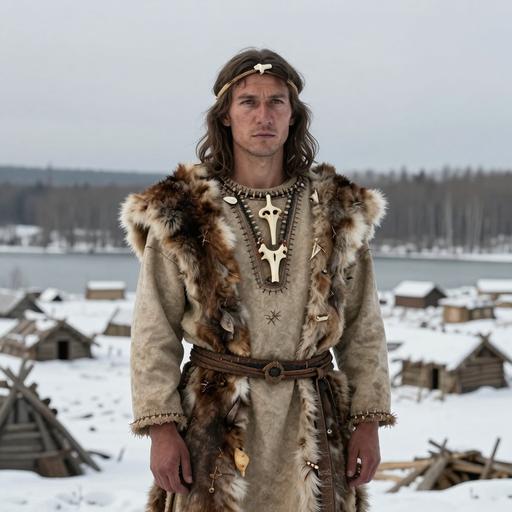
Portrait illustratif généré par IA de Siberian individual, Siberian Federal District. Cis-Baikal. Angara River. Podostrozhnoe N 3, Russia (2,566-2,305 BCE)
Identifiant d'échantillon : irk057
Russia The Angara River Broze Age Culture of Russia 2566 BCE - 2305 BCE Angara River Culture C4 Direct
Portrait illustratif généré par IA de Siberian Hunter-Gatherers individual, Siberian Federal District. Cis-Baikal. Lena River. Makrushyno site, Russia (2,905-2,678 BCE)
Identifiant d'échantillon : mak026
Russia Neolithic Lena River, Russia 2905 BCE - 2678 BCE Lena River Neolithic C4 Direct
Portrait illustratif généré par IA de Paleolithic individual, Siberia. Eastern Siberia. Ust'Kyakhta, Russia (12,100-11,858 BCE)
Identifiant d'échantillon : UKY001
Russia Upper Paleolithic Siberia, Russia 12100 BCE - 11858 BCE Siberian Paleolithic C4 Direct
Portrait illustratif généré par IA de Nomadic Steppe Cultures individual, Tian Shan. Central Steppe, Kyrgyzstan (26-240 CE)
Identifiant d'échantillon : DA70
Kyrgyzstan The Hun Period in Kyrgyzstan 26 CE - 240 CE Hunnic Period C4a1a-a Sous-clade
Portrait illustratif généré par IA de Hun individual, Tian Shan. Central Steppe, Kyrgyzstan (26-240 CE)
Identifiant d'échantillon : DA70
Kyrgyzstan The Huns 26 CE - 240 CE C4a1a-a Sous-clade
Portrait illustratif généré par IA de Xiongnu Period individual, Buryatia. Il'movaya Pad, Russia (50 BCE-150 CE)
Identifiant d'échantillon : IMA001
Russia Xiongnu Period Buryatia, Russia 50 BCE - 150 CE Xiongnu Buryat C4a1a-a Sous-clade
Portrait illustratif généré par IA de Steppe Nomads individual, Tian Shan. Central Steppe. Turgen-2, Kazakhstan (344 BCE-5 CE)
Identifiant d'échantillon : I11524
Kazakhstan Late Saka Culture in Kazakhstan 344 BCE - 5 CE Late Saka C4a1a-a Sous-clade
Portrait illustratif généré par IA de Steppe Central Nomad individual, Tian Shan. Central Steppe. Turgen-2, Kazakhstan (344 BCE-5 CE)
Identifiant d'échantillon : I11524
Kazakhstan The Nomadic Empires of the Eurasian Steppe 344 BCE - 5 CE C4a1a-a Sous-clade
Portrait illustratif généré par IA de EIA Sagly-4 individual, Uvs aimag. Ulaangom sum. Chandman Uul. Ulaangom cemetery Grave #41. Burial 6, Mongolia (355-170 BCE)
Identifiant d'échantillon : I7026
Mongolia Mongolia EIA Sagly 4 355-170 calBCE (2180±15 BP, PSUAMS-4503) Sagly Culture C4a1a-a Sous-clade
Portrait illustratif généré par IA de Turkic Nomadic individual, Tian Shan. Central Steppe, Kazakhstan (366-176 BCE)
Identifiant d'échantillon : DA20
Kazakhstan Nomadic Kazakhstan 366 BCE - 176 BCE Nomadic Kazakh C4a1a-a Sous-clade
LIGNÉE MATERNELLE · ADN ANTIQUE

Carte des preuves de lignées antiques

Suivez les clades parents jusqu'à cette branche et explorez où des porteurs antiques ont été identifiés.

Chargement des observations antiques…

Les marqueurs indiquent des lieux de découvertes archéologiques. Un trait pointillé représente une transition géographique proposée et incertaine entre branches consécutives, appuyée sur plusieurs observations datées ; ce n'est pas un itinéraire exact, un lieu de naissance ni une preuve de descendance directe. Des échantillons de clades parents peuvent appartenir à d'autres branches descendantes. Des lacunes subsistent lorsque les preuves sont insuffisantes. Les dates d'échantillon diffèrent des dates de formation des haplogroupes.

Profil de référence

Carte de répartition des porteurs

Répartition géographique de 48 échantillons d'ADN ancien (porteurs directs et de sous-clade de C4)

Porteur direct Porteur de sous-clade
Filtre de période
Toutes les périodes
Affichage de tous les échantillons
Profil de référence

Répartition temporelle

Répartition des porteurs selon les périodes archéologiques

Profil de référence

Répartition géographique

Effectifs par pays d'échantillon consigné. Ils reflètent la sélection de référence disponible, pas des fréquences de population.

Profil de référence

Répartition pays × époque

Comparez les effectifs d'échantillons consignés selon les pays et les périodes archéologiques. Sélectionnez une cellule renseignée pour examiner un échantillon.

Données

Données et provenance

Informations sur les sources et qualité des données

Dernière mise à jour 2026-02-09

Source des données

La classification, les dates estimées et le contexte géographique reflètent les données de référence consignées et peuvent évoluer lorsque les éléments sont révisés. La couverture d'échantillons est inégale ; les lieux consignés et les associations archéologiques n'établissent pas une origine personnelle ni une identité culturelle.

Un haplogroupe suit une seule lignée maternelle ou paternelle. La branche que l’on peut prédire dépend des marqueurs présents dans le fichier ADN. Nos méthodes d’analyse