The Story
The journey of mtDNA haplogroup C4
Origins and Evolution
mtDNA haplogroup C4 is one of several primary branches of haplogroup C (itself nested in macro‑haplogroup M8'CZ) and likely arose in northern or northeastern Asia during the Late Pleistocene after the initial diversification of C. Based on phylogenetic position and molecular clock estimates, C4 most likely formed roughly in the range of ~15–25 kya, consistent with population survival and local differentiation in Siberia and adjacent regions during and after the Last Glacial Maximum (LGM).
C4 lineages carry mutations that distinguish them from other C subclades and have given rise to several recognizable downstream clades that show different geographic and temporal histories. The distribution and internal diversity of C4 reflect both persistence of Paleolithic northern Asian maternal lineages and later Holocene movements (local expansions, highland colonization, and admixture events) across Eurasia.
Subclades
Key subclades of C4 documented in the phylogeny include C4a, C4b, and more localized branches such as C4c and C4d/C4e (nomenclature varies between publications as further substructure is resolved). In broad terms:
- C4a: Widespread across Siberia and found at appreciable frequencies among Tungusic, Mongolic and some Turkic groups; also reported in Himalayan/Tibetan populations in low to moderate frequencies, suggesting ancient east–west and altitudinal dispersals.
- C4b: Present in parts of Central and North Asia and occasionally in east Eurasian steppe contexts; shows localization in some inland Siberian groups.
- C4c: A geographically restricted but important downstream lineage that has been identified in some Native American contexts (primarily in North America) and is interpreted as evidence for a Beringian/terminal Pleistocene dispersal of particular C4-bearing maternal lines into the Americas.
Ongoing ancient DNA work continues to refine the branching order and ages of these subclades; higher‑resolution mitogenomes have revealed additional localized branches within C4 in both modern and ancient samples.
Geographical Distribution
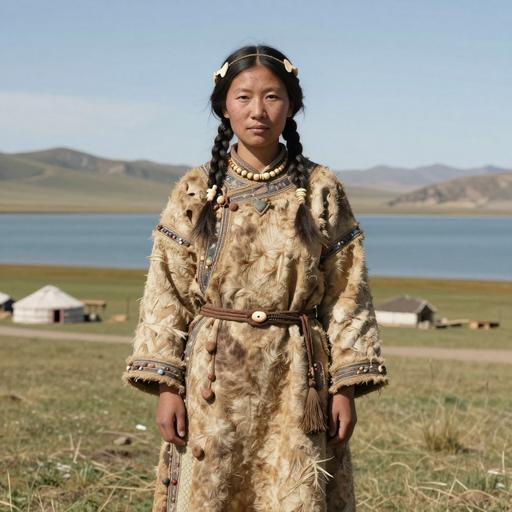
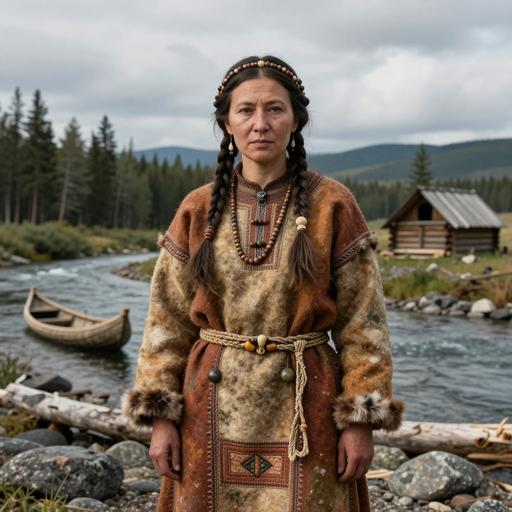
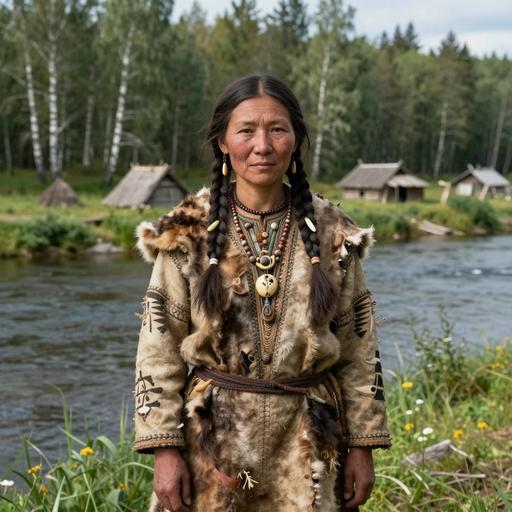
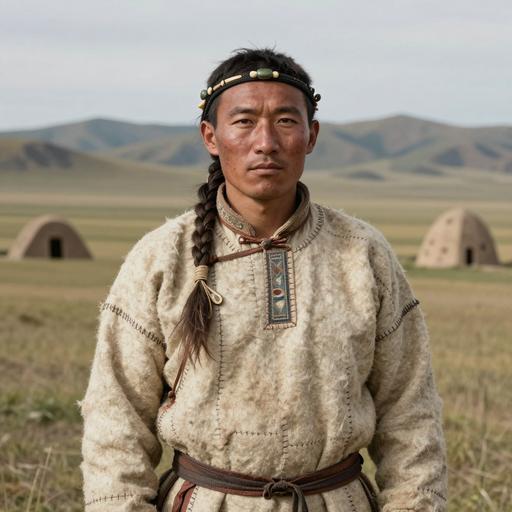
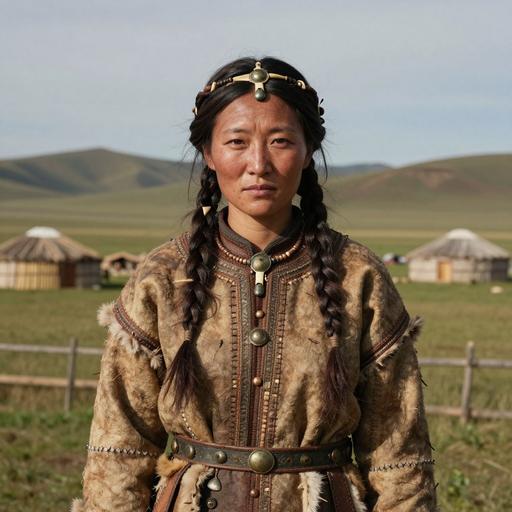
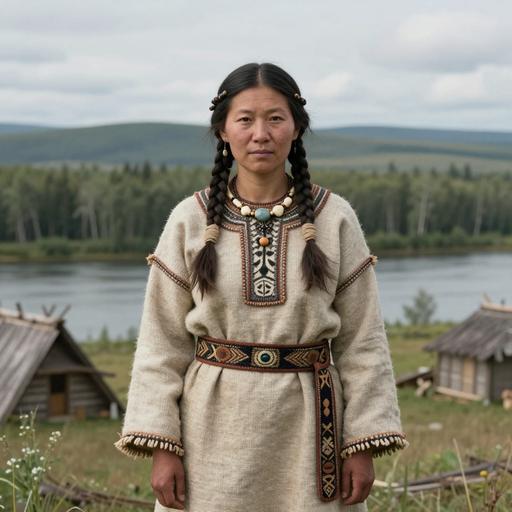
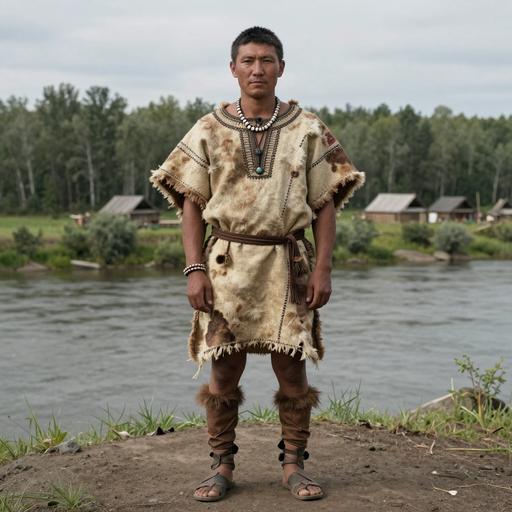
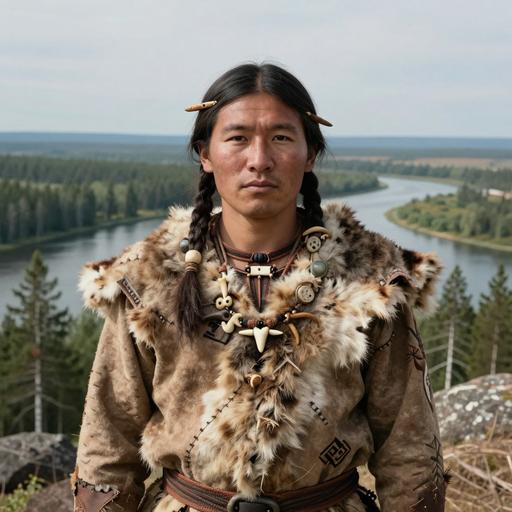
Today, C4 is concentrated in northern Asia with notable presence among Siberian ethnic groups (Yakut, Evenk, Nenets, Chukchi, Yakuts and other northern hunter‑gatherer and pastoralist populations). It is also found among Mongolic and Tungusic speakers (Buryats, Evens, Mongolians), in Central Asian populations (Altaians, Tuvans, Kazakhs), and in some East Asian groups at lower frequencies (certain Han, Korean, Japanese samples). Highland and Tibetan populations harbor specific C4 sublineages at low to moderate frequencies, reflecting complex upland population histories.
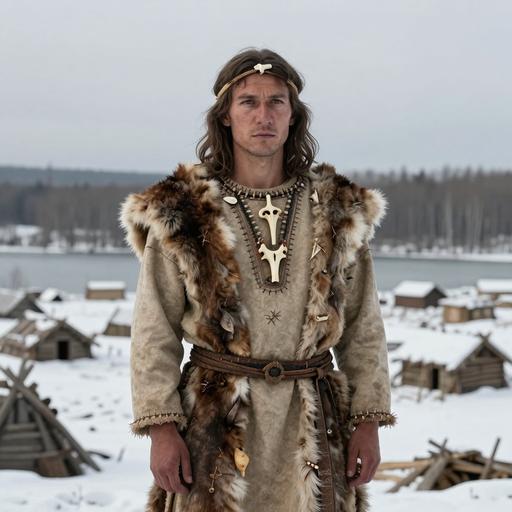
A few downstream lineages (notably C4c) have been documented in Native American populations, indicating that at least some C4 diversity participated in the peopling of the Americas via Beringia. Sporadic occurrences of C4 appear in ancient or admixed contexts in northern and eastern Europe, secondary to east–west movements during the Holocene and historic periods.
Historical and Cultural Significance
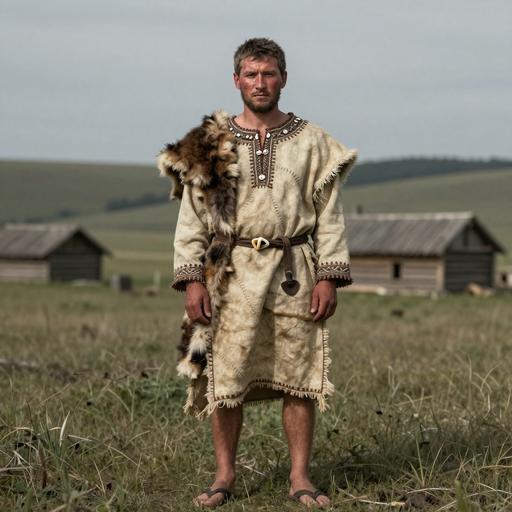
The presence and persistence of C4 in northern Eurasia ties it to the demographic history of Paleo‑Siberian hunter‑gatherers and subsequent pastoralist and steppe populations. Ancient DNA from Holocene Siberian and steppe sites has recovered C‑lineages including C4 or close relatives, supporting continuity of northern maternal lineages through the Mesolithic and into Bronze Age cultural horizons.
C4 subclades therefore serve as markers for:
- Pleistocene survival and post‑glacial recolonization of high‑latitude Asia;
- Regional continuity among many indigenous Siberian and Central Asian groups;
- A Beringian connection in specific downstream branches that contributed maternally to some Native American groups.
While not tied to a single pan‑regional archaeological culture, C4 appears across a range of cultural contexts in northern Eurasia — from Paleolithic/Mesolithic foragers to Bronze Age Siberian cultures and later nomadic groups — reflecting demographic continuity punctuated by episodic migrations and admixture.
Conclusion
mtDNA haplogroup C4 is a northern Asian maternal lineage that captures important aspects of Late Pleistocene and Holocene prehistory in Siberia, Central and East Asia and, via restricted downstream branches, contributed to the genetic makeup of some Native American populations. Continued mitogenome sequencing and ancient DNA sampling of underrepresented regions will refine the internal branching, timing, and precise migration paths of C4 subclades, but current evidence places C4 as a key marker of deep northern Eurasian maternal ancestry and post‑glacial expansions.
Key Points
- Origins and Evolution
- Subclades
- Geographical Distribution
- Historical and Cultural Significance
- Conclusion