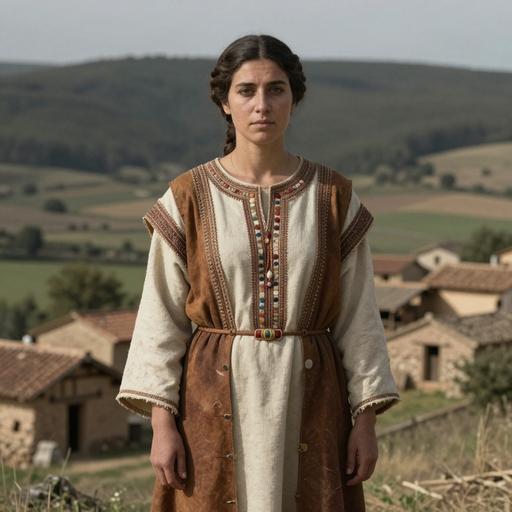
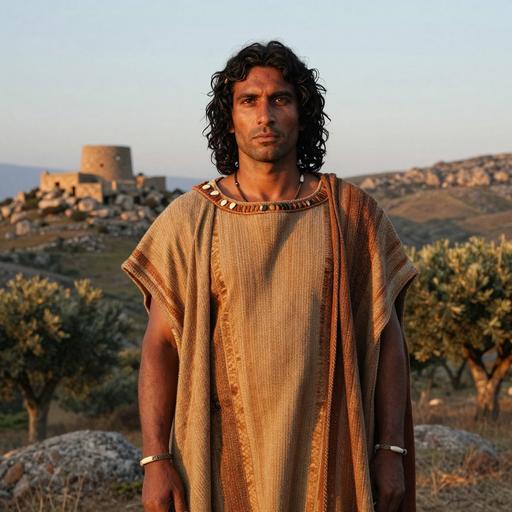
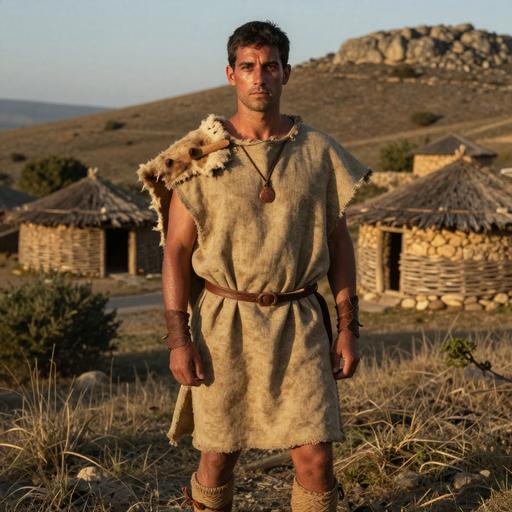
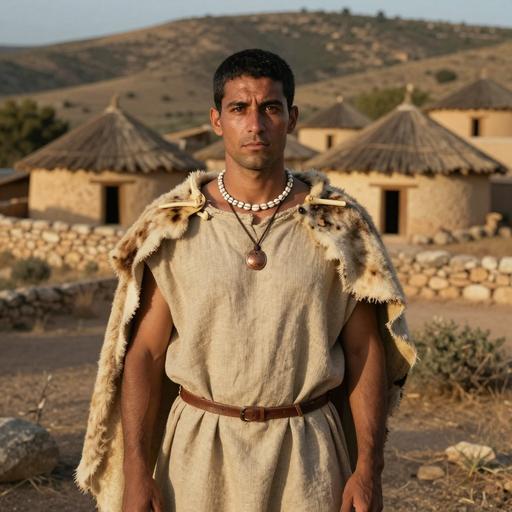
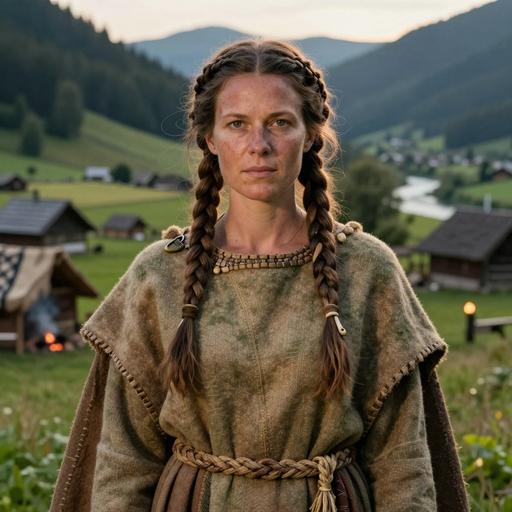
Profil de référence pour une branche de lignée. Des haplogroupes partagés n'établissent pas de lien familial ni d'identité culturelle.
Profil de référence
Contexte de la branche
Contexte historique de la branche de lignée mtDNA K1A1B1
Origins and Evolution
mtDNA haplogroup K1A1B1 derives from the parent clade K1A1B, itself a branch of haplogroup K (a descendant of U8). The parent clade expanded during the Late Glacial to early Holocene in the Near East and Anatolia; K1A1B1 likely emerged as a downstream lineage in the same broad Near Eastern/Anatolian genetic milieu approximately ~5,000 years ago (mid-to-late Neolithic or early post-Neolithic). Its phylogenetic position and geographic pattern are consistent with diversification within a Near Eastern reservoir followed by dispersal into Europe along farmer-associated migration routes and by later historical demographic processes.
Subclades (if applicable)
K1A1B1 is a defined subclade of K1A1B; available data indicate only modest internal diversity in Europe and somewhat greater diversity in Near Eastern and Anatolian samples, consistent with a Near Eastern origin and serial founder effects as the lineage spread. In some datasets particular derived branches of K1A1B1 are identifiable in Ashkenazi Jewish mitogenomes, reflecting one or more historical founder events; other sub-branches are sporadically present in Mediterranean island and southern European populations. Ancient DNA occurrences (31 samples in the referenced database) indicate K1A1B1 appears across multiple archaeological contexts but typically at low frequency.
Geographical Distribution
K1A1B1 shows a Near Eastern/Anatolian core in terms of origin and relative diversity, with secondary distributions across the Mediterranean and into Europe. Modern and ancient sample records place it at low-to-moderate frequencies in southern Europe (Italy, Greece, Mediterranean islands like Sardinia), at low frequencies in Iberia and western Europe, and within Ashkenazi Jewish populations at elevated frequencies relative to many other European groups (reflecting historical founder effects). It also appears at low frequencies in the Caucasus, Levant, parts of Iran, and coastal North Africa, and very sporadically in parts of Central and Northern Europe due to later movements and admixture.
Historical and Cultural Significance
Neolithic dispersals: The phylogeographic pattern of K1A1B1 matches a model in which this lineage diversified in the Near East/Anatolia and was carried into Europe by Neolithic farming populations (both inland LBK-derived streams and Mediterranean Cardial/Impressed Ware expansions). Its presence in early farming-descended populations supports association with the spread of agriculture.
Founder events and diasporas: Elevated representation of particular K1A1B1 branches in Ashkenazi Jewish mitogenomes points to medieval/late-antique founder effects within maternal lineages during the Jewish diaspora, amplifying certain lineages that were otherwise rare in broader European populations.
Mediterranean contact and continuity: Low-to-moderate frequencies in southern Europe, the Caucasus, and North African coastal areas reflect ongoing gene flow around the Mediterranean across the Bronze Age, Iron Age, and historical periods (trade, colonization, and population movements), as well as long-standing Near Eastern genetic continuity in some regions.
Conclusion
K1A1B1 is a regional subclade that illustrates how Near Eastern maternal diversity was redistributed into Europe during the Neolithic and subsequently reshaped by millennia of local drift, founder events, and historical migrations. While never a dominant lineage in Europe, K1A1B1 is informative for tracing Neolithic farmer ancestry, Mediterranean genetic connections, and specific historical founder effects such as those observed in some Ashkenazi maternal lineages.
Points clés
Origins and Evolution
Subclades (if applicable)
Geographical Distribution
Historical and Cultural Significance
Conclusion
Profil de référence
Arbre et relations
Contexte phylogénétique et sous-clades
Voie évolutive
Suivez les branches parentes consignées jusqu'à K1A1B1. Les dates sont des estimations et peuvent évoluer lorsque les données de référence sont révisées.
The populations where mtDNA haplogroup K1A1B1 is found include:
Ashkenazi Jewish communities
Anatolian (modern Turkey) populations
Southern European populations (Italy, Greece, Mediterranean islands such as Sardinia)
Iberian populations (Spain, Portugal) at low to moderate frequencies
Central European Early Neolithic-descended populations (e.g., LBK-descendant groups)
Caucasus populations (Armenians, Georgians) at low frequencies
Levantine and Iranian populations with Near Eastern continuity
North African coastal groups with historical Near Eastern admixture
Western and Northern European populations (British Isles, Scandinavia) at low frequencies
Small, sporadic occurrences in parts of Central Asia due to historical west–east contacts
Contexte historique
Une branche dans le temps
Formation estimée sur une chronologie historique large. Les repères de période servent de contexte et n'impliquent pas de lien avec des cultures particulières.
Il y a ~10k ans
Révolution néolithique
Début de l'agriculture et émergence de communautés sédentaires
Il y a ~5k ans
Âge du bronze
Travail des métaux, écriture et premières civilisations
Il y a ~5k ans
Haplogroupe K1A1B1
Formation estimée de cette branche mtDNA ; les dates et les lieux sont des estimations de référence.
Cette branche
Il y a ~3k ans
Âge du fer
Outils en fer, réseaux d'échanges élargis
Il y a ~2.5k ans
Antiquité classique
Floraison des civilisations grecque et romaine
Aujourd'hui
Aujourd'hui
Époque moderne
Profil de référence
Contexte archéologique
Associations archéologiques consignées pour la branche mtDNA K1A1B1
Associations consignées
Ces libellés décrivent des contextes archéologiques consignés pour des échantillons de référence liés à K1A1B1. Une association n'établit pas que tous les porteurs appartenaient à une culture ni qu'ils ont suivi une route migratoire précise.
French Early NeolithicFrench Late NeolithicFrench NeolithicGermany_Niedertiefenbach_LN_WartbergIberian NeolithicLos MillaresMiddle Neolithic FrenchMoroccan Late NeolithicScottish NeolithicTrypillia Culture
Les attributions culturelles reposent sur le contexte archéologique des échantillons d'ADN ancien et peuvent refléter des associations régionales à certaines périodes.
Profil de référence
Catalogue d'échantillons
30 porteurs directs et 31 porteurs de sous-clade de l'haplogroupe K1A1B1
10 affiché(s) · 50 échantillons correspondants
Aucun échantillon ne correspond à ces filtres. Essayez un autre libellé, lieu ou période.
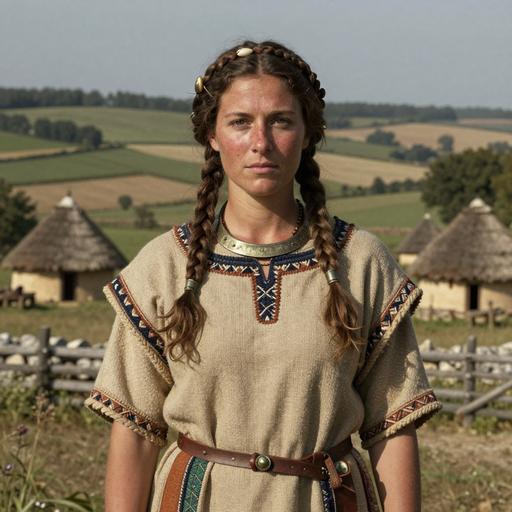
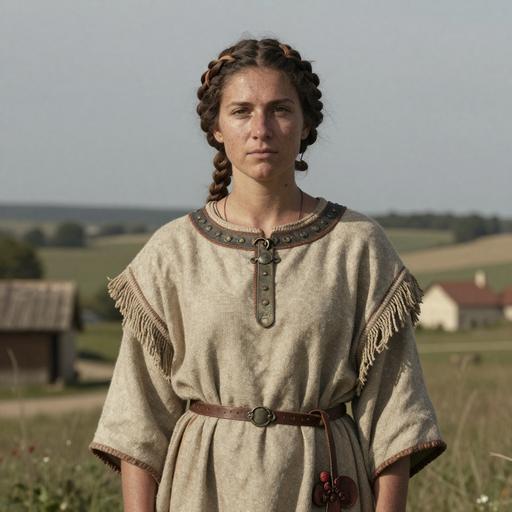
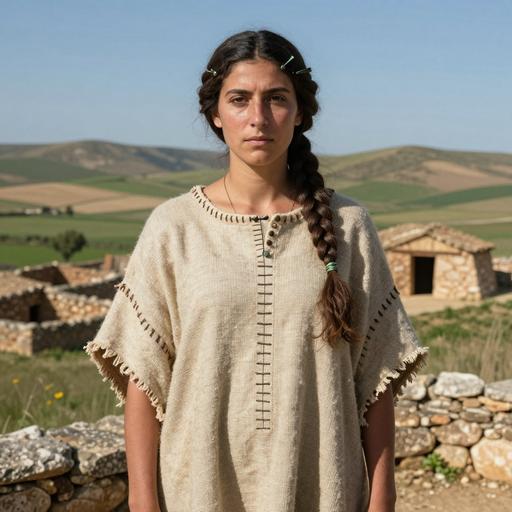
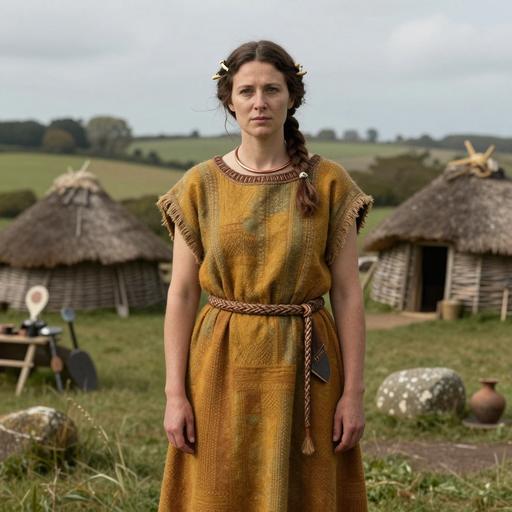
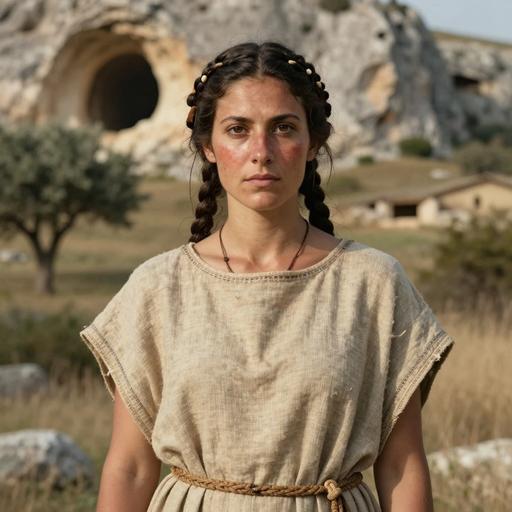
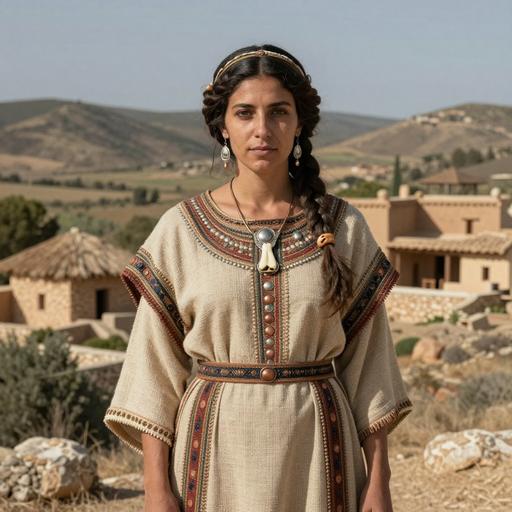
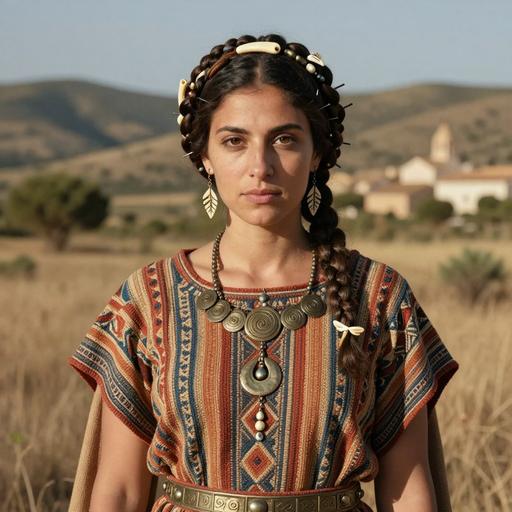
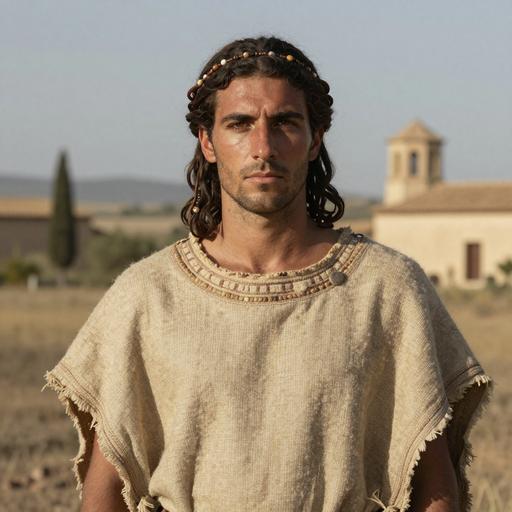
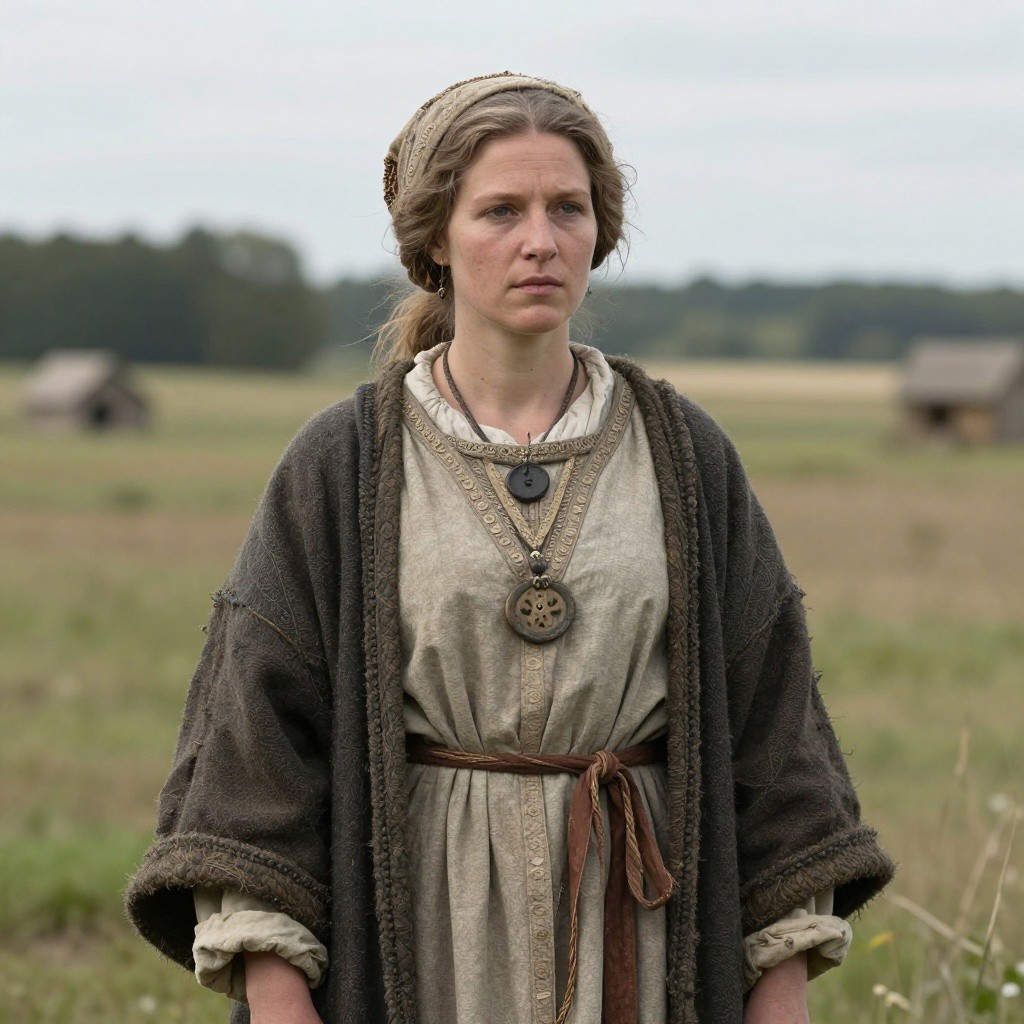
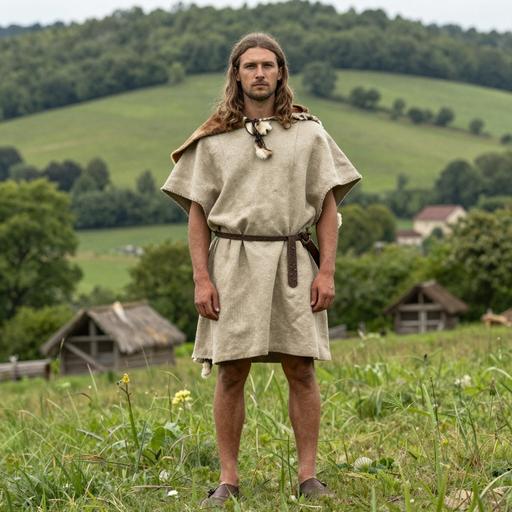
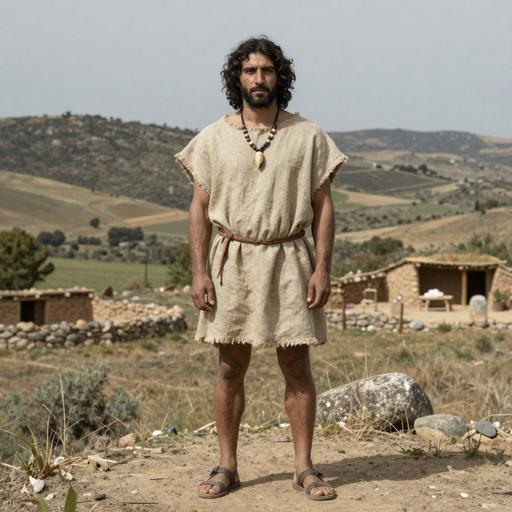
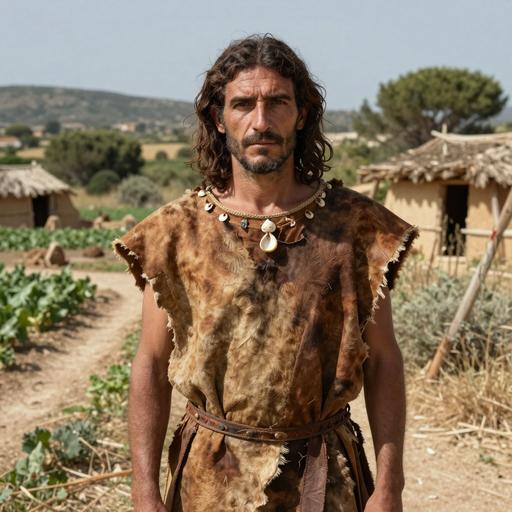
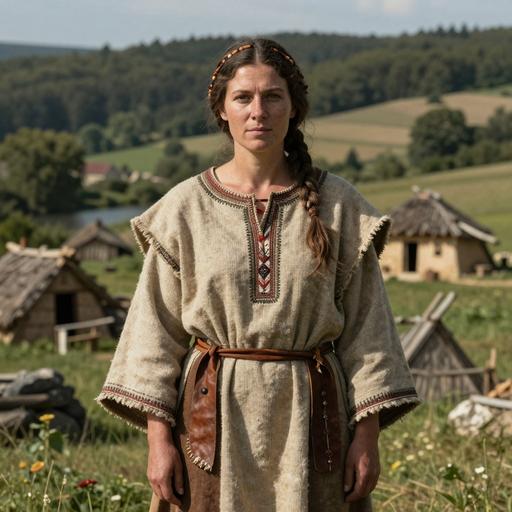
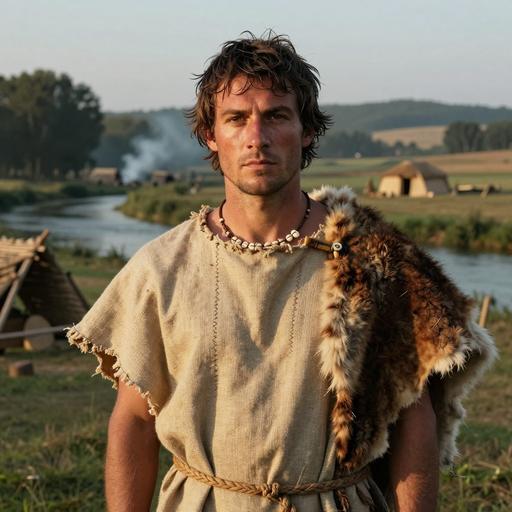
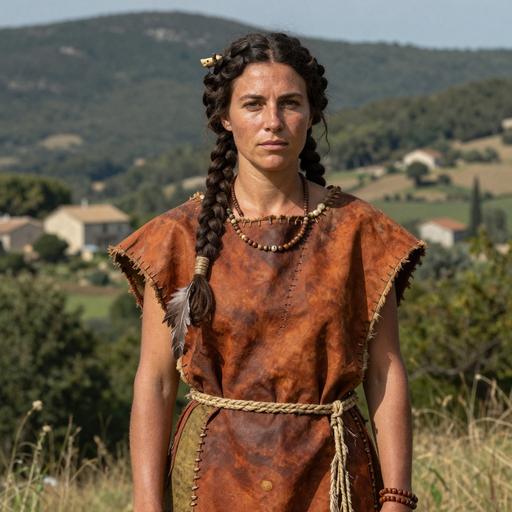
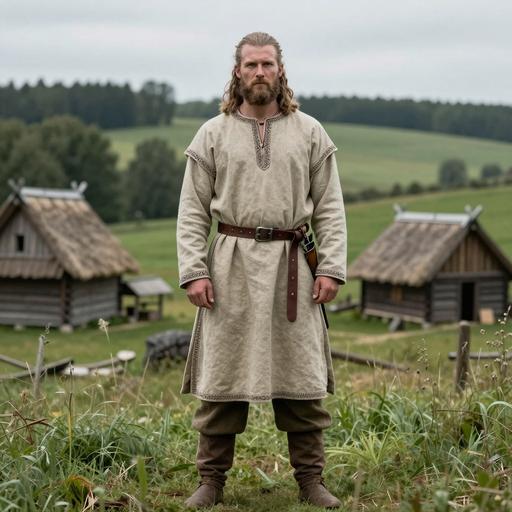
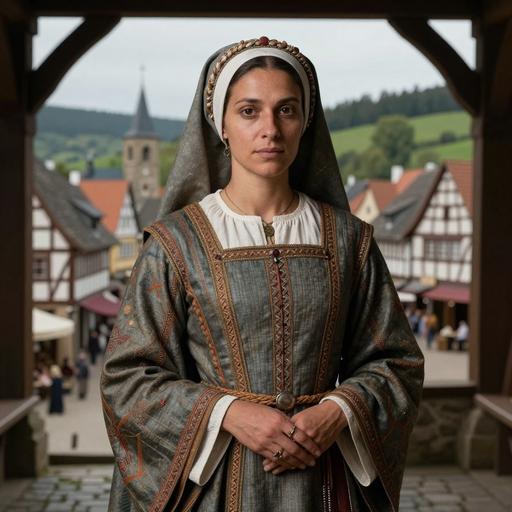
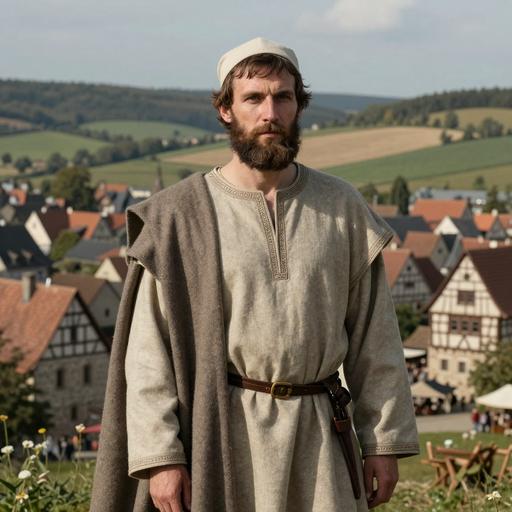
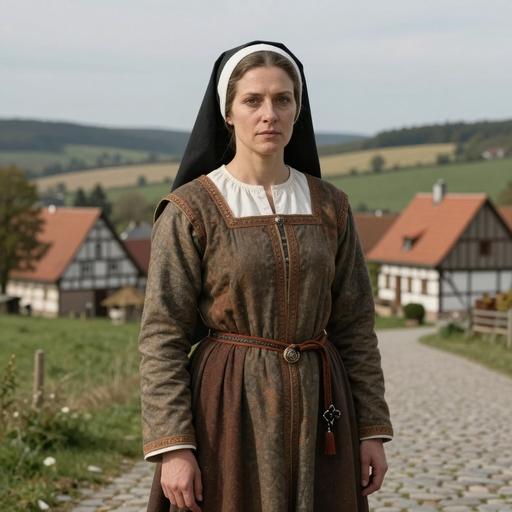
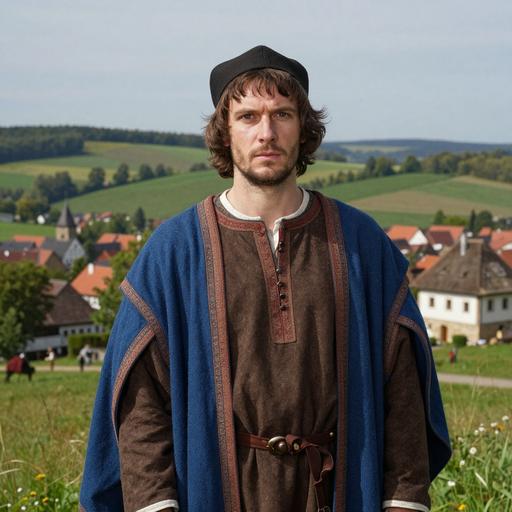
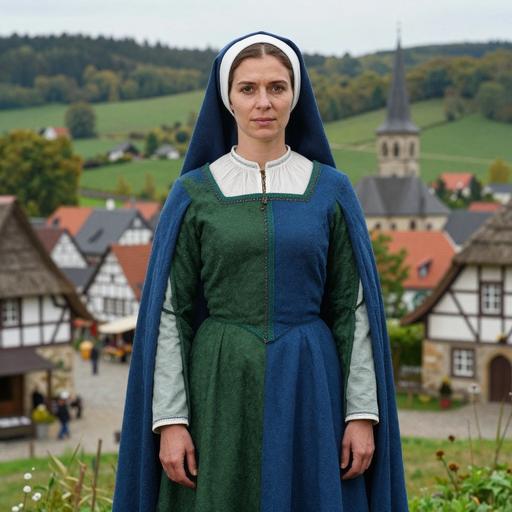
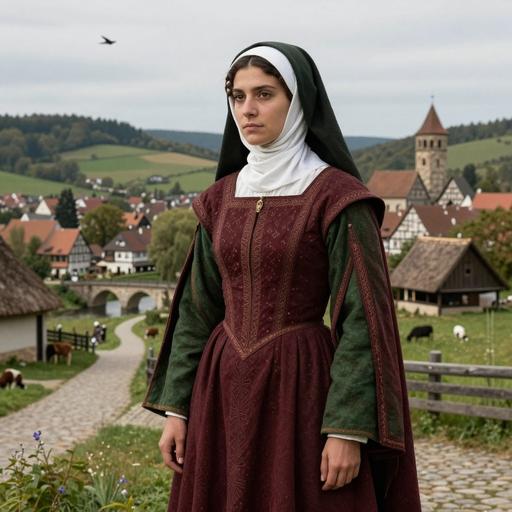
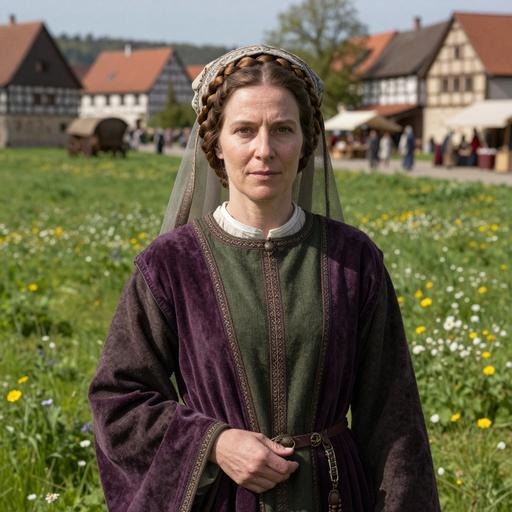
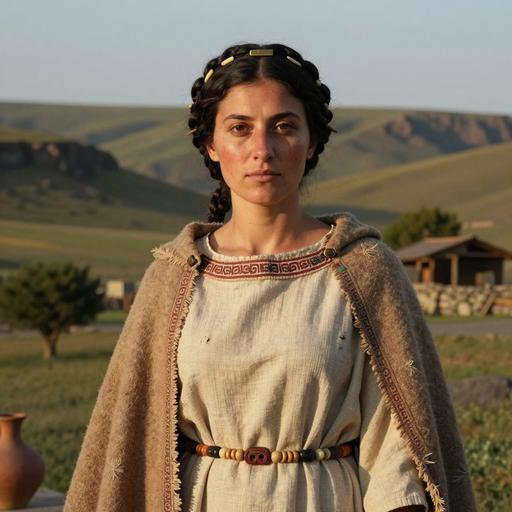
Les portraits sont des illustrations générées par IA. Les libellés d'échantillon et identifiants d'accès désignent les enregistrements de référence.
Portrait
Échantillon
Pays
Époque
Date
Culture
mtDNA
Correspondance
Identifiant d'échantillon : I20815
France
France GrandEst IA2
300-200 BCE
Iron Age II Culture
K1a1b1
Direct
Identifiant d'échantillon : I21399
France
France GrandEst IA2
300-200 BCE
Iron Age II Culture
K1a1b1
Direct
Identifiant d'échantillon : I21400
France
France GrandEst IA2
300-200 BCE
Iron Age II Culture
K1a1b1
Direct
Identifiant d'échantillon : GDF1341
France
Iron Age Culture of Aube
500-300 BCE
Aube Iron Age
K1a1b1
Direct
Identifiant d'échantillon : I12614
United Kingdom
England LBA
1100-800 BCE
British Late Bronze Age
K1a1b1
Direct
Identifiant d'échantillon : I12208
Spain
Spain MBA
1400-1200 BCE
Iberian Middle Bronze
K1a1b1
Direct
Identifiant d'échantillon : I7569
United Kingdom
Chalcolithic to Early Bronze Age England
1615-1453 calBCE (3266±30 BP, SUERC-74472)
British Chalcolithic
K1a1b1
Direct
Identifiant d'échantillon : BRC007
Italy
Bronze Age Broion, Italy
1615-1458 calBCE (3272±29 BP, UBA-41607)
Broion
K1a1b1
Direct
Identifiant d'échantillon : ALM070
Spain
The Argaric Culture of Spain
1750-1550 BCE
El Argar
K1a1b1
Direct
Identifiant d'échantillon : ALM071
Spain
The Argaric Culture of Spain
2000-1750 BCE
El Argar
K1a1b1
Direct
Identifiant d'échantillon : ALM026
Spain
The Argaric Culture of Spain
2000-1750 BCE
El Argar
K1a1b1
Direct
Identifiant d'échantillon : MMI004
Spain
The Argaric Culture of Southeast Iberia
2000-1000 BCE
El Argar
K1a1b1
Direct
Identifiant d'échantillon : I8141
Spain
Spain C
2200-2000 BCE
Los Millares
K1a1b1
Direct
Identifiant d'échantillon : I0461
Spain
Spain C
2453-2201 calBCE (3837±25 BP, MAMS-14857)
Los Millares
K1a1b1
Direct
Identifiant d'échantillon : I0458
Spain
Spain C
2456-2204 calBCE (3850±30 BP, UGA-15904)
Los Millares
K1a1b1
Direct
Identifiant d'échantillon : I14677
Italy
Italy Sardinia C MonteClaro
2464-2294 calBCE (3890±25 BP, PSUAMS-6691)
Monte Claro Culture
K1a1b1
Direct
Identifiant d'échantillon : I6587
Spain
Spain C
2500-2000 BCE
Los Millares
K1a1b1
Direct
Identifiant d'échantillon : I6589
Spain
Spain C
2500 BCE - 2000 BCE
Los Millares
K1a1b1
Direct
Identifiant d'échantillon : I6589
Spain
The Bell Beaker Culture
2500 BCE - 2000 BCE
ANATOLIAN_BRONZE_AGE
K1a1b1
Direct
Identifiant d'échantillon : I2651
United Kingdom
Scotland N
3330-3090 calBCE (4525±36 BP, SUERC-68643)
Scottish Neolithic
K1a1b1
Direct
Identifiant d'échantillon : KH150203
Germany
Germany Niedertiefenbach LN Wartberg
3339-3036 calBCE (4481±24 BP, KIA-52267)
Germany_Niedertiefenbach_LN_Wartberg
K1a1b1
Direct
Identifiant d'échantillon : I18428
France
Late Neolithic France
3600-3300 BCE
French Late Neolithic
K1a1b1
Direct
Identifiant d'échantillon : VERT028
Ukraine
Middle to Late Trypillia Culture, Verteba Cave, Ukraine
3800-3500 BCE
Trypillia Culture
K1a1b1
Direct
Identifiant d'échantillon : I0405
Spain
Spain MLN
3900-3600 BCE
Iberian Neolithic
K1a1b1
Direct
Identifiant d'échantillon : I7643
Spain
Spain MLN
3952-3713 calBCE (5040±33 BP, MAMS-16344)
Iberian Neolithic
K1a1b1
Direct
Identifiant d'échantillon : OBN003
France
France MN
4691-4496 calBCE (5744±33 BP, OxA-30278)
Middle Neolithic French
K1a1b1
Direct
Identifiant d'échantillon : GRG022
France
France MN
5000-4000 BCE
Middle Neolithic French
K1a1b1
Direct
Identifiant d'échantillon : GLN201
France
France N
5206-4839 calBCE (6070±45 BP, Lyon-5872)
French Neolithic
K1a1b1
Direct
Identifiant d'échantillon : GLN229
France
France N
5300-3900 BCE
French Neolithic
K1a1b1
Direct
Identifiant d'échantillon : PEN001_real1
France
France EN
5478-5331 calBCE (6445±40 BP, GrA-26893)
French Early Neolithic
K1a1b1
Direct
Identifiant d'échantillon : UN129
France
France Manche IA
120 BCE - 80 BCE
Manche Culture
K1a1b1c
Sous-clade
Identifiant d'échantillon : I0156
United Kingdom
Iron Age to Early Roman England
149 calBCE - 60 calCE (2039±27 BP, OxA-29573)
Iron Age-Roman
K1a1b1b
Sous-clade
Identifiant d'échantillon : GRS-A1
Iceland
Iceland PreChristian
870 CE - 1000 CE
Norse Pagan
K1a1b1b
Sous-clade
Identifiant d'échantillon : GRS-A1
Iceland
Medieval Nordic Region
870 CE - 1000 CE
1984
K1a1b1b
Sous-clade
Identifiant d'échantillon : VK304
Sweden
Sweden Viking
900 CE - 1200 CE
Viking
K1a1b1e
Sous-clade
Identifiant d'échantillon : VK304
Sweden
The Viking Age
900 CE - 1200 CE
K1a1b1e
Sous-clade
Identifiant d'échantillon : I13861
Germany
Germany Medieval Jewish
1250-1400 CE
German Jewish
K1a1b1a
Sous-clade
Identifiant d'échantillon : I13862
Germany
Germany Medieval Jewish
1250-1400 CE
German Jewish
K1a1b1a
Sous-clade
Identifiant d'échantillon : I13866
Germany
Germany Medieval Jewish
1250-1400 CE
German Jewish
K1a1b1a
Sous-clade
Identifiant d'échantillon : I13867
Germany
Germany Medieval Jewish
1250-1400 CE
German Jewish
K1a1b1a
Sous-clade
Identifiant d'échantillon : I13870
Germany
Germany Medieval Jewish
1250-1400 CE
German Jewish
K1a1b1a
Sous-clade
Identifiant d'échantillon : I14736
Germany
Germany Medieval Jewish
1250-1400 CE
German Jewish
K1a1b1a
Sous-clade
Identifiant d'échantillon : I14846
Germany
Germany Medieval Jewish
1250-1400 CE
German Jewish
K1a1b1a
Sous-clade
Identifiant d'échantillon : I14899
Germany
Germany Medieval Jewish
1250-1400 CE
German Jewish
K1a1b1a
Sous-clade
Identifiant d'échantillon : I14903
Germany
Germany Medieval Jewish
1250-1400 CE
German Jewish
K1a1b1a
Sous-clade
Identifiant d'échantillon : I14741
Germany
Germany Medieval Jewish
1285-1389 calCE (660±15 BP, PSUAMS-7670)
German Jewish
K1a1b1a
Sous-clade
Identifiant d'échantillon : I14851
Germany
Germany Medieval Jewish
1301-1397 calCE (620±15 BP, PSUAMS-7675)
German Jewish
K1a1b1a
Sous-clade
Identifiant d'échantillon : I18472
Armenia
Late Bronze Age to Early Iron Age Armenia
1450-1250 BCE
Armenian LBA-EIA
K1a1b1e
Sous-clade
Identifiant d'échantillon : WEHR_1414
Germany
Early Bronze Age Lech Valley, Germany
2026 BCE - 1892 BCE
Lech Valley Bronze Age
K1a1b1g
Sous-clade
Identifiant d'échantillon : UNTA58_149
Germany
Early Bronze Age Lech Valley, Germany
2026-1888 calBCE (3597±24 BP, MAMS-18938)
Lech Valley Bronze Age
K1a1b1g
Sous-clade
Identifiant d'échantillon : I20815
Iron Age II Grand Est, France - France - Marne. Chemin de Coupetz. Faux-Vesigneul
France France GrandEst IA2 300-200 BCE
K1a1b1Direct
Identifiant d'échantillon : I21399
Iron Age II Grand Est, France - France - Marne. Chemin de Coupetz. Faux Vesigneul
France France GrandEst IA2 300-200 BCE
K1a1b1Direct
Identifiant d'échantillon : I21400
Iron Age II Grand Est, France - France - Marne. Chemin de Coupetz. Faux Vesigneul
France France GrandEst IA2 300-200 BCE
K1a1b1Direct
Identifiant d'échantillon : GDF1341
Iron Age Culture of Aube - France - Barbuise les Grèves de Frécul (Grand Est Region, Aube Department, Nogent-sur-Seine arrondissement)
France Iron Age Culture of Aube 500-300 BCE
K1a1b1Direct
Identifiant d'échantillon : I12614
Late Bronze Age England - United Kingdom - England. Wiltshire. Potterne. Blackberry Field
United Kingdom England LBA 1100-800 BCE
K1a1b1Direct
Identifiant d'échantillon : I12208
Middle Bronze Age Spain - Spain - Castilla y León. Valladolid. San Román de Hornija. La Requejada
Spain Spain MBA 1400-1200 BCE
K1a1b1Direct
Identifiant d'échantillon : I7569
Chalcolithic to Early Bronze Age England - United Kingdom - England. Lincolnshire. Langtoft
United Kingdom Chalcolithic to Early Bronze Age England 1615-1453 calBCE (3266±30 BP, SUERC-74472)
K1a1b1Direct
Identifiant d'échantillon : BRC007
Bronze Age Broion, Italy - Italy - Vicenza. Berici Hills. Grottina dei Covoloni del Broion
Italy Bronze Age Broion, Italy 1615-1458 calBCE (3272±29 BP, UBA-41607)
K1a1b1Direct
Identifiant d'échantillon : ALM070
The Argaric Culture of Spain - Spain - Murcia. Pliego. La Almoloya
Spain The Argaric Culture of Spain 1750-1550 BCE
K1a1b1Direct
Identifiant d'échantillon : ALM071
The Argaric Culture of Spain - Spain - Murcia. Pliego. La Almoloya
Spain The Argaric Culture of Spain 2000-1750 BCE
K1a1b1Direct
Identifiant d'échantillon : ALM026
The Argaric Culture of Spain - Spain - Murcia. Pliego. La Almoloya
Spain The Argaric Culture of Spain 2000-1750 BCE
K1a1b1Direct
Identifiant d'échantillon : MMI004
The Argaric Culture of Southeast Iberia - Spain - Murcia. Lorca. Madre Mercedarias Iglesias
Spain The Argaric Culture of Southeast Iberia 2000-1000 BCE
K1a1b1Direct
Identifiant d'échantillon : I8141
Chalcolithic Spain - Spain - Granada. Arenas del Rey
Spain Spain C 2200-2000 BCE
K1a1b1Direct
Identifiant d'échantillon : I0461
Chalcolithic Spain - Spain - Burgos. Arroyal I
Spain Spain C 2453-2201 calBCE (3837±25 BP, MAMS-14857)
K1a1b1Direct
Identifiant d'échantillon : I0458
Chalcolithic Spain - Spain - Burgos. Arroyal I
Spain Spain C 2456-2204 calBCE (3850±30 BP, UGA-15904)
Late Bronze Age to Early Iron Age Armenia - Armenia - Noratus
Armenia Late Bronze Age to Early Iron Age Armenia 1450-1250 BCE
K1a1b1eSous-clade
Identifiant d'échantillon : WEHR_1414
Early Bronze Age Lech Valley, Germany - Germany - Wehringen - Hochfeld
Germany Early Bronze Age Lech Valley, Germany 2026 BCE - 1892 BCE
K1a1b1gSous-clade
Identifiant d'échantillon : UNTA58_149
Early Bronze Age Lech Valley, Germany - Germany - Haunstetten - Unterer Talweg 58-62
Germany Early Bronze Age Lech Valley, Germany 2026-1888 calBCE (3597±24 BP, MAMS-18938)
K1a1b1gSous-clade
LIGNÉE MATERNELLE · ADN ANTIQUE
Carte des preuves de lignées antiques
Suivez les clades parents jusqu'à cette branche et explorez où des porteurs antiques ont été identifiés.
Chargement des observations antiques…
La réduction des animations est activée. Utilisez la chronologie ou Tout afficher pour explorer à votre rythme.
Lire les observations sous forme de tableau
Observations antiques affichées par branche, période et date médiane
Branche
Période
Plage de dates
Échantillon
Identifiant d'échantillon
Emplacement
Haplogroupe
Relation
Les marqueurs indiquent des lieux de découvertes archéologiques. Un trait pointillé représente une transition géographique proposée et incertaine entre branches consécutives, appuyée sur plusieurs observations datées ; ce n'est pas un itinéraire exact, un lieu de naissance ni une preuve de descendance directe. Des échantillons de clades parents peuvent appartenir à d'autres branches descendantes. Des lacunes subsistent lorsque les preuves sont insuffisantes. Les dates d'échantillon diffèrent des dates de formation des haplogroupes.
Le regroupement par période historique reflète quand chaque individu antique a vécu, en combinant toutes les branches de cette chaîne de lignée ; ce n'est pas une séquence migratoire ni une chronologie personnelle entre périodes.
Profil de référence
Carte de répartition des porteurs
Répartition géographique de 61 échantillons d'ADN ancien (porteurs directs et de sous-clade de K1A1B1)
Porteur direct Porteur de sous-clade
Filtre de période
Toutes les périodes
Affichage de tous les échantillons
Profil de référence
Répartition temporelle
Répartition des porteurs selon les périodes archéologiques
Profil de référence
Répartition géographique
Effectifs par pays d'échantillon consigné. Ils reflètent la sélection de référence disponible, pas des fréquences de population.
Profil de référence
Répartition pays × époque
Comparez les effectifs d'échantillons consignés selon les pays et les périodes archéologiques. Sélectionnez une cellule renseignée pour examiner un échantillon.
Données
Données et provenance
Informations sur les sources et qualité des données
Dernière mise à jour2026-02-16
Score de confiance50/100
CouvertureLow
Source des données
La classification, les dates estimées et le contexte géographique reflètent les données de référence consignées et peuvent évoluer lorsque les éléments sont révisés. La couverture d'échantillons est inégale ; les lieux consignés et les associations archéologiques n'établissent pas une origine personnelle ni une identité culturelle.