Aller au contenu principal
mtDNA · lignée Maternelle

R

mtDNA Haplogroup R

Profil de référence pour une branche de lignée. Des haplogroupes partagés n'établissent pas de lien familial ni d'identité culturelle.

Profil de référence

Contexte de la branche

Contexte historique de la branche de lignée mtDNA R

Origins and Evolution

Haplogroup R is a primary descendant of haplogroup N, itself a major branch of the non-African mitochondrial lineage that dispersed after the out-of-Africa migrations. R most likely arose in the Upper Paleolithic (commonly estimated ~50–65 kya) in a region broadly encompassing South Asia and the Near East. From this ancestral R node a rapid radiation produced many daughter clades that now dominate maternal lineages across Eurasia, Oceania, and parts of the Americas.

Genetically, R sits at a pivotal point in the human mtDNA phylogeny: although R itself is defined by a limited set of diagnostic mutations, its importance comes from the large number of downstream haplogroups (H, V, J, T, U, K, B, F, P, R0/RV, R2, etc.) that together carry most of the non-African maternal diversity sampled in modern and ancient populations.

Subclades

The R node gave rise to many recognizable subclades with distinct geographic and historical signatures. Important subclades include (but are not limited to):

  • R0 / RV → H, V: extremely common in Western Eurasia; H is the single most frequent European mtDNA lineage.
  • JT → J, T: found across Europe and the Near East, often associated with Neolithic and later populations.
  • U (and K): deep Upper Paleolithic European branches and later Mesolithic/Neolithic dynamics.
  • B: widespread in East and Southeast Asia and a founding lineage in parts of the Americas.
  • F and P: important in East and Southeast Asia and in Oceania (P in New Guinea and Australia).
  • R2, R1 and other R-derived lineages: often seen in South Asia, Central Asia and adjoining regions.

Each of these daughter clades has its own internal structure, time depth and geography; collectively they explain why R is so prominent in non-African mitochondrial variation.

Geographical Distribution

Haplogroup R is effectively pan-Eurasian in scope through its descendants. Modern and ancient DNA studies show that R-derived lineages are present at high frequencies across South Asia, West Asia, Europe and East Asia, are prominent in parts of Southeast Asia, and contribute to the founding diversity of Oceania and the Americas (via specific descendant clades such as B and certain sublineages of P). Occasional low-frequency occurrences in North Africa reflect later gene flow and complex interactions on Eurasia–Africa margins.

Geographic patterns are largely shaped by the subsequent radiations of R’s daughter clades: for example, H/V/J/T/U dominate much of Europe and the Near East, B/F are common in East/Southeast Asia and the Americas, and P is characteristic of Oceania.

Historical and Cultural Significance

Because R predates many archaeological cultures, it does not map one-to-one onto a single prehistoric culture. Instead, descendant R clades appear in multiple temporal and cultural contexts across Eurasia:

  • Upper Paleolithic: origin and early diversification; several R-descended lineages are present in Paleolithic and Mesolithic remains.
  • Neolithic: many R subclades (for example J, T and certain H and K lineages) are associated with early farming populations in Europe and the Near East and appear in ancient DNA from Neolithic sites.
  • Bronze Age and later: steppe- and migration-associated movements redistributed particular maternal lineages; later historical migrations and population turnovers further reshaped regional frequencies.

In short, R and its descendants have been involved in the major demographic events of Eurasian prehistory — from initial Upper Paleolithic dispersal to Neolithic farming expansions and Bronze Age population movements — but the specific signatures belong to the daughter haplogroups rather than the R node alone.

Conclusion

Haplogroup R is best understood as a major ancestral hub in the mtDNA tree: a Paleolithic-era lineage that spawned the majority of non-African maternal diversity. Studying R and its many subclades provides insight into the timing and routes of early human dispersals across Eurasia, the peopling of Oceania and the maternal founders of the Americas. As ancient DNA sampling and high-resolution mitogenome sequencing expand, the internal structure and precise geographic origin of R continue to be refined.

Points clés

  • Origins and Evolution
  • Subclades
  • Geographical Distribution
  • Historical and Cultural Significance
  • Conclusion
Profil de référence

Arbre et relations

Contexte phylogénétique et sous-clades

Voie évolutive

Suivez les branches parentes consignées jusqu'à R. Les dates sont des estimations et peuvent évoluer lorsque les données de référence sont révisées.

Étapes Haplogroupe Âge estimé Époque archéologique Temps écoulé Descendants immédiats Descendants modernes testés Liens anciens
1 R Actuel ~55,000 years ago Paleolithic 55,000 ans 17 22,830 57
2 NA - - - 1 22,830 0
3 N ~60,000 years ago Paleolithic 60,000 ans 16 26,150 13
4 L3 ~70,000 years ago Paleolithic 70,000 ans 7 30,162 6
5 L3'4 - - - 2 30,212 0
6 L3'4'6 - - - 2 30,216 0
7 L2'3'4'6 - - - 2 31,333 0
8 L2'3'4'5'6'7 - - - 2 31,349 0
9 L1'2'3'4'5'6'7 - - - 2 31,852 0
10 L ~160,000 years ago Paleolithic 160,000 ans 2 32,236 5
Profil de référence

Dans le monde

Distribution géographique et présence moderne
Origine consignée

South Asia / Near East

Distribution moderne

The populations where mtDNA haplogroup R is found include:

  1. South Asian populations (Indian subcontinent)

  2. West Eurasian / Near Eastern populations (Europe, Levant, Iran)
  3. East Asian populations (Han Chinese, Japanese, Koreans)
  4. Southeast Asian populations (Thai, Vietnamese, Malay, Filipino groups)
  5. Oceanian groups (Papua New Guinea, Indigenous Australians via descendant clades)
  6. Native American groups (through descendant lineages such as B)
  7. Central Asian populations (Turkic, Indo-Iranian groups)
  8. North African groups (low-frequency occurrences, usually via historical gene flow)
Contexte historique

Une branche dans le temps

Formation estimée sur une chronologie historique large. Les repères de période servent de contexte et n'impliquent pas de lien avec des cultures particulières.

  1. Il y a ~70k ans

    Sortie d'Afrique

    Grande migration des humains modernes hors d'Afrique

  2. Il y a ~55k ans

    Haplogroupe R

    Formation estimée de cette branche mtDNA ; les dates et les lieux sont des estimations de référence.

    Cette branche
  3. Il y a ~50k ans

    Paléolithique supérieur

    Outils avancés, art et essor culturel

  4. Il y a ~20k ans

    Dernier maximum glaciaire

    Apogée de la dernière période glaciaire, populations isolées

  5. Il y a ~10k ans

    Révolution néolithique

    Début de l'agriculture et émergence de communautés sédentaires

  6. Il y a ~5k ans

    Âge du bronze

    Travail des métaux, écriture et premières civilisations

  7. Il y a ~3k ans

    Âge du fer

    Outils en fer, réseaux d'échanges élargis

  8. Il y a ~2.5k ans

    Antiquité classique

    Floraison des civilisations grecque et romaine

  9. Aujourd'hui

    Aujourd'hui

    Époque moderne

Profil de référence

Contexte archéologique

Associations archéologiques consignées pour la branche mtDNA R

Associations consignées

Ces libellés décrivent des contextes archéologiques consignés pour des échantillons de référence liés à R. Une association n'établit pas que tous les porteurs appartenaient à une culture ni qu'ils ont suivi une route migratoire précise.

Afanasievo Culture Archaic Belize Boisman Ganj Dareh Culture Linear Pottery Culture Russia_Omsk_Eneolithic_Chernoozersky Santa Rosa Island Culture Sardinian Neolithic Shahr-i Sokhta Ust-Ishim Culture
Les attributions culturelles reposent sur le contexte archéologique des échantillons d'ADN ancien et peuvent refléter des associations régionales à certaines périodes.
Profil de référence

Catalogue d'échantillons

32 porteurs directs et 25 porteurs de sous-clade de l'haplogroupe R

10 affiché(s) · 50 échantillons correspondants

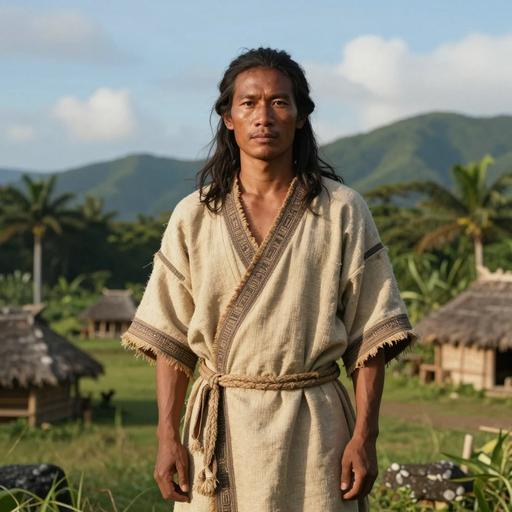
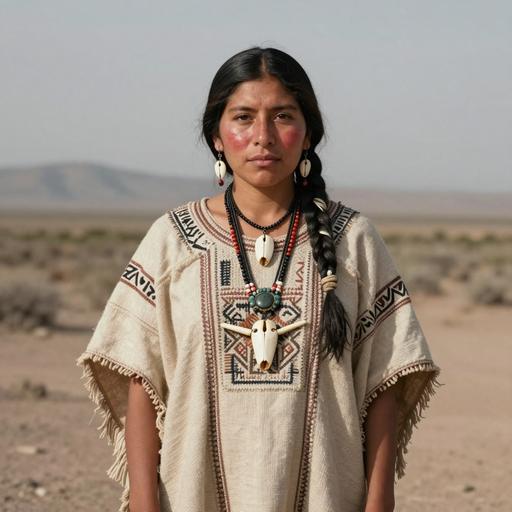
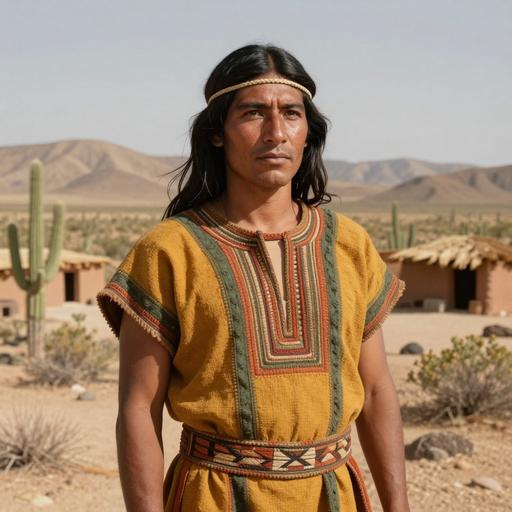
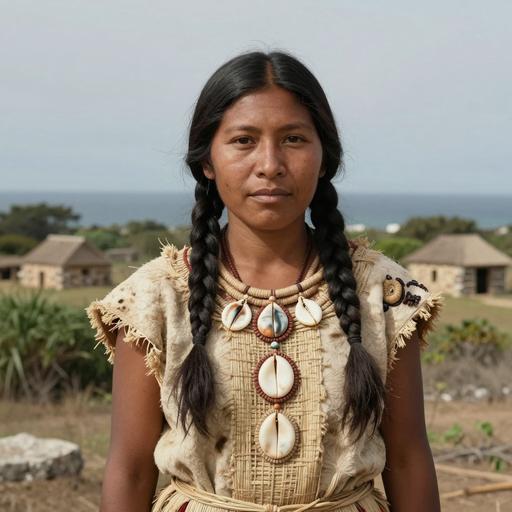
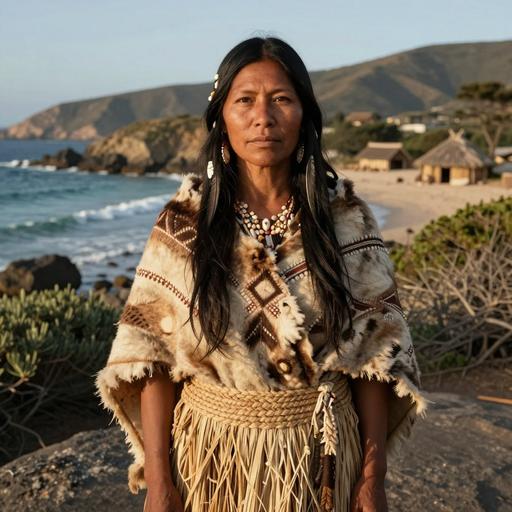
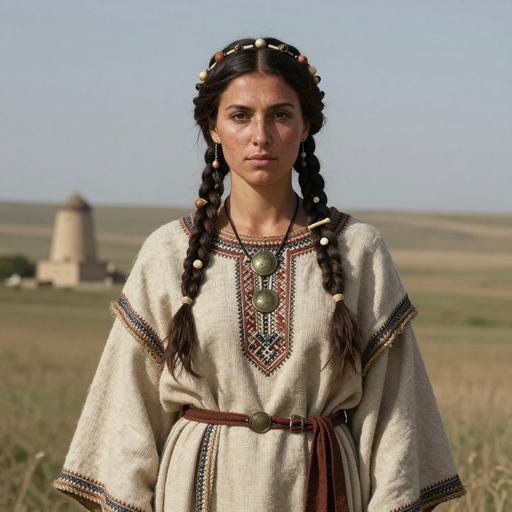
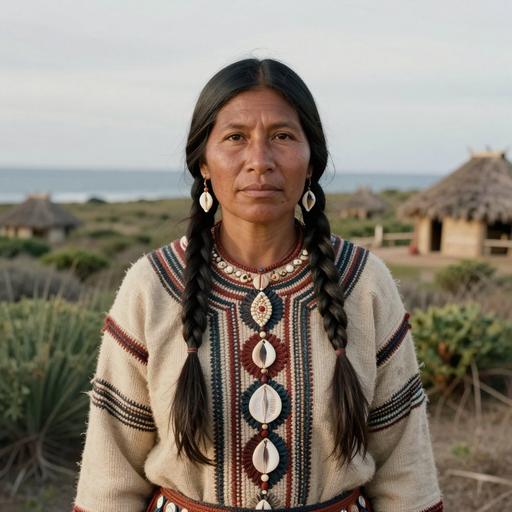
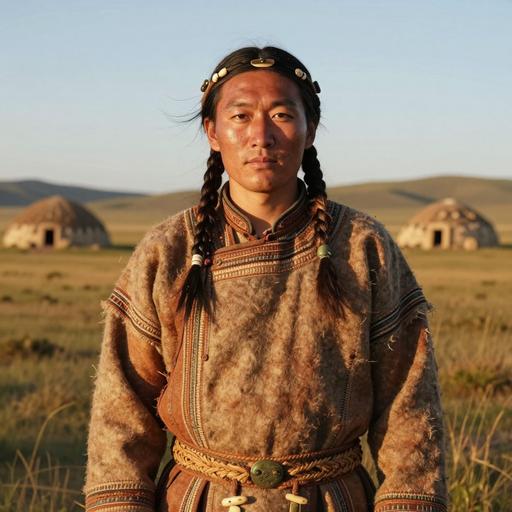
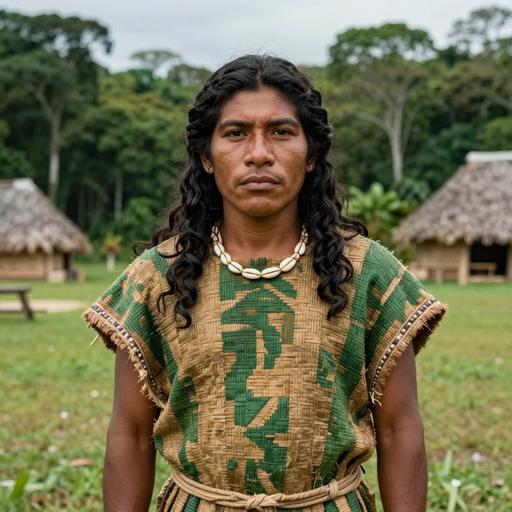
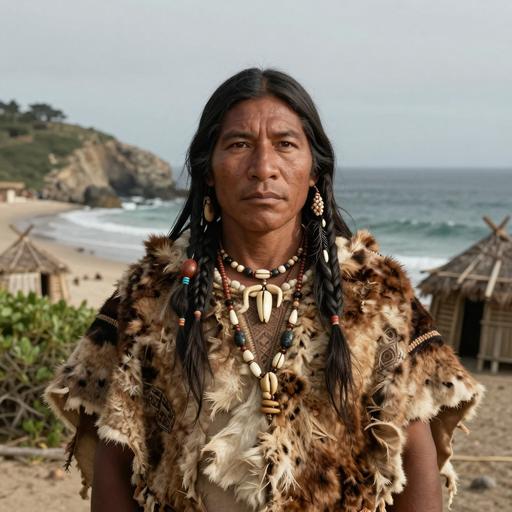
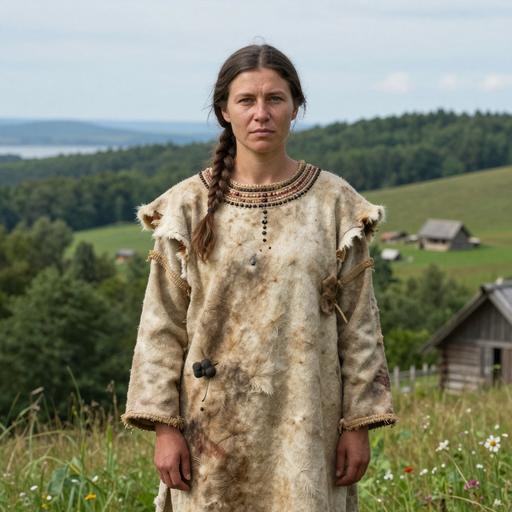
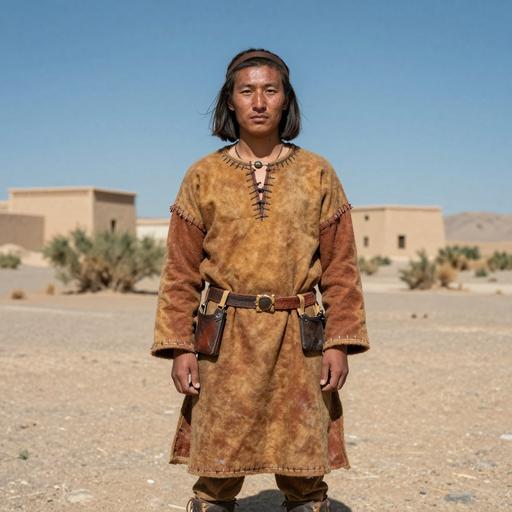
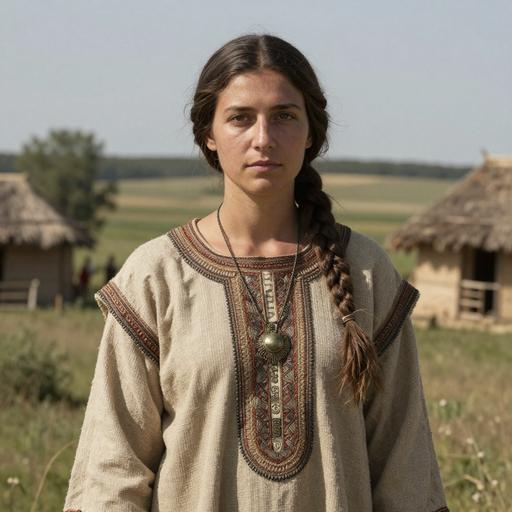
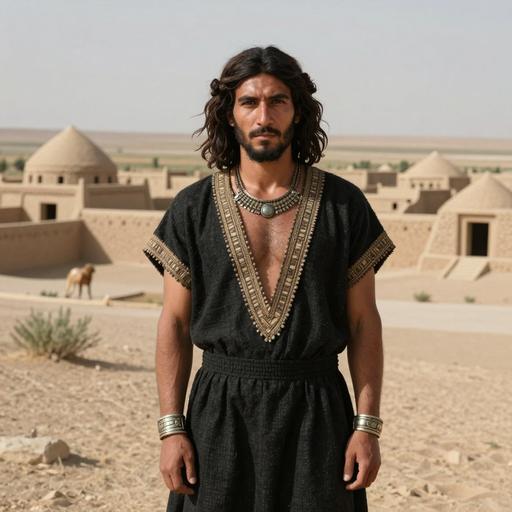
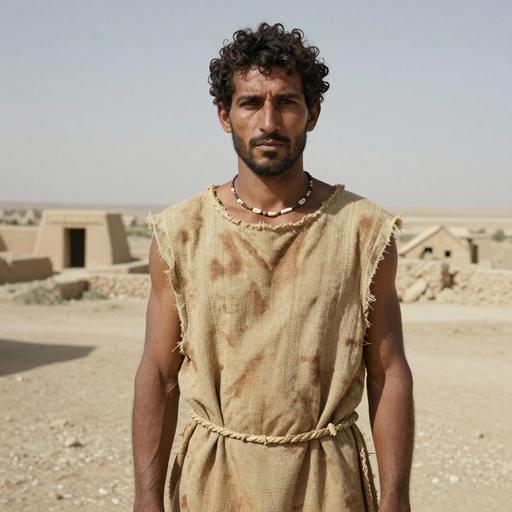
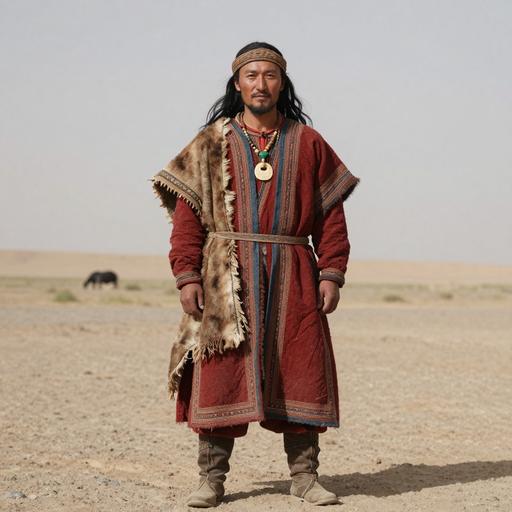
Les portraits sont des illustrations générées par IA. Les libellés d'échantillon et identifiants d'accès désignent les enregistrements de référence.

Portrait Échantillon Pays Époque Date Culture mtDNA Correspondance
Portrait illustratif généré par IA de IA individual, Hanben. Blihun site, Taiwan (1-800 CE)
Identifiant d'échantillon : I3614
Taiwan Iron Age Taiwan 1-800 CE Taiwanese Iron R Direct
Portrait illustratif généré par IA de Austronesian individual, Hanben. Blihun site, Taiwan (1-800 CE)
Identifiant d'échantillon : I3618
Taiwan Iron Age Taiwan 1 CE - 800 CE Taiwanese Iron R Direct
Portrait illustratif généré par IA de IA individual, Hanben. Blihun site, Taiwan (1-800 CE)
Identifiant d'échantillon : I8071
Taiwan Iron Age Taiwan 1-800 CE Taiwanese Iron R Direct
Portrait illustratif généré par IA de IA individual, Hanben. Blihun site, Taiwan (1-800 CE)
Identifiant d'échantillon : I13697
Taiwan Iron Age Taiwan 1-800 CE Taiwanese Iron R Direct
Portrait illustratif généré par IA de IA individual, Hanben. Blihun site, Taiwan (22-201 CE)
Identifiant d'échantillon : I3620
Taiwan Iron Age Taiwan 22-201 calCE (1935±20 BP, PSUAMS-7936) Taiwanese Iron R Direct
Portrait illustratif généré par IA de IA individual, Hanben. Blihun site, Taiwan (32-206 CE)
Identifiant d'échantillon : I3615
Taiwan Iron Age Taiwan 32-206 calCE (1920±20 BP, PSUAMS-7910) Taiwanese Iron R Direct
Portrait illustratif généré par IA de England MIA individual, England. London. River Thames. Putney Foreshore, United Kingdom (387-201 BCE)
Identifiant d'échantillon : I3083
United Kingdom England MIA 387-201 calBCE (2232±29 BP, OxA-14730) Middle Iron Age British R Direct
Portrait illustratif généré par IA de Tayopa individual, Tayopa (Sonora, Sahuaripa), Mexico (500-1,400 CE)
Identifiant d'échantillon : I8236
Mexico Mexico Tayopa 1000BP 500-1400 CE Tayopa R Direct
Portrait illustratif généré par IA de Tayopa individual, Tayopa (Sonora, Sahuaripa), Mexico (500-1,400 CE)
Identifiant d'échantillon : I8238
Mexico Mexico Tayopa 1000BP 500-1400 CE Tayopa R Direct
Portrait illustratif généré par IA de Late Unai individual, Guam. Naton Beach Site, Guam (771-543 BCE)
Identifiant d'échantillon : I18450
Guam Guam LateUnai 771-543 calBCE (2495±20 BP, PSUAMS-11558) Unai Culture R Direct
LIGNÉE MATERNELLE · ADN ANTIQUE

Carte des preuves de lignées antiques

Suivez les clades parents jusqu'à cette branche et explorez où des porteurs antiques ont été identifiés.

Chargement des observations antiques…

Les marqueurs indiquent des lieux de découvertes archéologiques. Un trait pointillé représente une transition géographique proposée et incertaine entre branches consécutives, appuyée sur plusieurs observations datées ; ce n'est pas un itinéraire exact, un lieu de naissance ni une preuve de descendance directe. Des échantillons de clades parents peuvent appartenir à d'autres branches descendantes. Des lacunes subsistent lorsque les preuves sont insuffisantes. Les dates d'échantillon diffèrent des dates de formation des haplogroupes.

Profil de référence

Carte de répartition des porteurs

Répartition géographique de 57 échantillons d'ADN ancien (porteurs directs et de sous-clade de R)

Porteur direct Porteur de sous-clade
Filtre de période
Toutes les périodes
Affichage de tous les échantillons
Profil de référence

Répartition temporelle

Répartition des porteurs selon les périodes archéologiques

Profil de référence

Répartition géographique

Effectifs par pays d'échantillon consigné. Ils reflètent la sélection de référence disponible, pas des fréquences de population.

Profil de référence

Répartition pays × époque

Comparez les effectifs d'échantillons consignés selon les pays et les périodes archéologiques. Sélectionnez une cellule renseignée pour examiner un échantillon.

Données

Données et provenance

Informations sur les sources et qualité des données

Dernière mise à jour 2026-06-14

Source des données

La classification, les dates estimées et le contexte géographique reflètent les données de référence consignées et peuvent évoluer lorsque les éléments sont révisés. La couverture d'échantillons est inégale ; les lieux consignés et les associations archéologiques n'établissent pas une origine personnelle ni une identité culturelle.