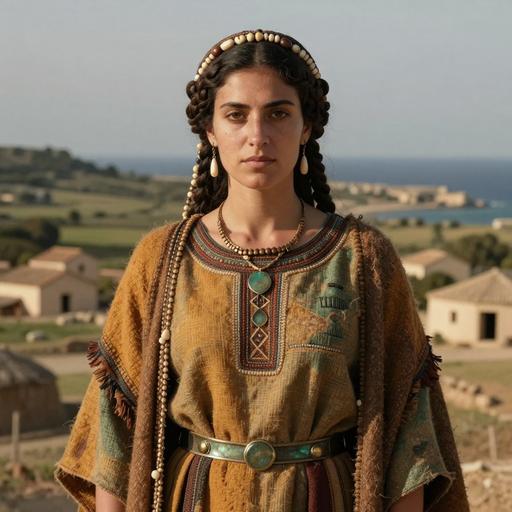
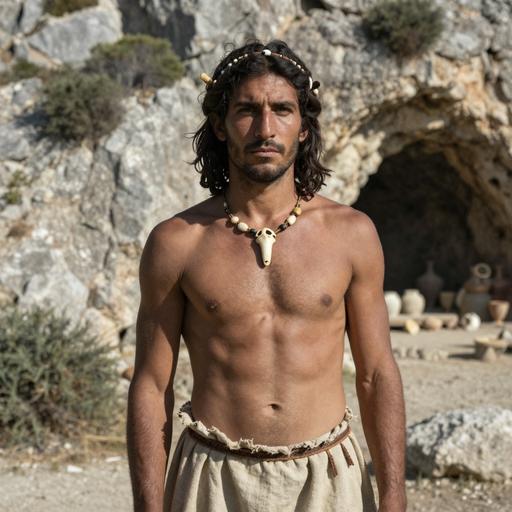
Profil de référence pour une branche de lignée. Des haplogroupes partagés n'établissent pas de lien familial ni d'identité culturelle.
Profil de référence
Contexte de la branche
Contexte historique de la branche de lignée mtDNA K1A3
Origins and Evolution
mtDNA haplogroup K1A3 is a downstream branch of K1A, itself a derivative of haplogroup K (which stems from U8b). The parent clade K1A likely diversified in the Near East/Anatolia in the Late Glacial to Early Holocene; K1A3 is best interpreted as a Holocene split that emerged after the initial K1A diversification. Its estimated time depth (on the order of ~9 kya) places its origin in the period when Anatolian/Levantine populations were undergoing demographic growth and beginning the processes that led to Neolithic expansions into Europe.
K1A3 is defined by specific coding-region and control-region mutations relative to the rCRS within the K1A branch; as with most mtDNA subclades, its phylogenetic placement is established by a set of diagnostic mutations observed in multiple independent lineages.
Subclades (if applicable)
K1A3 may contain further internal substructure (e.g., K1A3a, K1A3b in published phylogenies), with some sublineages restricted to certain geographic pockets due to founder effects or later demographic events. Several minor subclades show localized elevation in frequency where founder events occurred (for example, within certain Jewish communities or isolated Mediterranean populations). Because mtDNA lineages are sampled unevenly across regions and time periods, continued sequencing of both modern and ancient samples can clarify the finer branching pattern within K1A3.
Geographical Distribution
The geographical distribution of K1A3 reflects a Near Eastern origin followed by dispersal into surrounding regions. It is observed in modern populations across Anatolia, the Levant, the Caucasus and Southern Europe, and at lower frequencies in Western and Northern Europe and parts of North Africa and Central Asia. The haplogroup appears in ancient DNA from Neolithic contexts tied to early farmers, consistent with an expansion from a Near Eastern/Anatolian source into Europe during the Early Neolithic, and it also appears in later historical-period samples where demographic founder events concentrated particular maternal lineages.
Historical and Cultural Significance
K1A3's presence in Early Neolithic-associated remains (and its modern distribution) ties it to the spread of agriculture from Anatolia into Europe. In some populations, particularly among Ashkenazi Jewish communities, K1A sublineages — including lineages closely related to K1A3 — show evidence of later founder effects that amplified particular maternal lineages during medieval population bottlenecks and expansions. Thus K1A3 exemplifies two common mtDNA histories: an early Holocene geographic expansion with farming populations and later, culturally mediated founder events that shape modern frequency patterns.
Conclusion
As a subclade of K1A, K1A3 is best understood as a Holocene maternal lineage that arose in the Near East/Anatolia and contributed to the maternal gene pool of Early Neolithic farmers who expanded into Europe. Its continued detection in modern and ancient samples — and occasional high local frequencies caused by founder effects — make it a useful marker for reconstructing maternal ancestry tied to Neolithic demography and later historical population processes.
Points clés
Origins and Evolution
Subclades (if applicable)
Geographical Distribution
Historical and Cultural Significance
Conclusion
Profil de référence
Arbre et relations
Contexte phylogénétique et sous-clades
Voie évolutive
Suivez les branches parentes consignées jusqu'à K1A3. Les dates sont des estimations et peuvent évoluer lorsque les données de référence sont révisées.
The populations where mtDNA haplogroup K1A3 is found include:
Ashkenazi Jewish communities
Anatolian (modern Turkey) populations
European Early Neolithic farmer-descended populations (e.g., Central European LBK-descendants)
Southern European populations (Iberia, Italy, Greece, Mediterranean islands such as Sardinia)
Western and Northern European populations (British Isles, Scandinavia) at moderate to low frequencies
Caucasus populations (Armenians, Georgians)
North African coastal groups with Near Eastern admixture
Iranian and Levantine populations
Island and isolated Mediterranean populations (e.g., Sardinians, some Aegean islands)
Small but detectable frequencies in parts of Central Asia due to historical west–east contacts
Contexte historique
Une branche dans le temps
Formation estimée sur une chronologie historique large. Les repères de période servent de contexte et n'impliquent pas de lien avec des cultures particulières.
Il y a ~10k ans
Révolution néolithique
Début de l'agriculture et émergence de communautés sédentaires
Il y a ~9k ans
Haplogroupe K1A3
Formation estimée de cette branche mtDNA ; les dates et les lieux sont des estimations de référence.
Cette branche
Il y a ~5k ans
Âge du bronze
Travail des métaux, écriture et premières civilisations
Il y a ~3k ans
Âge du fer
Outils en fer, réseaux d'échanges élargis
Il y a ~2.5k ans
Antiquité classique
Floraison des civilisations grecque et romaine
Aujourd'hui
Aujourd'hui
Époque moderne
Profil de référence
Contexte archéologique
Associations archéologiques consignées pour la branche mtDNA K1A3
Associations consignées
Ces libellés décrivent des contextes archéologiques consignés pour des échantillons de référence liés à K1A3. Une association n'établit pas que tous les porteurs appartenaient à une culture ni qu'ils ont suivi une route migratoire précise.
Les attributions culturelles reposent sur le contexte archéologique des échantillons d'ADN ancien et peuvent refléter des associations régionales à certaines périodes.
Profil de référence
Catalogue d'échantillons
34 porteurs directs et 62 porteurs de sous-clade de l'haplogroupe K1A3
10 affiché(s) · 50 échantillons correspondants
Aucun échantillon ne correspond à ces filtres. Essayez un autre libellé, lieu ou période.
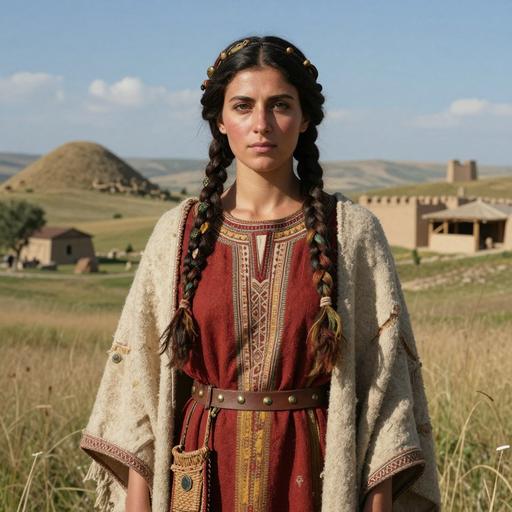
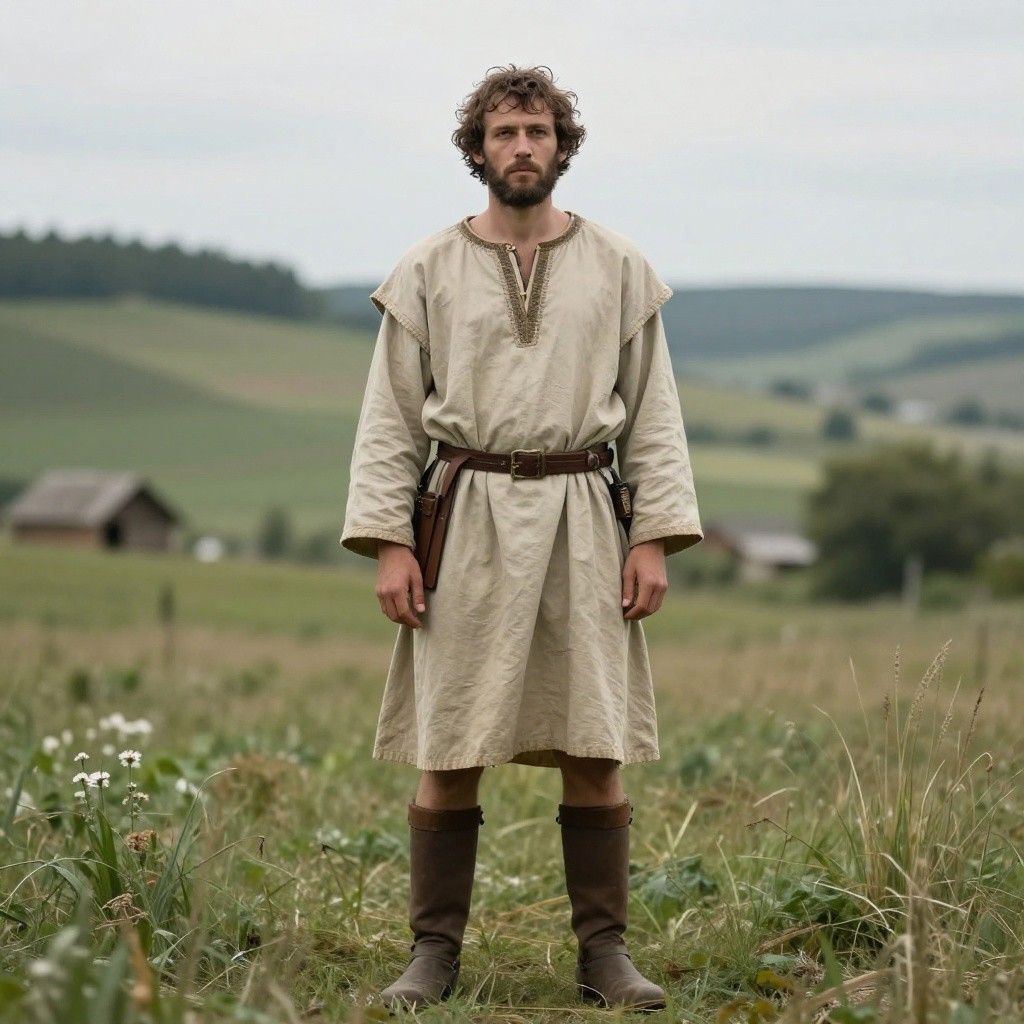
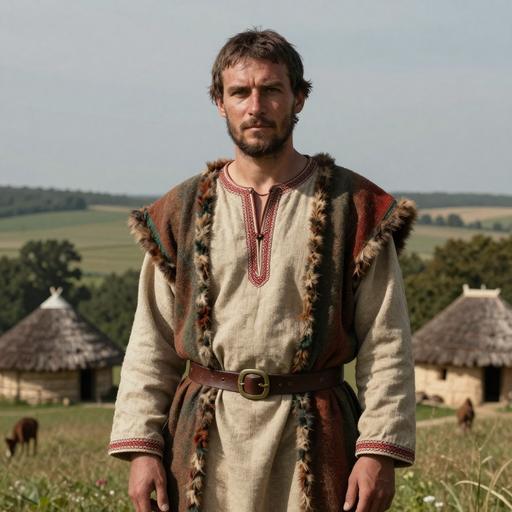
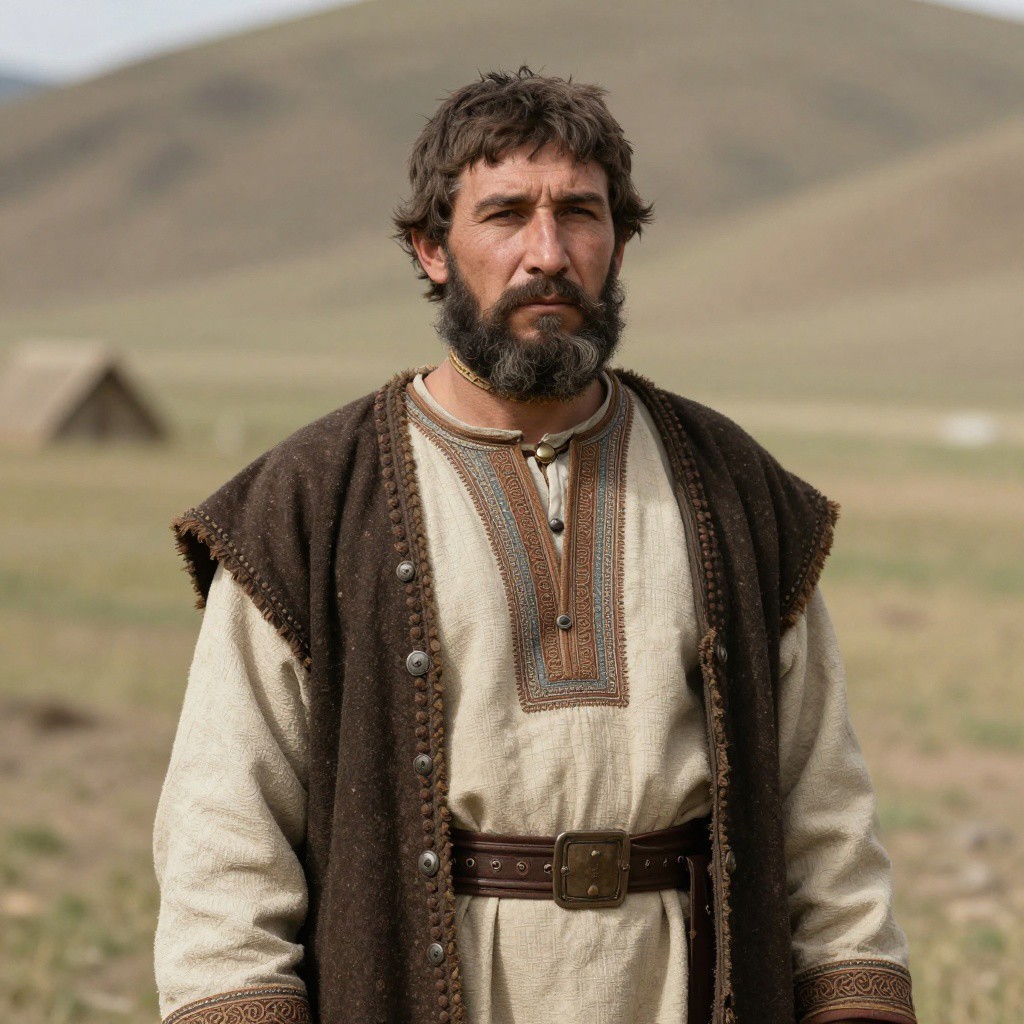
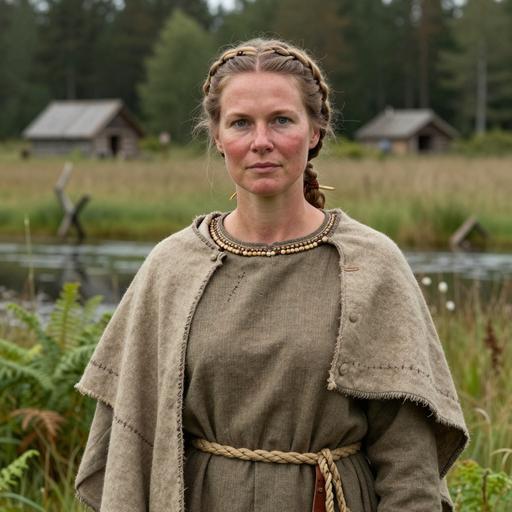
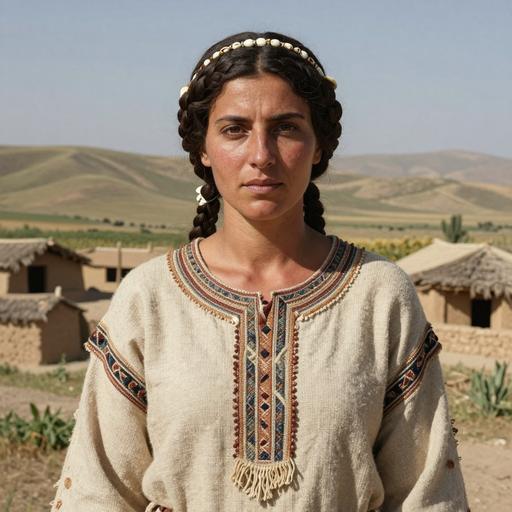
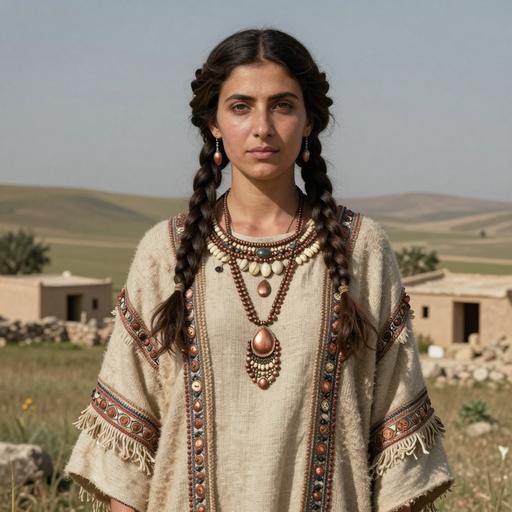
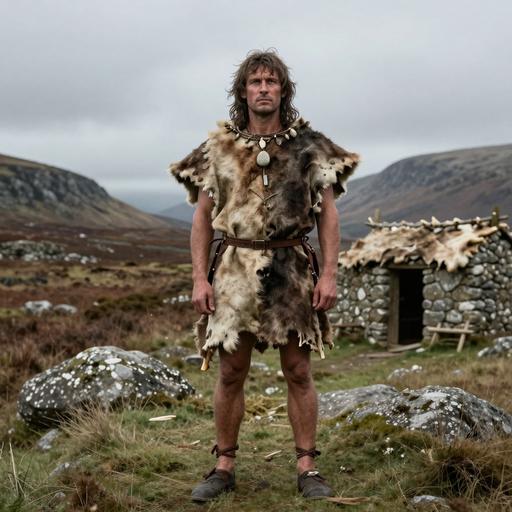
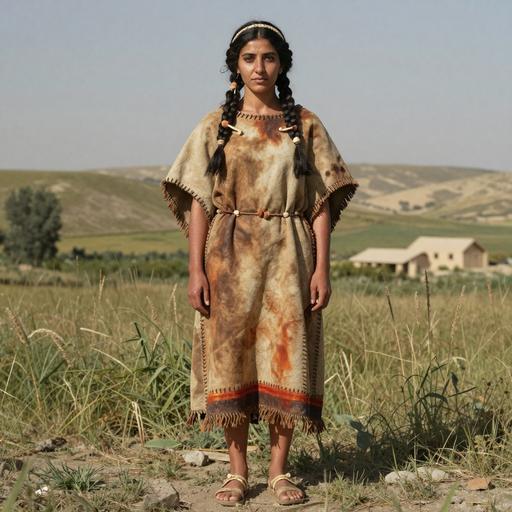
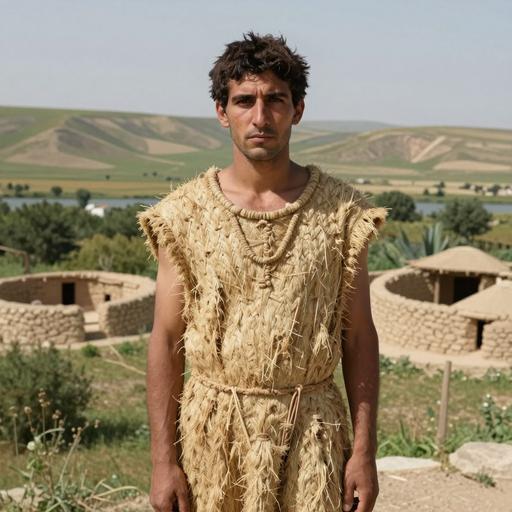
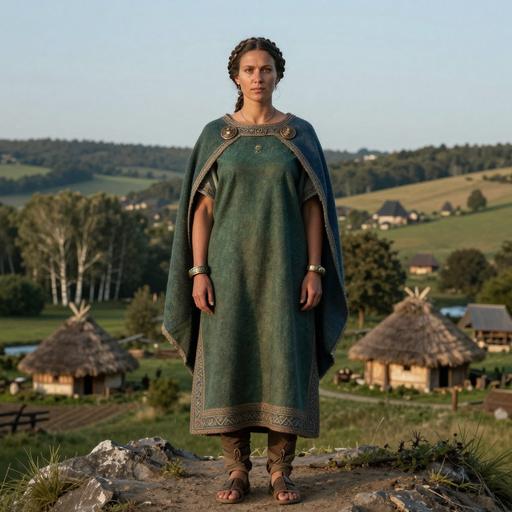
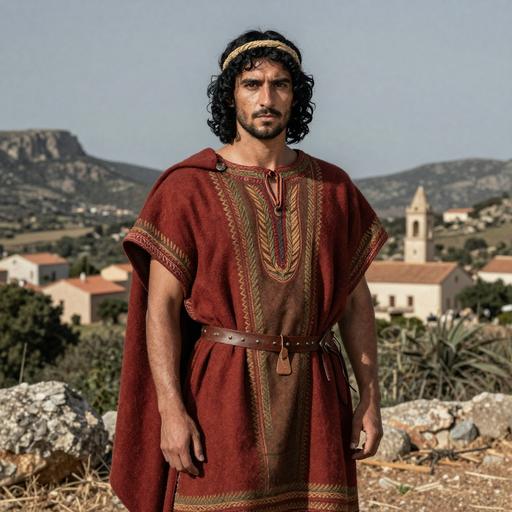
Les portraits sont des illustrations générées par IA. Les libellés d'échantillon et identifiants d'accès désignent les enregistrements de référence.
Portrait
Échantillon
Pays
Époque
Date
Culture
mtDNA
Correspondance
Identifiant d'échantillon : Gordion002
Turkey
Central Anatolian Iron Age Culture (Gordion)
350-1 BCE
Gordion Culture
K1a3
Direct
Identifiant d'échantillon : I3303
Turkey
Hellenistic Turkey
361-166 calBCE (2185±25 BP, PSUAMS-3994)
Hellenistic Anatolia
K1a3
Direct
Identifiant d'échantillon : CSK071
Austria
Austria Avar
600-800 CE
Austria_Avar
K1a3
Direct
Identifiant d'échantillon : PLE-38
Hungary
Hungary Conqueror Commoner
893 CE - 995 CE
Magyar Commoner Culture
K1a3
Direct
Identifiant d'échantillon : VK179
Greenland
Greenland EarlyNorse
900 CE - 1200 CE
Norse Greenland
K1a3
Direct
Identifiant d'échantillon : VK179
Greenland
The Viking Age
900 CE - 1200 CE
K1a3
Direct
Identifiant d'échantillon : GIN001
Russia
Russia MLBA Caucasus
1900-1750 BCE
Russia_MLBA_Caucasus
K1a3
Direct
Identifiant d'échantillon : RISE179
Sweden
Sweden LN
2015 BCE - 1774 BCE
Nordic Late Neolithic
K1a3
Direct
Identifiant d'échantillon : RISE179
Sweden
Late Neolithic Nordic Countries
2015 BCE - 1774 BCE
K1a3
Direct
Identifiant d'échantillon : OBKR_86
Germany
Early Bronze Age Lech Valley, Germany
2035 BCE - 1892 BCE
Lech Valley Bronze Age
K1a3
Direct
Identifiant d'échantillon : OBKR_86
Germany
Early Bronze Age Central Europe
2035 BCE - 1892 BCE
K1a3
Direct
Identifiant d'échantillon : OBKR_80
Germany
Early Bronze Age Lech Valley, Germany
2136-1955 calBCE (3664±24 BP, MAMS-18901)
Lech Valley Bronze Age
K1a3
Direct
Identifiant d'échantillon : vbj003
Sweden
Pitted Ware and Battle Axe Culture Västerbjers, Gotland, Sweden
3011 BCE - 2883 BCE
Västerbjers Culture
K1a3
Direct
Identifiant d'échantillon : vbj003
Sweden
The Pitted Ware Culture
3011 BCE - 2883 BCE
K1a3
Direct
Identifiant d'échantillon : vbj003
Sweden
The Pitted Ware Culture
3011 BCE - 2883 BCE
K1a3
Direct
Identifiant d'échantillon : NEO38
Sweden
Swedish Funnel Beaker Culture
3335-2928 calBCE (4443±40 BP, UBA-35702)
Funnel Beaker
K1a3
Direct
Identifiant d'échantillon : KH150633
Germany
Wartberg Culture
3344-3036 calBCE (4486±29 BP, KIA-52279)
Wartberg
K1a3
Direct
Identifiant d'échantillon : I10282
Spain
Spain MLN
3400 BCE - 2500 BCE
Iberian Neolithic
K1a3
Direct
Identifiant d'échantillon : I10282
Spain
Middle to Late Neolithic Iberia
3400 BCE - 2500 BCE
K1a3
Direct
Identifiant d'échantillon : ART019
Turkey
Late Chalcolithic Turkey
3508-3354 calBCE (4623±24 BP, MAMS-33544)
Late Anatolian Chalcolithic
K1a3
Direct
Identifiant d'échantillon : CBT017
Turkey
Late Chalcolithic Çamlıbel Tarlası, Turkey
3600-3450 BCE
Çamlıbel Tarlası
K1a3
Direct
Identifiant d'échantillon : CBT002
Turkey
Late Chalcolithic Çamlıbel Tarlası, Turkey
3644-3528 calBCE (4809±30 BP, MAMS-41630)
Çamlıbel Tarlası
K1a3
Direct
Identifiant d'échantillon : CBT016
Turkey
Late Chalcolithic Çamlıbel Tarlası, Turkey
3651-3528 calBCE (4828±29 BP, MAMS-41634)
Çamlıbel Tarlası
K1a3
Direct
Identifiant d'échantillon : I3041
United Kingdom
Scotland N
3942 BCE - 3037 BCE
Scottish Neolithic
K1a3
Direct
Identifiant d'échantillon : I3041
United Kingdom
Early Neolithic Britain
3942 BCE - 3037 BCE
K1a3
Direct
Identifiant d'échantillon : I3041
United Kingdom
Early Neolithic Britain
3942 BCE - 3037 BCE
K1a3
Direct
Identifiant d'échantillon : I3041
United Kingdom
Early Neolithic Britain
3942 BCE - 3037 BCE
K1a3
Direct
Identifiant d'échantillon : I30418
Austria
Austria N LBK
5197-4844 calBCE (6055±35 BP)
Linear Pottery Culture
K1a3
Direct
Identifiant d'échantillon : I24280
Austria
Austria N LBK
5300-5000 BCE
Linear Pottery Culture
K1a3
Direct
Identifiant d'échantillon : R8_Italy
Italy
Italy Abruzzo N
5830-5718 calBCE (6880±20 BP, UCIAMS-198580)
Italy_Abruzzo_N
K1a3
Direct
Identifiant d'échantillon : R8
Italy
Neolithic Italy
850-550 BCE
Italian Neolithic
K1a3
Direct
Identifiant d'échantillon : I4241
Iran
Chalcolithic Hajji Firuz
6021 BCE - 5891 BCE
Hajji Firuz
K1a3
Direct
Identifiant d'échantillon : AKT16
Turkey
Late Neolithic Turkey
6687-6512 calBCE (7792±28 BP, MAMS-25475)
Anatolian Late Neolithic
K1a3
Direct
Identifiant d'échantillon : cay007
Turkey
Çayönü Pre-Pottery Neolithic Culture
7592-7186 calBCE (8401±95)
Çayönü Culture
K1a3
Direct
Identifiant d'échantillon : I15515
Serbia
Serbia Roman
1-400 CE
Roman Provincial
K1a3a
Sous-clade
Identifiant d'échantillon : ATT52-2
France
Iron Age Culture of Oise
350-200 BCE
Oise Culture
K1a3a
Sous-clade
Identifiant d'échantillon : I7763
Italy
Italy Sicily IA b IA c Punic
500-300 BCE
Italy_Sicily_IA_b_IA_c_Punic
K1a3a
Sous-clade
Identifiant d'échantillon : VIL007
Italy
Iron Age Punic 1 Sardinia, Italy
537-403 calBCE (2400±15 BP)
Early Punic Sardinian
K1a3a
Sous-clade
Identifiant d'échantillon : I10389
North Macedonia
Iron Age Macedonia
700-500 BCE
Macedonian Iron Age
K1a3a
Sous-clade
Identifiant d'échantillon : I13689
United Kingdom
England EIA
753-411 calBCE (2448±29 BP, SUERC-41684)
Early British Iron Age
K1a3a
Sous-clade
Identifiant d'échantillon : VIL011
Italy
Iron Age Punic 1 Sardinia, Italy
818-792 calBCE (2640±15 BP)
Early Punic Sardinian
K1a3a
Sous-clade
Identifiant d'échantillon : ORE-A1
Iceland
Iceland PreChristian
900 CE - 1000 CE
Norse Pagan
K1a3a
Sous-clade
Identifiant d'échantillon : ORE-A1
Iceland
Medieval Nordic Region
900 CE - 1000 CE
1984
K1a3a
Sous-clade
Identifiant d'échantillon : I10372
Italy
Italy Sicily LBA
1377-1130 calBCE (3005±20 BP, PSUAMS-5891)
Sicilian Bronze Age
K1a3a
Sous-clade
Identifiant d'échantillon : I3125
Italy
Middle Bronze Age Sicily, Italy
1612 BCE - 1501 BCE
Sicilian Bronze Age
K1a3a7
Sous-clade
Identifiant d'échantillon : KD058
United Kingdom
Middle Bronze Age Orkney, Scotland
1616-1456 calBCE (3270±30 BP, SUERC-36895)
Orcadian Bronze Age
K1a3a
Sous-clade
Identifiant d'échantillon : I4558
Spain
Spain EBA
1700-1500 BCE
Early Bronze Age Iberian
K1a3a
Sous-clade
Identifiant d'échantillon : I4560
Spain
Spain EBA
1700-1500 BCE
Early Bronze Age Iberian
K1a3a
Sous-clade
Identifiant d'échantillon : I10939
Gibraltar
Gibraltar EBA
1900-1400 BCE
Gibraltar Bronze Age
K1a3a
Sous-clade
Identifiant d'échantillon : ALM020
Spain
The Argaric Culture of Spain
2000-1750 BCE
El Argar
K1a3a
Sous-clade
Identifiant d'échantillon : Gordion002
Central Anatolian Iron Age Culture (Gordion) - Turkey - Gordion (Central, Ankara)
Turkey Central Anatolian Iron Age Culture (Gordion) 350-1 BCE
Middle Bronze Age Orkney, Scotland - United Kingdom - Orkney. Westray. Links of Noltland
United Kingdom Middle Bronze Age Orkney, Scotland 1616-1456 calBCE (3270±30 BP, SUERC-36895)
K1a3aSous-clade
Identifiant d'échantillon : I4558
Early Bronze Age Spain - Spain - Tarragona. Galls Carboners
Spain Spain EBA 1700-1500 BCE
K1a3aSous-clade
Identifiant d'échantillon : I4560
Early Bronze Age Spain - Spain - Tarragona. Galls Carboners
Spain Spain EBA 1700-1500 BCE
K1a3aSous-clade
Identifiant d'échantillon : I10939
Early Bronze Age Gibraltar - Gibraltar - Bray Cave
Gibraltar Gibraltar EBA 1900-1400 BCE
K1a3aSous-clade
Identifiant d'échantillon : ALM020
The Argaric Culture of Spain - Spain - Murcia. Pliego. La Almoloya
Spain The Argaric Culture of Spain 2000-1750 BCE
K1a3aSous-clade
LIGNÉE MATERNELLE · ADN ANTIQUE
Carte des preuves de lignées antiques
Suivez les clades parents jusqu'à cette branche et explorez où des porteurs antiques ont été identifiés.
Chargement des observations antiques…
La réduction des animations est activée. Utilisez la chronologie ou Tout afficher pour explorer à votre rythme.
Lire les observations sous forme de tableau
Observations antiques affichées par branche, période et date médiane
Branche
Période
Plage de dates
Échantillon
Identifiant d'échantillon
Emplacement
Haplogroupe
Relation
Les marqueurs indiquent des lieux de découvertes archéologiques. Un trait pointillé représente une transition géographique proposée et incertaine entre branches consécutives, appuyée sur plusieurs observations datées ; ce n'est pas un itinéraire exact, un lieu de naissance ni une preuve de descendance directe. Des échantillons de clades parents peuvent appartenir à d'autres branches descendantes. Des lacunes subsistent lorsque les preuves sont insuffisantes. Les dates d'échantillon diffèrent des dates de formation des haplogroupes.
Le regroupement par période historique reflète quand chaque individu antique a vécu, en combinant toutes les branches de cette chaîne de lignée ; ce n'est pas une séquence migratoire ni une chronologie personnelle entre périodes.
Profil de référence
Carte de répartition des porteurs
Répartition géographique de 96 échantillons d'ADN ancien (porteurs directs et de sous-clade de K1A3)
Porteur direct Porteur de sous-clade
Filtre de période
Toutes les périodes
Affichage de tous les échantillons
Profil de référence
Répartition temporelle
Répartition des porteurs selon les périodes archéologiques
Profil de référence
Répartition géographique
Effectifs par pays d'échantillon consigné. Ils reflètent la sélection de référence disponible, pas des fréquences de population.
Profil de référence
Répartition pays × époque
Comparez les effectifs d'échantillons consignés selon les pays et les périodes archéologiques. Sélectionnez une cellule renseignée pour examiner un échantillon.
Données
Données et provenance
Informations sur les sources et qualité des données
Dernière mise à jour2026-02-16
Score de confiance50/100
CouvertureLow
Source des données
La classification, les dates estimées et le contexte géographique reflètent les données de référence consignées et peuvent évoluer lorsque les éléments sont révisés. La couverture d'échantillons est inégale ; les lieux consignés et les associations archéologiques n'établissent pas une origine personnelle ni une identité culturelle.