Profil de référence pour une branche de lignée. Des haplogroupes partagés n'établissent pas de lien familial ni d'identité culturelle.
Profil de référence
Contexte de la branche
Contexte historique de la branche de lignée mtDNA U4A1
Origins and Evolution
Haplogroup U4A1 is a downstream branch of mtDNA haplogroup U4A, itself nested within the broader haplogroup U4. U4A likely arose in northern Eurasia during the Late Pleistocene (the parent haplogroup is often dated near ~20 kya); U4A1 represents a more recent diversification within that lineage, plausibly forming in the Early Holocene or the terminal Pleistocene (around ~12 kya). The phylogenetic position of U4A1 places it within the group of maternal lineages that contributed strongly to Mesolithic hunter-gatherer populations of Northern and Eastern Europe and that participated in post-glacial recolonization northwards after the Last Glacial Maximum.
Molecular-clock estimates for U subclades vary by study and calibration, but U4A1's emergence after U4A is consistent with patterns seen in ancient DNA (aDNA) where U4A-derived lineages appear in Mesolithic and early Holocene samples from Scandinavia, the Baltic, and northwestern Russia.
Subclades
U4A1 can be subdivided further in the phylogeny (for example into named sublineages such as U4A1a in some phylogenies), though many fine-grained subclades remain sparsely sampled and are best resolved by whole-mtGenome sequencing. Sublineages of U4A1 show geographic structure in certain datasets, with some branches concentrated in Northeastern Europe and others having distributions extending into Siberia and the Altai region, reflecting both local continuity and gene flow across northern Eurasia.
Geographical Distribution
Modern distribution: U4A1 is most frequently encountered in northern and eastern Europe (notably Scandinavia, Finland and parts of Russia), present at lower but measurable frequencies among several indigenous Siberian groups (e.g., Nenets, Evenks) and detectable at low frequencies in Central Asian and some Caucasus populations. Very occasional, isolated occurrences in South Asia have been reported in large-scale surveys, likely reflecting long-distance migration or historical contacts.
Ancient DNA: U4A1 and close U4A derivatives are present in Mesolithic and Early Neolithic contexts in northern Europe and northwest Russia, consistent with continuity of maternal lineages among hunter-gatherer groups. The clade also appears in later archaeological contexts at lower frequencies, indicating persistence rather than major replacement in some regions.
Historical and Cultural Significance
U4A1 is linked to the maternal gene pool of Mesolithic hunter-gatherers who recolonized northern Europe after the Last Glacial Maximum. Because U4-derived lineages were common among European hunter-gatherers, the presence of U4A1 in modern northern populations is often used as a marker for hunter-gatherer ancestry in population-history studies.
While U4A1 is primarily associated with forager populations, it persists into the Neolithic and Bronze Age archaeological record in northern and eastern Europe, sometimes co-occurring with cultural horizons associated with incoming farmers or steppe-related groups. This persistence illustrates how some Mesolithic maternal lineages survived cultural transitions and were assimilated into later populations rather than being completely replaced.
Conclusion
mtDNA U4A1 is a northern Eurasian maternal lineage that originated after the parent U4A clade and played a role in the genetic landscape of Mesolithic and post-glacial northern Europe. Its geographic pattern—concentrated in Scandinavia, Finland, and parts of Russia with spillover into Siberia and Central Asia—makes it a useful marker for studies of Mesolithic continuity, post-glacial recolonization, and the distribution of hunter-gatherer ancestry in Eurasia. Further whole-mitogenome sequencing and aDNA sampling will improve resolution of its internal branching and migration history.
Points clés
Origins and Evolution
Subclades
Geographical Distribution
Historical and Cultural Significance
Conclusion
Profil de référence
Arbre et relations
Contexte phylogénétique et sous-clades
Voie évolutive
Suivez les branches parentes consignées jusqu'à U4A1. Les dates sont des estimations et peuvent évoluer lorsque les données de référence sont révisées.
The populations where mtDNA haplogroup U4A1 is found include:
Northern and Eastern European populations (e.g., Scandinavians, Finns, Russians)
Indigenous Siberian groups (e.g., Nenets, Evenks, other north Eurasian groups)
Central Asian populations (e.g., populations of the Altai and surrounding areas)
Caucasus populations (low frequency occurrences)
South Asian groups (very low frequency, isolated occurrences)
Contexte historique
Une branche dans le temps
Formation estimée sur une chronologie historique large. Les repères de période servent de contexte et n'impliquent pas de lien avec des cultures particulières.
Il y a ~12k ans
Haplogroupe U4A1
Formation estimée de cette branche mtDNA ; les dates et les lieux sont des estimations de référence.
Cette branche
Il y a ~10k ans
Révolution néolithique
Début de l'agriculture et émergence de communautés sédentaires
Il y a ~5k ans
Âge du bronze
Travail des métaux, écriture et premières civilisations
Il y a ~3k ans
Âge du fer
Outils en fer, réseaux d'échanges élargis
Il y a ~2.5k ans
Antiquité classique
Floraison des civilisations grecque et romaine
Aujourd'hui
Aujourd'hui
Époque moderne
Profil de référence
Contexte archéologique
Associations archéologiques consignées pour la branche mtDNA U4A1
Associations consignées
Ces libellés décrivent des contextes archéologiques consignés pour des échantillons de référence liés à U4A1. Une association n'établit pas que tous les porteurs appartenaient à une culture ni qu'ils ont suivi une route migratoire précise.
Dnieper-MariupolLyalovo CultureMininoOb River CultureRussia_Orenburg_NScandinavian MesolithicUkrainian NeolithicVeretyeVeretye Culture
Les attributions culturelles reposent sur le contexte archéologique des échantillons d'ADN ancien et peuvent refléter des associations régionales à certaines périodes.
Profil de référence
Catalogue d'échantillons
55 porteurs directs et 45 porteurs de sous-clade de l'haplogroupe U4A1
10 affiché(s) · 50 échantillons correspondants
Aucun échantillon ne correspond à ces filtres. Essayez un autre libellé, lieu ou période.
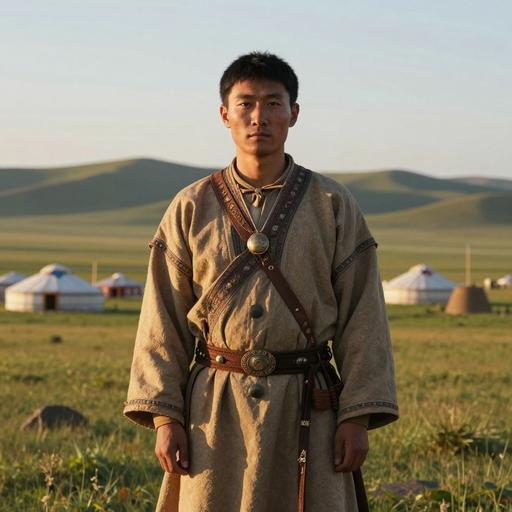
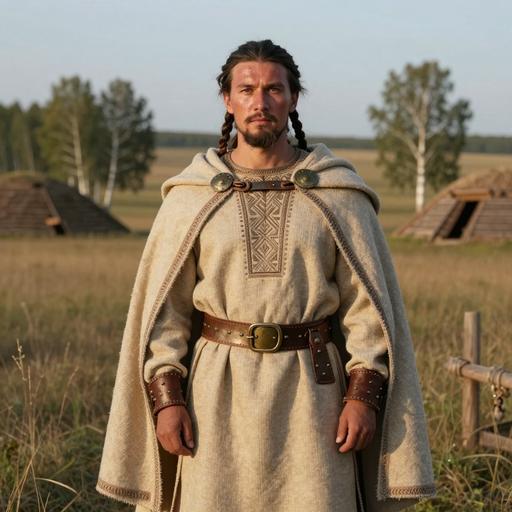
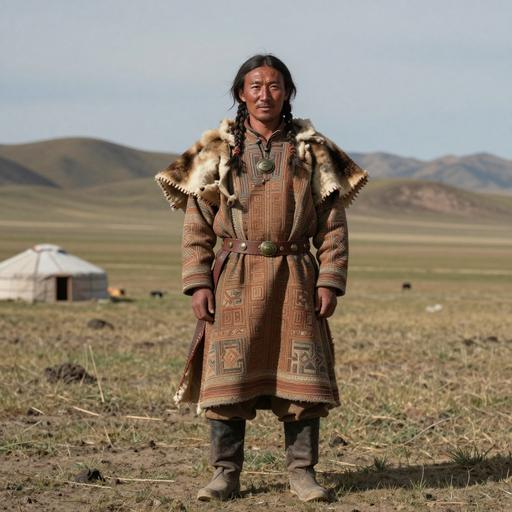
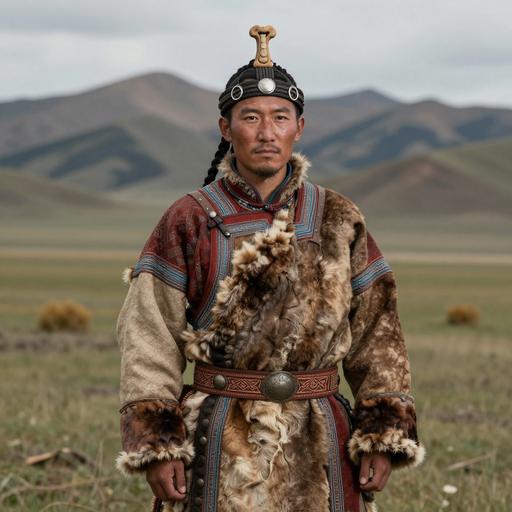
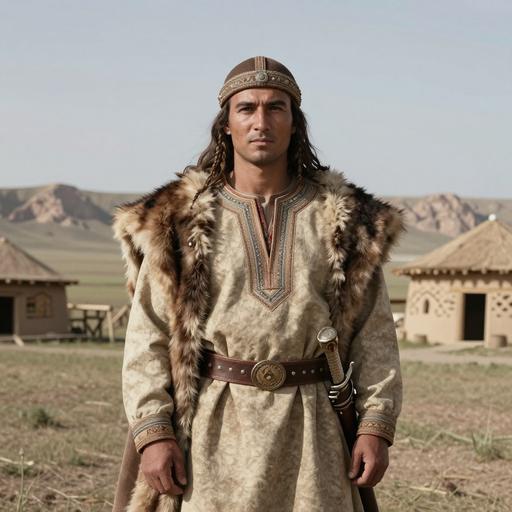
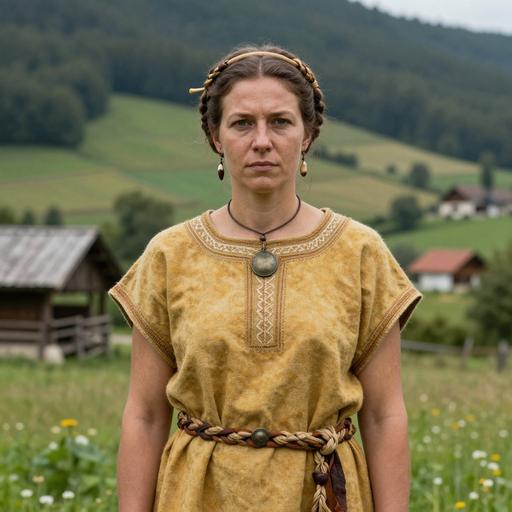
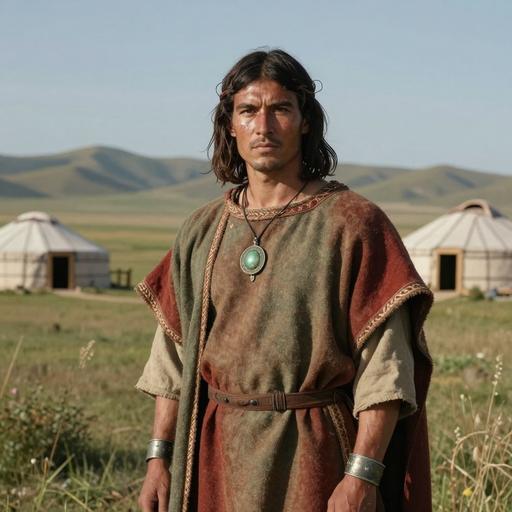
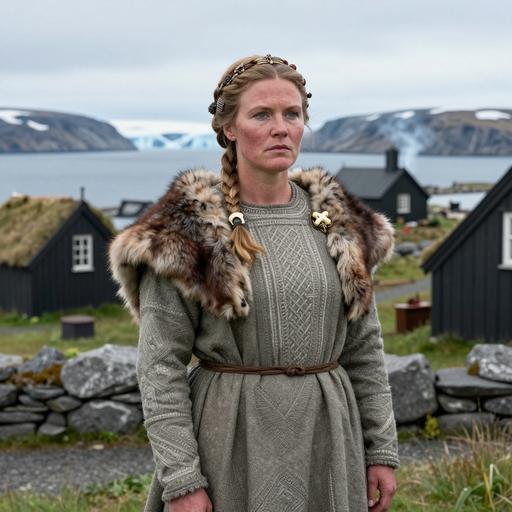
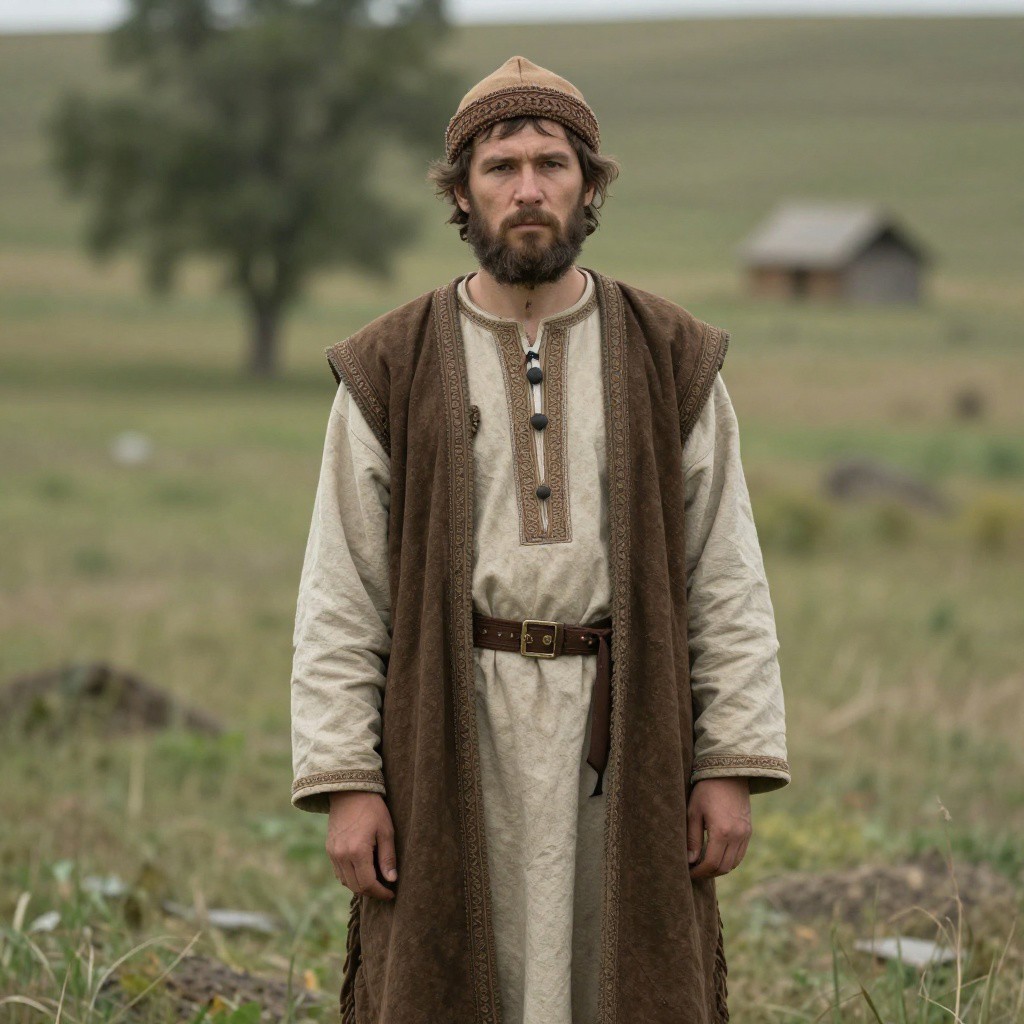
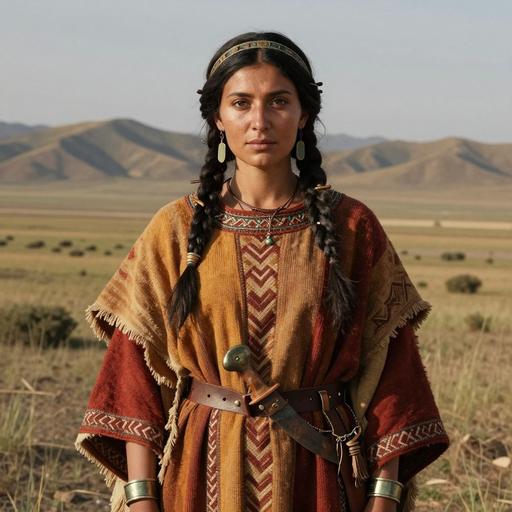
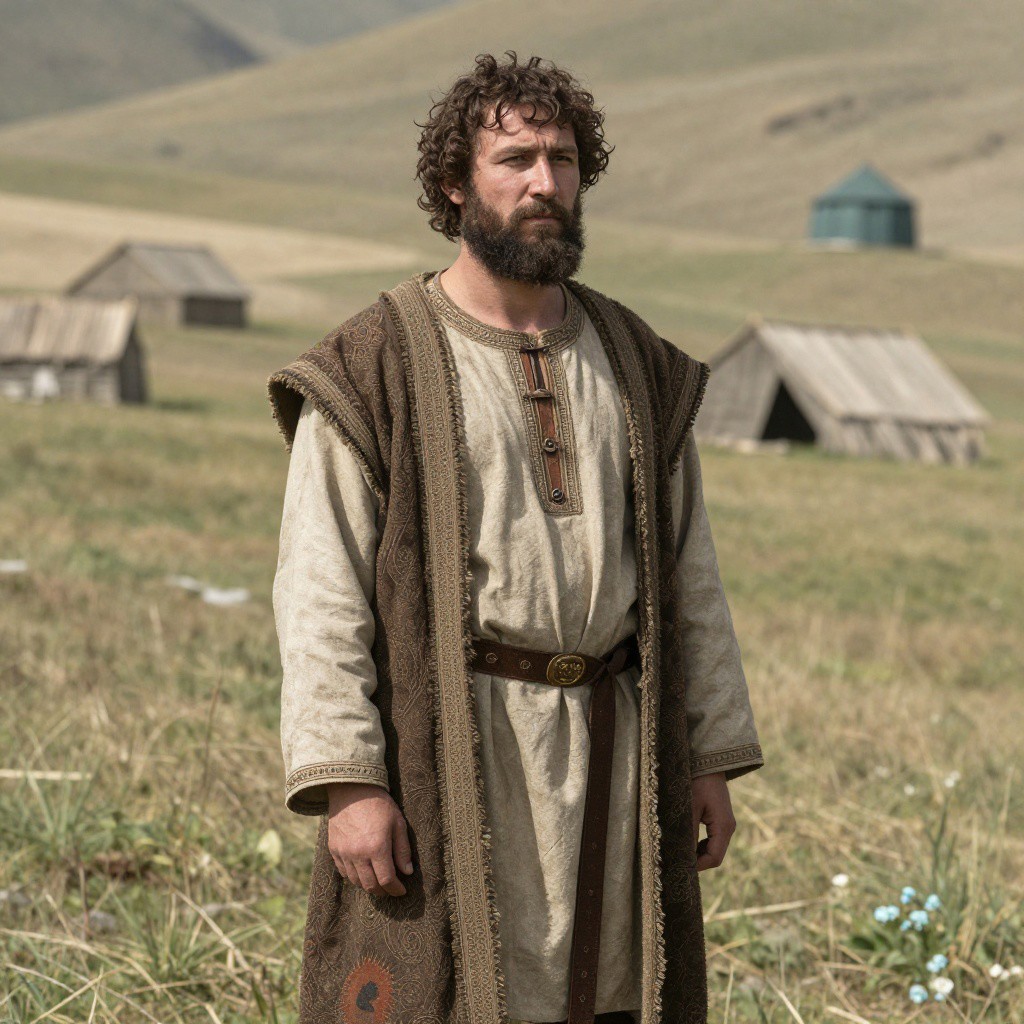
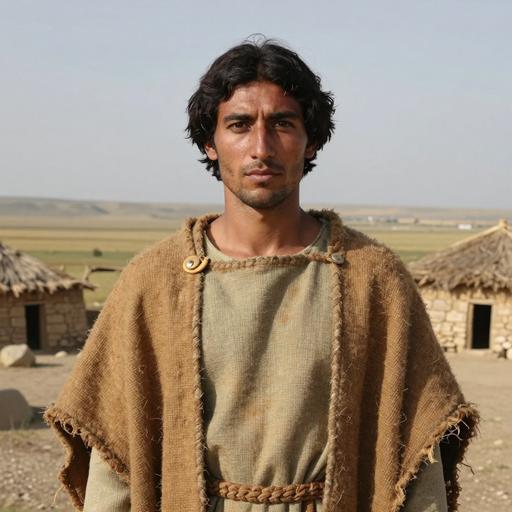
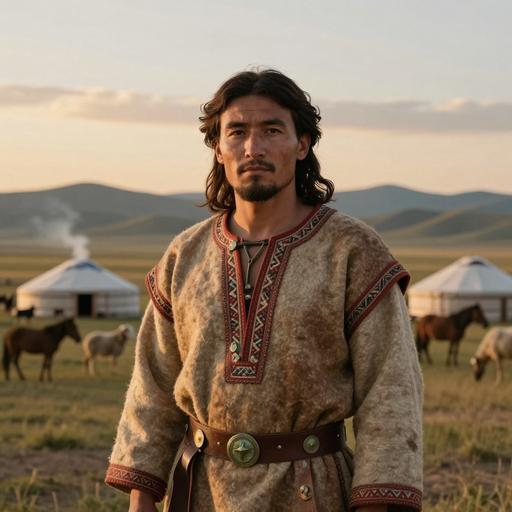
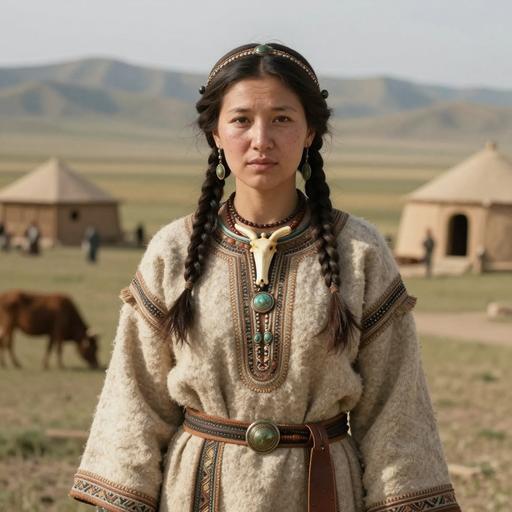
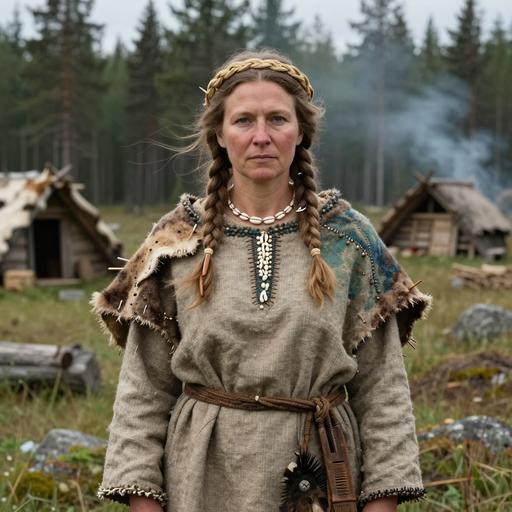
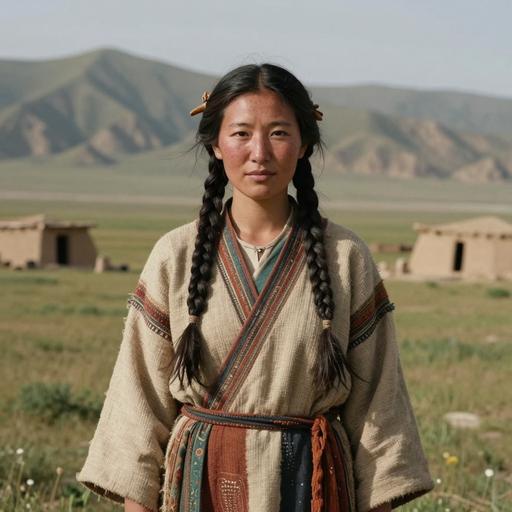
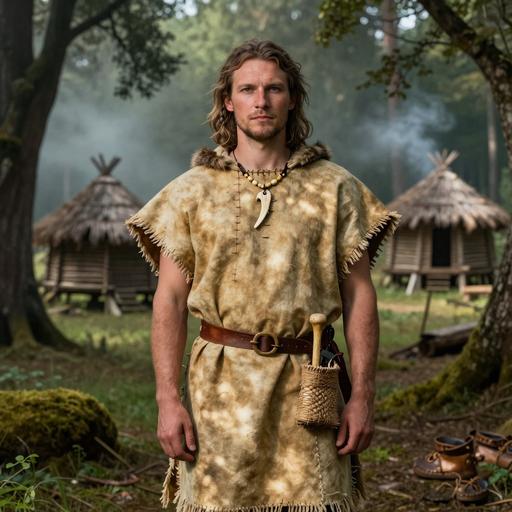
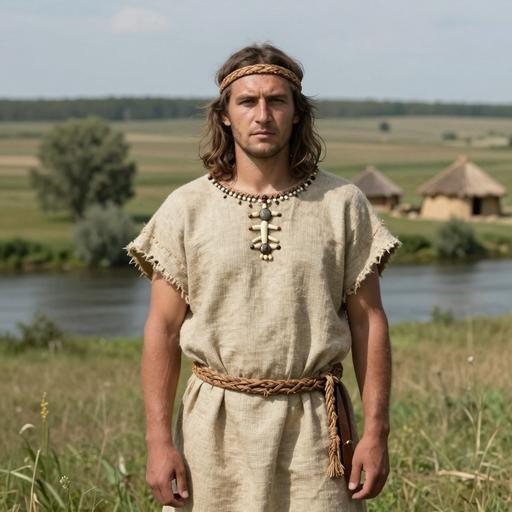
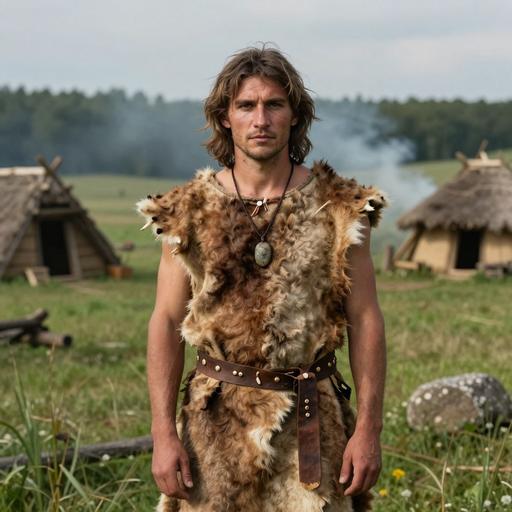
Les portraits sont des illustrations générées par IA. Les libellés d'échantillon et identifiants d'accès désignent les enregistrements de référence.
Portrait
Échantillon
Pays
Époque
Date
Culture
mtDNA
Correspondance
Identifiant d'échantillon : UGU005
Mongolia
Medieval Xiongnu
17-121 calCE (1960±15 BP, GrM-12936)
Xiongnu
U4a1
Direct
Identifiant d'échantillon : PCA0498
Poland
Wielbark Culture
100-300 CE
Wielbark
U4a1
Direct
Identifiant d'échantillon : BIY011
Russia
Iron Age Sargat Culture, Russia
300-100 BCE
Sargat Culture
U4a1
Direct
Identifiant d'échantillon : I7029
Mongolia
Mongolia EIA Sagly 4
356 BCE - 172 BCE
Sagly Culture
U4a1
Direct
Identifiant d'échantillon : CHN003
Mongolia
Early Iron Age to Xiongnu to Late Medieval Uvs, Mongolia
Iron Age Sargat Culture, Russia - Russia - Western Siberia. Bitiya Burial Ground. Bitiya#228/27. mound 4
Russia Iron Age Sargat Culture, Russia 300-100 BCE
U4a1Direct
Identifiant d'échantillon : I7029
Early Iron Age Sagly Culture 4, Mongolia - Mongolia - Uvs aimag. Ulaangom sum. Chandman Uul. Ulaangom cemetery Grave #53. burial 2
Mongolia Mongolia EIA Sagly 4 356 BCE - 172 BCE
U4a1Direct
Identifiant d'échantillon : CHN003
Early Iron Age to Xiongnu to Late Medieval Uvs, Mongolia - Mongolia - Uvs. Chandman Mountain. Ulaangom cemetery
Mongolia Early Iron Age to Xiongnu to Late Medieval Uvs, Mongolia 356-172 calBCE (2186±16 BP) [R_combine: (2155±20 BP, PSUAMS-3877), (2231±24 BP, MAMS-41123)]
U4a1Direct
Identifiant d'échantillon : AIG001
Iron Age Sarmatian, Kazakhstan - Kazakhstan - Mangistau Region. Tupkaragan District. Taushyk Village. Aigirly Sanctuary
Kazakhstan Iron Age Sarmatian, Kazakhstan 500-300 BCE
U4a1Direct
Identifiant d'échantillon : I22937
Early Iron Age Slovenia - Slovenia - Grofove njive
Suivez les clades parents jusqu'à cette branche et explorez où des porteurs antiques ont été identifiés.
Chargement des observations antiques…
La réduction des animations est activée. Utilisez la chronologie ou Tout afficher pour explorer à votre rythme.
Lire les observations sous forme de tableau
Observations antiques affichées par branche, période et date médiane
Branche
Période
Plage de dates
Échantillon
Identifiant d'échantillon
Emplacement
Haplogroupe
Relation
Les marqueurs indiquent des lieux de découvertes archéologiques. Un trait pointillé représente une transition géographique proposée et incertaine entre branches consécutives, appuyée sur plusieurs observations datées ; ce n'est pas un itinéraire exact, un lieu de naissance ni une preuve de descendance directe. Des échantillons de clades parents peuvent appartenir à d'autres branches descendantes. Des lacunes subsistent lorsque les preuves sont insuffisantes. Les dates d'échantillon diffèrent des dates de formation des haplogroupes.
Le regroupement par période historique reflète quand chaque individu antique a vécu, en combinant toutes les branches de cette chaîne de lignée ; ce n'est pas une séquence migratoire ni une chronologie personnelle entre périodes.
Profil de référence
Carte de répartition des porteurs
Répartition géographique de 100 échantillons d'ADN ancien (porteurs directs et de sous-clade de U4A1)
Porteur direct Porteur de sous-clade
Filtre de période
Toutes les périodes
Affichage de tous les échantillons
Profil de référence
Répartition temporelle
Répartition des porteurs selon les périodes archéologiques
Profil de référence
Répartition géographique
Effectifs par pays d'échantillon consigné. Ils reflètent la sélection de référence disponible, pas des fréquences de population.
Profil de référence
Répartition pays × époque
Comparez les effectifs d'échantillons consignés selon les pays et les périodes archéologiques. Sélectionnez une cellule renseignée pour examiner un échantillon.
Données
Données et provenance
Informations sur les sources et qualité des données
Dernière mise à jour2026-02-16
Score de confiance50/100
CouvertureLow
Source des données
La classification, les dates estimées et le contexte géographique reflètent les données de référence consignées et peuvent évoluer lorsque les éléments sont révisés. La couverture d'échantillons est inégale ; les lieux consignés et les associations archéologiques n'établissent pas une origine personnelle ni une identité culturelle.