Aller au contenu principal
mtDNA · lignée Maternelle

U4D2

mtDNA Haplogroup U4D2

Profil de référence pour une branche de lignée. Des haplogroupes partagés n'établissent pas de lien familial ni d'identité culturelle.

Profil de référence

Contexte de la branche

Contexte historique de la branche de lignée mtDNA U4D2

Origins and Evolution

mtDNA haplogroup U4D2 is an internal branch of the broader U4 clade, placed within the U4D/U4DA portion of the phylogeny. The parent U4 lineage is one of the pre-Neolithic maternal haplogroups common across Europe and parts of Siberia, often associated with Mesolithic hunter-gatherer populations. U4D2 itself appears to be a younger offshoot within this tradition, likely arising after the main U4 diversification and reflecting local diversification in northern / eastern parts of Europe and adjacent Siberia.

Because U4D2 is an intermediate and relatively narrowly distributed subclade, its precise time-depth and place of origin are still uncertain; population-genetic inference and comparisons with related U4 subclades suggest a coalescence in the late Neolithic to Bronze Age window (several thousand years before present), consistent with regional demographic changes recorded by ancient DNA studies.

Subclades

As an intermediate clade (U4D2), documented substructure is limited in the literature and many reported control-region matches may not resolve subclades without complete mitogenome data. Where full mitochondrial genomes have been typed, U4D2 can act as a link between older U4d lineages and more recently derived local branches; additional sampling and whole-mtDNA sequencing will be required to define daughter clades reliably.

Geographical Distribution

U4D2 is best characterized as a northern/ northeastern Eurasian lineage with a patchy modern distribution. It is detected at low-to-moderate frequencies in:

  • Northern and Northeastern European populations (including some Finno-Ugric-speaking groups)
  • Baltic populations at low frequencies
  • Select western Siberian and Uralic-associated groups

Ancient DNA results from the broader U4d family show persistence of related lineages among Mesolithic hunter-gatherers of northern Europe and continuity or reappearance in Bronze Age individuals from the Pontic-Caspian steppe and adjacent regions. This implies U4D2 may reflect either survival of local maternal lineages through cultural transitions or limited female-mediated gene flow associated with Bronze Age population movements.

Historical and Cultural Significance

Lineages within U4, including U4d derivatives, are important markers in studies of European prehistory because they track maternal continuity from Mesolithic hunter-gatherers into later periods and show interactions with incoming Neolithic farmer and Bronze Age steppe ancestries. U4D2 likely participates in these regional dynamics: it can represent either relic Mesolithic ancestry preserved in northern populations or a lineage that expanded or moved with Bronze Age and later groups in northeastern Europe and western Siberia. Its occurrence in Finno-Ugric-speaking communities and some Baltic groups links it to the demographic histories that shaped northern Eurasia.

Conclusion

U4D2 is an informative but still under-characterized mtDNA subclade nested within the U4 family. It highlights the need for more complete mitogenome sequencing across northern Europe and western Siberia and for integrating modern and ancient DNA datasets to resolve its age, substructure, and precise role in past migrations. Current evidence places it as a regional northern-eurasian lineage with Bronze Age-era diversification and continued presence in certain Finno-Ugric, Baltic and Siberian populations.

(Note: because U4D2 has limited published whole-mtDNA sampling, many statements are provisional and will benefit from expanded mitogenome analysis and broader population sampling.)

Points clés

  • Origins and Evolution
  • Subclades
  • Geographical Distribution
  • Historical and Cultural Significance
  • Conclusion
Profil de référence

Arbre et relations

Contexte phylogénétique et sous-clades

Voie évolutive

Suivez les branches parentes consignées jusqu'à U4D2. Les dates sont des estimations et peuvent évoluer lorsque les données de référence sont révisées.

Étapes Haplogroupe Âge estimé Époque archéologique Temps écoulé Descendants immédiats Descendants modernes testés Liens anciens
1 U4D2 Actuel ~6,000 years ago Chalcolithic 5,500 ans 0 1 0
2 U4DA - - - 3 5 0
3 U4D ~12,000 years ago Neolithic 12,000 ans 1 6 41
4 U4 ~25,000 years ago Paleolithic 25,000 ans 6 350 31
5 U4'9 - - - 2 361 0
6 U2'3'4'7'8'9 - - - 5 3,500 0
7 U ~46,000 years ago Paleolithic 46,000 ans 5 5,557 110
8 R ~55,000 years ago Paleolithic 55,000 ans 17 22,830 57
9 NA - - - 1 22,830 0
10 N ~60,000 years ago Paleolithic 60,000 ans 16 26,150 13
11 L3 ~70,000 years ago Paleolithic 70,000 ans 7 30,162 6
12 L3'4 - - - 2 30,212 0
13 L3'4'6 - - - 2 30,216 0
14 L2'3'4'6 - - - 2 31,333 0
15 L2'3'4'5'6'7 - - - 2 31,349 0
16 L1'2'3'4'5'6'7 - - - 2 31,852 0
17 L ~160,000 years ago Paleolithic 160,000 ans 2 32,236 5

Sous-clades (0)

Branche terminale, aucune sous-clade consignée

Branches sœurs (2)

Autres branches issues du même haplogroupe parent

Profil de référence

Dans le monde

Distribution géographique et présence moderne

Origine consignée

Eastern Europe / Western Siberia

Distribution moderne

The populations where mtDNA haplogroup U4D2 is found include:

  1. Northwestern and Northeastern Russian populations (including some Finno-Ugric groups)
  2. Finnish populations (at low frequencies in some studies)
  3. Saami and other northern Scandinavian groups (sporadic reports)
  4. Baltic populations (Latvian, Lithuanian) at low frequency
  5. Western Siberian / Uralic-speaking indigenous groups (sporadic reports)
  6. Ancient individuals from Bronze Age and late Neolithic contexts in northeastern Europe and the steppe (inferred from related U4d lineages)
Contexte historique

Une branche dans le temps

Formation estimée sur une chronologie historique large. Les repères de période servent de contexte et n'impliquent pas de lien avec des cultures particulières.

  1. Il y a ~10k ans

    Révolution néolithique

    Début de l'agriculture et émergence de communautés sédentaires

  2. Il y a ~5.5k ans

    Haplogroupe U4D2

    Formation estimée de cette branche mtDNA ; les dates et les lieux sont des estimations de référence.

    Cette branche
  3. Il y a ~5k ans

    Âge du bronze

    Travail des métaux, écriture et premières civilisations

  4. Il y a ~3k ans

    Âge du fer

    Outils en fer, réseaux d'échanges élargis

  5. Il y a ~2.5k ans

    Antiquité classique

    Floraison des civilisations grecque et romaine

  6. Aujourd'hui

    Aujourd'hui

    Époque moderne

Profil de référence

Contexte archéologique

Associations archéologiques consignées pour la branche mtDNA U4D2

Associations consignées

Ces libellés décrivent des contextes archéologiques consignés pour des échantillons de référence liés à U4D2. Une association n'établit pas que tous les porteurs appartenaient à une culture ni qu'ils ont suivi une route migratoire précise.

Austria_Avar Bell Beaker Comb Ceramic Culture Magyar Elite Culture Medieval Austrian Poland_BA_Trzciniec Popovo Culture Russia_Bashkortostan_MigrationPeriod_Nevolino Russia_EIA_IA_Sargatka Russia_KhantyMansiyskAutonomousOkrugUgra_HanMan Russia_Omsk_LateAntiquity_Chernoozersky Russia_Samara_Khazar Russia_Tatarstan_EarlyMedieval_EarlyBulgar Sargat Culture
Les attributions culturelles reposent sur le contexte archéologique des échantillons d'ADN ancien et peuvent refléter des associations régionales à certaines périodes.
Profil de référence

Catalogue d'échantillons

14 porteurs directs de l'haplogroupe U4D2

10 affiché(s) · 14 échantillons correspondants

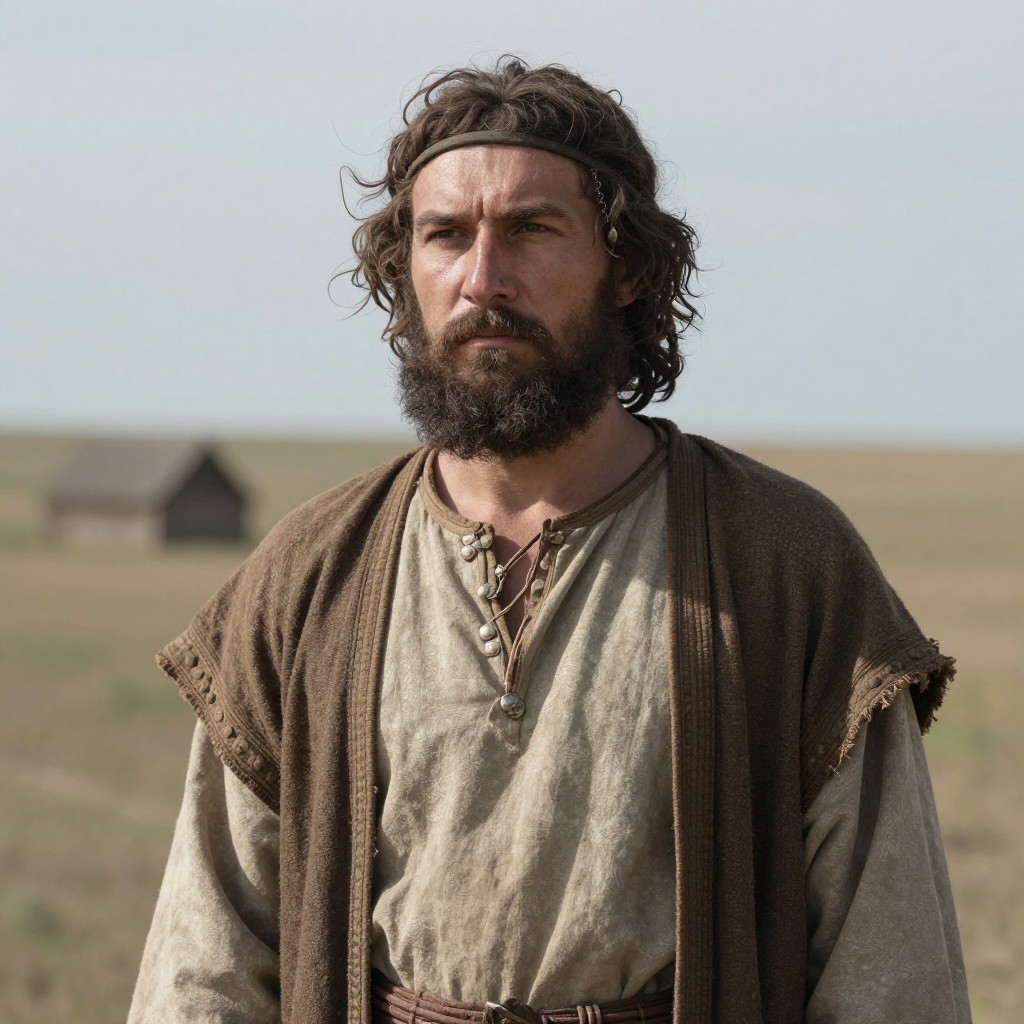
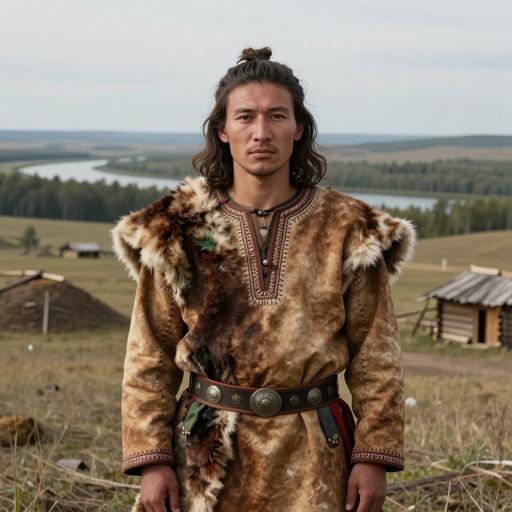
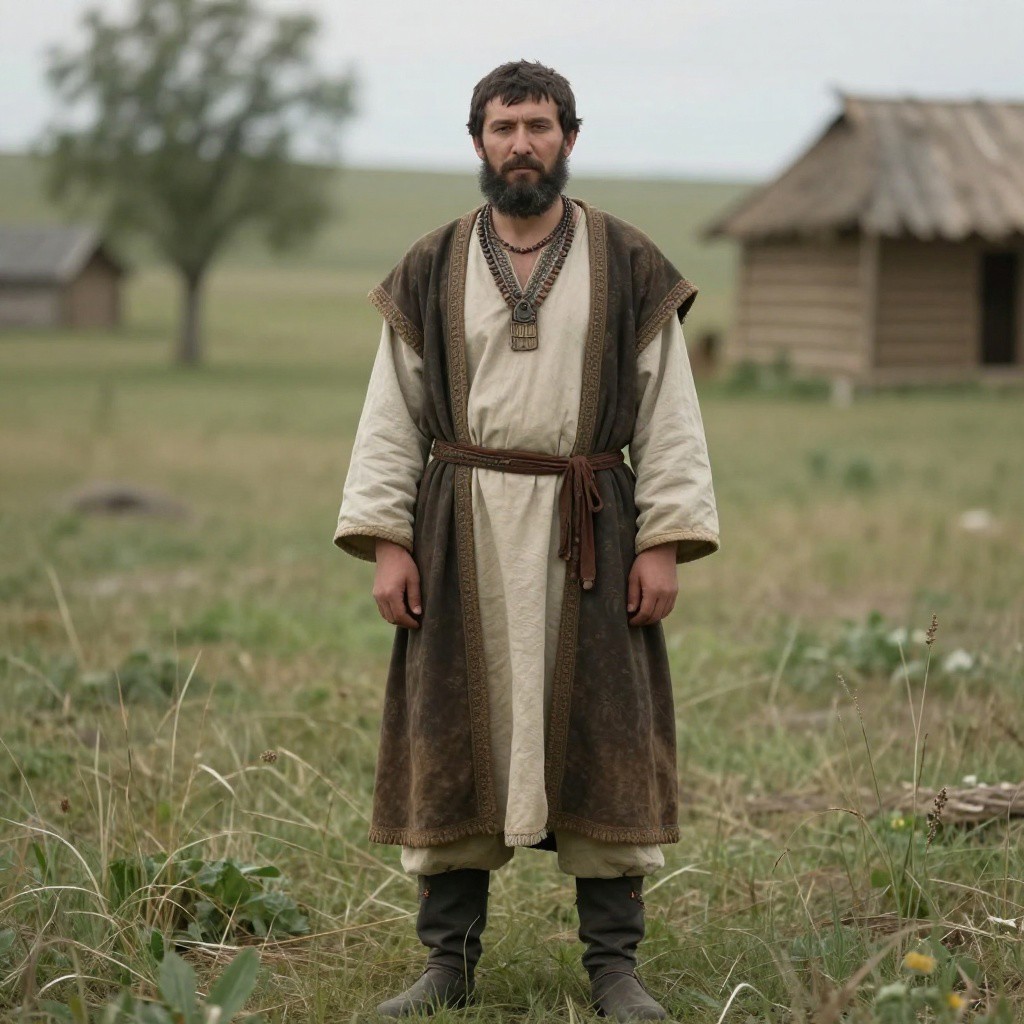
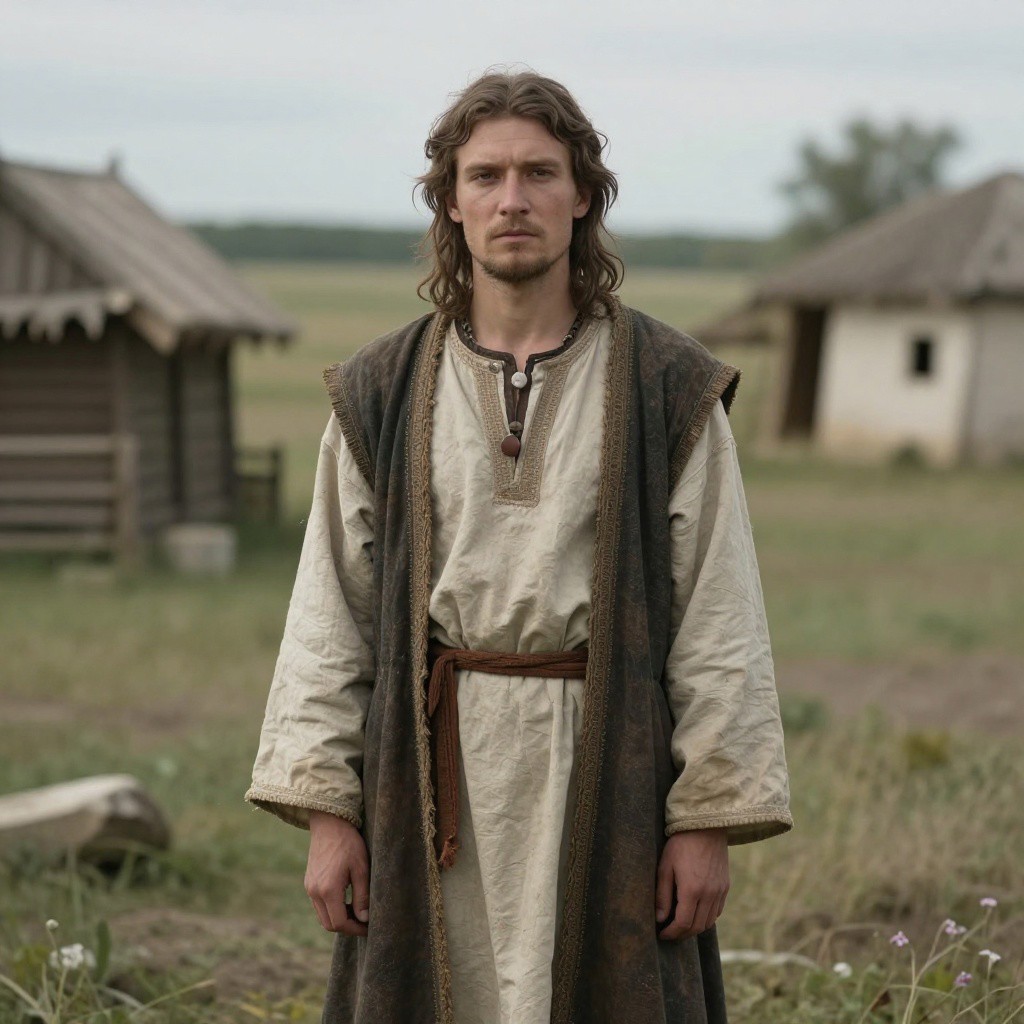
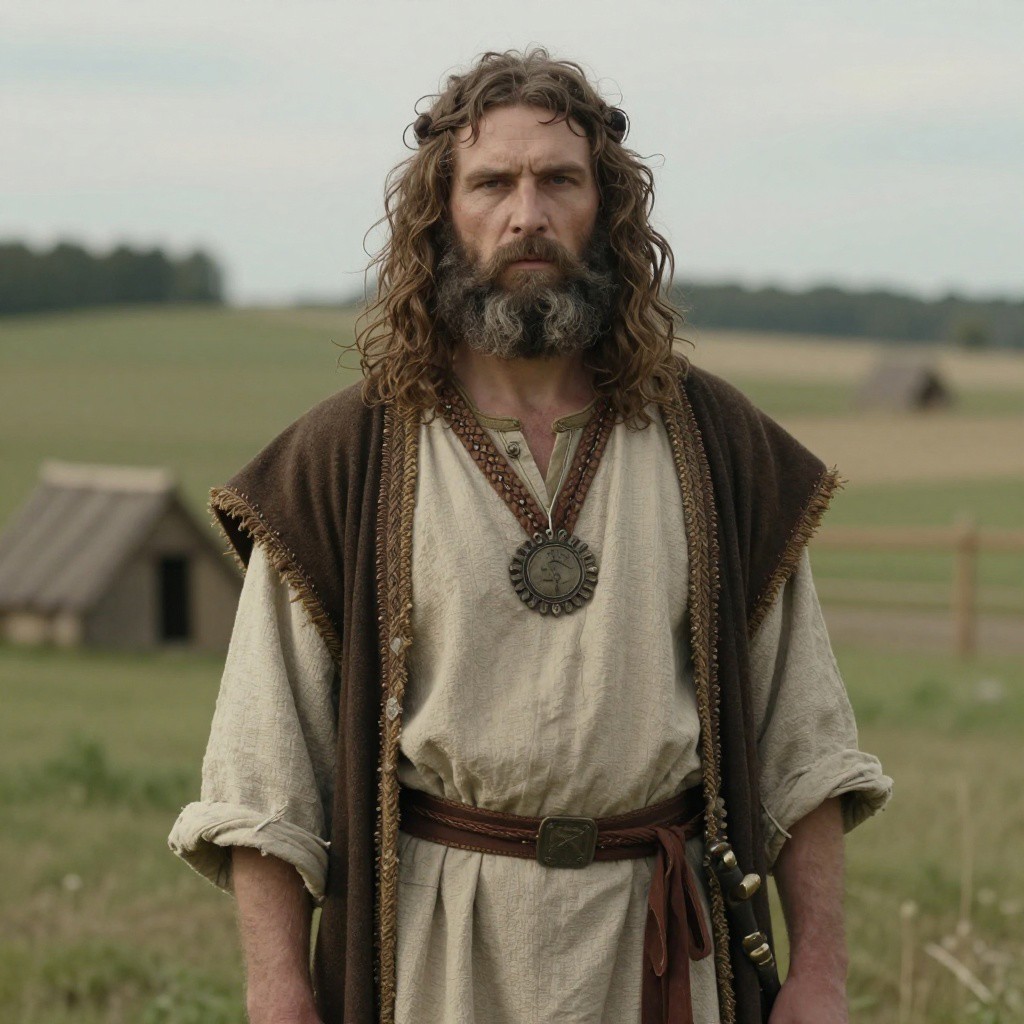
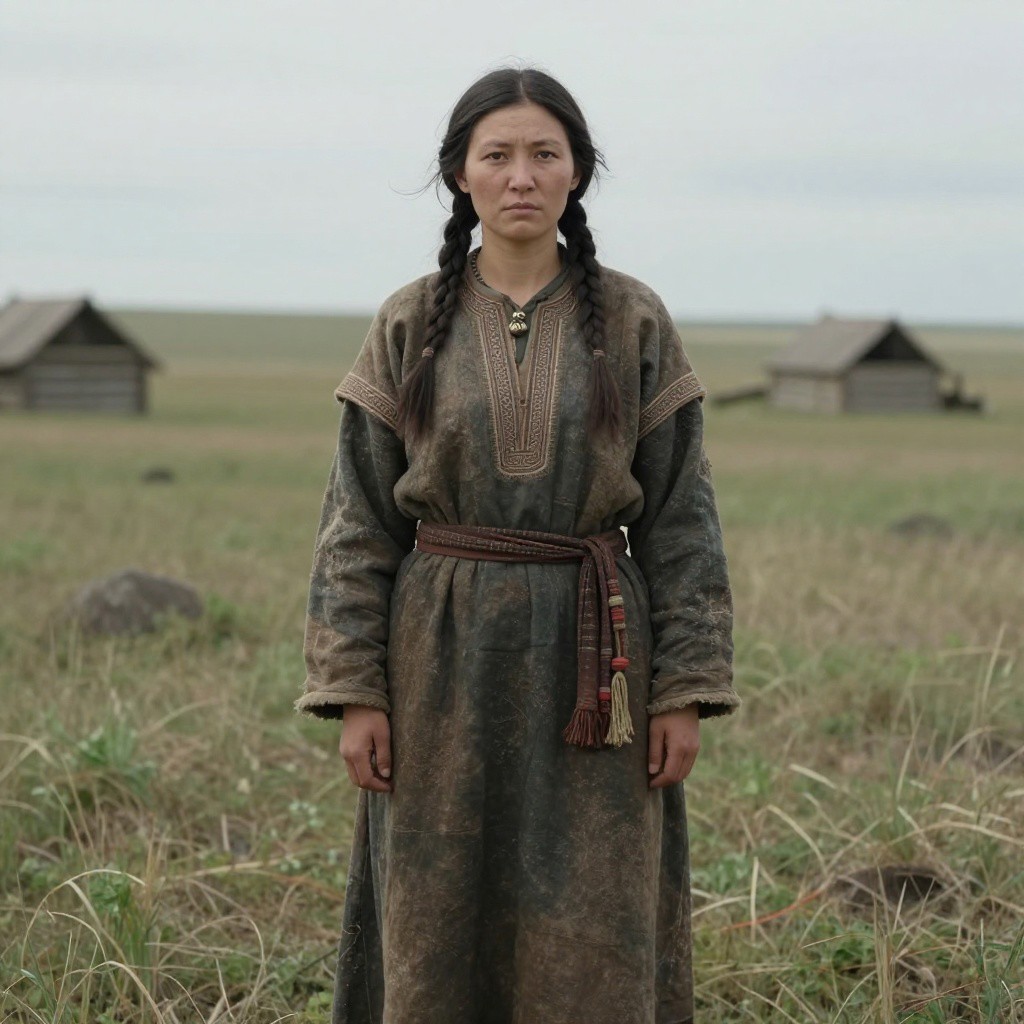
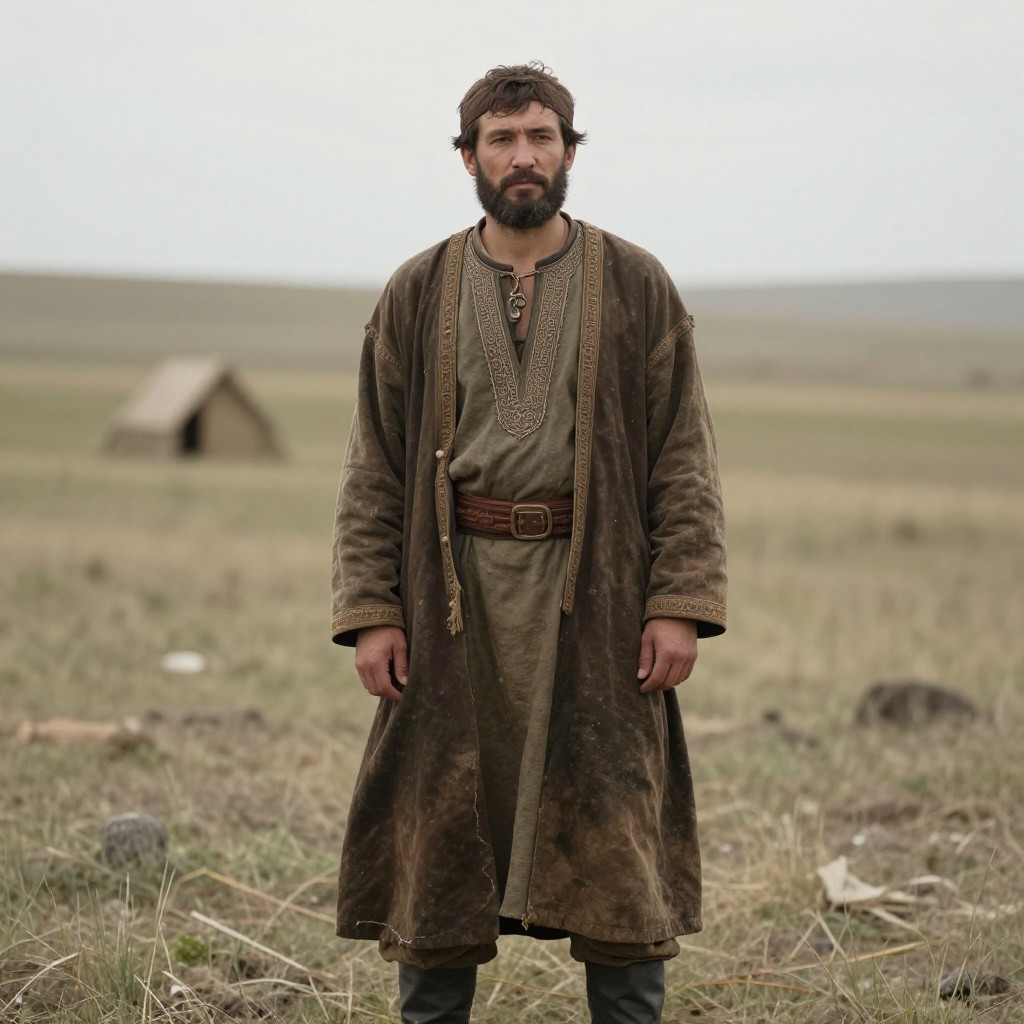
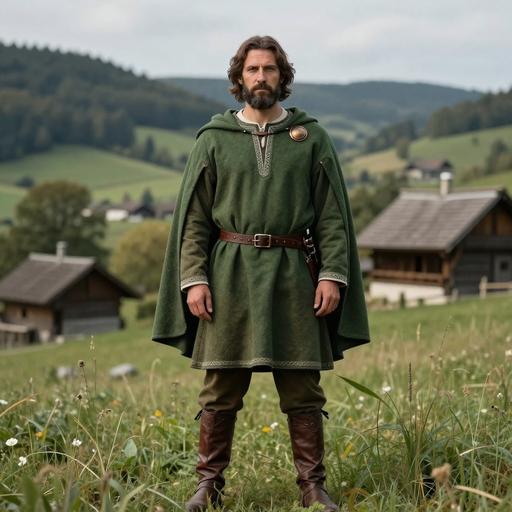
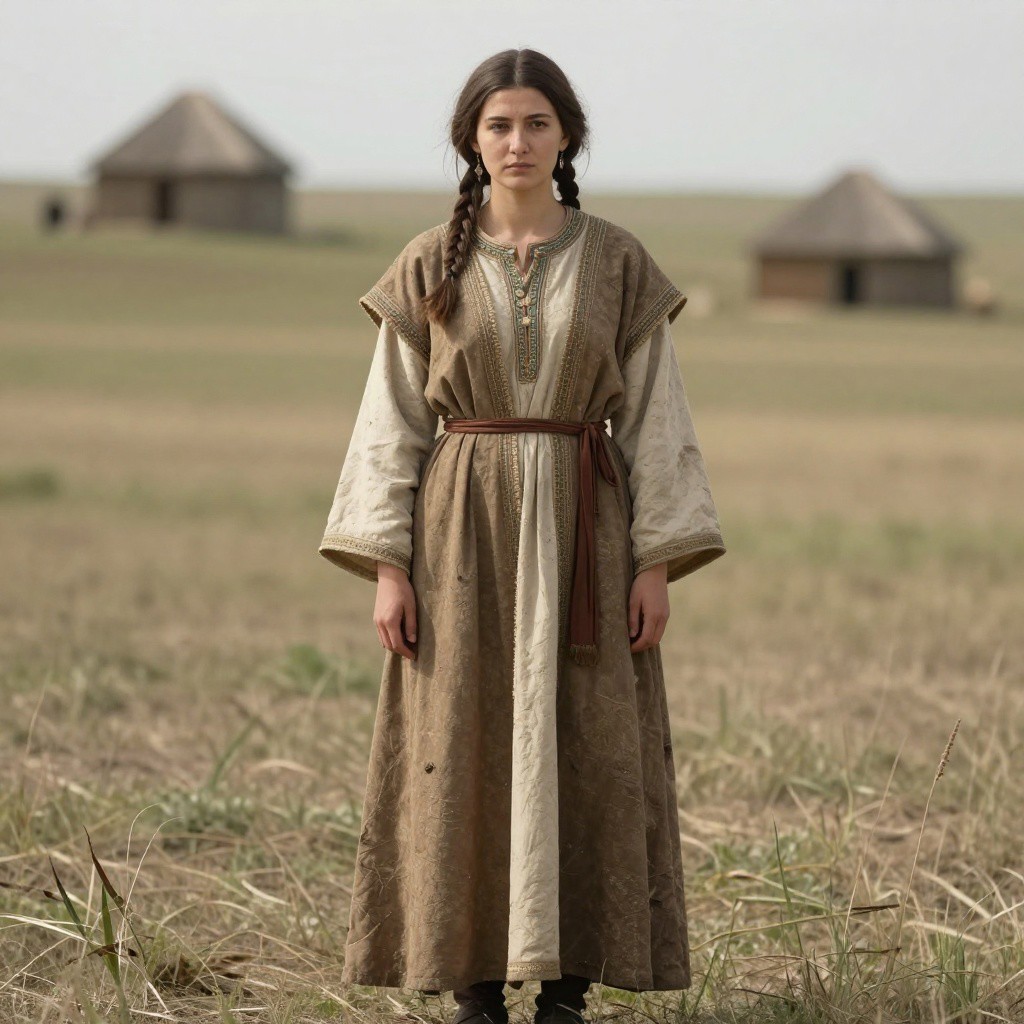
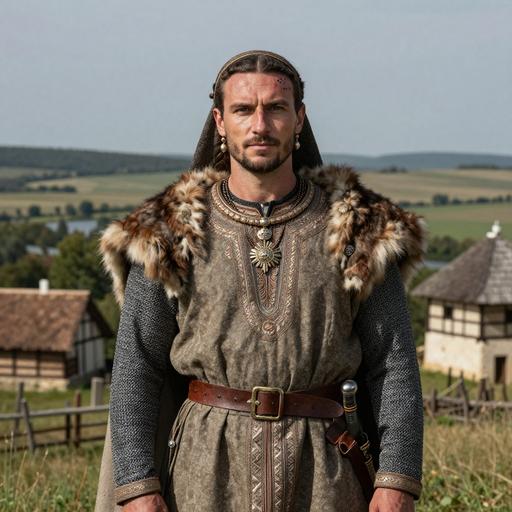
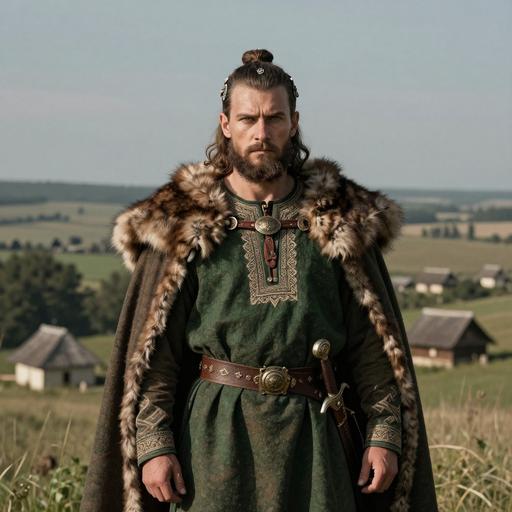
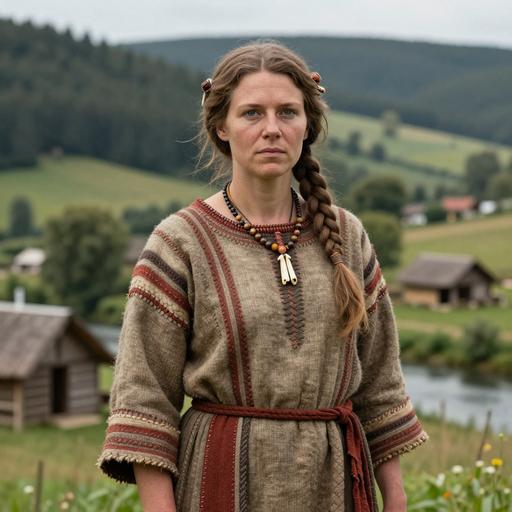
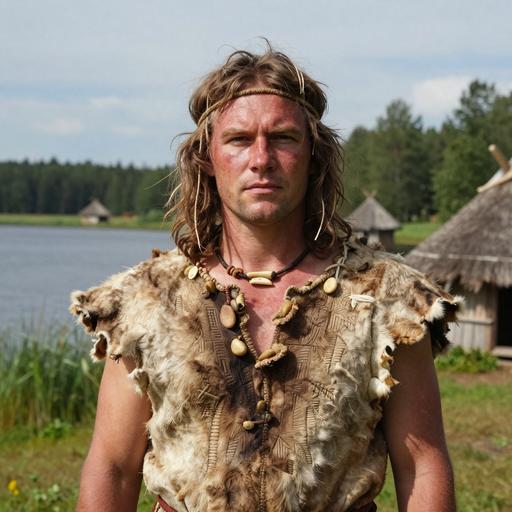
Les portraits sont des illustrations générées par IA. Les libellés d'échantillon et identifiants d'accès désignent les enregistrements de référence.

Portrait Échantillon Pays Époque Date Culture mtDNA Correspondance
Portrait illustratif généré par IA de Omsk Late Antiquity Chernoozersky individual, Borovyanka-17 (Omsk Oblast, Bolsherechensky District, Borovyanka Village), Russia (292-456 CE)
Identifiant d'échantillon : I6826
Russia Russia Omsk LateAntiquity Chernoozersky 262-420 calCE (1680±20 BP, PSUAMS-4827) Russia_Omsk_LateAntiquity_Chernoozersky U4d2 Direct
Portrait illustratif généré par IA de EIA IA Sargatka individual, Western Siberia. Bitiya Burial Ground. Bitiya#228/24. mound 4, Russia (300-100 BCE)
Identifiant d'échantillon : BIY008
Russia Iron Age Sargat Culture, Russia 300-100 BCE Sargat Culture U4d2 Direct
Portrait illustratif généré par IA de Bashkortostan Migration Period Nevolino individual, Bartym (Bashkortostan, Karaidelsky District, Bartym Village), Russia (384-616 CE)
Identifiant d'échantillon : I19110
Russia Russia Bashkortostan MigrationPeriod Nevolino 400-600 CE Russia_Bashkortostan_MigrationPeriod_Nevolino U4d2 Direct
Portrait illustratif généré par IA de EIA IA Sargatka individual, Vorobyevo-1 (Kurgan Oblast, Dalmatovsky District), Russia (530-70 BCE)
Identifiant d'échantillon : VOR001a
Russia Russia EIA IA Sargatka 500-100 BCE Russia_EIA_IA_Sargatka U4d2 Direct
Portrait illustratif généré par IA de Avar individual, Csokorgasse (Vienna), Austria (584-816 CE)
Identifiant d'échantillon : CSK001
Austria Austria Avar 600-800 CE Austria_Avar U4d2 Direct
Portrait illustratif généré par IA de Khanty Mansiysk Autonomous Okrug Ugra Han Man individual, Barsov-Gorodok (Khanty-Mansiysk Autonomous Okrug – Ugra, Surgutsky District, Barsovo Village), Russia (684-916 CE)
Identifiant d'échantillon : I19096
Russia Russia KhantyMansiyskAutonomousOkrugUgra HanMan 700-900 CE Russia_KhantyMansiyskAutonomousOkrugUgra_HanMan U4d2 Direct
Portrait illustratif généré par IA de Samara Khazar individual, Brusyany (Samara Oblast, Stavropolsky District, Brusyany Village), Russia (684-916 CE)
Identifiant d'échantillon : I25530
Russia Russia Samara Khazar 700-900 CE Russia_Samara_Khazar U4d2 Direct
Portrait illustratif généré par IA de Early Medieval individual, Pottenbrunn (Lower Austria, St. Polten), Austria (773-890 CE)
Identifiant d'échantillon : I15232
Austria Medieval Austrian 773-890 calCE (1190±20 BP, PSUAMS-9000) Medieval Austrian U4d2 Direct
Portrait illustratif généré par IA de Tatarstan Early Medieval Early Bulgar individual, Tankeevka (Tatarstan Republic of, Spassky District, Tankeevka Village), Russia (884-1,116 CE)
Identifiant d'échantillon : I25533
Russia Russia Tatarstan EarlyMedieval EarlyBulgar 900-1100 CE Russia_Tatarstan_EarlyMedieval_EarlyBulgar U4d2 Direct
Portrait illustratif généré par IA de Magyar/Hungarian individual, Borsod-Abaúj-Zemplén County. Karos-2, Hungary (900-950 CE)
Identifiant d'échantillon : K2-61
Hungary Conqueror Elite Hungary 900 CE - 950 CE Magyar Elite Culture U4d2 Direct
LIGNÉE MATERNELLE · ADN ANTIQUE

Carte des preuves de lignées antiques

Suivez les clades parents jusqu'à cette branche et explorez où des porteurs antiques ont été identifiés.

Chargement des observations antiques…

Les marqueurs indiquent des lieux de découvertes archéologiques. Un trait pointillé représente une transition géographique proposée et incertaine entre branches consécutives, appuyée sur plusieurs observations datées ; ce n'est pas un itinéraire exact, un lieu de naissance ni une preuve de descendance directe. Des échantillons de clades parents peuvent appartenir à d'autres branches descendantes. Des lacunes subsistent lorsque les preuves sont insuffisantes. Les dates d'échantillon diffèrent des dates de formation des haplogroupes.

Profil de référence

Carte de répartition des porteurs

Répartition géographique de 14 échantillons d'ADN ancien (porteurs directs et de sous-clade de U4D2)

Porteur direct
Filtre de période
Toutes les périodes
Affichage de tous les échantillons
Profil de référence

Répartition temporelle

Répartition des porteurs selon les périodes archéologiques

Profil de référence

Répartition géographique

Effectifs par pays d'échantillon consigné. Ils reflètent la sélection de référence disponible, pas des fréquences de population.

Profil de référence

Répartition pays × époque

Comparez les effectifs d'échantillons consignés selon les pays et les périodes archéologiques. Sélectionnez une cellule renseignée pour examiner un échantillon.

Données

Données et provenance

Informations sur les sources et qualité des données

Dernière mise à jour 2026-06-14
Score de confiance 50/100
Couverture Low

Source des données

La classification, les dates estimées et le contexte géographique reflètent les données de référence consignées et peuvent évoluer lorsque les éléments sont révisés. La couverture d'échantillons est inégale ; les lieux consignés et les associations archéologiques n'établissent pas une origine personnelle ni une identité culturelle.