Profil de référence pour une branche de lignée. Des haplogroupes partagés n'établissent pas de lien familial ni d'identité culturelle.
Profil de référence
Contexte de la branche
Contexte historique de la branche de lignée mtDNA U5A1A
Origins and Evolution
Haplogroup U5a1a is a subclade of U5a1, which itself derives from the broader and very old European maternal lineage U5. U5 lineages are among the earliest deeply-rooted maternal haplogroups established in Europe following the Last Glacial Maximum (LGM). Based on the parent clade age estimates and the phylogenetic position of U5a1a, this subclade likely diversified in the late Paleolithic to early Mesolithic (roughly ~12 kya), during or soon after the post‑glacial recolonization of northern latitudes.
Like other U5 derivatives, U5a1a likely traces to hunter‑gatherer groups that expanded within Europe after the LGM. Its geographic pattern suggests a northern/eastern European formation or early concentration, followed by persistence in local populations and occasional spread into neighboring regions.
Subclades
U5a1a is itself part of the U5a1 branch and can carry downstream sublineages (for example U5a1a1, U5a1a2 in some phylogenies). The naming and fine structure have been refined as more complete mitochondrial genomes are sequenced; many subclades are defined by private mutations seen in modern and ancient mitogenomes. Because of continued sequencing of ancient samples, new sublineages of U5a1a may be described that clarify its geographic and temporal diversification.
Geographical Distribution
U5a1a shows a strong presence in Northern and Northeastern Europe, with appreciable frequencies in Scandinavia, the Baltic region, and parts of northwestern Russia. It is overrepresented in some indigenous northern groups, especially the Saami, where U5 lineages (including U5a subclades) are common. Moderate frequencies are observed in Eastern and Central Europe, while lower frequencies appear in Western Europe, the Caucasus, and sporadically in North Africa — consistent with limited gene flow and long-term local continuity.
Ancient DNA studies have recovered U5a and downstream U5a1/U5a1a lineages from Mesolithic and early Holocene contexts in Europe, supporting continuity of these maternal lines from hunter‑gatherer populations into later populations in the region.
Historical and Cultural Significance
U5a1a and related U5 subclades are often treated as genetic markers of Mesolithic hunter‑gatherer ancestry in Europe. Their persistence into the Neolithic and later periods reflects admixture dynamics between incoming early farmers and resident forager groups; in many regions U5 lineages remained as a component of the local maternal gene pool. Elevated frequencies of U5a1a in some northern indigenous groups reflect both founder effects and genetic continuity in high‑latitude refugia or recolonized zones.
While not tied to a single archaeological ‘culture’ in the same way as Y‑DNA markers sometimes are to male‑mediated migrations, U5a1a appears repeatedly in contexts associated with local continuity (Mesolithic → Neolithic boundary zones) and can be useful in palaeogenetic reconstructions of population structure and migration in prehistoric Europe.
Conclusion
U5a1a is a well‑established, regionally informative mtDNA lineage whose pattern of occurrence highlights the legacy of European Mesolithic maternal ancestry, especially in northern and northeastern Europe. As more whole mitogenomes and ancient samples are published, the internal branching of U5a1a will become clearer, improving resolution on its post‑glacial expansion routes and later demographic history.
Points clés
Origins and Evolution
Subclades
Geographical Distribution
Historical and Cultural Significance
Conclusion
Profil de référence
Arbre et relations
Contexte phylogénétique et sous-clades
Voie évolutive
Suivez les branches parentes consignées jusqu'à U5A1A. Les dates sont des estimations et peuvent évoluer lorsque les données de référence sont révisées.
The populations where mtDNA haplogroup U5a1a is found include:
Northern European populations (Scandinavia, Saami)
Eastern European populations (Baltic peoples, northwestern Russia)
Central and Western European populations (at moderate frequencies)
Caucasus populations (low to moderate frequencies)
North African populations (sporadic, low frequency)
Contexte historique
Une branche dans le temps
Formation estimée sur une chronologie historique large. Les repères de période servent de contexte et n'impliquent pas de lien avec des cultures particulières.
Il y a ~12k ans
Haplogroupe U5A1A
Formation estimée de cette branche mtDNA ; les dates et les lieux sont des estimations de référence.
Cette branche
Il y a ~10k ans
Révolution néolithique
Début de l'agriculture et émergence de communautés sédentaires
Il y a ~5k ans
Âge du bronze
Travail des métaux, écriture et premières civilisations
Il y a ~3k ans
Âge du fer
Outils en fer, réseaux d'échanges élargis
Il y a ~2.5k ans
Antiquité classique
Floraison des civilisations grecque et romaine
Aujourd'hui
Aujourd'hui
Époque moderne
Profil de référence
Contexte archéologique
Associations archéologiques consignées pour la branche mtDNA U5A1A
Associations consignées
Ces libellés décrivent des contextes archéologiques consignés pour des échantillons de référence liés à U5A1A. Une association n'établit pas que tous les porteurs appartenaient à une culture ni qu'ils ont suivi une route migratoire précise.
Les attributions culturelles reposent sur le contexte archéologique des échantillons d'ADN ancien et peuvent refléter des associations régionales à certaines périodes.
Profil de référence
Catalogue d'échantillons
8 porteurs directs et 70 porteurs de sous-clade de l'haplogroupe U5A1A
10 affiché(s) · 50 échantillons correspondants
Aucun échantillon ne correspond à ces filtres. Essayez un autre libellé, lieu ou période.
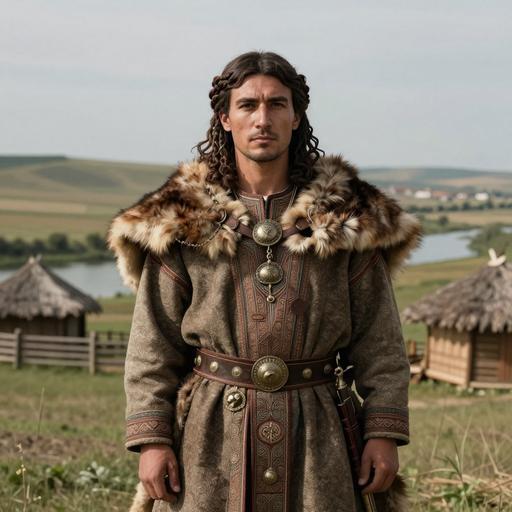
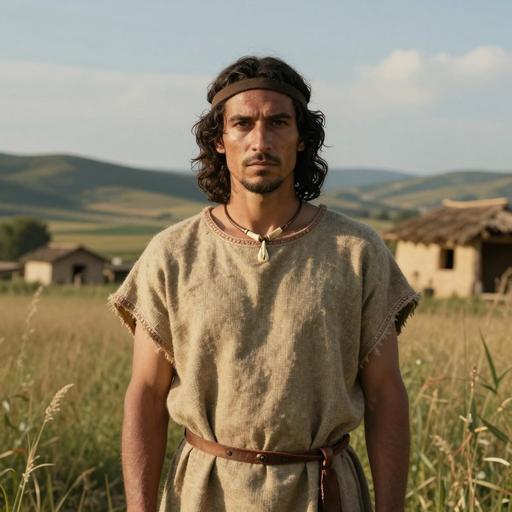
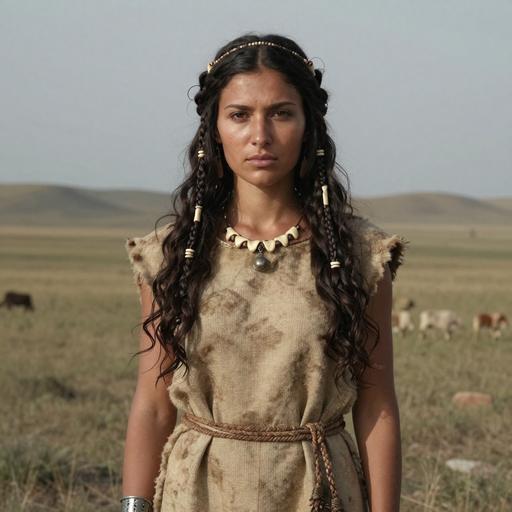
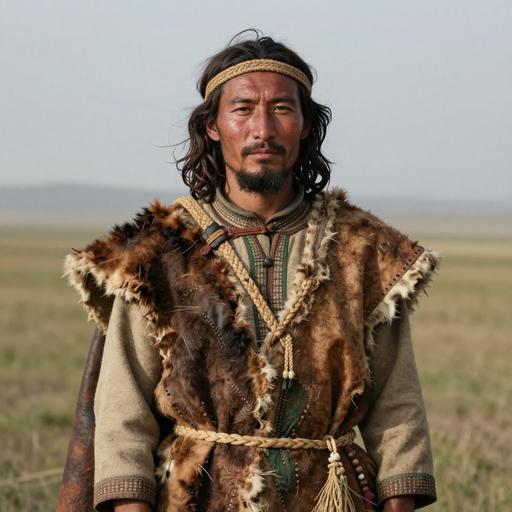
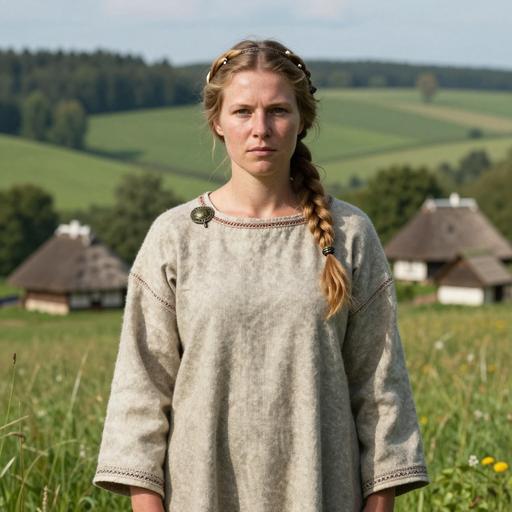
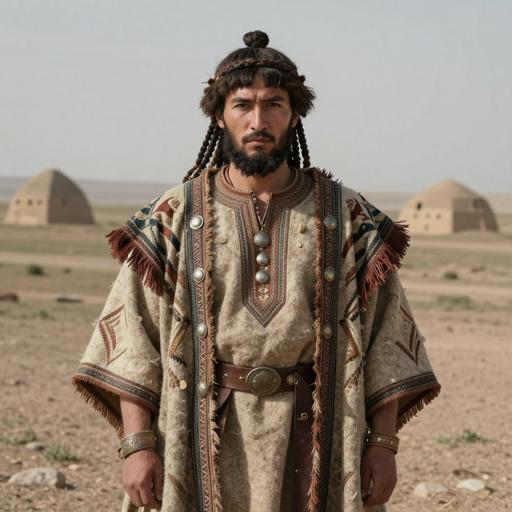
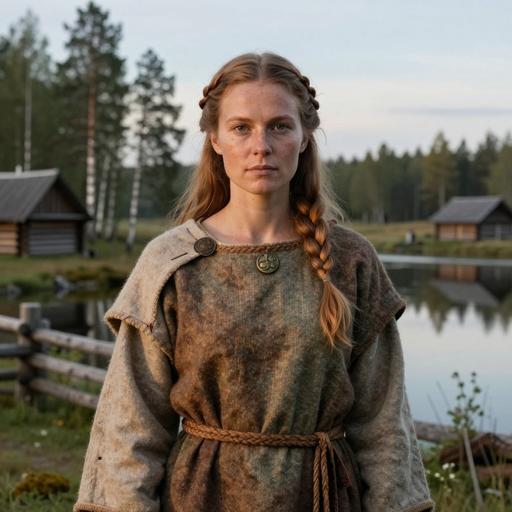
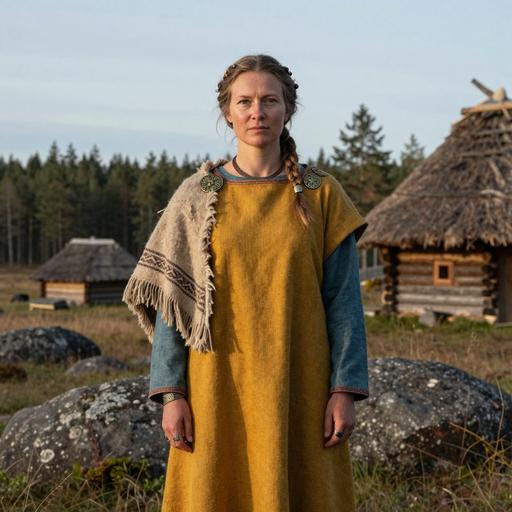
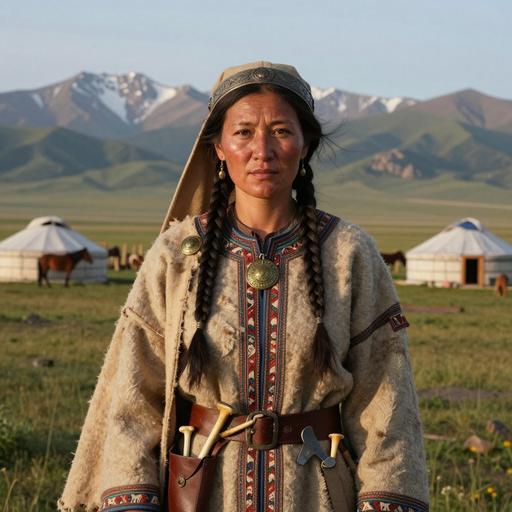
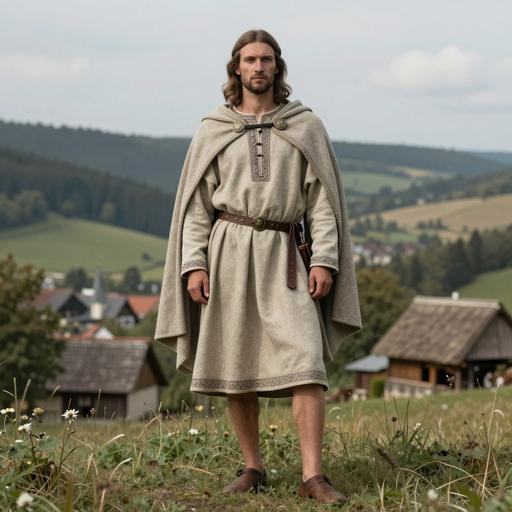
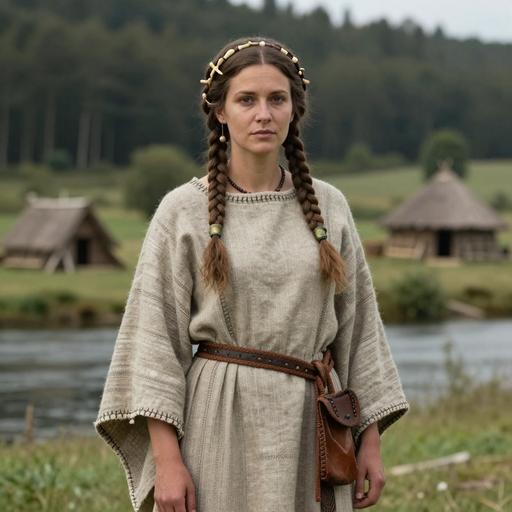
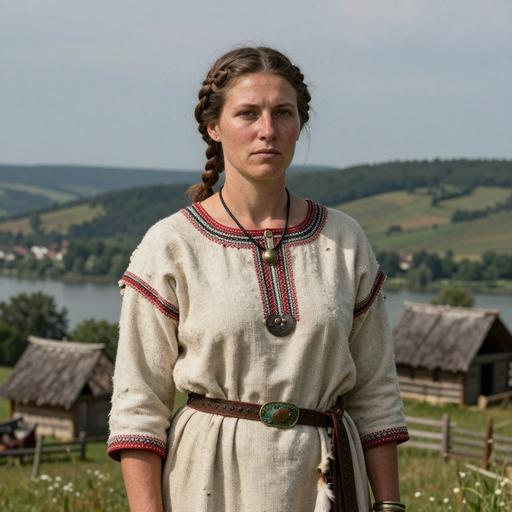
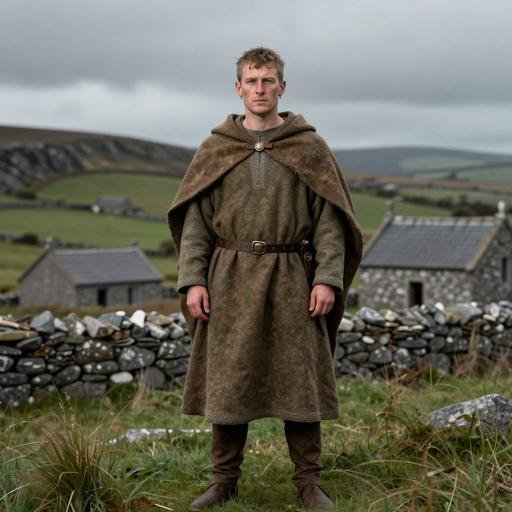
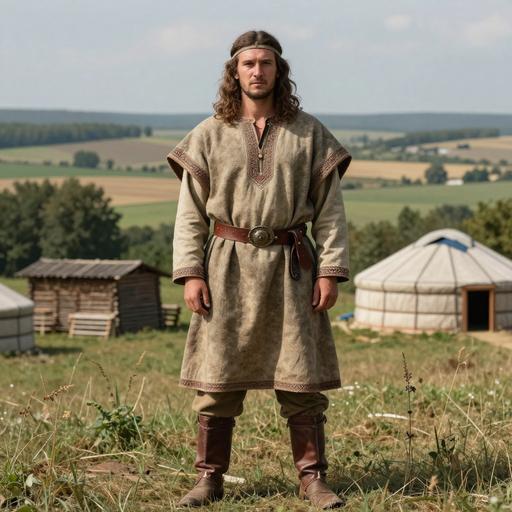
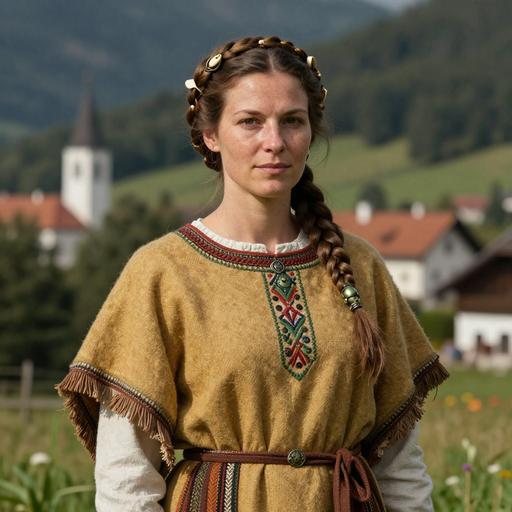
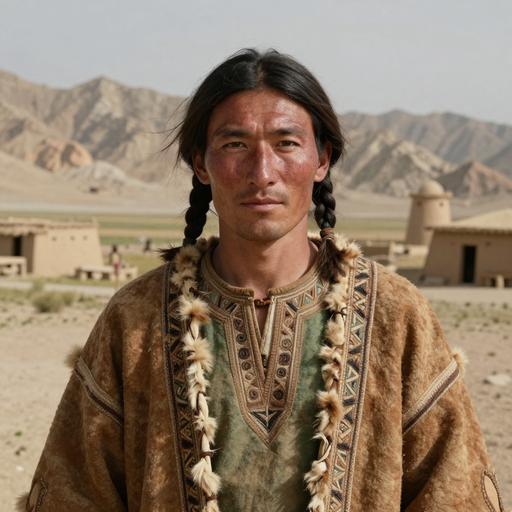
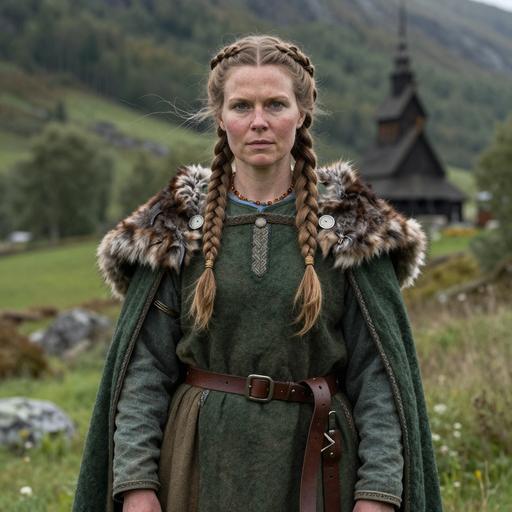
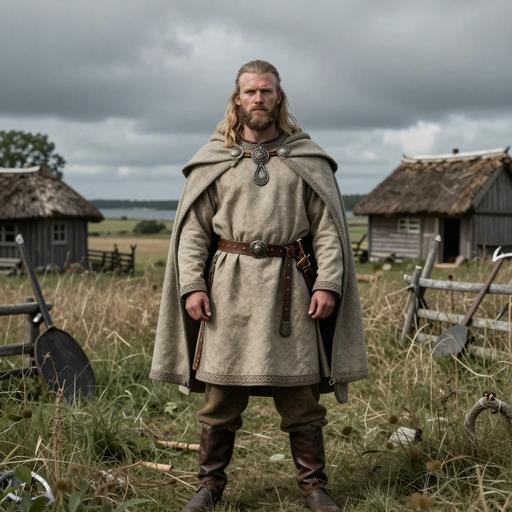
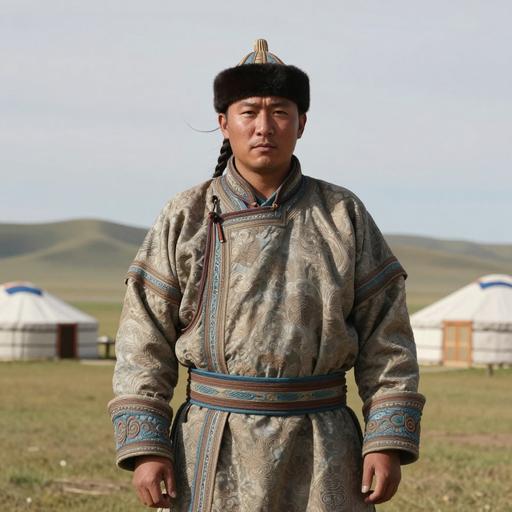
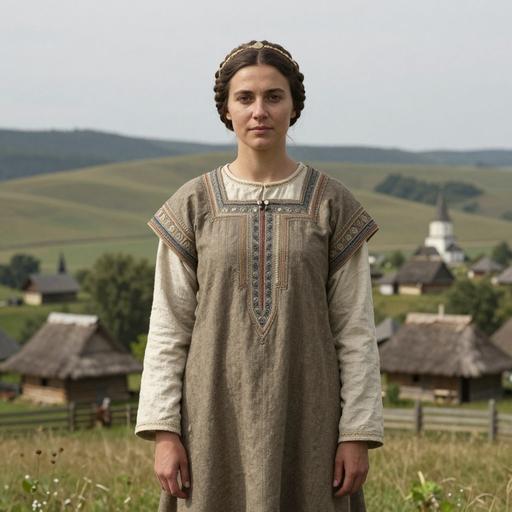
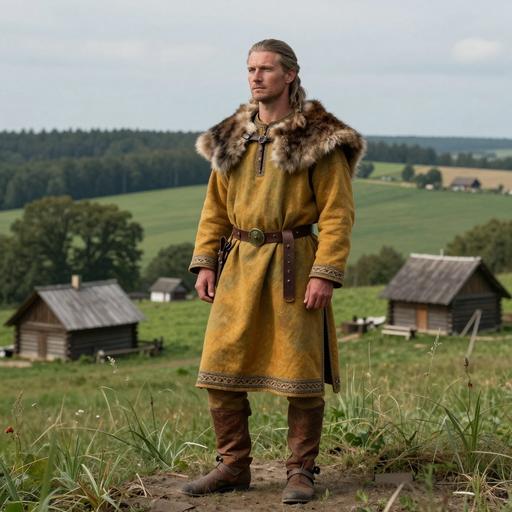
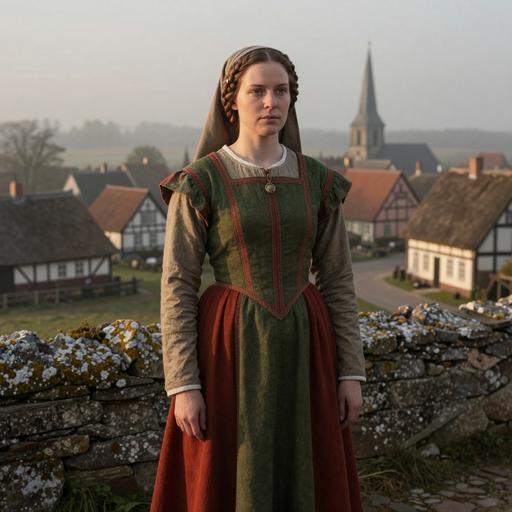
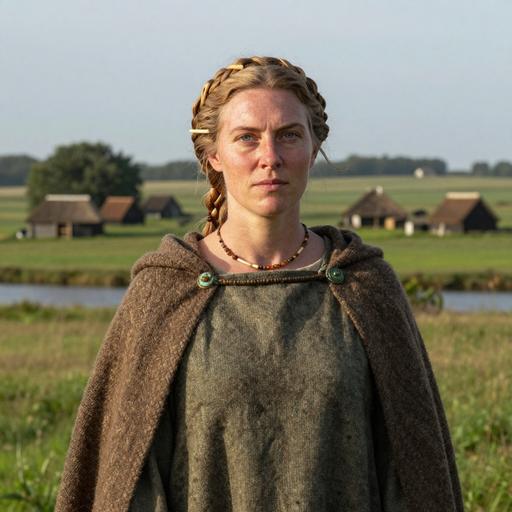
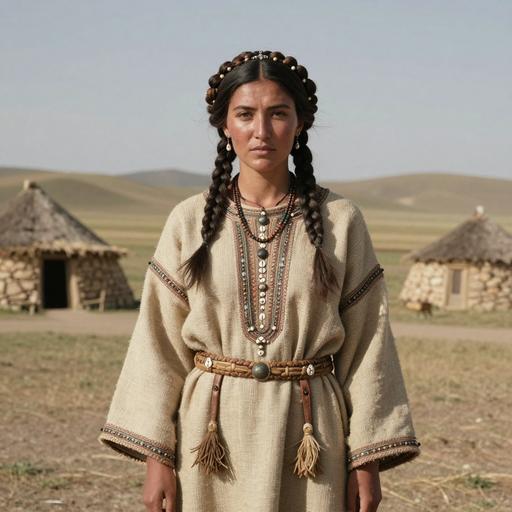
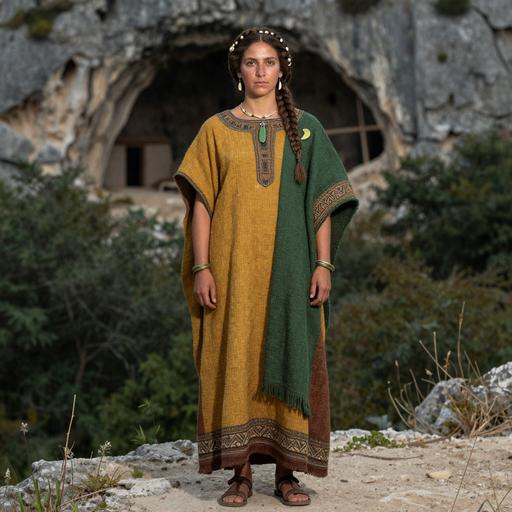
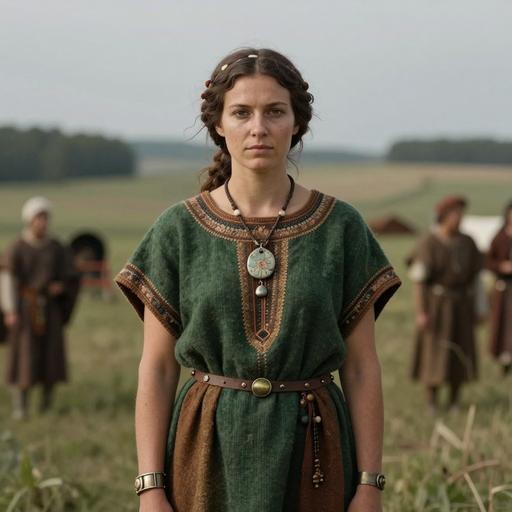
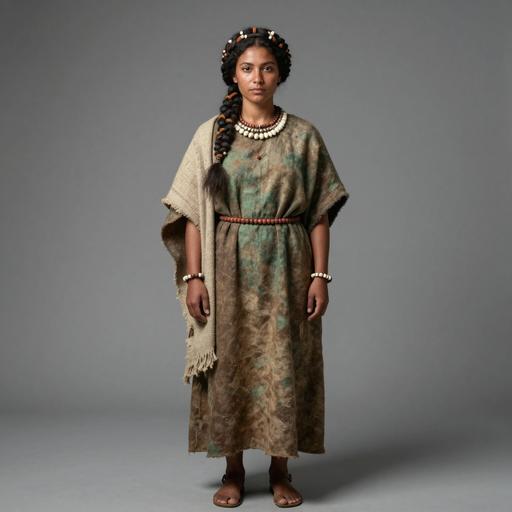
Les portraits sont des illustrations générées par IA. Les libellés d'échantillon et identifiants d'accès désignent les enregistrements de référence.
Portrait
Échantillon
Pays
Époque
Date
Culture
mtDNA
Correspondance
Identifiant d'échantillon : RKF245
Hungary
Hungary Avar
550-850 CE
Avar
U5a1a
Direct
Identifiant d'échantillon : KIL025
Ireland
Anglo-Saxon Early Medieval Kilteasheen, Ireland
700-1300 CE
Kilteasheen
U5a1a
Direct
Identifiant d'échantillon : VK71
Denmark
Denmark EarlyViking
700 CE - 1000 CE
Viking Culture
U5a1a
Direct
Identifiant d'échantillon : VK71
Denmark
The Viking Age
700 CE - 1000 CE
U5a1a
Direct
Identifiant d'échantillon : I18747
Croatia
Croatia MBA Cetina
1700-1500 BCE
Croatian Middle Bronze Age
U5a1a
Direct
Identifiant d'échantillon : ZO2002
Russia
Early Bronze Age Yamnaya Culture, Caucasus, Russia
3300-2500 BCE
Yamnaya
U5a1-a
Direct
Identifiant d'échantillon : I6221
Mongolia
Chalcolithic Afanasievo Culture 1, Mongolia
3316 BCE - 2916 BCE
Afanasievo Culture
U5a1-a
Direct
Identifiant d'échantillon : KTL006
Ukraine
Cernavoda I-Kartal Culture
4157-3959 calBCE (5205±29 BP, MAMS-48815)
Cernavoda Culture
U5a1a
Direct
Identifiant d'échantillon : PCA0052
Poland
Wielbark Culture
150-1 BCE
Wielbark
U5a1a1
Sous-clade
Identifiant d'échantillon : I10865
Spain
Roman Period Spain
100-200 CE
Roman Hispania
U5a1a1
Sous-clade
Identifiant d'échantillon : PCA0012
Poland
Przeworsk Culture
100-300 CE
Przeworsk
U5a1a1
Sous-clade
Identifiant d'échantillon : KNT005
Kazakhstan
Late Iron Age Kazakhstan
255-402 calCE (1724±12 BP)
Late Iron Age
U5a1a1
Sous-clade
Identifiant d'échantillon : JK1968
Finland
Finland Levanluhta
300 CE - 800 CE
Levanluhta
U5a1a1
Sous-clade
Identifiant d'échantillon : JK1970
Finland
Finland Levanluhta
300 CE - 800 CE
Levanluhta
U5a1a1
Sous-clade
Identifiant d'échantillon : JK1968
Finland
Middle Iron Age Finland
300 CE - 800 CE
U5a1a1
Sous-clade
Identifiant d'échantillon : JK1970
Finland
Middle Iron Age Finland
300 CE - 800 CE
U5a1a1
Sous-clade
Identifiant d'échantillon : I13717
United Kingdom
England MIA
398-208 calBCE (2270±30 BP, SUERC-26240)
Middle Iron Age British
U5a1a1
Sous-clade
Identifiant d'échantillon : I10943
Italy
Sicilian Greek (Himeran)
480 BCE
Himeran Greek
U5a1a1+152
Sous-clade
Identifiant d'échantillon : DA53
Kyrgyzstan
Kyrgyzstan TianShan Saka
541 BCE - 266 BCE
Saka Culture
U5a1a1
Sous-clade
Identifiant d'échantillon : DA53
Kyrgyzstan
The Scythian and Saka Cultures
541 BCE - 266 BCE
U5a1a1
Sous-clade
Identifiant d'échantillon : NIEcap12c
Germany
Early Medieval Alemannic Germany
550-650 CE
Alemannic
U5a1a1
Sous-clade
Identifiant d'échantillon : NOR4
France
Iron Age I Grand Est, France
650-450 BCE
Hallstatt Culture
U5a1a1
Sous-clade
Identifiant d'échantillon : I12098
Slovakia
The Vekerzug Culture in Slovakia
650-500 BCE
Vekerzug Culture
U5a1a1
Sous-clade
Identifiant d'échantillon : KIL030
Ireland
Anglo-Saxon Early Medieval Kilteasheen, Ireland
700 CE - 1300 CE
Kilteasheen
U5a1a1
Sous-clade
Identifiant d'échantillon : RKC003
Hungary
Hungary MiddleAvar
703-889 calCE
Avar Culture
U5a1a1
Sous-clade
Identifiant d'échantillon : I5692
Slovenia
Slovenia EIA
795-592 calBCE (2550±15 BP, PSUAMS-3055)
Hallstatt Culture
U5a1a1
Sous-clade
Identifiant d'échantillon : Kivutkalns153
Latvia
Bronze Age Latvia
796-549 calBCE (2542±29 BP, Hela-3744)
Baltic Bronze Age
U5a1a1
Sous-clade
Identifiant d'échantillon : C1206
China
Iron Age Jierzankale, Xinjiang, China
800-1 BCE
Jierzankale Culture
U5a1a1
Sous-clade
Identifiant d'échantillon : SSJ-A2
Iceland
Iceland PreChristian
850 CE - 1000 CE
Norse Pagan
U5a1a1
Sous-clade
Identifiant d'échantillon : SSJ-A2
Iceland
Medieval Nordic Region
850 CE - 1000 CE
1984
U5a1a1
Sous-clade
Identifiant d'échantillon : VK387
Norway
Norway Viking
900 CE - 1100 CE
Viking Culture
U5a1a1
Sous-clade
Identifiant d'échantillon : VK320
Denmark
Denmark Viking
900 CE - 1000 CE
Viking Denmark
U5a1a1
Sous-clade
Identifiant d'échantillon : VK320
Denmark
The Viking Age
900 CE - 1000 CE
U5a1a1
Sous-clade
Identifiant d'échantillon : VK387
Norway
The Viking Age
900 CE - 1100 CE
U5a1a1
Sous-clade
Identifiant d'échantillon : UGO002
Mongolia
Mongolia Dornod LateMedieval
1000-1500 CE
Late Medieval Mongolian
U5a1a1
Sous-clade
Identifiant d'échantillon : MH-153
Hungary
Hungary EarlyArpadian
1000-1100 CE
Early Árpád
U5a1a2
Sous-clade
Identifiant d'échantillon : PCA0197
Poland
Iron Age Lusatian culture of Poland
1000-1200 CE
Lusatian Culture
U5a1a1
Sous-clade
Identifiant d'échantillon : I20186
Bulgaria
Early Iron Age Bulgaria
1100-500 BCE
Bulgarian EIA
U5a1a1
Sous-clade
Identifiant d'échantillon : CGG101857
Denmark
Denmark Medieval
1300-1350 CE
Danish Medieval
U5a1a1
Sous-clade
Identifiant d'échantillon : I7577
United Kingdom
England MBA
1386-1123 calBCE (3005±35 BP, SUERC-25499)
British Middle Bronze Age
U5a1a1
Sous-clade
Identifiant d'échantillon : I18735
Croatia
Croatia MLBA
1500-800 BCE
Croatian Bronze Age
U5a1a1
Sous-clade
Identifiant d'échantillon : I26831
Netherlands
Netherlands MBA
1600-1300 BCE
Dutch Bronze Age
U5a1a1
Sous-clade
Identifiant d'échantillon : I4789
Kazakhstan
Mid-Late Bronze Oy-Dzhaylau
1614-1461 calBCE (3270±25 BP, PSUAMS-2964)
Oy-Dzhaylau Culture
U5a1a1
Sous-clade
Identifiant d'échantillon : kro001
Sweden
Southern Swedish Post-Medieval Culture
1676 CE
Post-Medieval Swedish
U5a1a1
Sous-clade
Identifiant d'échantillon : CSP147
China
Gelintang Culture
1689-1924 calCE (110±20 BP)
Gelintang Culture
U5a1a1
Sous-clade
Identifiant d'échantillon : I18077
Croatia
Croatia MLBA
2000-1000 BCE
Croatian Bronze Age
U5a1a1
Sous-clade
Identifiant d'échantillon : KO1009
Czech Republic
Early Bronze Age Unetice Culture, Bohemia, Czech Republic
Southern Swedish Post-Medieval Culture - Sweden - Kronan (Kalmar län, Mörbylånga)
Sweden Southern Swedish Post-Medieval Culture 1676 CE
U5a1a1Sous-clade
Identifiant d'échantillon : CSP147
Gelintang Culture - China - Gelintang (Ngari)
China Gelintang Culture 1689-1924 calCE (110±20 BP)
U5a1a1Sous-clade
Identifiant d'échantillon : I18077
Middle to Late Bronze Age Croatia - Croatia - Bezdanjača Cave
Croatia Croatia MLBA 2000-1000 BCE
U5a1a1Sous-clade
Identifiant d'échantillon : KO1009
Early Bronze Age Unetice Culture, Bohemia, Czech Republic - Czech Republic - Bohemia. Kolín I
Czech Republic Early Bronze Age Unetice Culture, Bohemia, Czech Republic 2026-1883 calBCE (3589±24 BP, MAMS-30786)
U5a1a1Sous-clade
Identifiant d'échantillon : I10480
Bronze Age Arman, Romania - Romania - CRL Arman
Romania Romania BA Arman 2035-1900 calBCE (3620±20 BP, PSUAMS-8341)
U5a1a1Sous-clade
Identifiant d'échantillon : I23211
The Maros Culture in Serbia - Serbia - North Banat. Čoka. Ostojicevo
Serbia Serbia BA Maros 2100-1800 BCE
U5a1a1Sous-clade
Identifiant d'échantillon : I4069
Bell Beaker Culture, Netherlands - Netherlands - Noord-Holland. Oostwoud. De Tuithoorn
Netherlands Bell Beaker Culture, Netherlands 2192-1887 calBCE (3640±50 BP, GrA-6477)
U5a1a1Sous-clade
LIGNÉE MATERNELLE · ADN ANTIQUE
Carte des preuves de lignées antiques
Suivez les clades parents jusqu'à cette branche et explorez où des porteurs antiques ont été identifiés.
Chargement des observations antiques…
La réduction des animations est activée. Utilisez la chronologie ou Tout afficher pour explorer à votre rythme.
Lire les observations sous forme de tableau
Observations antiques affichées par branche, période et date médiane
Branche
Période
Plage de dates
Échantillon
Identifiant d'échantillon
Emplacement
Haplogroupe
Relation
Les marqueurs indiquent des lieux de découvertes archéologiques. Un trait pointillé représente une transition géographique proposée et incertaine entre branches consécutives, appuyée sur plusieurs observations datées ; ce n'est pas un itinéraire exact, un lieu de naissance ni une preuve de descendance directe. Des échantillons de clades parents peuvent appartenir à d'autres branches descendantes. Des lacunes subsistent lorsque les preuves sont insuffisantes. Les dates d'échantillon diffèrent des dates de formation des haplogroupes.
Le regroupement par période historique reflète quand chaque individu antique a vécu, en combinant toutes les branches de cette chaîne de lignée ; ce n'est pas une séquence migratoire ni une chronologie personnelle entre périodes.
Profil de référence
Carte de répartition des porteurs
Répartition géographique de 78 échantillons d'ADN ancien (porteurs directs et de sous-clade de U5A1A)
Porteur direct Porteur de sous-clade
Filtre de période
Toutes les périodes
Affichage de tous les échantillons
Profil de référence
Répartition temporelle
Répartition des porteurs selon les périodes archéologiques
Profil de référence
Répartition géographique
Effectifs par pays d'échantillon consigné. Ils reflètent la sélection de référence disponible, pas des fréquences de population.
Profil de référence
Répartition pays × époque
Comparez les effectifs d'échantillons consignés selon les pays et les périodes archéologiques. Sélectionnez une cellule renseignée pour examiner un échantillon.
Données
Données et provenance
Informations sur les sources et qualité des données
Dernière mise à jour2026-02-16
Score de confiance50/100
CouvertureLow
Source des données
La classification, les dates estimées et le contexte géographique reflètent les données de référence consignées et peuvent évoluer lorsque les éléments sont révisés. La couverture d'échantillons est inégale ; les lieux consignés et les associations archéologiques n'établissent pas une origine personnelle ni une identité culturelle.