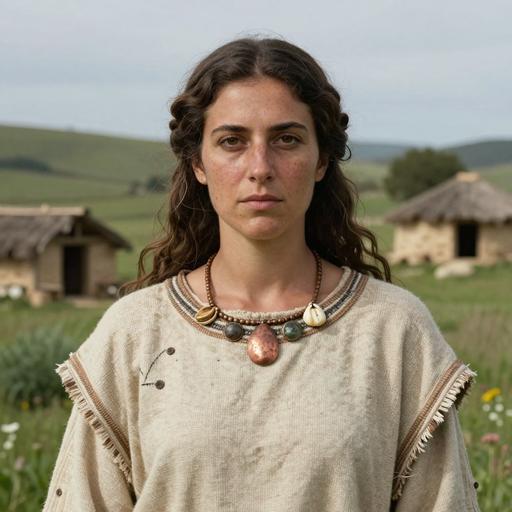
Profil de référence pour une branche de lignée. Des haplogroupes partagés n'établissent pas de lien familial ni d'identité culturelle.
Profil de référence
Contexte de la branche
Contexte historique de la branche de lignée mtDNA U5b
Origins and Evolution
mtDNA haplogroup U5b is a subclade of haplogroup U5 (within the broader U lineage) and sits beneath the parent node often described as U5A'B in phylogenies. U5 as a whole is one of the oldest European maternal lineages, arising during the Upper Paleolithic. U5b is generally estimated to have originated in the Late Upper Paleolithic to Last Glacial Maximum (LGM) interval, with commonly cited molecular-date estimates for U5b clustering around ~20–25 kya (we use ~22 kya here as a representative estimate). This timing and its phylogenetic placement imply that U5b diversified in populations that occupied European refugia during the LGM and later contributed to the post-glacial re-expansion of hunter-gatherer groups across Europe.
Subclades
U5b has multiple downstream subclades that show geographically structured distributions. Well-characterized branches include U5b1 (and derived branches such as U5b1b), U5b2, and other locale-specific sublineages defined in modern and ancient DNA studies. Some subclades (for example, U5b1b and its derivatives) are notably enriched in northern Fennoscandian and Saami groups, indicating strong founder effects and regional continuity in parts of northern Europe. Other U5b subclades are found among Mesolithic and later samples from western and southern Europe, reflecting survival in different refugia and subsequent local expansions.
Geographical Distribution
Modern and ancient DNA work show U5b as primarily a European lineage with highest frequencies in northern and parts of western Europe and detectable presence across much of the continent at lower frequencies. Ancient hunter-gatherer remains from Mesolithic sites across Scandinavia, the Baltic, western Europe (including Iberia and France), and central Europe often carry U5 lineages, including U5b, demonstrating its long-term presence among pre-Neolithic European populations. Low-frequency occurrences have also been reported in neighboring regions (e.g., the Caucasus and parts of the Near East), consistent with limited gene flow or later mobility.
Historical and Cultural Significance
U5b is frequently cited in studies of European population prehistory because it is emblematic of Paleolithic/Mesolithic hunter-gatherer maternal ancestry that predates the arrival of Neolithic farmers from Anatolia. The pattern of U5b—low to moderate frequencies across Europe but high local frequencies in northern pockets like the Saami and some Atlantic regions—matches archaeological scenarios of LGM refugia followed by re-expansion and localized continuity. While the spread of Neolithic farming substantially changed maternal haplogroup profiles across large parts of Europe (increasing lineages such as H, J, T, K), U5b persisted especially in regions where hunter-gatherer ancestry remained high or later admixed into farming populations. U5b lineages also appear sporadically in later archaeological contexts (including Bronze Age and culturally complex sites), reflecting the integration of hunter-gatherer-derived maternal lines into subsequent population structures.
Conclusion
As an intermediate branch beneath the U5 node, U5b provides an important genetic marker for tracing Late Pleistocene and early Holocene maternal ancestry in Europe. Its presence in Mesolithic remains and its persistence in several modern European populations make it a key lineage for reconstructing post-glacial demographic processes, refugial locations, and the interactions between indigenous hunter-gatherers and incoming farmers. Continued high-resolution sequencing and ancient DNA sampling refine the topology and timing of U5b subclades and improve understanding of regional demographic histories.
Points clés
Origins and Evolution
Subclades
Geographical Distribution
Historical and Cultural Significance
Conclusion
Profil de référence
Arbre et relations
Contexte phylogénétique et sous-clades
Voie évolutive
Suivez les branches parentes consignées jusqu'à U5b. Les dates sont des estimations et peuvent évoluer lorsque les données de référence sont révisées.
Southern European island populations (Sardinia, Corsica) at low-moderate frequencies
Eastern European and Russian populations (various northern and central groups)
Ancient Mesolithic hunter-gatherer remains across Europe
Low-frequency occurrences in the Caucasus and Near East
Contexte historique
Une branche dans le temps
Formation estimée sur une chronologie historique large. Les repères de période servent de contexte et n'impliquent pas de lien avec des cultures particulières.
Il y a ~22k ans
Haplogroupe U5b
Formation estimée de cette branche mtDNA ; les dates et les lieux sont des estimations de référence.
Cette branche
Il y a ~20k ans
Dernier maximum glaciaire
Apogée de la dernière période glaciaire, populations isolées
Il y a ~10k ans
Révolution néolithique
Début de l'agriculture et émergence de communautés sédentaires
Il y a ~5k ans
Âge du bronze
Travail des métaux, écriture et premières civilisations
Il y a ~3k ans
Âge du fer
Outils en fer, réseaux d'échanges élargis
Il y a ~2.5k ans
Antiquité classique
Floraison des civilisations grecque et romaine
Aujourd'hui
Aujourd'hui
Époque moderne
Profil de référence
Contexte archéologique
Associations archéologiques consignées pour la branche mtDNA U5b
Associations consignées
Ces libellés décrivent des contextes archéologiques consignés pour des échantillons de référence liés à U5b. Une association n'établit pas que tous les porteurs appartenaient à une culture ni qu'ils ont suivi une route migratoire précise.
El Mirón CultureFrance_Occitanie_Gard_AvendelaBoucle_NFrench MesolithicMesolithic IberianMesolithic Welsh CultureNetherlands_Mesolithic_SwifterbantWelsh Neolithic
Les attributions culturelles reposent sur le contexte archéologique des échantillons d'ADN ancien et peuvent refléter des associations régionales à certaines périodes.
Profil de référence
Catalogue d'échantillons
13 porteurs directs et 87 porteurs de sous-clade de l'haplogroupe U5b
10 affiché(s) · 50 échantillons correspondants
Aucun échantillon ne correspond à ces filtres. Essayez un autre libellé, lieu ou période.
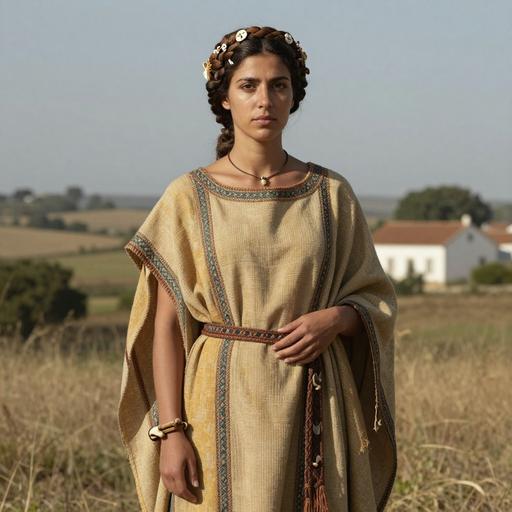
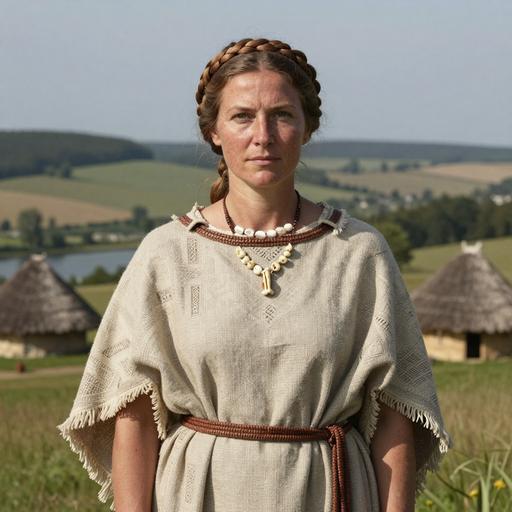
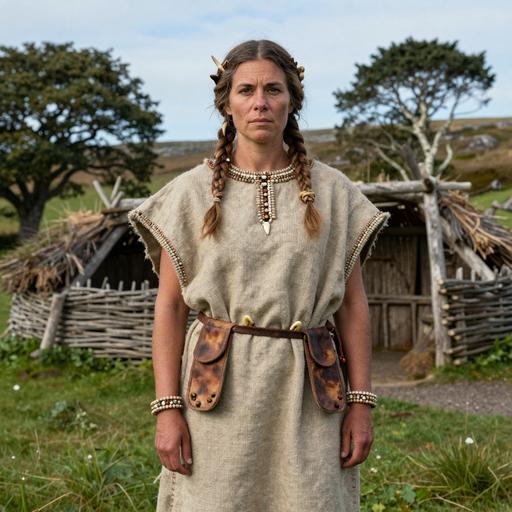
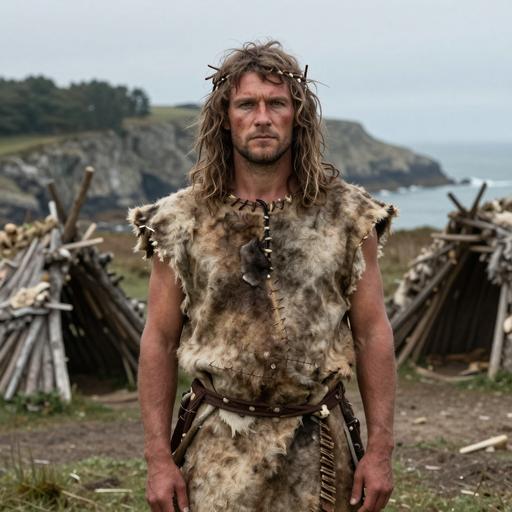
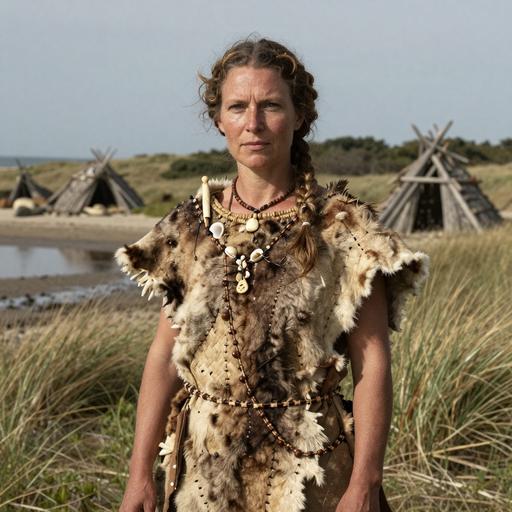
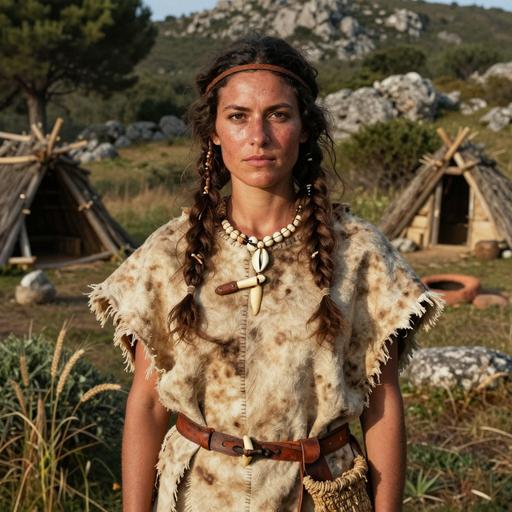
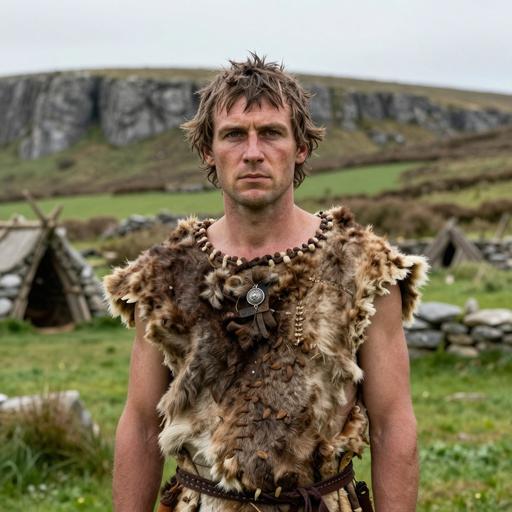
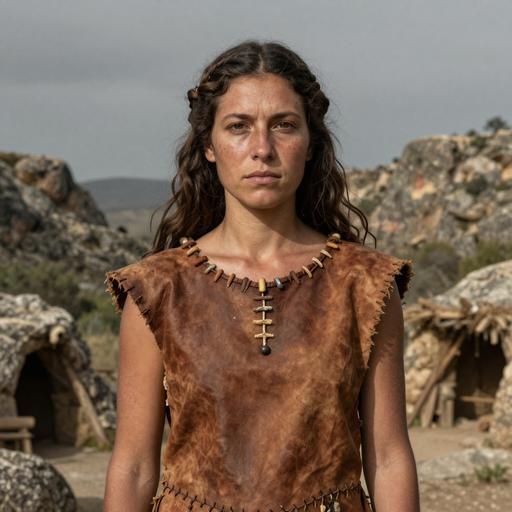
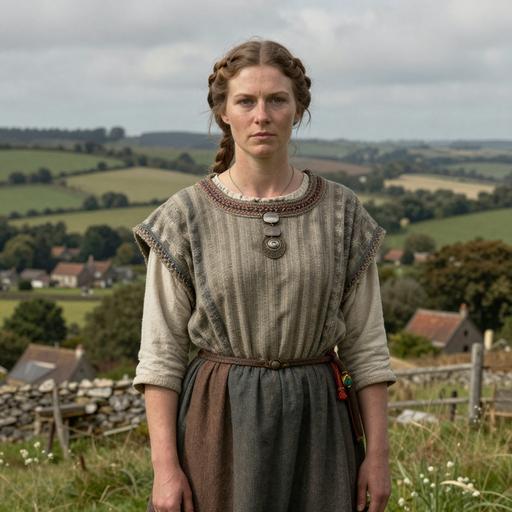
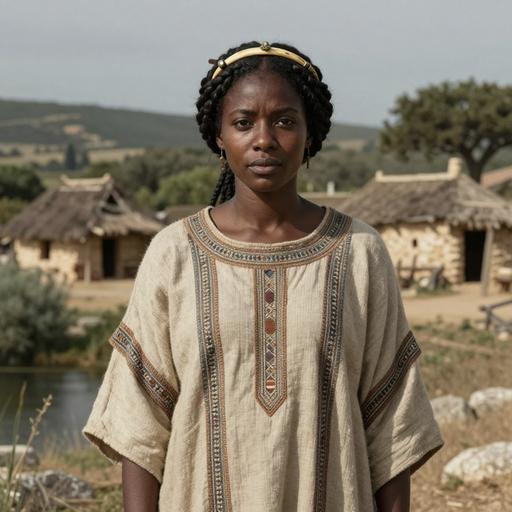
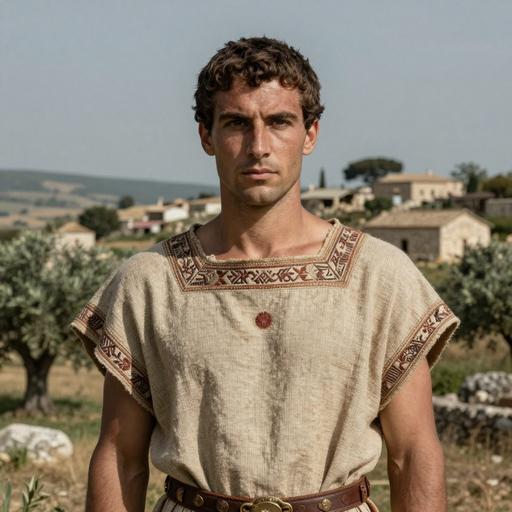
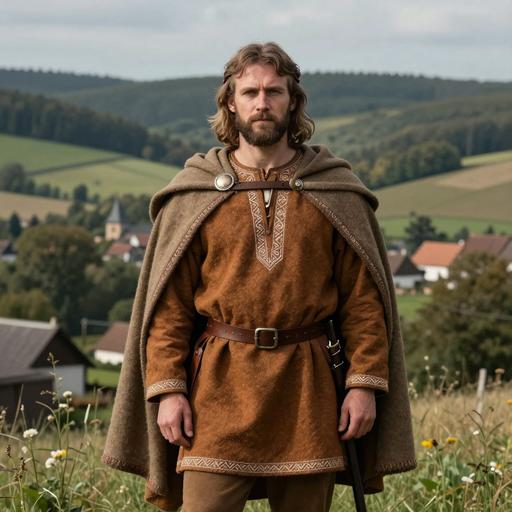
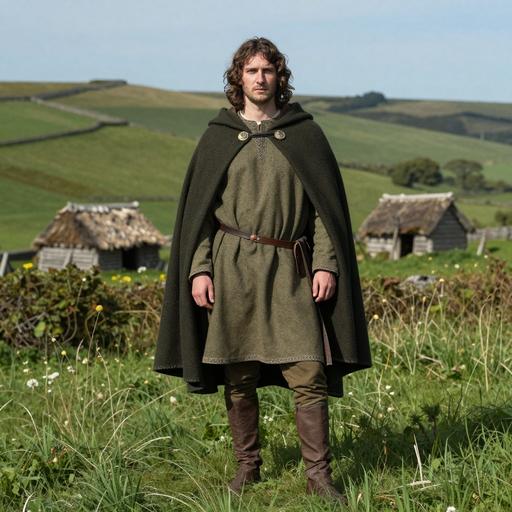
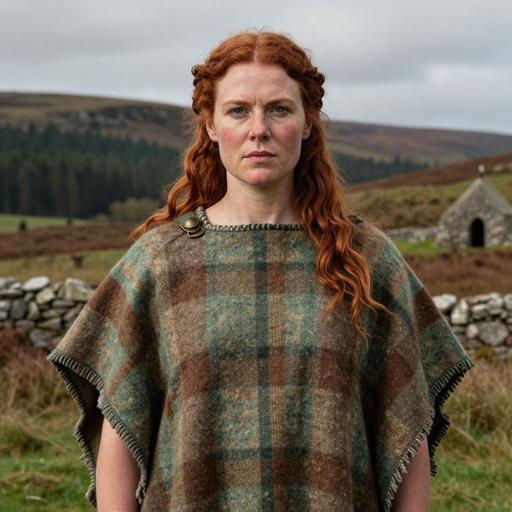
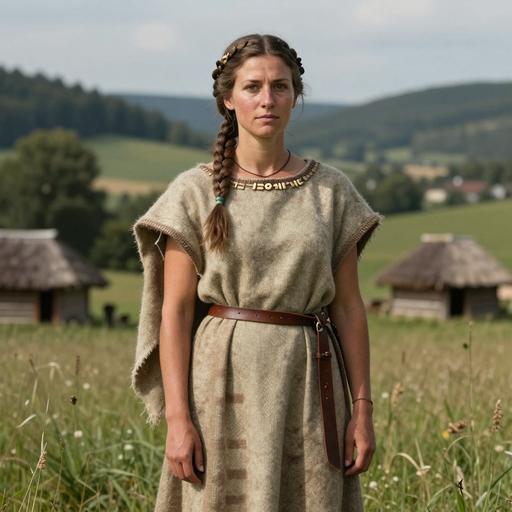
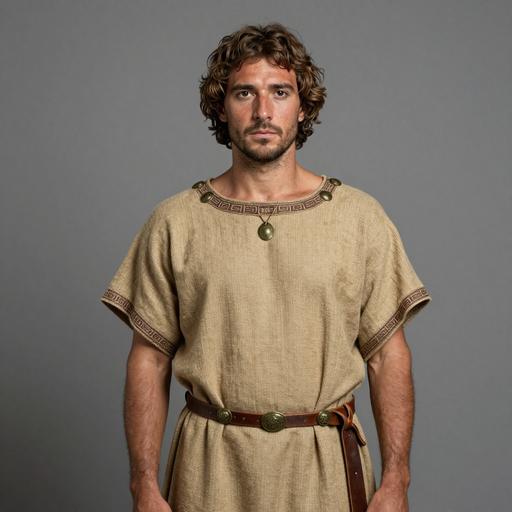
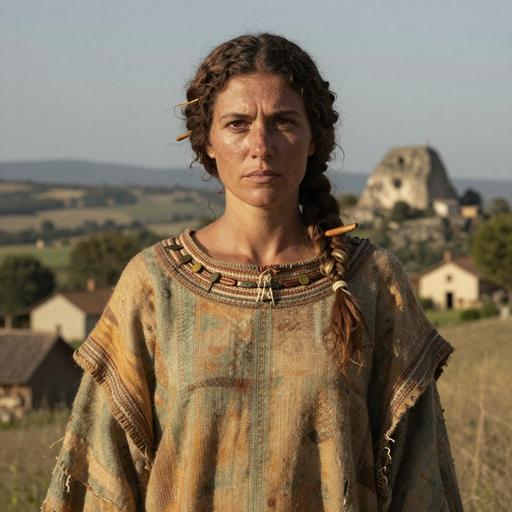
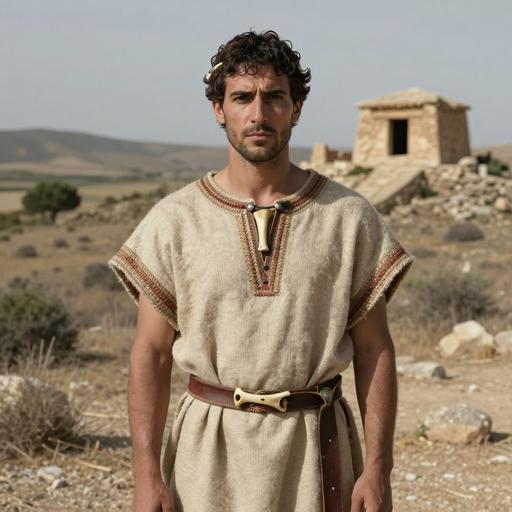
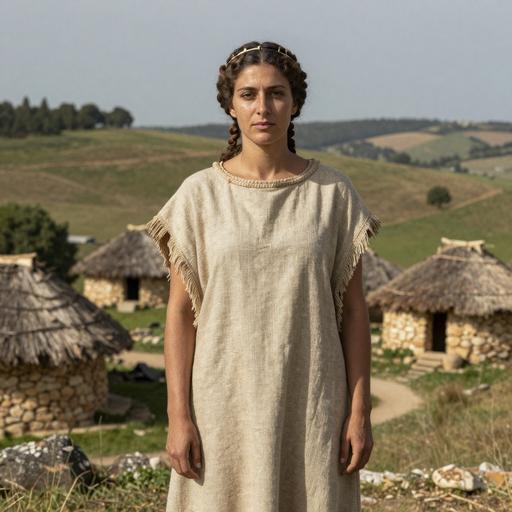
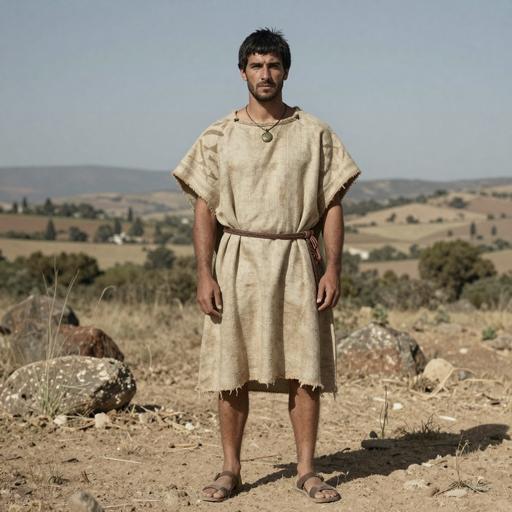
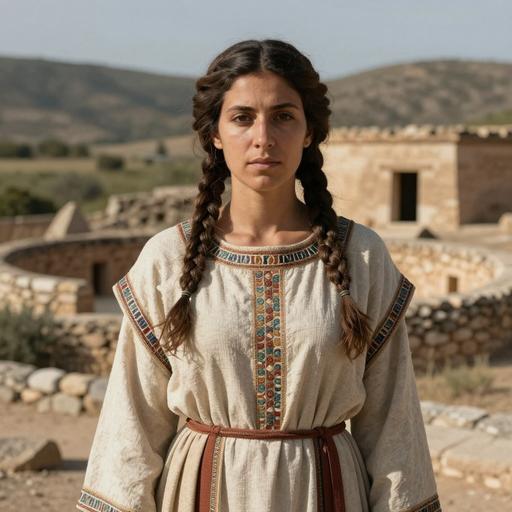
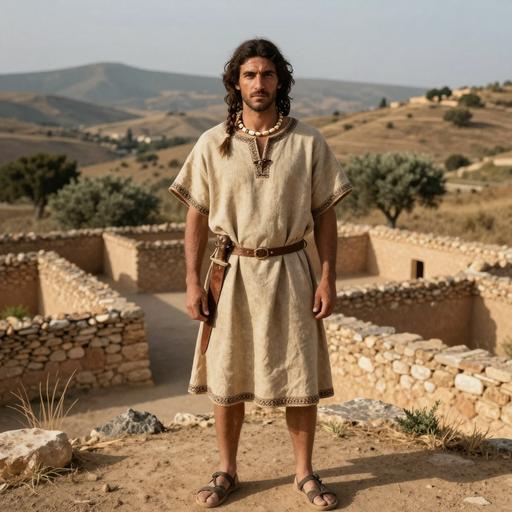
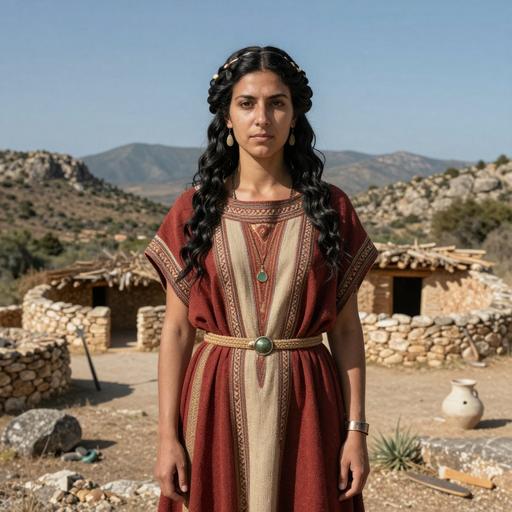
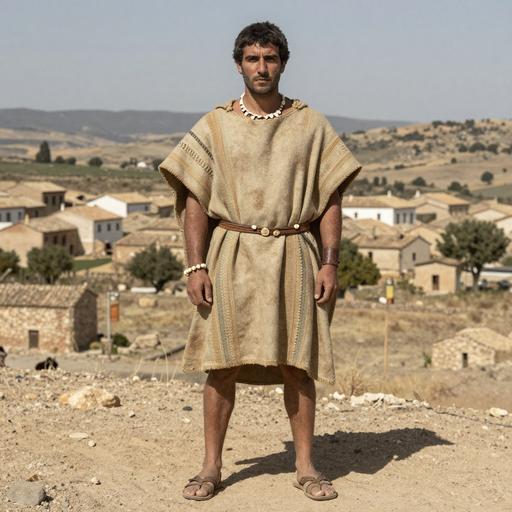
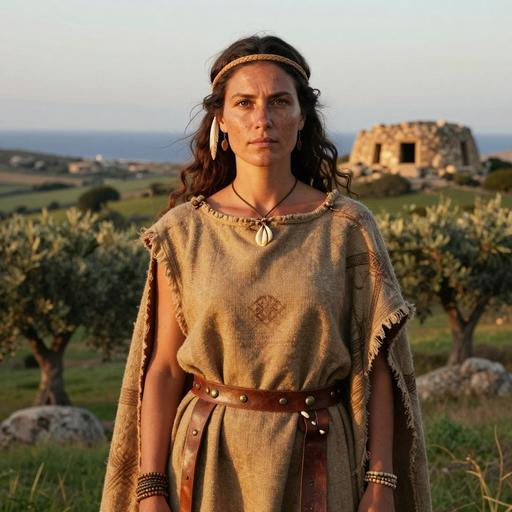
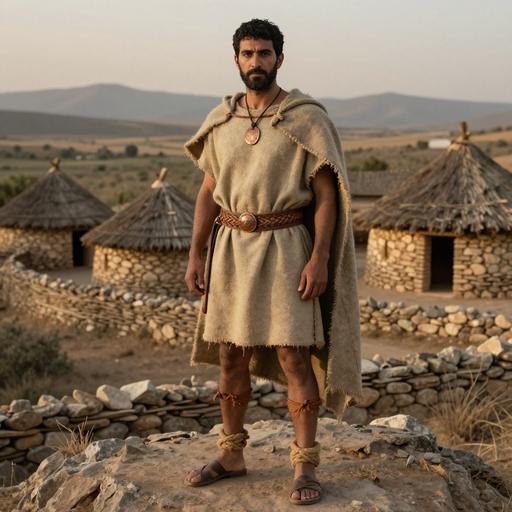
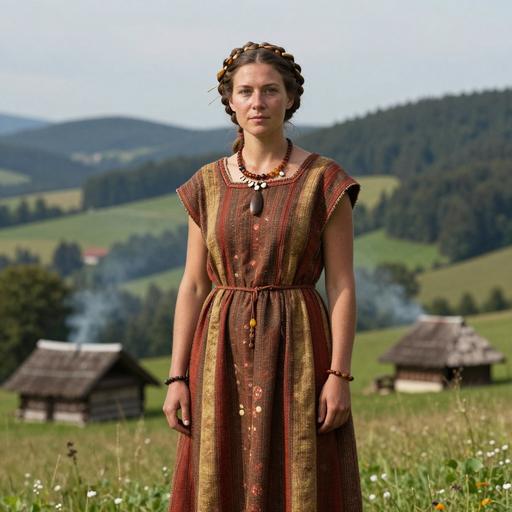
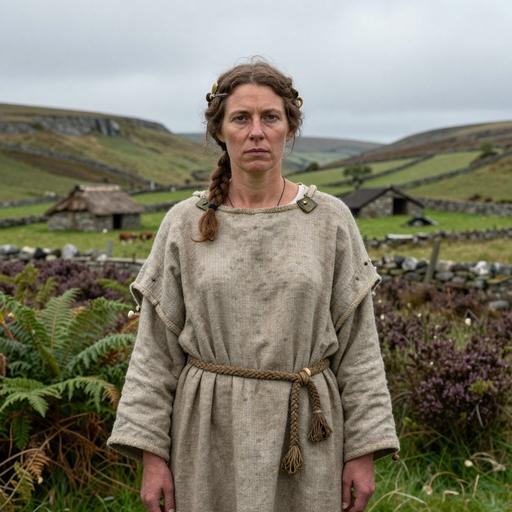
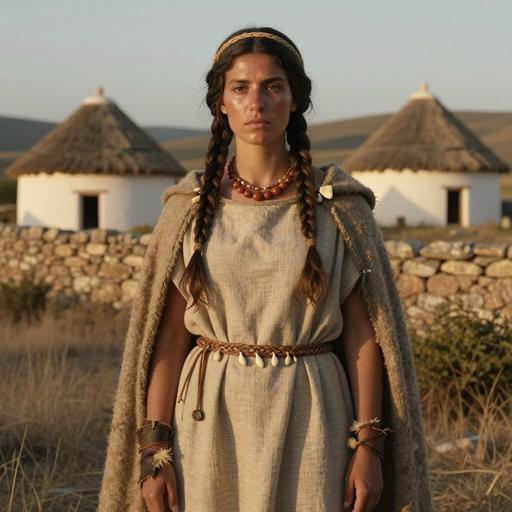
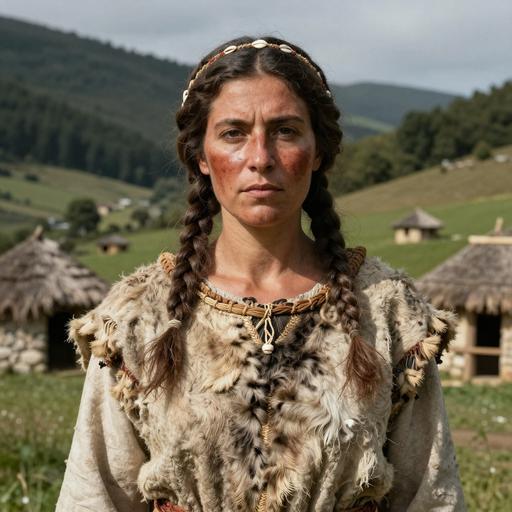
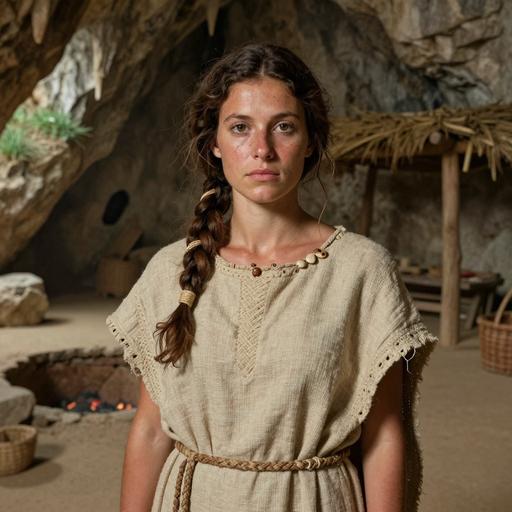
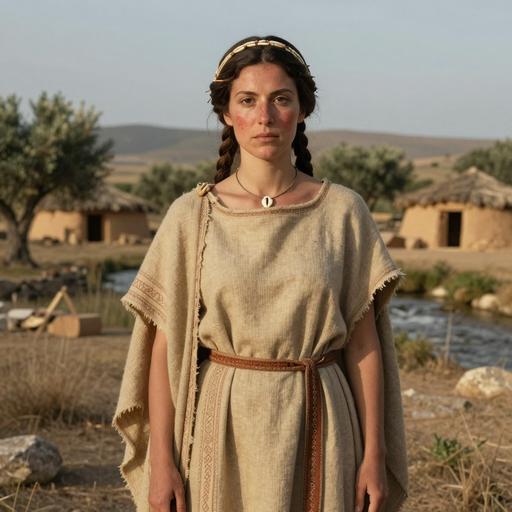
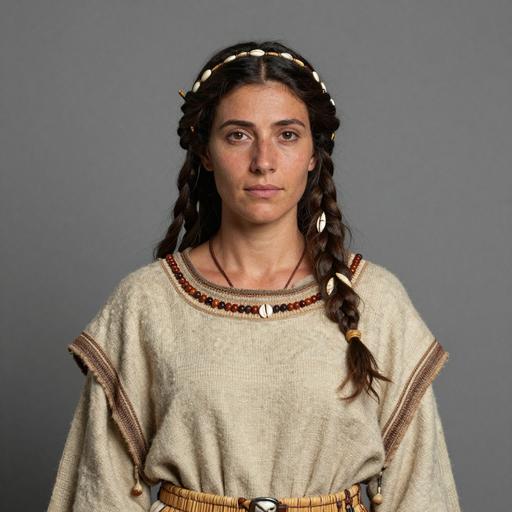
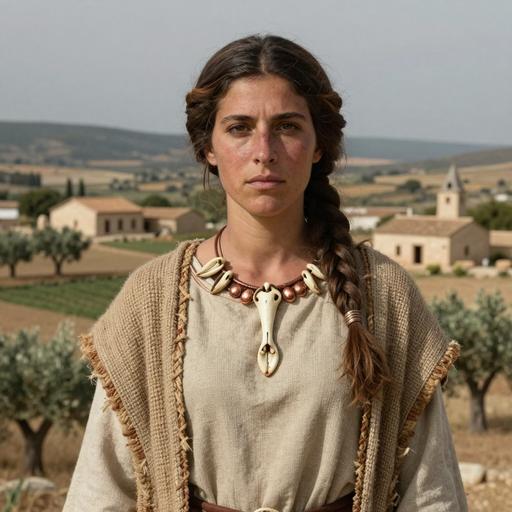
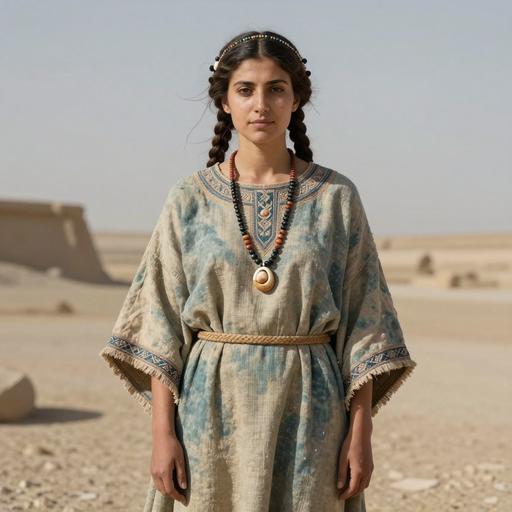
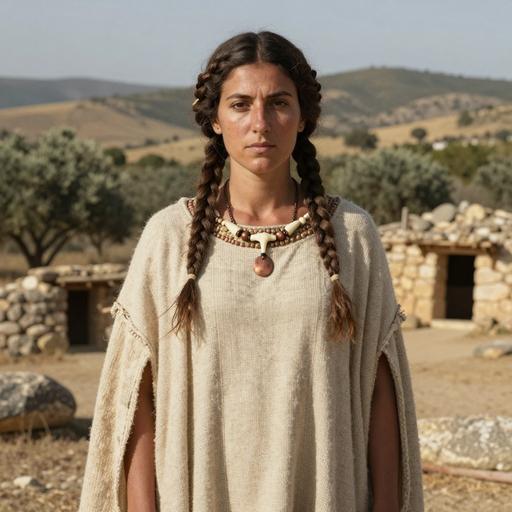
Les portraits sont des illustrations générées par IA. Les libellés d'échantillon et identifiants d'accès désignent les enregistrements de référence.
Portrait
Échantillon
Pays
Époque
Date
Culture
mtDNA
Correspondance
Identifiant d'échantillon : I8045
Portugal
Portugal MBA
1700-1300 BCE
Portuguese Bronze
U5b
Direct
Identifiant d'échantillon : HOP002
Czech Republic
Bell Beaker Culture, Bohemia, Czech Republic
2334-2140 calBCE (3795±25 BP, MAMS-30799)
Bell Beaker
U5b
Direct
Identifiant d'échantillon : I5473
United Kingdom
Early Bronze Age Scotland
2400 BCE - 2100 BCE
Scottish Bronze Age
U5b
Direct
Identifiant d'échantillon : RISE1254
Poland
Globular Amphora Culture Wilczyce, Poland
3100 BCE - 2450 BCE
Globular Amphora
U5b
Direct
Identifiant d'échantillon : I2368
Hungary
Hungary LateC Baden
3300-2850 BCE
Baden Culture
U5b
Direct
Identifiant d'échantillon : KH150198
Germany
Wartberg Culture
3350-3100 BCE
Wartberg
U5b
Direct
Identifiant d'échantillon : I3033
United Kingdom
Wales N
3700 BCE - 3518 BCE
Welsh Neolithic
U5b
Direct
Identifiant d'échantillon : hoe002
France
France Mesolithic
5359-5211 calBCE (6298±34 BP, OxA-38077)
French Mesolithic
U5b
Direct
Identifiant d'échantillon : hoe001
France
France Mesolithic
5375-5054 calBCE (6280±60 BP, OxA-6706)
French Mesolithic
U5b
Direct
Identifiant d'échantillon : tev001
France
France Mesolithic
5513-5235 calBCE (6440±55 BP, OxA-6663)
French Mesolithic
U5b
Direct
Identifiant d'échantillon : Chan
Spain
Hunter-Gatherer Spain
7320 BCE - 7054 BCE
Mesolithic Iberian
U5b
Direct
Identifiant d'échantillon : I6754
United Kingdom
Mesolithic Wales
7739 BCE - 7536 BCE
Mesolithic Welsh Culture
U5b
Direct
Identifiant d'échantillon : ElMiron
Spain
El Mirón Cave, Spain
16898-16747 calBCE (15460±40 BP, MAMS-14585)
El Mirón Culture
U5b
Direct
Identifiant d'échantillon : I17017
United Kingdom
England LIA
196 calBCE - 5 calCE (2087±30 BP, SUERC-94988)
British Late Iron Age
U5b1
Sous-clade
Identifiant d'échantillon : PEY73
France
Iron Age Culture of Hérault
200-150 BCE
Hérault Culture
U5b3
Sous-clade
Identifiant d'échantillon : SAL011
Italy
Daunian Culture Salapia, Italy
386-206 calBCE (2241±23 BP, UBA-45180)
Daunian Culture
U5b1
Sous-clade
Identifiant d'échantillon : IND011
Germany
Saxon Early Medieval Alt Inden, Germany
400-800 CE
Saxon Culture
U5b1
Sous-clade
Identifiant d'échantillon : IND012
Germany
Saxon Early Medieval Alt Inden, Germany
400-800 CE
Saxon Culture
U5b1
Sous-clade
Identifiant d'échantillon : I8210
Spain
Greek Period Spain
500-350 BCE
Hellenic Iberian
U5b3
Sous-clade
Identifiant d'échantillon : I11570
United Kingdom
England EarlyMedieval
500 CE - 700 CE
Anglo-Saxon
U5b1
Sous-clade
Identifiant d'échantillon : I2654
United Kingdom
Scotland MBA
1419-1261 calBCE (3074±29 BP, SUERC-75917)
Scottish Bronze Age
U5b3
Sous-clade
Identifiant d'échantillon : I2458
United Kingdom
England MBA
1495-1286 calBCE (3122±34 BP, SUERC-49182)
British Middle Bronze Age
U5b3
Sous-clade
Identifiant d'échantillon : OTTM_84
Germany
Middle Bronze Age Lech Valley, Germany
1622-1461 calBCE (3283±32 BP, MAMS-21543)
Lech Valley Culture
U5b3
Sous-clade
Identifiant d'échantillon : MonteGato104
Portugal
Portugal MBA
1728 BCE - 1520 BCE
Portuguese Bronze
U5b3
Sous-clade
Identifiant d'échantillon : GBVPO
France
Late Neolithic to Early-Middle Bronze Age La Clape, France
Suivez les clades parents jusqu'à cette branche et explorez où des porteurs antiques ont été identifiés.
Chargement des observations antiques…
La réduction des animations est activée. Utilisez la chronologie ou Tout afficher pour explorer à votre rythme.
Lire les observations sous forme de tableau
Observations antiques affichées par branche, période et date médiane
Branche
Période
Plage de dates
Échantillon
Identifiant d'échantillon
Emplacement
Haplogroupe
Relation
Les marqueurs indiquent des lieux de découvertes archéologiques. Un trait pointillé représente une transition géographique proposée et incertaine entre branches consécutives, appuyée sur plusieurs observations datées ; ce n'est pas un itinéraire exact, un lieu de naissance ni une preuve de descendance directe. Des échantillons de clades parents peuvent appartenir à d'autres branches descendantes. Des lacunes subsistent lorsque les preuves sont insuffisantes. Les dates d'échantillon diffèrent des dates de formation des haplogroupes.
Le regroupement par période historique reflète quand chaque individu antique a vécu, en combinant toutes les branches de cette chaîne de lignée ; ce n'est pas une séquence migratoire ni une chronologie personnelle entre périodes.
Profil de référence
Carte de répartition des porteurs
Répartition géographique de 100 échantillons d'ADN ancien (porteurs directs et de sous-clade de U5b)
Porteur direct Porteur de sous-clade
Filtre de période
Toutes les périodes
Affichage de tous les échantillons
Profil de référence
Répartition temporelle
Répartition des porteurs selon les périodes archéologiques
Profil de référence
Répartition géographique
Effectifs par pays d'échantillon consigné. Ils reflètent la sélection de référence disponible, pas des fréquences de population.
Profil de référence
Répartition pays × époque
Comparez les effectifs d'échantillons consignés selon les pays et les périodes archéologiques. Sélectionnez une cellule renseignée pour examiner un échantillon.
Données
Données et provenance
Informations sur les sources et qualité des données
Dernière mise à jour2026-06-14
Source des données
La classification, les dates estimées et le contexte géographique reflètent les données de référence consignées et peuvent évoluer lorsque les éléments sont révisés. La couverture d'échantillons est inégale ; les lieux consignés et les associations archéologiques n'établissent pas une origine personnelle ni une identité culturelle.