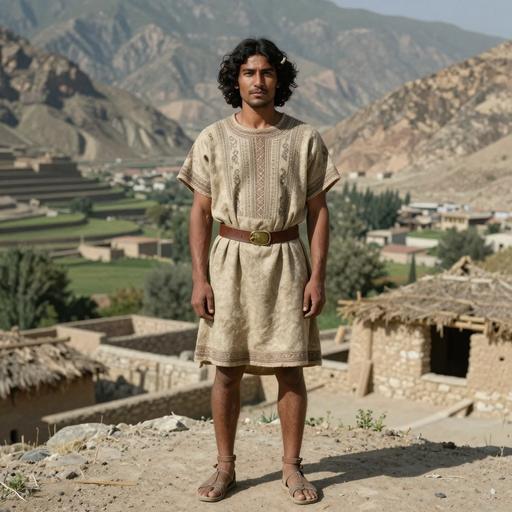
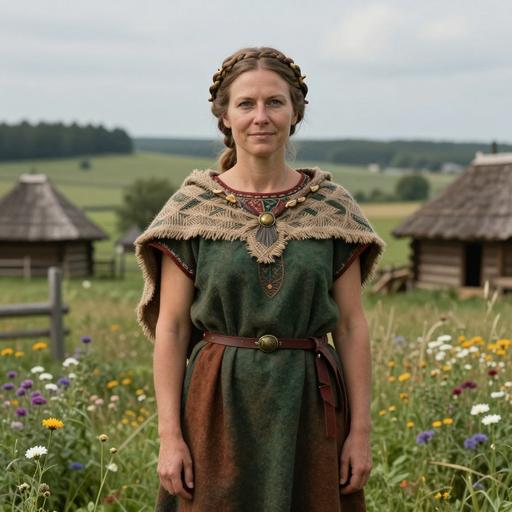
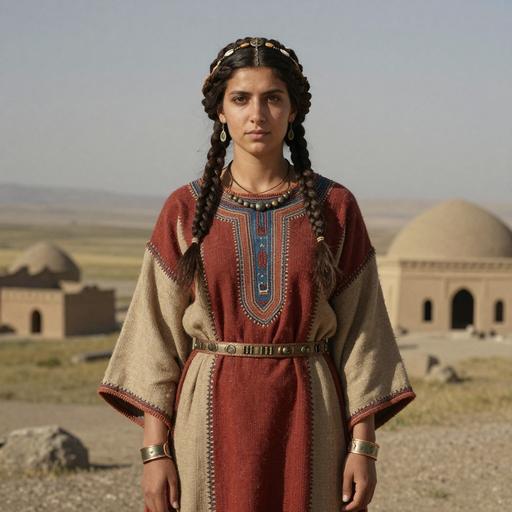
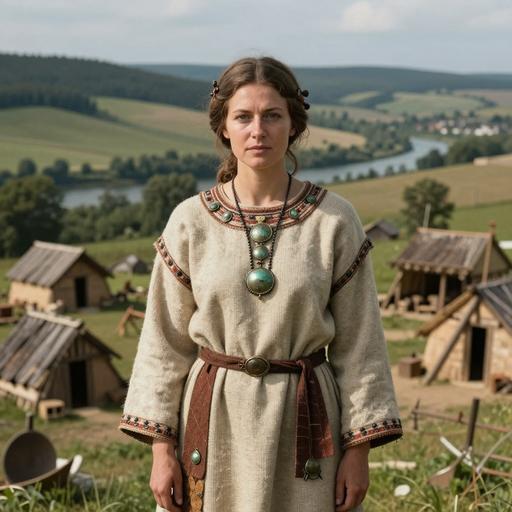
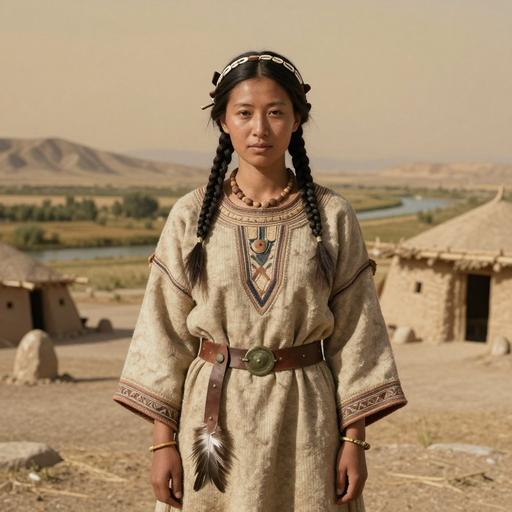
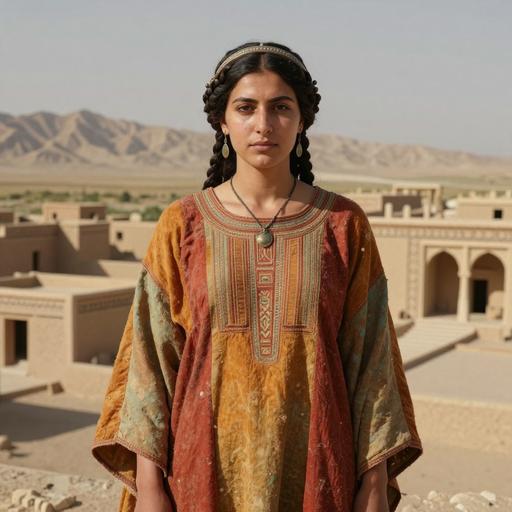
Profil de référence pour une branche de lignée. Des haplogroupes partagés n'établissent pas de lien familial ni d'identité culturelle.
Profil de référence
Contexte de la branche
Contexte historique de la branche de lignée mtDNA W3A1
Origins and Evolution
mtDNA haplogroup W3A1 is a subclade of W3A, itself nested within the broader haplogroup W, a West Eurasian maternal lineage. Based on its phylogenetic position and the estimated age of W3A (early Holocene, ~9 kya), W3A1 most likely arose in the Near East or adjacent South Asian regions during the early Holocene (roughly 8–9 kya). The topology of W and its subclades indicates diversification associated with post-glacial recolonization of temperate Eurasia and the spread of early farming communities; W3A1 represents one of several geographically widespread but low-frequency branches that record these movements.
Subclades (if applicable)
At present, W3A1 is recognized as a defined terminal or near-terminal branch within W3A in modern sequencing datasets and ancient DNA reports; additional downstream diversity (private mutations and local sub-branches) is observed in population samples from the Caucasus, South Asia, and parts of Eastern Europe. As full mitogenome sampling increases, further subdivision of W3A1 into geographically localized subclades is likely, but currently W3A1 is treated as a coherent sublineage useful for tracing Holocene female-mediated gene flow.
Geographical Distribution
W3A1 has a patchy, low-to-moderate frequency distribution across western and central Eurasia. Modern occurrences are concentrated in:
The Caucasus and neighboring Near Eastern populations where frequencies and diversity are relatively higher, consistent with a Near Eastern or adjacent origin.
South Asian groups (diverse caste and tribal populations) reflecting either an origin near South Asia or early Holocene gene flow between South Asia and the Near East.
Eastern and Northern Europe at low-to-moderate frequencies, consistent with Neolithic farmer spread and later dispersals that mixed Near Eastern maternal lineages into Europe.
Central Asia and western China/southern Siberia with low-frequency occurrences, indicating long-distance dispersal and later gene flow across Eurasia.
W3A1 also appears in a modest number of ancient DNA samples (around 30 in the referenced database), providing archaeological context from Neolithic and later Holocene sites across parts of Europe and western Asia.
Historical and Cultural Significance
W3A1 is most informative for reconstructing female-mediated movements during the early Holocene. Its distribution fits scenarios in which maternal lineages originating in or near the Near East spread with early farming (Anatolian/Levantine Neolithic expansions) into Europe and also moved eastward into South and Central Asia. Secondary processes — including Bronze Age mobility (steppe-related and other migrations) and later historical population movements in the Caucasus, Iran and South Asia — redistributed W3A1 further, producing the patchy modern map.
Because W3A1 is not a very high-frequency lineage anywhere, its presence in a population is most valuable when combined with full mitogenome data and archaeological or autosomal context; such joint evidence can help distinguish direct Neolithic ancestry from later, smaller-scale gene flow events.
Conclusion
W3A1 is a narrowly distributed but widely dispersed Holocene maternal lineage that captures aspects of post-glacial recolonization and Neolithic expansions from the Near East/South Asia into Europe, the Caucasus and Central Asia. Continued mitogenome sequencing and ancient DNA sampling will refine its internal structure and improve resolution on the timing and routes of its spread, but it already serves as a useful marker for tracing early Holocene female demographic processes across western and central Eurasia.
Points clés
Origins and Evolution
Subclades (if applicable)
Geographical Distribution
Historical and Cultural Significance
Conclusion
Profil de référence
Arbre et relations
Contexte phylogénétique et sous-clades
Voie évolutive
Suivez les branches parentes consignées jusqu'à W3A1. Les dates sont des estimations et peuvent évoluer lorsque les données de référence sont révisées.
Western China and southern Siberian groups (low-frequency occurrences, e.g., Uyghurs, Altaians)
Diaspora/admixed populations in Europe and the Near East (low frequency)
Contexte historique
Une branche dans le temps
Formation estimée sur une chronologie historique large. Les repères de période servent de contexte et n'impliquent pas de lien avec des cultures particulières.
Il y a ~10k ans
Révolution néolithique
Début de l'agriculture et émergence de communautés sédentaires
Il y a ~8.5k ans
Haplogroupe W3A1
Formation estimée de cette branche mtDNA ; les dates et les lieux sont des estimations de référence.
Cette branche
Il y a ~5k ans
Âge du bronze
Travail des métaux, écriture et premières civilisations
Il y a ~3k ans
Âge du fer
Outils en fer, réseaux d'échanges élargis
Il y a ~2.5k ans
Antiquité classique
Floraison des civilisations grecque et romaine
Aujourd'hui
Aujourd'hui
Époque moderne
Profil de référence
Contexte archéologique
Associations archéologiques consignées pour la branche mtDNA W3A1
Associations consignées
Ces libellés décrivent des contextes archéologiques consignés pour des échantillons de référence liés à W3A1. Une association n'établit pas que tous les porteurs appartenaient à une culture ni qu'ils ont suivi une route migratoire précise.
Les attributions culturelles reposent sur le contexte archéologique des échantillons d'ADN ancien et peuvent refléter des associations régionales à certaines périodes.
Profil de référence
Catalogue d'échantillons
33 porteurs directs et 21 porteurs de sous-clade de l'haplogroupe W3A1
10 affiché(s) · 50 échantillons correspondants
Aucun échantillon ne correspond à ces filtres. Essayez un autre libellé, lieu ou période.
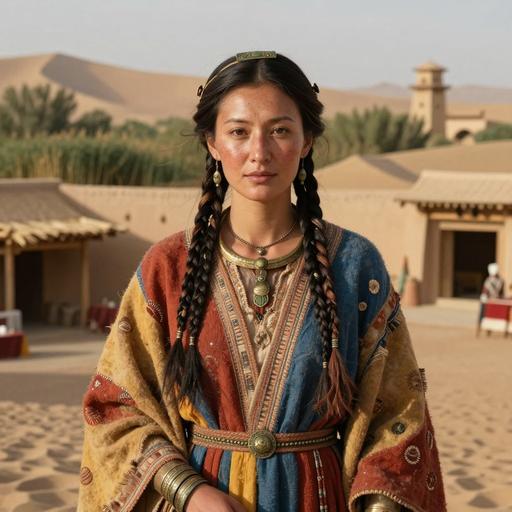
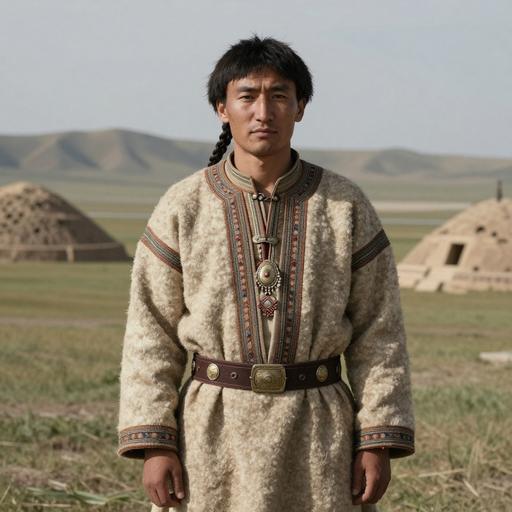
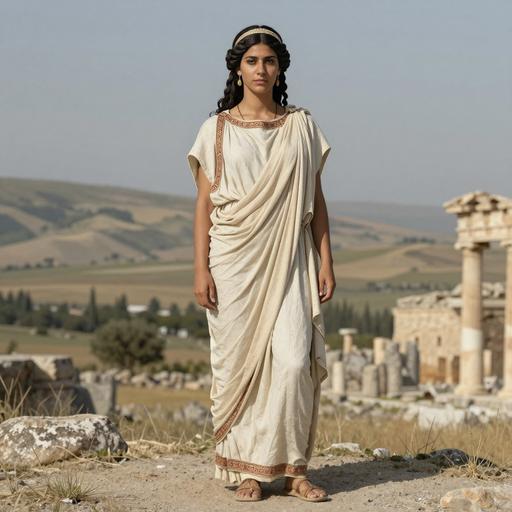
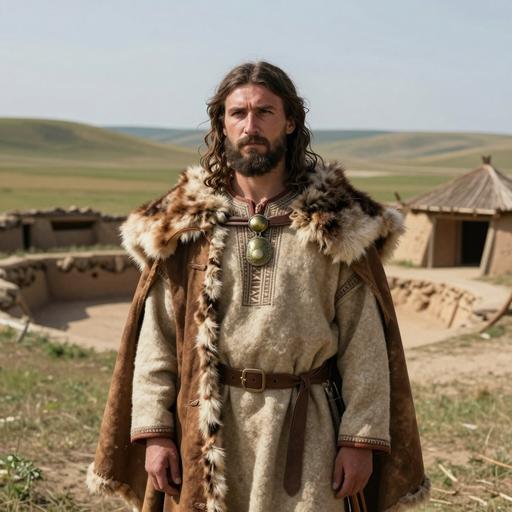
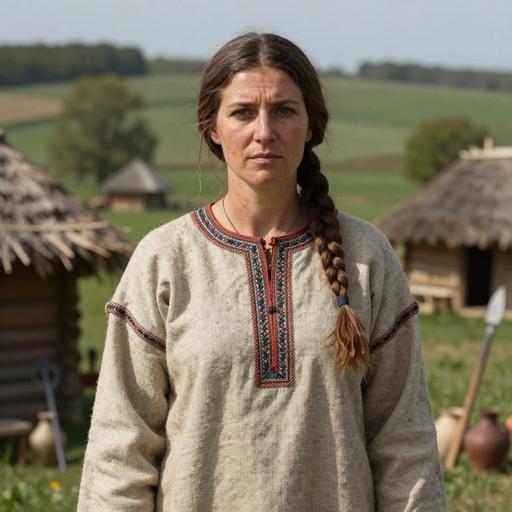
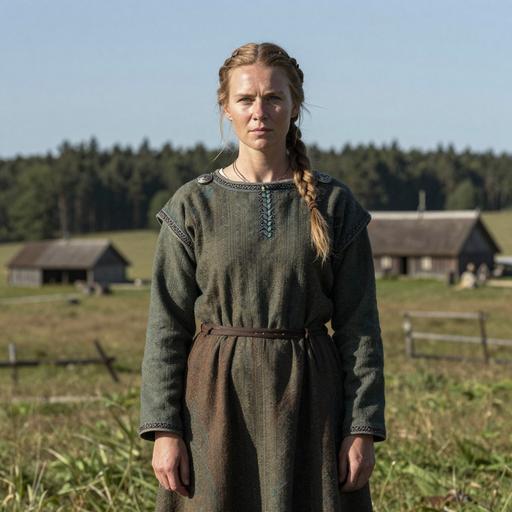
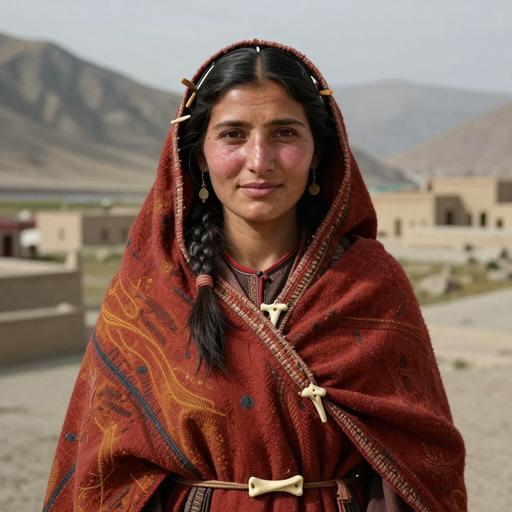
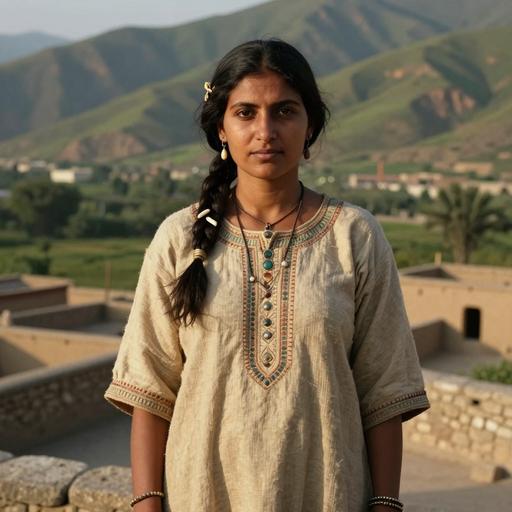
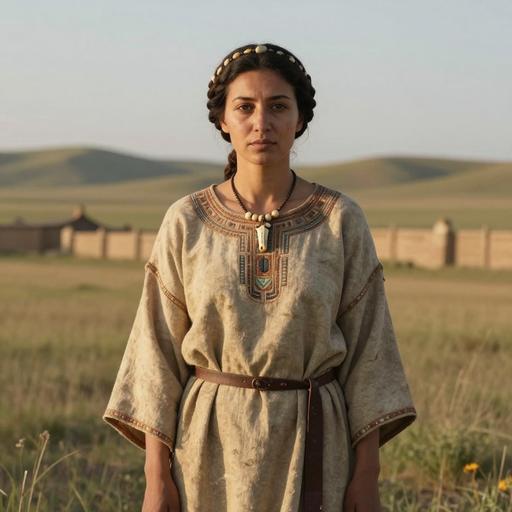
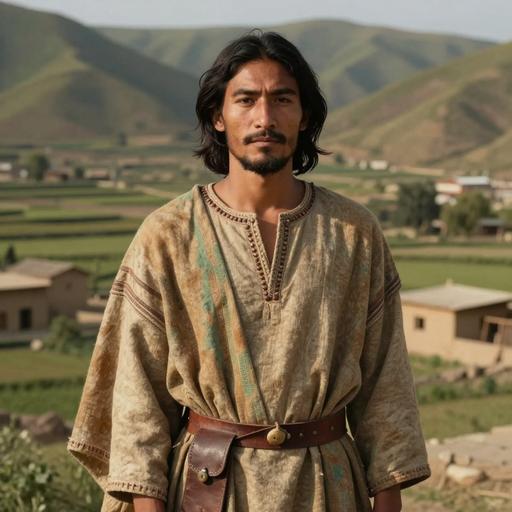
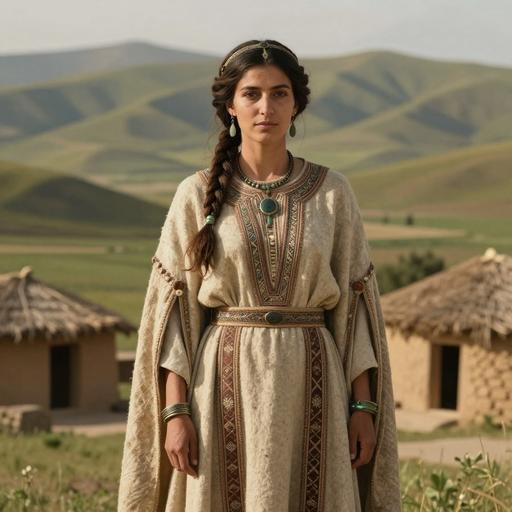
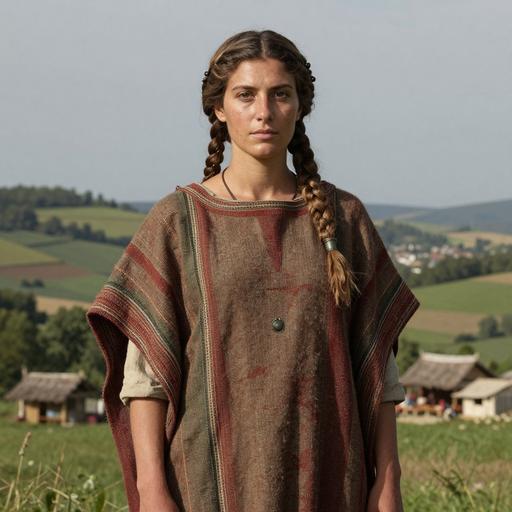
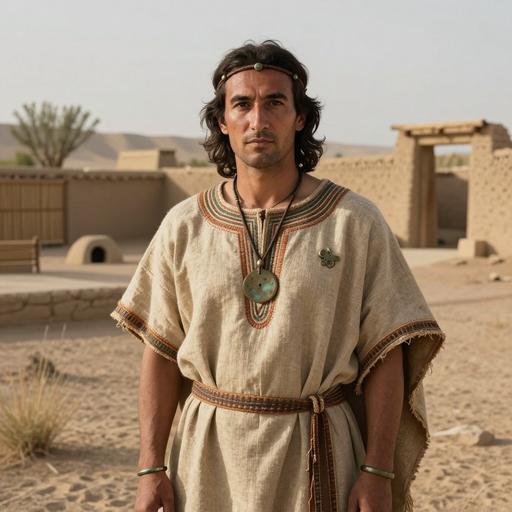
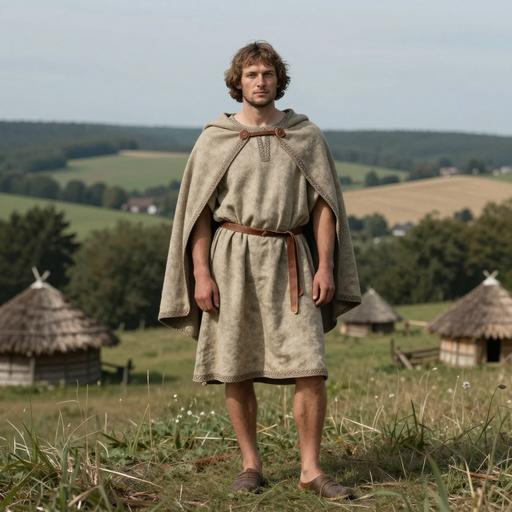
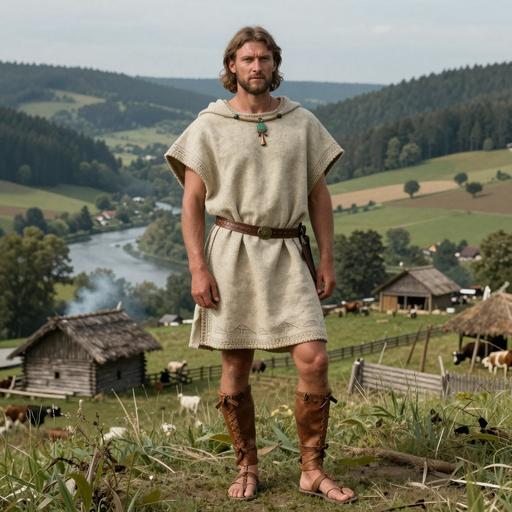
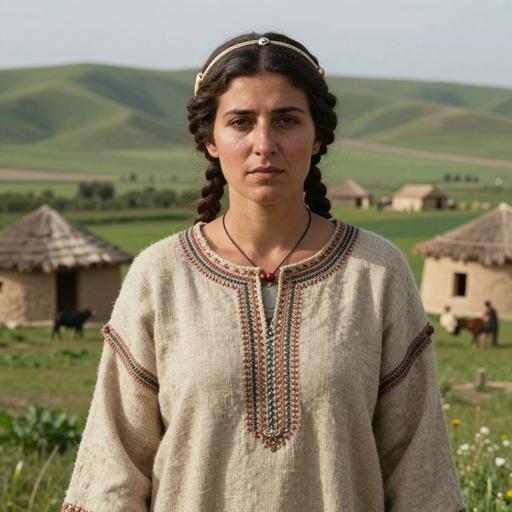
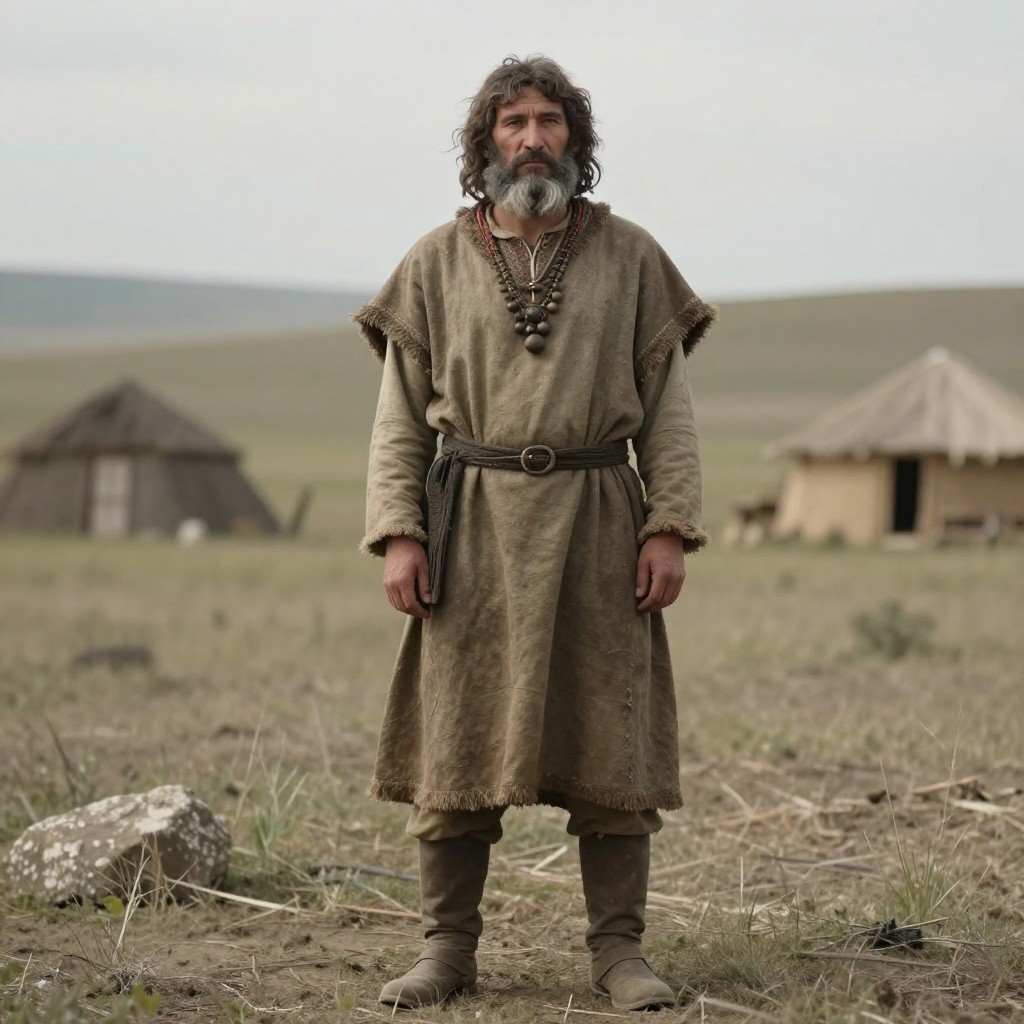
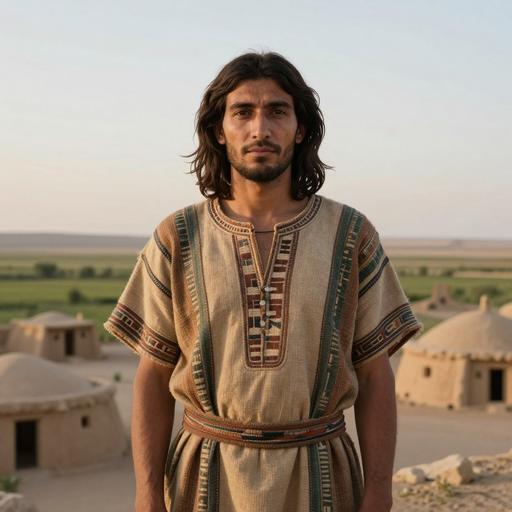
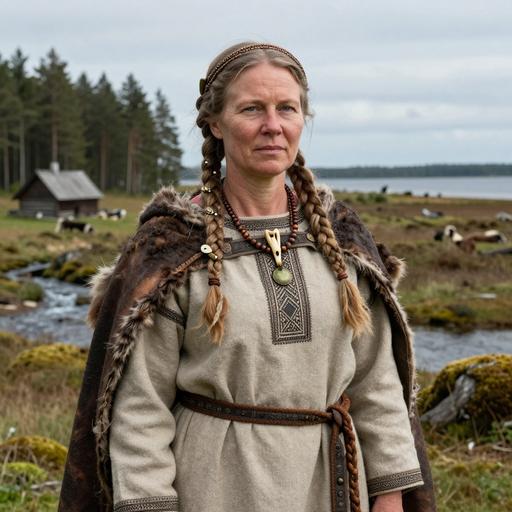
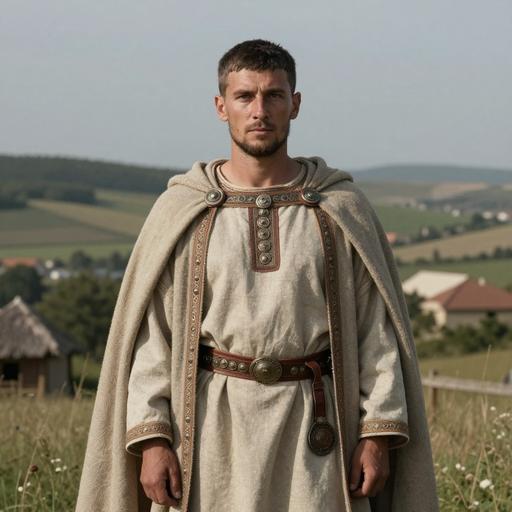
Les portraits sont des illustrations générées par IA. Les libellés d'échantillon et identifiants d'accès désignent les enregistrements de référence.
Portrait
Échantillon
Pays
Époque
Date
Culture
mtDNA
Correspondance
Identifiant d'échantillon : I1636
Armenia
Late Hellenistic Armenia
72 BCE - 60 CE
Late Hellenistic Armenian
W3a1
Direct
Identifiant d'échantillon : C3633
China
Historical Sampula, China
50-250 BCE
Sampula
W3a1
Direct
Identifiant d'échantillon : KNT003
Kazakhstan
Late Iron Age Kazakhstan
100-500 CE
Late Iron Age
W3a1
Direct
Identifiant d'échantillon : BRE011
Kazakhstan
Iron Age Kazakhstan
251-410 calCE (1720±25 BP)
Kazakh Iron Age
W3a1
Direct
Identifiant d'échantillon : I34294
Croatia
Croatia LateAntiquity
300-500 CE
Late Antique
W3a1
Direct
Identifiant d'échantillon : I6574
Turkey
Hellenistic Turkey
129-244 calCE (1840±20 BP, PSUAMS-14612)
Hellenistic Anatolia
W3a1
Direct
Identifiant d'échantillon : MJ-34
Ukraine
Iron Age Western Scythian Culture, Ukraine
386 BCE - 198 BCE
Western Scythian
W3a1
Direct
Identifiant d'échantillon : MJ-34
Ukraine
The Scythian Culture
386 BCE - 198 BCE
W3a1
Direct
Identifiant d'échantillon : KUP004
Hungary
Hungary EarlyAvar
550-700 CE
Early Avar
W3a1
Direct
Identifiant d'échantillon : NUL001
Kazakhstan
Early Iron Age Saka Culture, Kazakhstan
769-485 calBCE (2478±24 BP)
Saka Culture
W3a1
Direct
Identifiant d'échantillon : VK459
Sweden
Sweden Viking
900 CE - 1050 CE
Viking
W3a1
Direct
Identifiant d'échantillon : VK338
Denmark
Denmark Viking
900 CE - 1000 CE
Viking Denmark
W3a1
Direct
Identifiant d'échantillon : VK338
Denmark
The Viking Age
900 CE - 1000 CE
W3a1
Direct
Identifiant d'échantillon : VK459
Sweden
The Viking Age
900 CE - 1050 CE
W3a1
Direct
Identifiant d'échantillon : I12477
Pakistan
The Pakistan Katelai Iron Age Culture
1000-800 BCE
Katelai Culture
W3a1
Direct
Identifiant d'échantillon : I13219
Pakistan
Butkara: Iron Age Religious and Cultural Center in Swat Valley, Pakistan
1000-800 BCE
Butkara Culture
W3a1
Direct
Identifiant d'échantillon : I1994
Pakistan
Udegram Iron Age Fortified Settlement in Swat Valley, Pakistan
Iran The Indus Valley Civilization 2874 BCE - 2630 BCE
W3a1bSous-clade
Identifiant d'échantillon : UNTA89_FK231
Corded Ware Culture, Lech Valley, Germany - Germany - Haunstetten - Unterer Talweg 89
Germany Corded Ware Culture, Lech Valley, Germany 2876-2631 calBCE (4155±23 BP, MAMS-23729)
W3a1cSous-clade
LIGNÉE MATERNELLE · ADN ANTIQUE
Carte des preuves de lignées antiques
Suivez les clades parents jusqu'à cette branche et explorez où des porteurs antiques ont été identifiés.
Chargement des observations antiques…
La réduction des animations est activée. Utilisez la chronologie ou Tout afficher pour explorer à votre rythme.
Lire les observations sous forme de tableau
Observations antiques affichées par branche, période et date médiane
Branche
Période
Plage de dates
Échantillon
Identifiant d'échantillon
Emplacement
Haplogroupe
Relation
Les marqueurs indiquent des lieux de découvertes archéologiques. Un trait pointillé représente une transition géographique proposée et incertaine entre branches consécutives, appuyée sur plusieurs observations datées ; ce n'est pas un itinéraire exact, un lieu de naissance ni une preuve de descendance directe. Des échantillons de clades parents peuvent appartenir à d'autres branches descendantes. Des lacunes subsistent lorsque les preuves sont insuffisantes. Les dates d'échantillon diffèrent des dates de formation des haplogroupes.
Le regroupement par période historique reflète quand chaque individu antique a vécu, en combinant toutes les branches de cette chaîne de lignée ; ce n'est pas une séquence migratoire ni une chronologie personnelle entre périodes.
Profil de référence
Carte de répartition des porteurs
Répartition géographique de 54 échantillons d'ADN ancien (porteurs directs et de sous-clade de W3A1)
Porteur direct Porteur de sous-clade
Filtre de période
Toutes les périodes
Affichage de tous les échantillons
Profil de référence
Répartition temporelle
Répartition des porteurs selon les périodes archéologiques
Profil de référence
Répartition géographique
Effectifs par pays d'échantillon consigné. Ils reflètent la sélection de référence disponible, pas des fréquences de population.
Profil de référence
Répartition pays × époque
Comparez les effectifs d'échantillons consignés selon les pays et les périodes archéologiques. Sélectionnez une cellule renseignée pour examiner un échantillon.
Données
Données et provenance
Informations sur les sources et qualité des données
Dernière mise à jour2026-02-16
Score de confiance50/100
CouvertureLow
Source des données
La classification, les dates estimées et le contexte géographique reflètent les données de référence consignées et peuvent évoluer lorsque les éléments sont révisés. La couverture d'échantillons est inégale ; les lieux consignés et les associations archéologiques n'établissent pas une origine personnelle ni une identité culturelle.