Menu
mtDNA Haplogroup • Maternal Lineage

W3A1

mtDNA Haplogroup W3A1

~8,000 years ago
Near East / South Asia
4 subclades
Scroll to explore
Chapter I

The Story

The journey of mtDNA haplogroup W3A1

Origins and Evolution

mtDNA haplogroup W3A1 is a subclade of W3A, itself nested within the broader haplogroup W, a West Eurasian maternal lineage. Based on its phylogenetic position and the estimated age of W3A (early Holocene, ~9 kya), W3A1 most likely arose in the Near East or adjacent South Asian regions during the early Holocene (roughly 8–9 kya). The topology of W and its subclades indicates diversification associated with post-glacial recolonization of temperate Eurasia and the spread of early farming communities; W3A1 represents one of several geographically widespread but low-frequency branches that record these movements.

Subclades (if applicable)

At present, W3A1 is recognized as a defined terminal or near-terminal branch within W3A in modern sequencing datasets and ancient DNA reports; additional downstream diversity (private mutations and local sub-branches) is observed in population samples from the Caucasus, South Asia, and parts of Eastern Europe. As full mitogenome sampling increases, further subdivision of W3A1 into geographically localized subclades is likely, but currently W3A1 is treated as a coherent sublineage useful for tracing Holocene female-mediated gene flow.

Geographical Distribution

W3A1 has a patchy, low-to-moderate frequency distribution across western and central Eurasia. Modern occurrences are concentrated in:

  • The Caucasus and neighboring Near Eastern populations where frequencies and diversity are relatively higher, consistent with a Near Eastern or adjacent origin.
  • South Asian groups (diverse caste and tribal populations) reflecting either an origin near South Asia or early Holocene gene flow between South Asia and the Near East.
  • Eastern and Northern Europe at low-to-moderate frequencies, consistent with Neolithic farmer spread and later dispersals that mixed Near Eastern maternal lineages into Europe.
  • Central Asia and western China/southern Siberia with low-frequency occurrences, indicating long-distance dispersal and later gene flow across Eurasia.

W3A1 also appears in a modest number of ancient DNA samples (around 30 in the referenced database), providing archaeological context from Neolithic and later Holocene sites across parts of Europe and western Asia.

Historical and Cultural Significance

W3A1 is most informative for reconstructing female-mediated movements during the early Holocene. Its distribution fits scenarios in which maternal lineages originating in or near the Near East spread with early farming (Anatolian/Levantine Neolithic expansions) into Europe and also moved eastward into South and Central Asia. Secondary processes — including Bronze Age mobility (steppe-related and other migrations) and later historical population movements in the Caucasus, Iran and South Asia — redistributed W3A1 further, producing the patchy modern map.

Because W3A1 is not a very high-frequency lineage anywhere, its presence in a population is most valuable when combined with full mitogenome data and archaeological or autosomal context; such joint evidence can help distinguish direct Neolithic ancestry from later, smaller-scale gene flow events.

Conclusion
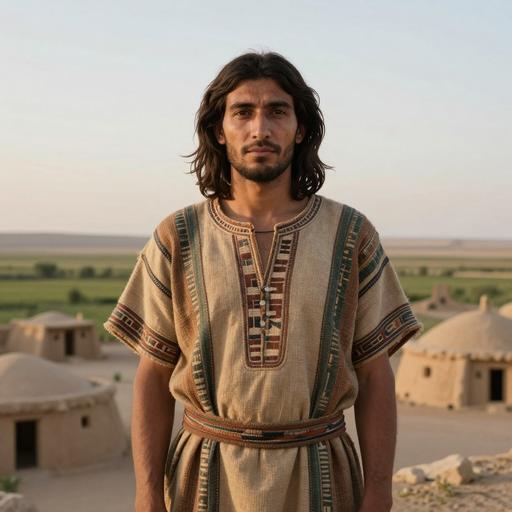
W3A1 is a narrowly distributed but widely dispersed Holocene maternal lineage that captures aspects of post-glacial recolonization and Neolithic expansions from the Near East/South Asia into Europe, the Caucasus and Central Asia. Continued mitogenome sequencing and ancient DNA sampling will refine its internal structure and improve resolution on the timing and routes of its spread, but it already serves as a useful marker for tracing early Holocene female demographic processes across western and central Eurasia.

Key Points

  • Origins and Evolution
  • Subclades (if applicable)
  • Geographical Distribution
  • Historical and Cultural Significance
  • Conclusion
Chapter II

Tree & Relationships

Phylogenetic context and subclades

Evolution Path

This haplogroup's evolutionary journey from its earliest ancestor to the present.

Steps Haplogroup Age Estimate Archaeology Era Time Passed Immediate Descendants Tested Modern Descendants Ancient Connections
1 W3A1 Current ~8,000 years ago 🌾 Neolithic 8,500 years 4 100 0
2 W3A ~9,000 years ago 🌾 Neolithic 9,000 years 1 108 32
3 W3 ~12,000 years ago 🌾 Neolithic 12,000 years 2 126 4
4 W ~20,000 years ago 🏹 Mesolithic 20,000 years 6 419 114
5 N2 ~45,000 years ago 🦴 Paleolithic 45,000 years 2 423 0
6 N ~60,000 years ago 🦴 Paleolithic 60,000 years 15 15,452 13
7 L3 ~70,000 years ago 🦴 Paleolithic 70,000 years 11 17,621 6
8 L ~160,000 years ago 🦴 Paleolithic 160,000 years 7 18,987 5
Chapter III

Where in the World

Geographic distribution and modern presence

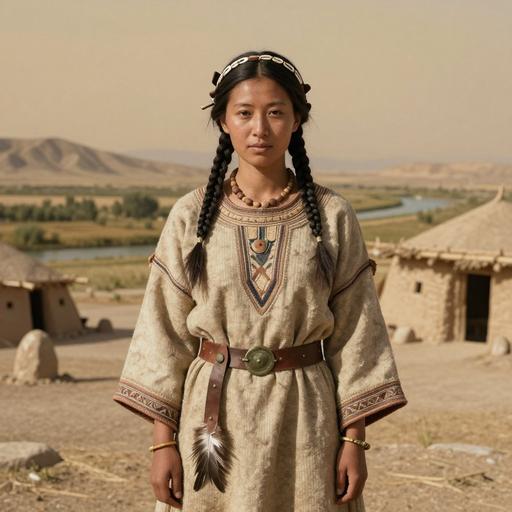
Place of Origin

Near East / South Asia

Modern Distribution

The populations where mtDNA haplogroup W3A1 is found include:

  1. Eastern European populations (e.g., Russians, Ukrainians, Poles)
  2. Northern European populations (e.g., Scandinavians)
  3. South Asian populations (e.g., India, Pakistan — diverse caste and tribal groups)
  4. Caucasus populations (e.g., Armenians, Georgians, Azeris)
  5. Central Asian populations (e.g., Kazakhs, Uzbeks, Tajiks)
  6. Middle Eastern populations (e.g., Iranians, Anatolian Turks)
  7. Western China and southern Siberian groups (low-frequency occurrences, e.g., Uyghurs, Altaians)
  8. Diaspora/admixed populations in Europe and the Near East (low frequency)
CHAPTER IV

When in Time

Your haplogroup in the context of human history

~10k years ago

Neolithic Revolution

Agriculture begins, settled communities form

~8k years ago

Haplogroup W3A1

Your mtDNA haplogroup emerged in Near East / South Asia

Near East / South Asia
~5k years ago

Bronze Age

Metalworking, writing, and early civilizations

~3k years ago

Iron Age

Iron tools, expanded trade networks

~2k years ago

Classical Antiquity

Greek and Roman civilizations flourish

Present

Present Day

Modern era

Your Haplogroup
Historical Era
Chapter IV-B

Linked Cultures

Ancient cultures associated with mtDNA haplogroup W3A1

Cultural Heritage

These ancient cultures have been linked to haplogroup W3A1 based on matching ancient DNA samples from archaeological excavations. The presence of this haplogroup in these cultures provides insights into the migrations and population movements of populations carrying this haplogroup.

Armenian LBA-EIA Bell Beaker Corded Ware Culture Croatian Middle Bronze Age Early Bronze Anatolia Katelai Culture Loebanr Culture Sapalli Singen Culture Tepe Anau Udegram Culture Unetice Zevakinskiy Culture
Culture assignments are based on archaeological context of ancient DNA samples and may represent regional associations during specific time periods.
Chapter V

Sample Catalog

29 direct carriers and 18 subclade carriers of haplogroup W3A1

47 / 47 samples
Portrait Sample Country Era Date Culture mtDNA Match
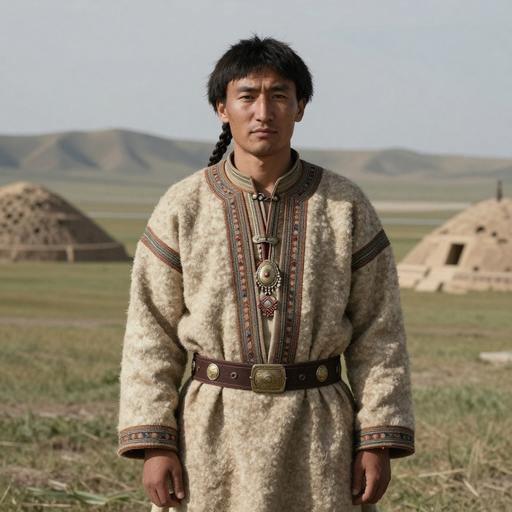
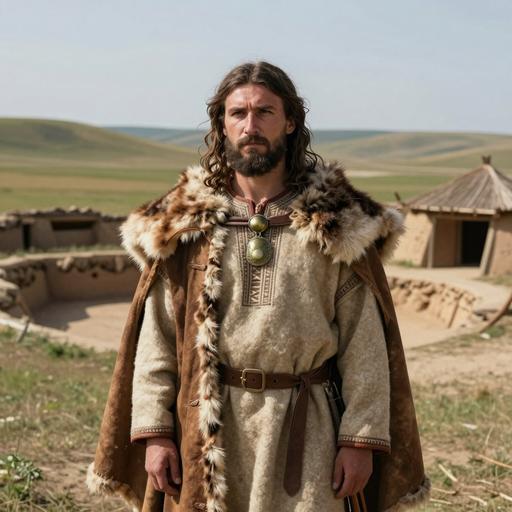
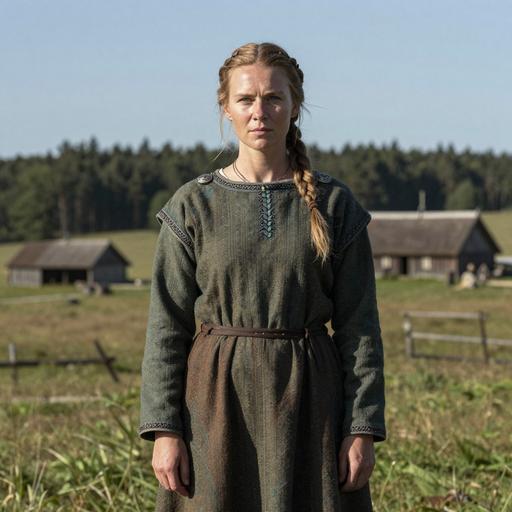
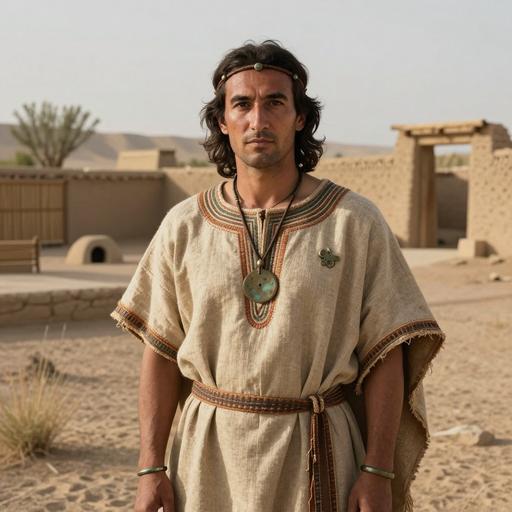
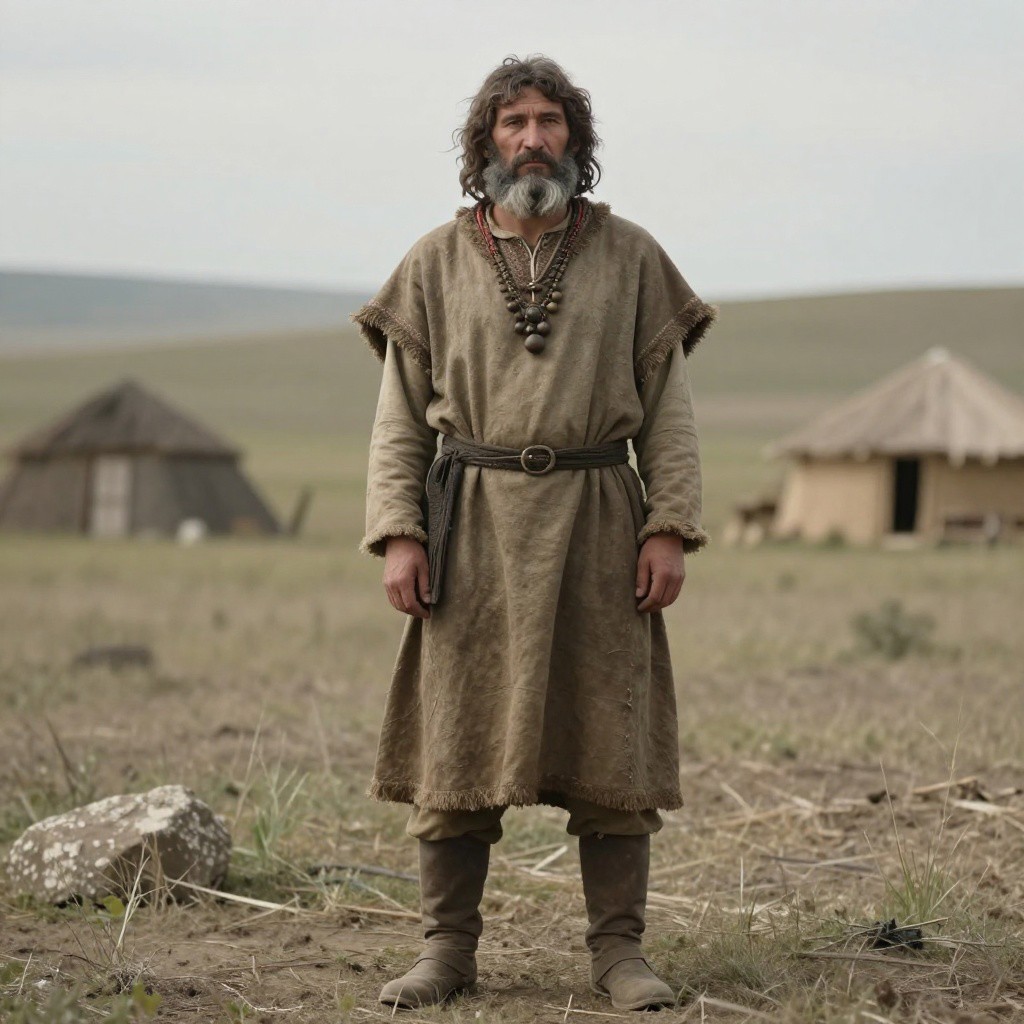
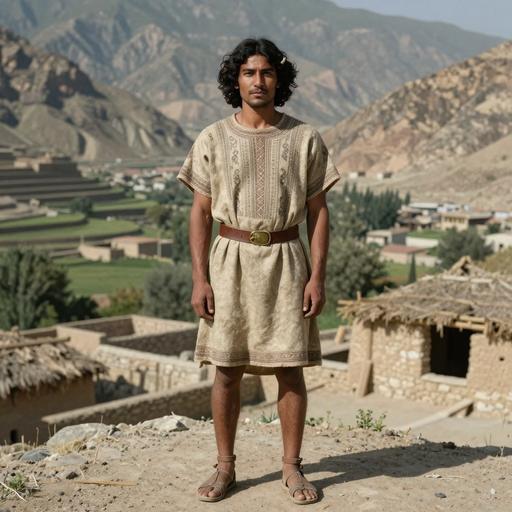
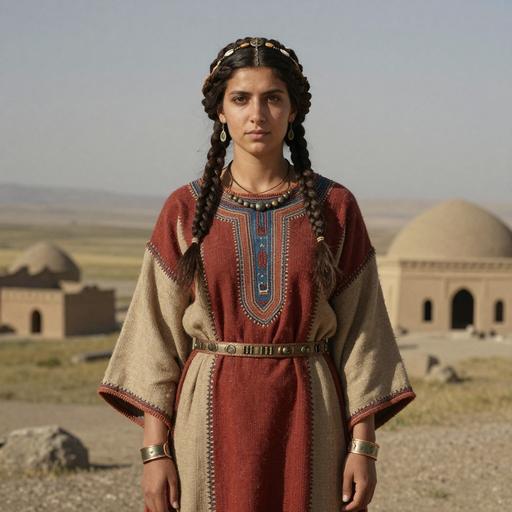
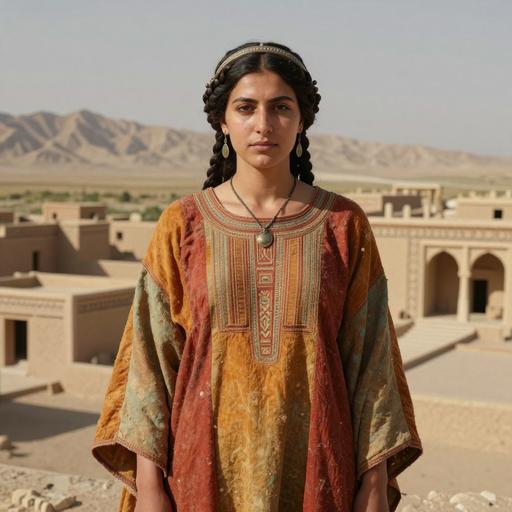
Portrait of ancient individual I1636 from Armenia, dated 72 BCE - 60 CE
I1636
Armenia Late Hellenistic Armenia 72 BCE - 60 CE Late Hellenistic Armenian W3a1 Direct
Portrait of ancient individual C3633 from China, dated 84 CE - 239 CE
C3633
China Historical Sampula, China 84 CE - 239 CE Sampula W3a1 Direct
Portrait of ancient individual KNT003 from Kazakhstan, dated 100 CE - 500 CE
KNT003
Kazakhstan Late Iron Age Kazakhstan 100 CE - 500 CE Late Iron Age W3a1 Direct
Portrait of ancient individual BRE011 from Kazakhstan, dated 251 CE - 410 CE
BRE011
Kazakhstan Iron Age Kazakhstan 251 CE - 410 CE Kazakh Iron Age W3a1 Direct
Portrait of ancient individual I34294 from Croatia, dated 300 CE - 500 CE
I34294
Croatia Late Antique Croatia 300 CE - 500 CE Late Antique W3a1 Direct
Portrait of ancient individual I6574 from Turkey, dated 323 BCE - 31 BCE
I6574
Turkey Hellenistic Turkey 323 BCE - 31 BCE Hellenistic Anatolia W3a1 Direct
Portrait of ancient individual MJ-34 from Ukraine, dated 386 BCE - 198 BCE
MJ-34
Ukraine Iron Age Western Scythian Culture, Ukraine 386 BCE - 198 BCE Western Scythian W3a1 Direct
Portrait of ancient individual MJ-34 from Ukraine, dated 386 BCE - 198 BCE
MJ-34
Ukraine The Scythian Culture 386 BCE - 198 BCE W3a1 Direct
Portrait of ancient individual KUP004 from Hungary, dated 580 CE - 670 CE
KUP004
Hungary Early Avar Period Hungary 580 CE - 670 CE Early Avar W3a1 Direct
Portrait of ancient individual NUL001 from Kazakhstan, dated 769 BCE - 485 BCE
NUL001
Kazakhstan Early Iron Age Saka Culture, Kazakhstan 769 BCE - 485 BCE Saka Culture W3a1 Direct
Chapter VI

Carrier Distribution Map

Geographic distribution of 47 ancient DNA samples (direct and subclade carriers of W3A1)

Direct carrier Subclade carrier
Time Period Filter
All Time Periods
Showing all samples
Chapter VII

Temporal Distribution

Distribution of carriers across archaeological periods

Chapter VIII

Geographic Distribution

Distribution by country of origin (direct and subclade carriers shown by default)

Chapter IX

Country × Era Distribution

Cross-tabulation of carrier countries and archaeological periods (direct and subclade carriers shown by default)

Data

Data & Provenance

Source information and data quality

Last Updated 2026-02-16
Confidence Score 50/100
Coverage Low
Data Source

We use the latest phylotree for MTDNA haplogroup classification and data.