Profil de référence pour une branche de lignée. Des haplogroupes partagés n'établissent pas de lien familial ni d'identité culturelle.
Profil de référence
Contexte de la branche
Contexte historique de la branche de lignée Y-DNA R1B1A1B1A1A2C
Origins and Evolution
Y-DNA haplogroup R1b1a1b1a1a2c is a rare subclade within the broader western Eurasian paternal lineage R1b. Based on its phylogenetic position under R1b1a1b1a1a2, it is best understood as an ancient offshoot that likely arose in West Eurasia during the late Upper Paleolithic or early post-glacial period, roughly 14 kya.
Unlike the major R1b-derived branches that expanded dramatically during the Neolithic and Bronze Age—especially in connection with steppe-mediated demographic processes—this lineage appears to have persisted at low frequency. Its present distribution is therefore more consistent with regional continuity, bottlenecks, and drift than with a single massive founder expansion.
Subclades
As a downstream branch of an already uncommon parent lineage, R1b1a1b1a1a2c likely represents one of several fine-scale internal branches that help reconstruct the deeper structure of western Eurasian R1b diversity. Because it is an intermediate-to-terminal clade, its exact downstream structure may still be incomplete in public phylogenies, and future sequencing could reveal additional sister branches or geographically localized sublineages.
Geographical Distribution
Current evidence and phylogenetic inference suggest a patchy distribution across western and southwestern Eurasia. It may be encountered in:
Atlantic and Western Europe, especially in populations with long-term continuity and strong genetic drift
Iberia, France, the British Isles, and the Low Countries, where many rare R1b lineages persist at low frequencies
Italy and the Balkans, reflecting ancient Mediterranean and southeastern European connections
Anatolia and the Caucasus, where deep West Eurasian paternal lineages are often retained at low frequency
The Levant and North Africa, likely through prehistoric and historic gene flow
Some Central Asian or steppe-related populations, probably as rare introgressed or relict occurrences
Historical and Cultural Significance
Because R1b1a1b1a1a2c is rare, it is not strongly tied to a single well-known archaeological culture in the way that some major Y-DNA clades are. However, its parentage makes it relevant to discussions of West Eurasian hunter-gatherer ancestry, post-glacial population structure, and the complex demographic transformations of the Neolithic and Bronze Age.
It may have been carried by small, localized groups that contributed to the genetic background of later communities associated with Neolithic farmers, Chalcolithic societies, and Bronze Age regional networks. In modern population genetics, such lineages are important because they preserve evidence of deep regional continuity that can be obscured by later large-scale expansions.
Conclusion
R1b1a1b1a1a2c is best interpreted as a rare and ancient western Eurasian paternal lineage within the broader R1b tree. Its value lies less in broad demographic dominance and more in illuminating the fine-scale history of population continuity, drift, and localized survival across West Eurasia.
As additional ancient and modern Y-chromosome data become available, this clade may provide further insight into the pre-Bronze Age structure of R1b and the deep paternal history of Eurasian populations.
Points clés
Origins and Evolution
Subclades
Geographical Distribution
Historical and Cultural Significance
Conclusion
Profil de référence
Arbre et relations
Contexte phylogénétique et sous-clades
Voie évolutive
Suivez les branches parentes consignées jusqu'à R1B1A1B1A1A2C. Les dates sont des estimations et peuvent évoluer lorsque les données de référence sont révisées.
The populations where Y-DNA haplogroup R1b1a1b1a1a2c is found include:
Irish and British populations
French, Iberian, and Low Countries populations
Italian and Balkan populations
Caucasus and Anatolian populations
Levantine and North African populations
Some Central Asian and steppe-related populations
Présence régionale
Western EuropeHigh
Northern EuropeModerate
Southwestern Europe (Iberia)Low
Central EuropeLow
North AfricaLow
Near East / CaucasusLow
North America (diaspora)Low
Southern EuropeLow
Southeastern EuropeLow
North AfricaLow
Central AsiaLow
Contexte historique
Une branche dans le temps
Formation estimée sur une chronologie historique large. Les repères de période servent de contexte et n'impliquent pas de lien avec des cultures particulières.
Il y a ~20k ans
Dernier maximum glaciaire
Apogée de la dernière période glaciaire, populations isolées
Il y a ~14k ans
Haplogroupe R1B1A1B1A1A2C
Formation estimée de cette branche Y-DNA ; les dates et les lieux sont des estimations de référence.
Cette branche
Il y a ~10k ans
Révolution néolithique
Début de l'agriculture et émergence de communautés sédentaires
Il y a ~5k ans
Âge du bronze
Travail des métaux, écriture et premières civilisations
Il y a ~3k ans
Âge du fer
Outils en fer, réseaux d'échanges élargis
Il y a ~2.5k ans
Antiquité classique
Floraison des civilisations grecque et romaine
Aujourd'hui
Aujourd'hui
Époque moderne
Profil de référence
Contexte archéologique
Associations archéologiques consignées pour la branche Y-DNA R1B1A1B1A1A2C
Associations consignées
Ces libellés décrivent des contextes archéologiques consignés pour des échantillons de référence liés à R1B1A1B1A1A2C. Une association n'établit pas que tous les porteurs appartenaient à une culture ni qu'ils ont suivi une route migratoire précise.
1984Bell BeakerBritish ChalcolithicBritish Middle Bronze AgeBritish NeolithicLate Iron Age BritishMiddle Iron Age BritishNorse PaganSicilian Bronze AgeÚnětice CultureViking Culture
Les attributions culturelles reposent sur le contexte archéologique des échantillons d'ADN ancien et peuvent refléter des associations régionales à certaines périodes.
Profil de référence
Catalogue d'échantillons
6 porteurs directs et 94 porteurs de sous-clade de l'haplogroupe R1B1A1B1A1A2C
10 affiché(s) · 50 échantillons correspondants
Aucun échantillon ne correspond à ces filtres. Essayez un autre libellé, lieu ou période.
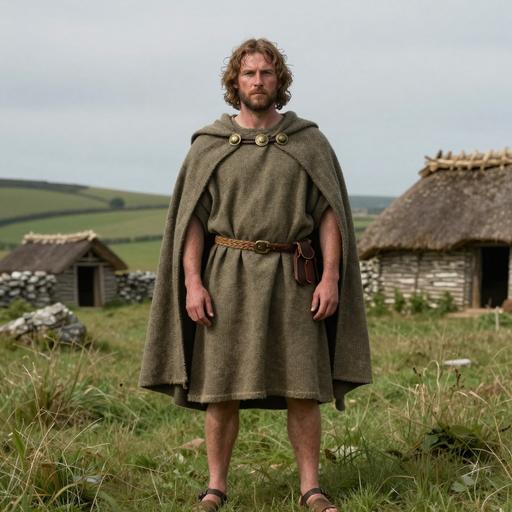
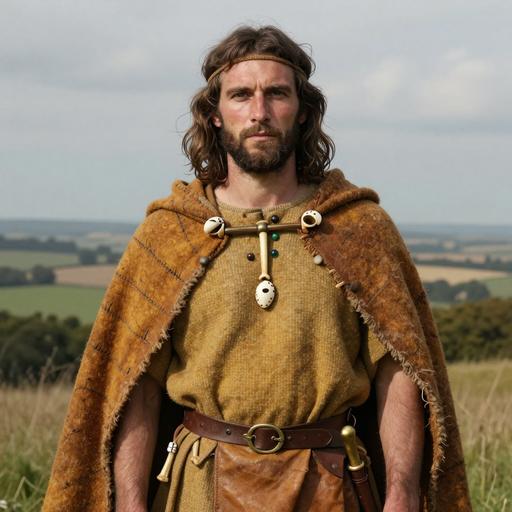
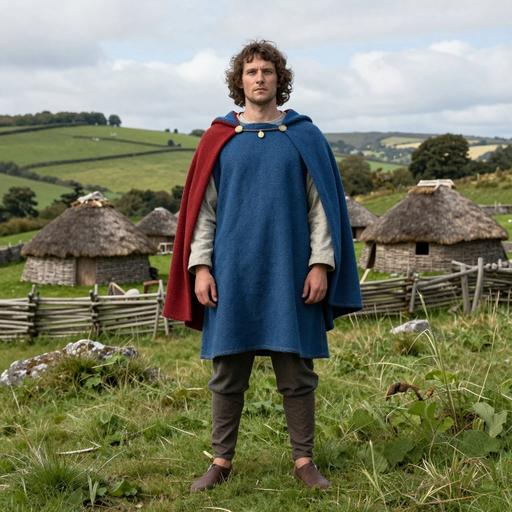
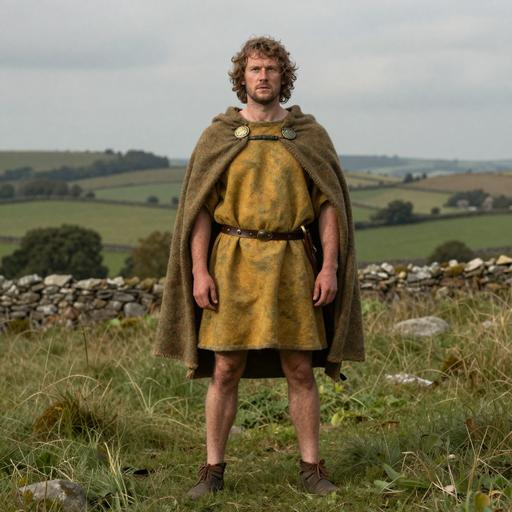
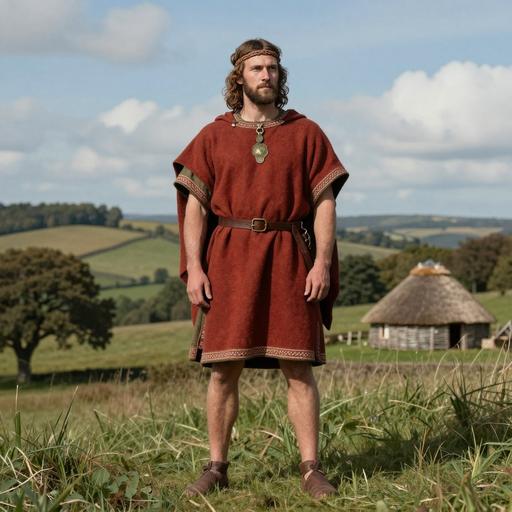
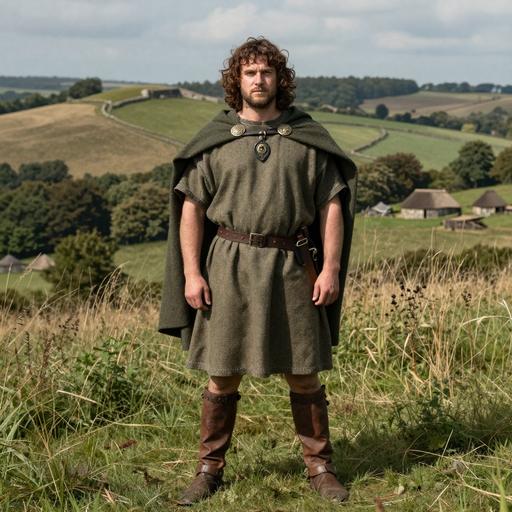
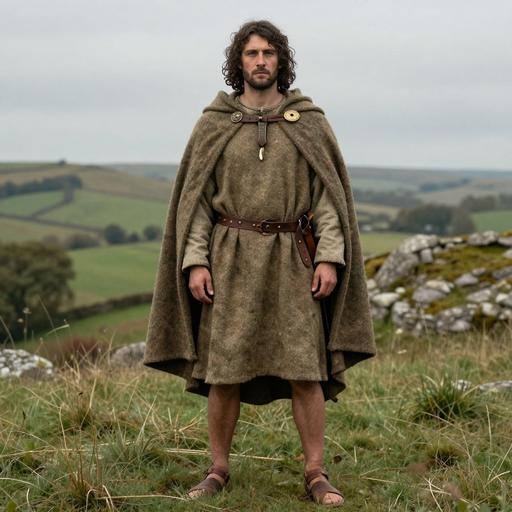
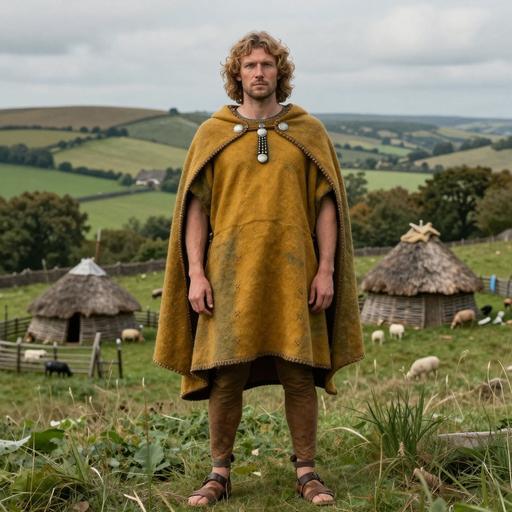
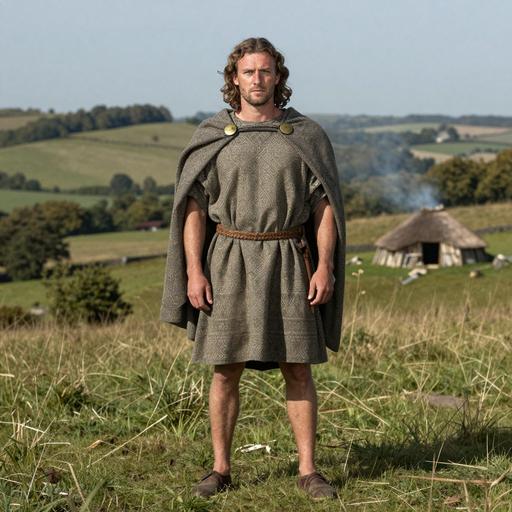
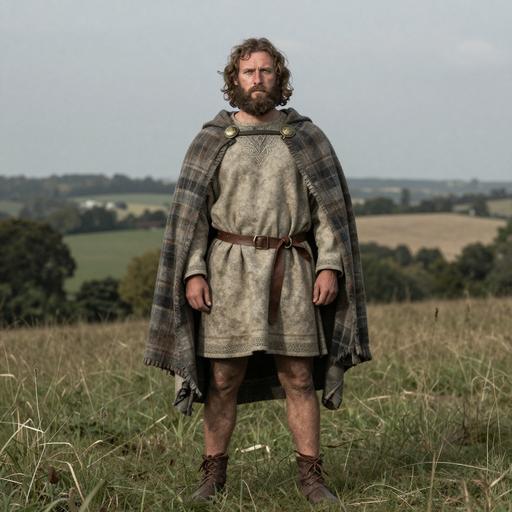
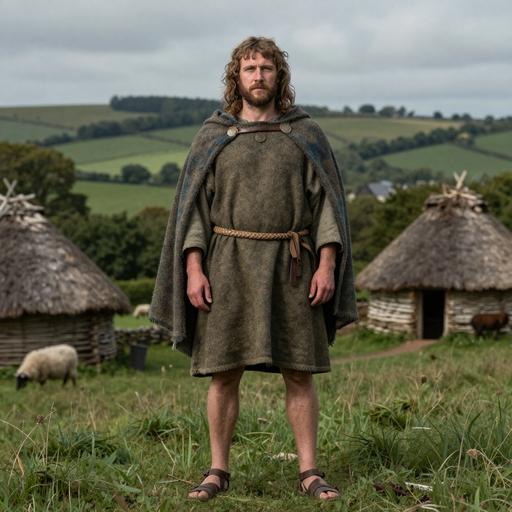
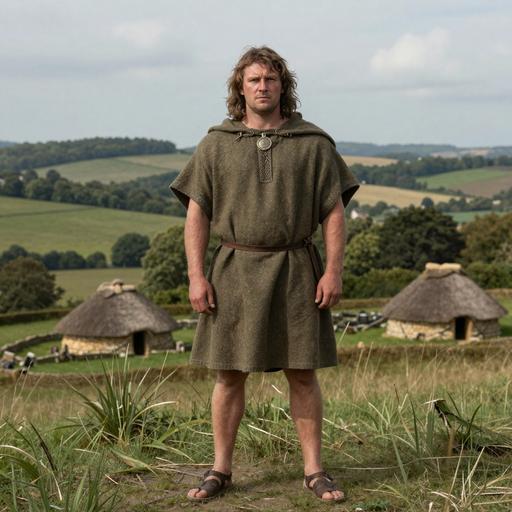
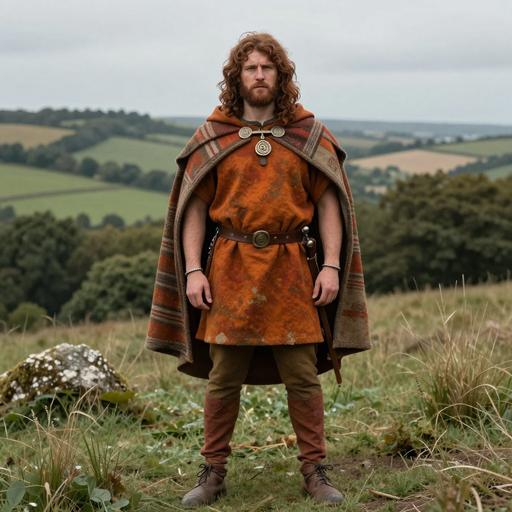
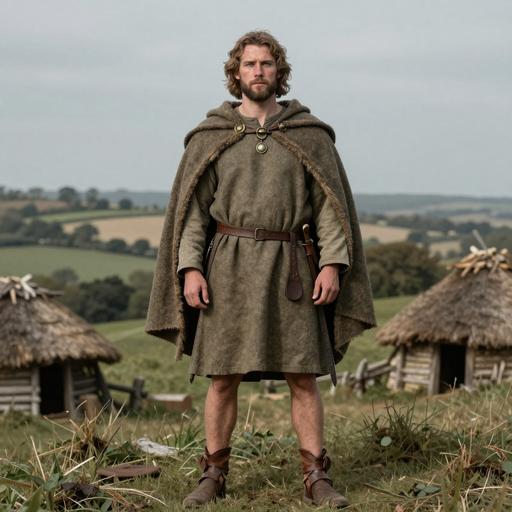
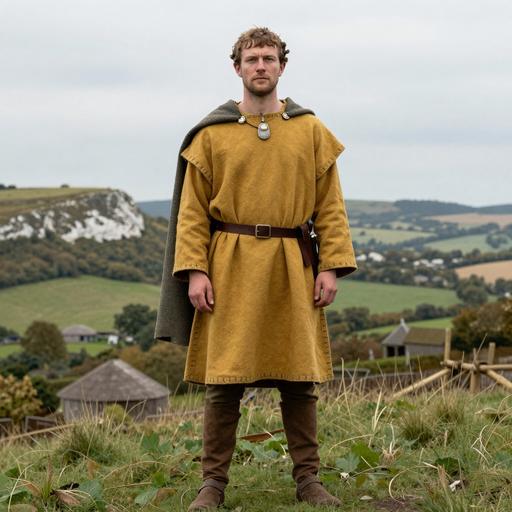
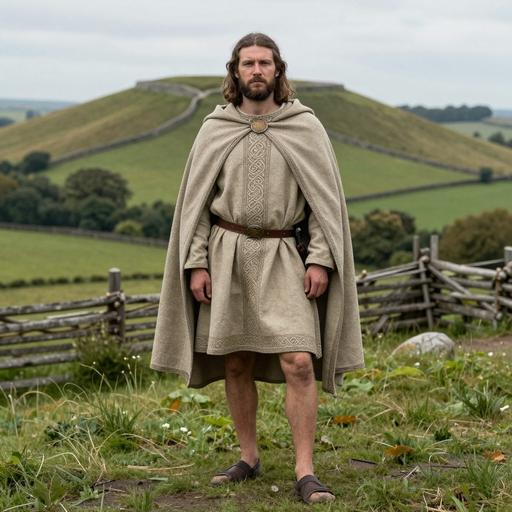
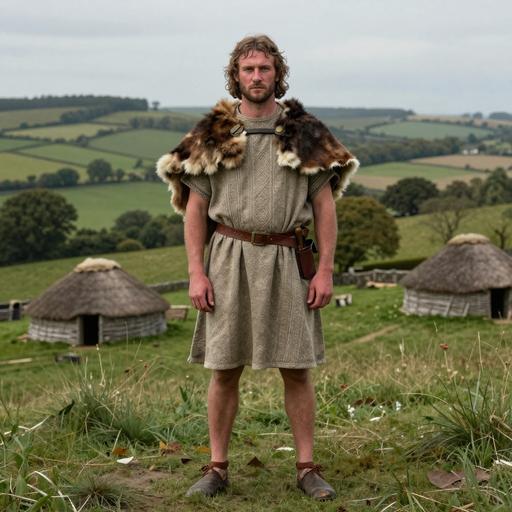
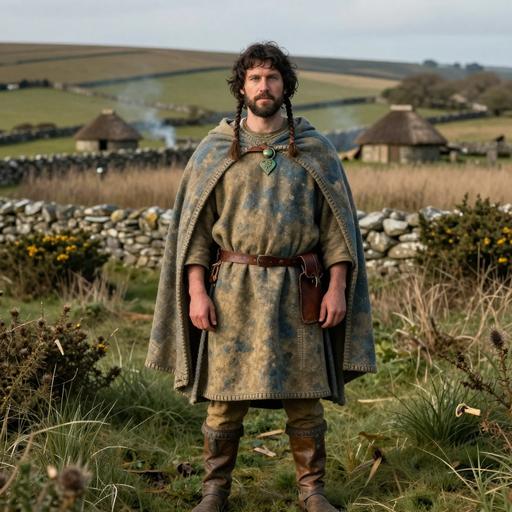
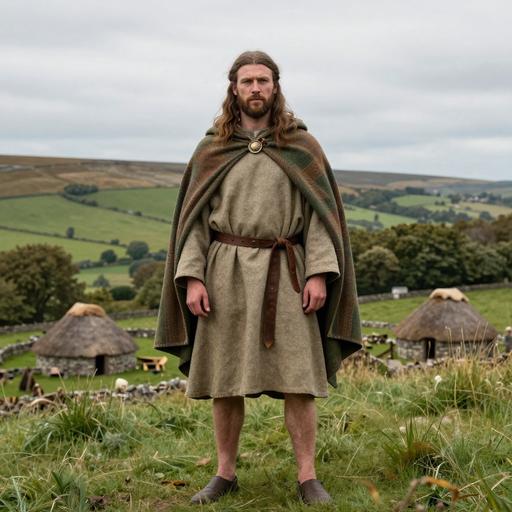
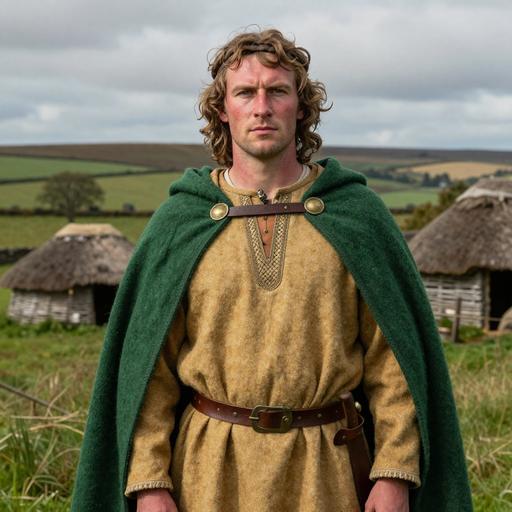
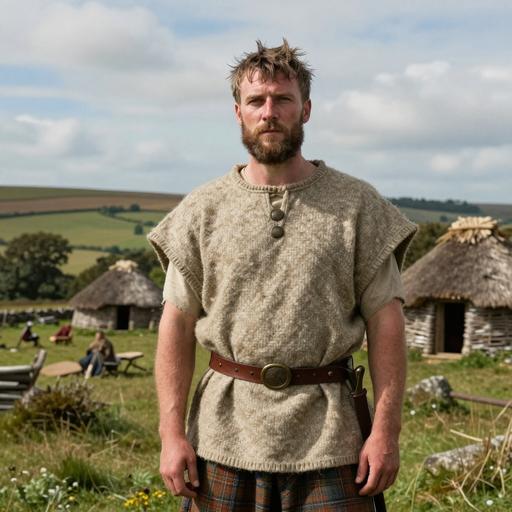
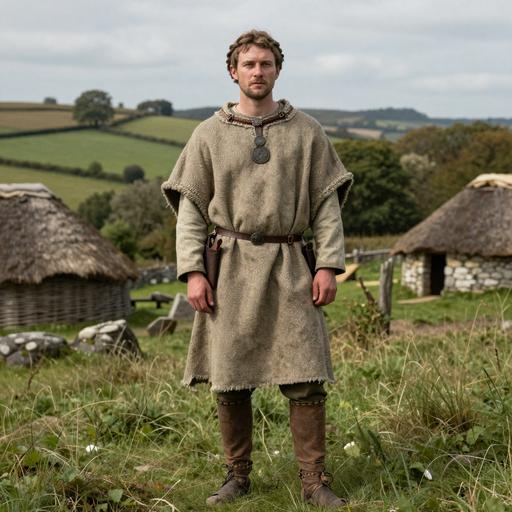
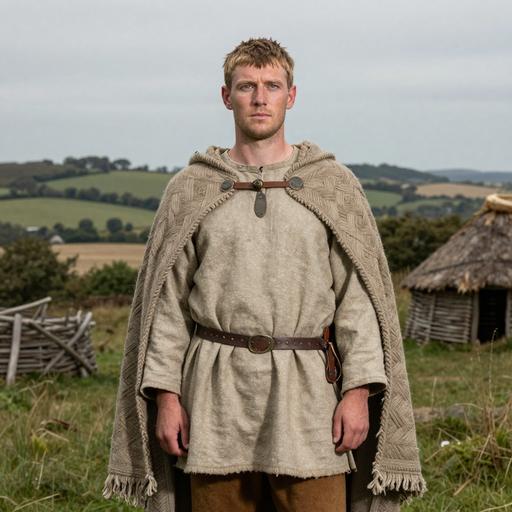
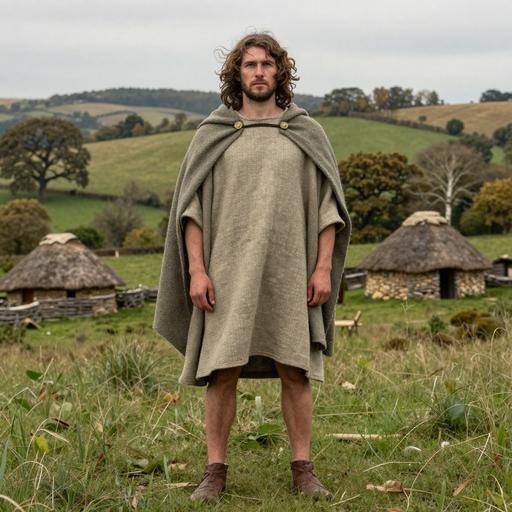
Les portraits sont des illustrations générées par IA. Les libellés d'échantillon et identifiants d'accès désignent les enregistrements de référence.
Middle to Late Iron Age England - United Kingdom - England. Cornwall. Newquay. Trethellan Farm
United Kingdom Middle to Late Iron Age England 300 BCE - 100 CE
R1b1a1b1a1a2cDirect
Identifiant d'échantillon : I16591
Middle Iron Age England - United Kingdom - England. Somerset. Christon. Dibbles Farm
United Kingdom England MIA 408-232 calBCE (2305±27 BP, SUERC-94979)
R1b1a1b1a1a2cDirect
Identifiant d'échantillon : I16454
Middle Bronze Age England - United Kingdom - England. Cornwall. St. Merryn. Constantine Island
United Kingdom England MBA 1381-1056 calBCE (2985±35 BP, SUERC-16818)
R1b1a1b1a1a2cDirect
Identifiant d'échantillon : I2421
Chalcolithic to Early Bronze Age England - United Kingdom - England. Tyne and Wear. Sunderland. Hasting Hill
United Kingdom Chalcolithic to Early Bronze Age England 1935-1751 calBCE (3524±28 BP, OxA-26256)
R1b1a1b1a1a2cDirect
Identifiant d'échantillon : I6774
The Bell Beaker Culture in England - United Kingdom - England. Sussex. Brighton. Ditchling Road
United Kingdom England BellBeaker 2287-2041 calBCE (3760±30 BP, SUERC-74755)
R1b1a1b1a1a2cDirect
Identifiant d'échantillon : I16400
Chalcolithic to Early Bronze Age England - United Kingdom - England. North Yorkshire. Grassington. 3 Barrow Sites
United Kingdom Chalcolithic to Early Bronze Age England 2400-1500 BCE
R1b1a1b1a1a2cDirect
Identifiant d'échantillon : I16504
Iron Age Scotland - United Kingdom - Scotland. East Lothian. Broxmouth
United Kingdom Scotland IA 42 calBCE - 116 calCE (1983±24 BP, SUERC-97411)
R1b1a1b1a1a2c1Sous-clade
Identifiant d'échantillon : I27385
Late Iron Age Scotland - United Kingdom - Scotland. West Lothian. House of Binns
United Kingdom Scotland LIA 43 calBCE - 117 calCE (1984±28 BP, SUERC-50519)
R1b1a1b1a1a2c1Sous-clade
Identifiant d'échantillon : I21302
Late Iron Age England - United Kingdom - England. South Somerset. South Cadbury
United Kingdom England LIA 46 calBCE - 117 calCE (1989±30 BP, SUERC-94994)
R1b1a1b1a1a2c1Sous-clade
Identifiant d'échantillon : I22062
Late Iron Age East Yorkshire, England - United Kingdom - England. East Riding of Yorkshire. Thornholme. Town Pasture
United Kingdom Late Iron Age East Yorkshire, England 50 calBCE - 116 calCE (1997±31 BP, SUERC-52038)
R1b1a1b1a1a2c1Sous-clade
Identifiant d'échantillon : I27384
Late Iron Age Scotland - United Kingdom - Scotland. West Lothian. House of Binns
United Kingdom Scotland LIA 90 calBCE - 110 calCE (2010±30 BP, SUERC-50518)
R1b1a1b1a1a2c1Sous-clade
Identifiant d'échantillon : I14096
Late Iron Age England - United Kingdom - England. North Yorkshire. Scorton Quarry
United Kingdom England LIA 101 calBCE - 59 calCE (2035±22 BP) [R_combine: (2056±30 BP, SUERC-95019), (2013±31 BP, SUERC-52144)]
R1b1a1b1a1a2c1Sous-clade
Identifiant d'échantillon : I0156
Iron Age to Early Roman England - United Kingdom - England. South Cambridgeshire. East Anglia. Hinxton
United Kingdom Iron Age to Early Roman England 149 calBCE - 60 calCE (2039±27 BP, OxA-29573)
R1b1a1b1a1a2c1Sous-clade
Identifiant d'échantillon : I11145
Late Iron Age England - United Kingdom - England. Somerset. North Perrott. North Perrott Manor
United Kingdom England LIA 166 calBCE - 14 calCE (2064±30 BP, SUERC-94969)
R1b1a1b1a1a2c1Sous-clade
Identifiant d'échantillon : I3566
Late Iron Age Scotland - United Kingdom - Scotland. Highland. Applecross
United Kingdom Scotland LIA 170 BCE - 10 BCE
R1b1a1b1a1a2c1Sous-clade
Identifiant d'échantillon : I27379
Late Iron Age England - United Kingdom - England. Sussex. North Bersted
United Kingdom England LIA 174-51 calBCE (2109±17 BP, SUERC-80747)
R1b1a1b1a1a2c1Sous-clade
Identifiant d'échantillon : I11992
Middle to Late Iron Age England - United Kingdom - England. Somerset. Worlebury
United Kingdom Middle to Late Iron Age England 343-50 calBCE (2122±30 BP, SUERC-94963)
R1b1a1b1a1a2c1Sous-clade
Identifiant d'échantillon : I21312
Middle to Late Iron Age England - United Kingdom - England. Wiltshire. Casterley Camp
United Kingdom Middle to Late Iron Age England 343-51 calBCE (2124±27 BP, SUERC-97418)
R1b1a1b1a1a2c1Sous-clade
Identifiant d'échantillon : I11991
Middle to Late Iron Age England - United Kingdom - England. Somerset. Worlebury
United Kingdom Middle to Late Iron Age England 349-50 calBCE (2133±30 BP, SUERC-94962)
R1b1a1b1a1a2c1Sous-clade
Identifiant d'échantillon : I14353
Middle to Late Iron Age England - United Kingdom - England. West Yorkshire. Wattle Syke
United Kingdom Middle to Late Iron Age England 349-51 calBCE (2135±30 BP, SUERC-27295)
R1b1a1b1a1a2c1Sous-clade
Identifiant d'échantillon : I13726
Middle to Late Iron Age England - United Kingdom - England. Somerset. Worlebury
United Kingdom Middle to Late Iron Age England 351-52 calBCE (2141±30 BP, SUERC-94964)
R1b1a1b1a1a2c1Sous-clade
Identifiant d'échantillon : I21309
Middle to Late Iron Age England - United Kingdom - England. Wiltshire. Battlesbury Bowl
United Kingdom Middle to Late Iron Age England 354-57 calBCE (2154±27 BP, SUERC-97431)
R1b1a1b1a1a2c1Sous-clade
Identifiant d'échantillon : I21308
Middle to Late Iron Age England - United Kingdom - England. Wiltshire. Battlesbury Bowl
United Kingdom Middle to Late Iron Age England 356 calBCE - 110 calCE (2083±70 BP, NZA-13631)
R1b1a1b1a1a2c1Sous-clade
Identifiant d'échantillon : I14803
Middle Iron Age England - United Kingdom - England. Oxfordshire. Thame
United Kingdom England MIA 370-175 calBCE (2204±30 BP, SUERC-95011)
R1b1a1b1a1a2c1Sous-clade
Identifiant d'échantillon : I17261
Middle Iron Age England - United Kingdom - England. Hampshire. Middle Wallop. Suddern Farm
United Kingdom England MIA 400-150 BCE
R1b1a1b1a1a2c1Sous-clade
Identifiant d'échantillon : I17016
Middle Iron Age England - United Kingdom - England. Somerset. Christon. Dibbles Farm
United Kingdom England MIA 377-178 calBCE (2210±30 BP, SUERC-94984)
R1b1a1b1a1a2c1Sous-clade
Identifiant d'échantillon : I11151
Middle Iron Age England - United Kingdom - England. Bedfordshire. Broom Quarry
United Kingdom England MIA 379-197 calBCE (2214±27 BP, SUERC-97413)
R1b1a1b1a1a2c1Sous-clade
Identifiant d'échantillon : I11150
Middle Iron Age England - United Kingdom - England. Bedfordshire. Broom Quarry
United Kingdom England MIA 381-197 calBCE (2215±28 BP, SUERC-86441)
R1b1a1b1a1a2c1Sous-clade
Identifiant d'échantillon : I17014
Middle Iron Age England - United Kingdom - England. Somerset. Christon. Dibbles Farm
United Kingdom England MIA 381-179 calBCE (2213±30 BP, SUERC-94982)
R1b1a1b1a1a2c1Sous-clade
Identifiant d'échantillon : I19044
Middle Iron Age England - United Kingdom - England. Cambridgeshire. Marshall's Jaguar Land Rover New Showroom (JLU15)
United Kingdom England MIA 381-199 calBCE (2221±25 BP, SUERC-97424)
R1b1a1b1a1a2c1Sous-clade
Identifiant d'échantillon : I19909
Middle Iron Age England - United Kingdom - England. Kent. East Kent Access Road
United Kingdom England MIA 381-197 calBCE (2215±30 BP, SUERC-40288)
R1b1a1b1a1a2c1Sous-clade
Identifiant d'échantillon : I14800
Middle Iron Age England - United Kingdom - England. Oxfordshire. Thame
United Kingdom England MIA 382-197 calBCE (2216±30 BP, SUERC-95009)
R1b1a1b1a1a2c1Sous-clade
Identifiant d'échantillon : I14380
Middle Iron Age England - United Kingdom - England. Kent. Cliffs End Farm
United Kingdom England MIA 387-203 calBCE (2237±28 BP, OxA-17802)
R1b1a1b1a1a2c1Sous-clade
Identifiant d'échantillon : I19656
Middle Iron Age England - United Kingdom - England. Somerset. Ham Hill
United Kingdom England MIA 387-198 calBCE (2226±30 BP, SUERC-73828)
R1b1a1b1a1a2c1Sous-clade
Identifiant d'échantillon : I20583
Middle Iron Age England - United Kingdom - England. Oxfordshire. Stanton Harcourt. Gravelly Guy
United Kingdom England MIA 387-201 calBCE (2231±30 BP, SUERC-95004)
R1b1a1b1a1a2c1Sous-clade
Identifiant d'échantillon : I20587
Middle Iron Age England - United Kingdom - England. Oxfordshire. Yarnton
United Kingdom England MIA 389-208 calBCE (2250±21 BP, UB-3776)
R1b1a1b1a1a2c1Sous-clade
Identifiant d'échantillon : I13731
Middle Iron Age England - United Kingdom - England. Kent. East Kent Access Road
United Kingdom England MIA 393-206 calBCE (2255±30 BP, SUERC-40302)
R1b1a1b1a1a2c1Sous-clade
Identifiant d'échantillon : I21180
Middle Iron Age England - United Kingdom - England. Oxfordshire. Yarnton
United Kingdom England MIA 396-209 calBCE (2268±20 BP, UB-3922)
R1b1a1b1a1a2c1Sous-clade
Identifiant d'échantillon : I13760
East Yorkshire Iron Age - United Kingdom - England. East Riding of Yorkshire. Pocklington (Burnby Lane)
United Kingdom East Yorkshire Iron Age 400-50 BCE
R1b1a1b1a1a2c1Sous-clade
Identifiant d'échantillon : I14102
East Yorkshire Iron Age - United Kingdom - England. East Riding of Yorkshire. Pocklington (Burnby Lane)
United Kingdom East Yorkshire Iron Age 400-50 BCE
R1b1a1b1a1a2c1Sous-clade
Identifiant d'échantillon : I14104
East Yorkshire Iron Age - United Kingdom - England. East Riding of Yorkshire. Pocklington (Burnby Lane)
United Kingdom East Yorkshire Iron Age 400-50 BCE
R1b1a1b1a1a2c1Sous-clade
Identifiant d'échantillon : I5505
East Yorkshire Iron Age - United Kingdom - England. East Riding of Yorkshire. Pocklington (Burnby Lane)
United Kingdom East Yorkshire Iron Age 389-203 calBCE (2239±29 BP, SUERC-96434)
R1b1a1b1a1a2c1Sous-clade
Identifiant d'échantillon : I5508
East Yorkshire Iron Age - United Kingdom - England. East Riding of Yorkshire. Pocklington (Burnby Lane)
United Kingdom East Yorkshire Iron Age 250-1 BCE
R1b1a1b1a1a2c1Sous-clade
Identifiant d'échantillon : I13615
Middle Iron Age England - United Kingdom - England. Kent. East Kent Access Road
United Kingdom England MIA 388-206 calBCE (2243±25 BP, SUERC-132755)
R1b1a1b1a1a2c1Sous-clade
Identifiant d'échantillon : I19211
Middle Iron Age England - United Kingdom - England. Oxfordshire. Yarnton
United Kingdom England MIA 400-200 BCE
R1b1a1b1a1a2c1Sous-clade
Identifiant d'échantillon : I19911
Middle Iron Age England - United Kingdom - England. Kent. East Kent Access Road
United Kingdom England MIA 400-200 BCE
R1b1a1b1a1a2c1Sous-clade
Identifiant d'échantillon : I20586
Middle Iron Age England - United Kingdom - England. Oxfordshire. Yarnton
United Kingdom England MIA 400-200 BCE
R1b1a1b1a1a2c1Sous-clade
Identifiant d'échantillon : I21182
Middle Iron Age England - United Kingdom - England. Oxfordshire. Yarnton
United Kingdom England MIA 400-200 BCE
R1b1a1b1a1a2c1Sous-clade
Identifiant d'échantillon : I12793
Middle to Late Iron Age England - United Kingdom - England. Cornwall. Newquay. Tregunnel
United Kingdom Middle to Late Iron Age England 400-100 BCE
R1b1a1b1a1a2c1Sous-clade
Identifiant d'échantillon : I12926
Middle to Late Iron Age England - United Kingdom - England. Gloucestershire. Fairford. Saxon Way
United Kingdom Middle to Late Iron Age England 400-100 BCE
R1b1a1b1a1a2c1Sous-clade
LIGNÉE PATERNELLE · ADN ANTIQUE
Carte des preuves de lignées antiques
Suivez les clades parents jusqu'à cette branche et explorez où des porteurs antiques ont été identifiés.
Chargement des observations antiques…
La réduction des animations est activée. Utilisez la chronologie ou Tout afficher pour explorer à votre rythme.
Lire les observations sous forme de tableau
Observations antiques affichées par branche, période et date médiane
Branche
Période
Plage de dates
Échantillon
Identifiant d'échantillon
Emplacement
Haplogroupe
Relation
Les marqueurs indiquent des lieux de découvertes archéologiques. Un trait pointillé représente une transition géographique proposée et incertaine entre branches consécutives, appuyée sur plusieurs observations datées ; ce n'est pas un itinéraire exact, un lieu de naissance ni une preuve de descendance directe. Des échantillons de clades parents peuvent appartenir à d'autres branches descendantes. Des lacunes subsistent lorsque les preuves sont insuffisantes. Les dates d'échantillon diffèrent des dates de formation des haplogroupes.
Le regroupement par période historique reflète quand chaque individu antique a vécu, en combinant toutes les branches de cette chaîne de lignée ; ce n'est pas une séquence migratoire ni une chronologie personnelle entre périodes.
Profil de référence
Carte de répartition des porteurs
Répartition géographique de 100 échantillons d'ADN ancien (porteurs directs et de sous-clade de R1B1A1B1A1A2C)
Porteur direct Porteur de sous-clade
Filtre de période
Toutes les périodes
Affichage de tous les échantillons
Profil de référence
Répartition temporelle
Répartition des porteurs selon les périodes archéologiques
Profil de référence
Répartition géographique
Effectifs par pays d'échantillon consigné. Ils reflètent la sélection de référence disponible, pas des fréquences de population.
Profil de référence
Répartition pays × époque
Comparez les effectifs d'échantillons consignés selon les pays et les périodes archéologiques. Sélectionnez une cellule renseignée pour examiner un échantillon.
Données
Données et provenance
Informations sur les sources et qualité des données
Dernière mise à jour2026-06-17
Score de confiance50/100
CouvertureLow
Source des données
La classification, les dates estimées et le contexte géographique reflètent les données de référence consignées et peuvent évoluer lorsque les éléments sont révisés. La couverture d'échantillons est inégale ; les lieux consignés et les associations archéologiques n'établissent pas une origine personnelle ni une identité culturelle.