A reference profile for one lineage branch. Shared haplogroups do not establish a family relationship or cultural identity.
Reference profile
Branch background
Historical context for Y-DNA lineage branch R1B1A1B1A1A2C
Origins and Evolution
Y-DNA haplogroup R1b1a1b1a1a2c is a rare subclade within the broader western Eurasian paternal lineage R1b. Based on its phylogenetic position under R1b1a1b1a1a2, it is best understood as an ancient offshoot that likely arose in West Eurasia during the late Upper Paleolithic or early post-glacial period, roughly 14 kya.
Unlike the major R1b-derived branches that expanded dramatically during the Neolithic and Bronze Age—especially in connection with steppe-mediated demographic processes—this lineage appears to have persisted at low frequency. Its present distribution is therefore more consistent with regional continuity, bottlenecks, and drift than with a single massive founder expansion.
Subclades
As a downstream branch of an already uncommon parent lineage, R1b1a1b1a1a2c likely represents one of several fine-scale internal branches that help reconstruct the deeper structure of western Eurasian R1b diversity. Because it is an intermediate-to-terminal clade, its exact downstream structure may still be incomplete in public phylogenies, and future sequencing could reveal additional sister branches or geographically localized sublineages.
Geographical Distribution
Current evidence and phylogenetic inference suggest a patchy distribution across western and southwestern Eurasia. It may be encountered in:
Atlantic and Western Europe, especially in populations with long-term continuity and strong genetic drift
Iberia, France, the British Isles, and the Low Countries, where many rare R1b lineages persist at low frequencies
Italy and the Balkans, reflecting ancient Mediterranean and southeastern European connections
Anatolia and the Caucasus, where deep West Eurasian paternal lineages are often retained at low frequency
The Levant and North Africa, likely through prehistoric and historic gene flow
Some Central Asian or steppe-related populations, probably as rare introgressed or relict occurrences
Historical and Cultural Significance
Because R1b1a1b1a1a2c is rare, it is not strongly tied to a single well-known archaeological culture in the way that some major Y-DNA clades are. However, its parentage makes it relevant to discussions of West Eurasian hunter-gatherer ancestry, post-glacial population structure, and the complex demographic transformations of the Neolithic and Bronze Age.
It may have been carried by small, localized groups that contributed to the genetic background of later communities associated with Neolithic farmers, Chalcolithic societies, and Bronze Age regional networks. In modern population genetics, such lineages are important because they preserve evidence of deep regional continuity that can be obscured by later large-scale expansions.
Conclusion
R1b1a1b1a1a2c is best interpreted as a rare and ancient western Eurasian paternal lineage within the broader R1b tree. Its value lies less in broad demographic dominance and more in illuminating the fine-scale history of population continuity, drift, and localized survival across West Eurasia.
As additional ancient and modern Y-chromosome data become available, this clade may provide further insight into the pre-Bronze Age structure of R1b and the deep paternal history of Eurasian populations.
Key Points
Origins and Evolution
Subclades
Geographical Distribution
Historical and Cultural Significance
Conclusion
Reference profile
Tree & Relationships
Phylogenetic context and subclades
Evolution Path
Follow the recorded parent branches toward R1B1A1B1A1A2C. Dates are estimates and can change as reference data is revised.
The populations where Y-DNA haplogroup R1b1a1b1a1a2c is found include:
Irish and British populations
French, Iberian, and Low Countries populations
Italian and Balkan populations
Caucasus and Anatolian populations
Levantine and North African populations
Some Central Asian and steppe-related populations
Regional Presence
Western EuropeHigh
Northern EuropeModerate
Southwestern Europe (Iberia)Low
Central EuropeLow
North AfricaLow
Near East / CaucasusLow
North America (diaspora)Low
Southern EuropeLow
Southeastern EuropeLow
North AfricaLow
Central AsiaLow
Historical context
A branch through time
Estimated formation in a broad historical timeline. Period markers provide context and do not imply a connection with particular cultures.
~20k years ago
Last Glacial Maximum
Peak of the last ice age, populations isolated
~14k years ago
Haplogroup R1B1A1B1A1A2C
Estimated formation of this Y-DNA branch; dates and locations are reference estimates.
This branch
~10k years ago
Neolithic Revolution
Agriculture begins, settled communities form
~5k years ago
Bronze Age
Metalworking, writing, and early civilizations
~3k years ago
Iron Age
Iron tools, expanded trade networks
~2.5k years ago
Classical Antiquity
Greek and Roman civilizations flourish
Present
Present Day
Modern era
Reference profile
Archaeological context
Recorded archaeological associations for Y-DNA branch R1B1A1B1A1A2C
Recorded associations
These labels describe archaeological contexts recorded for reference samples linked to R1B1A1B1A1A2C. An association does not establish that all carriers belonged to a culture or followed a particular migration route.
1984Bell BeakerBritish ChalcolithicBritish Middle Bronze AgeBritish NeolithicLate Iron Age BritishMiddle Iron Age BritishNorse PaganSicilian Bronze AgeÚnětice CultureViking Culture
Culture assignments are based on archaeological context of ancient DNA samples and may represent regional associations during specific time periods.
Reference profile
Sample Catalog
6 direct carriers and 94 subclade carriers of haplogroup R1B1A1B1A1A2C
10 shown · 50 matching samples
No samples match these filters. Try another label, location or period.
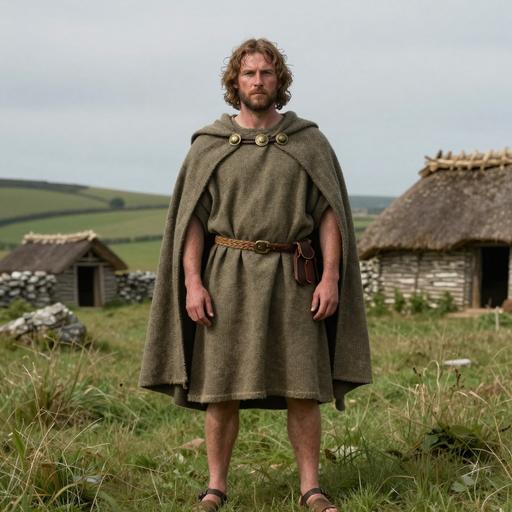
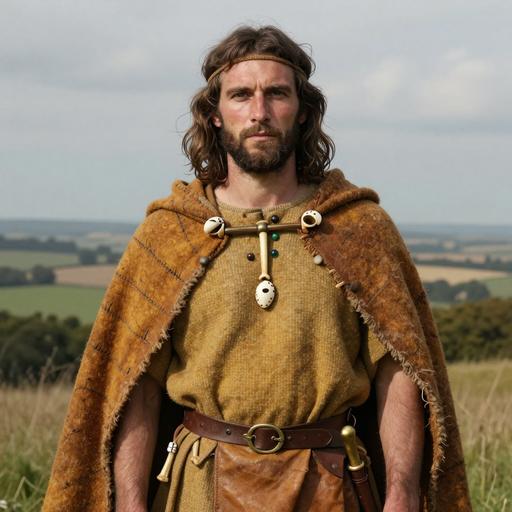
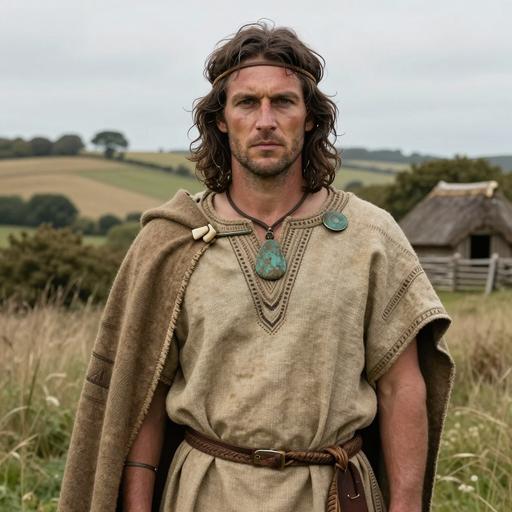
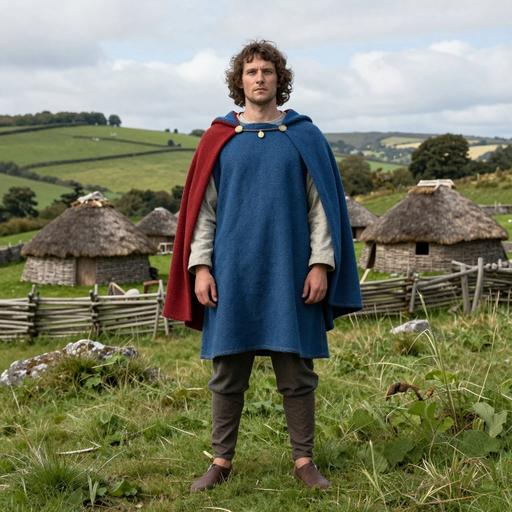
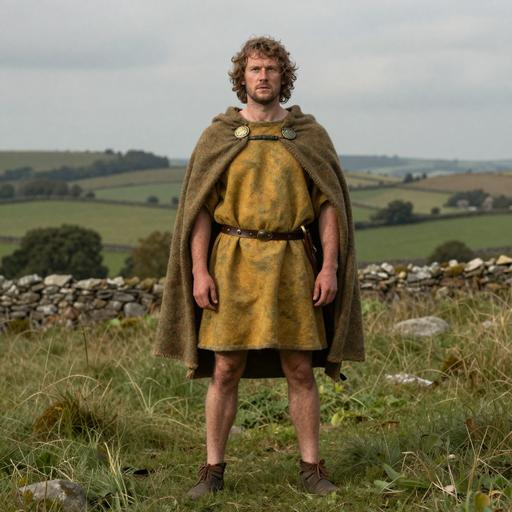
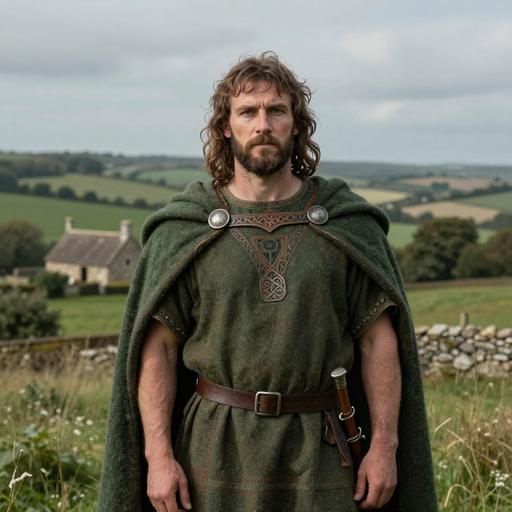
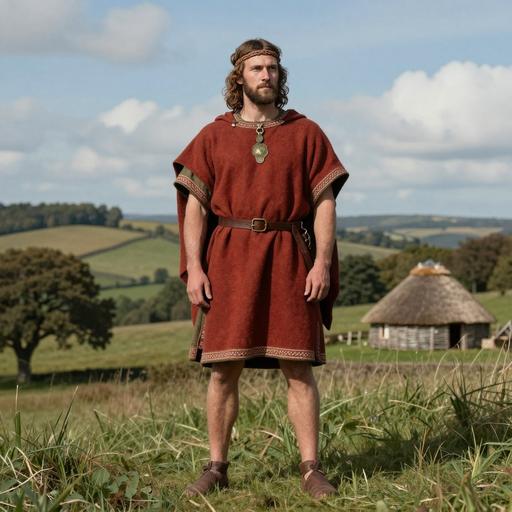
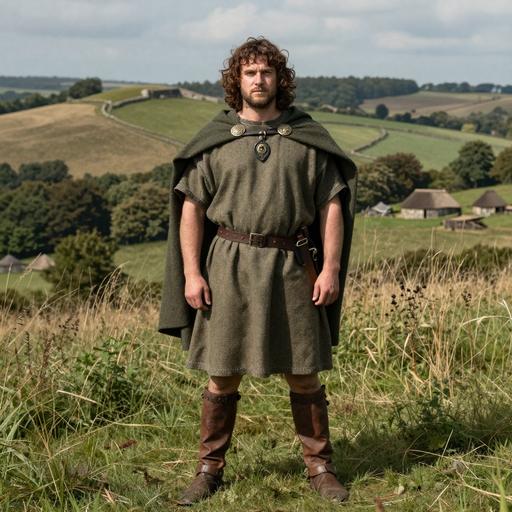
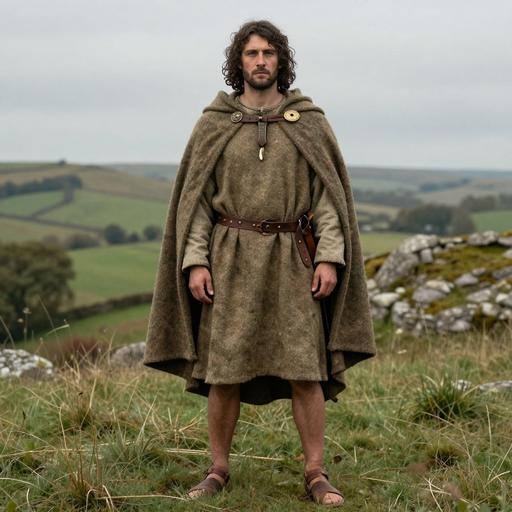
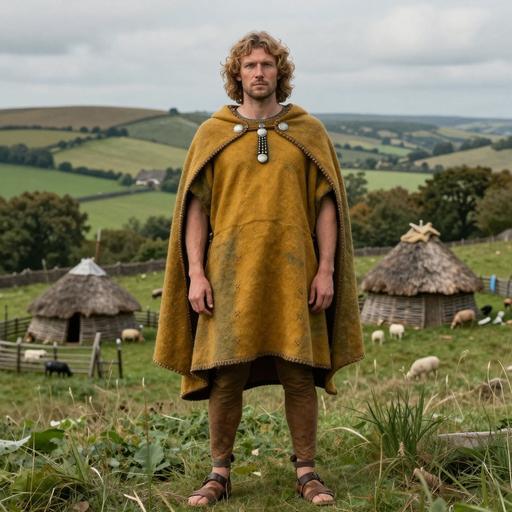
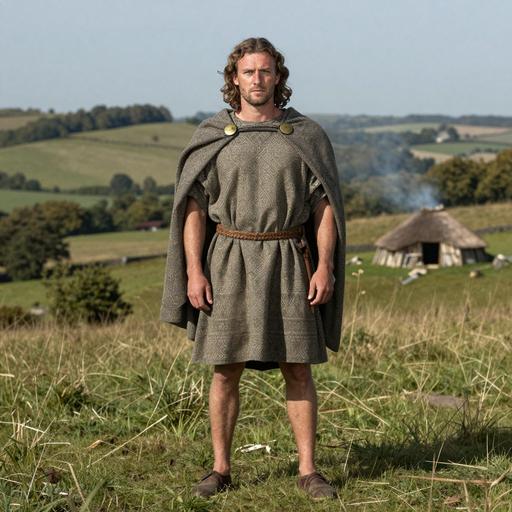
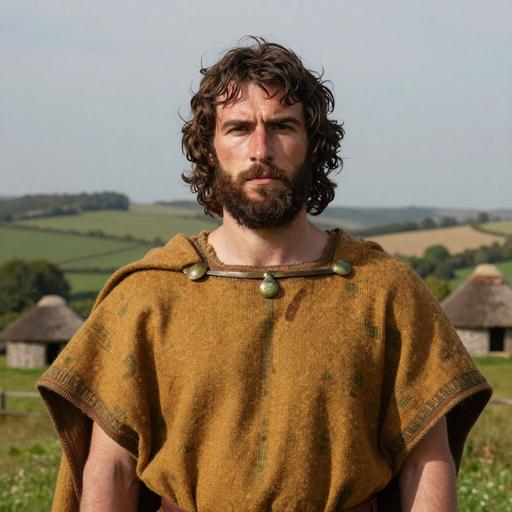
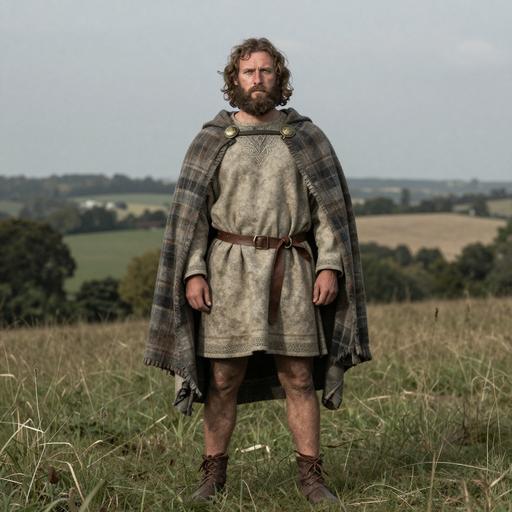
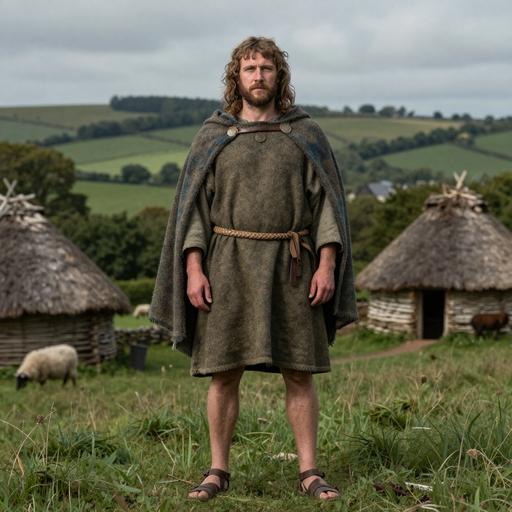
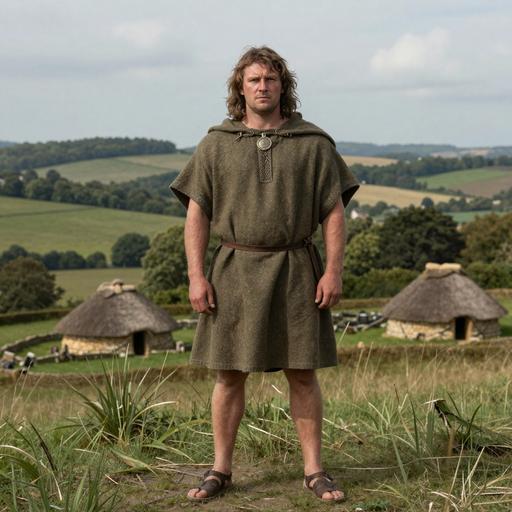
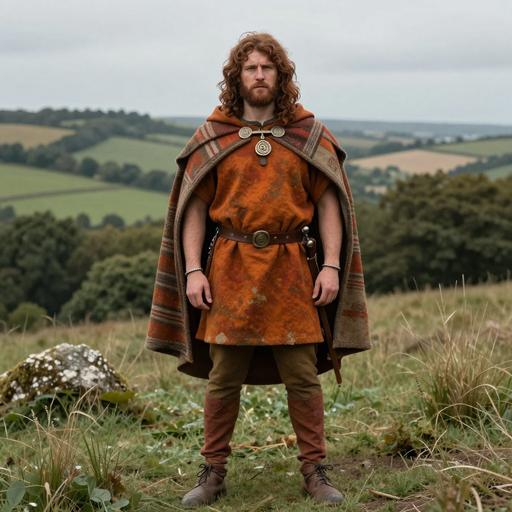
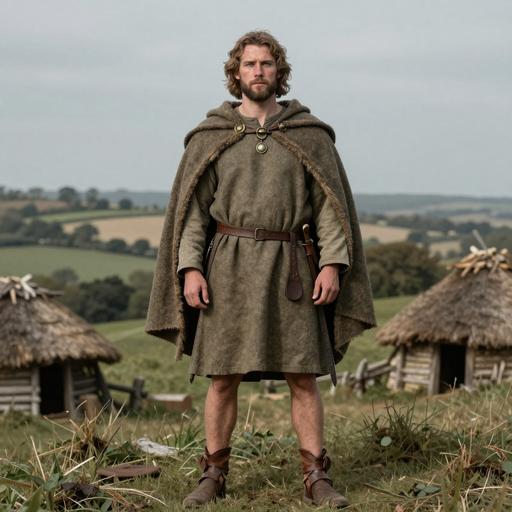
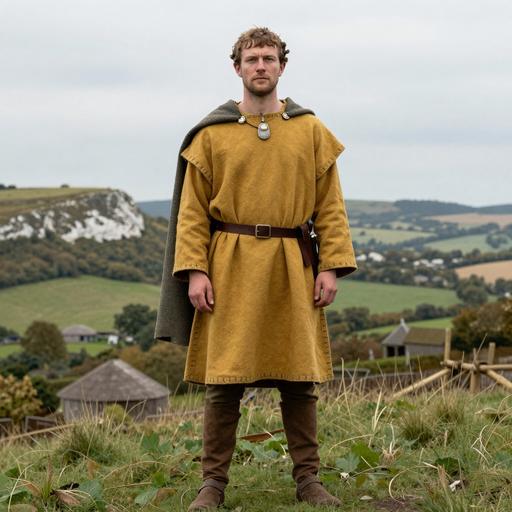
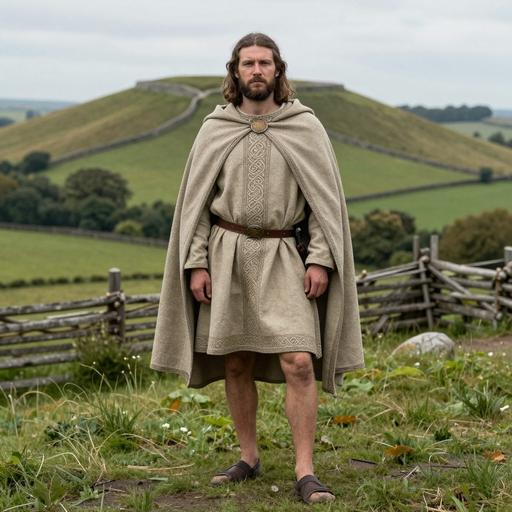
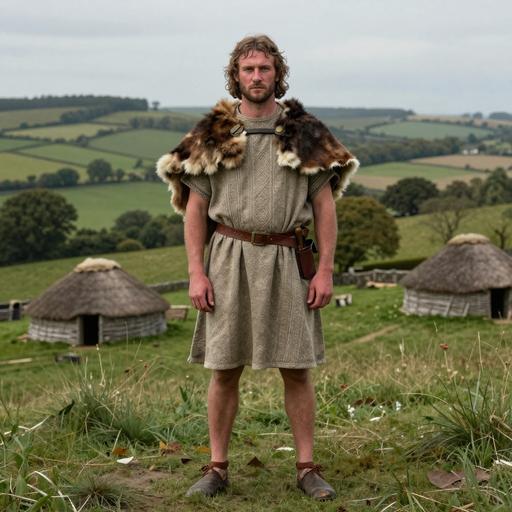
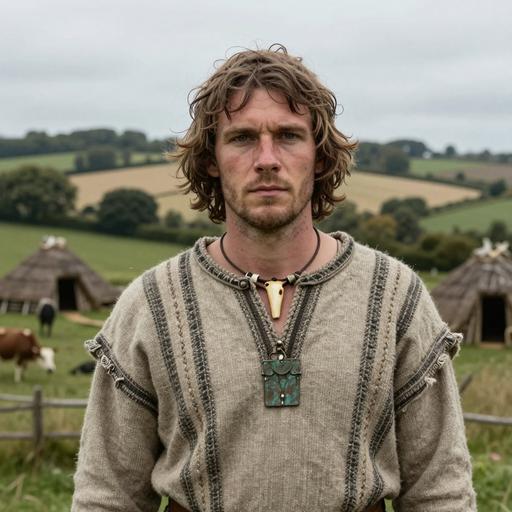
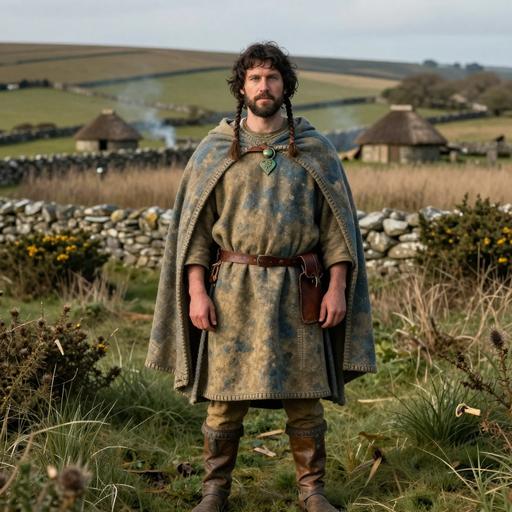
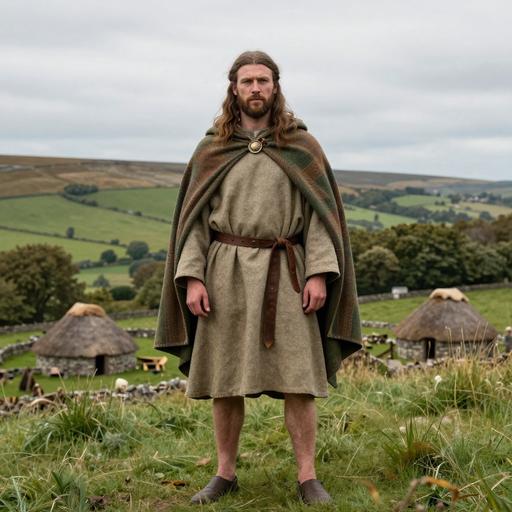
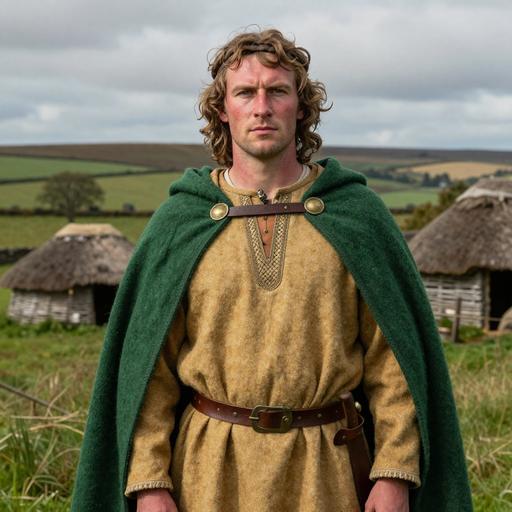
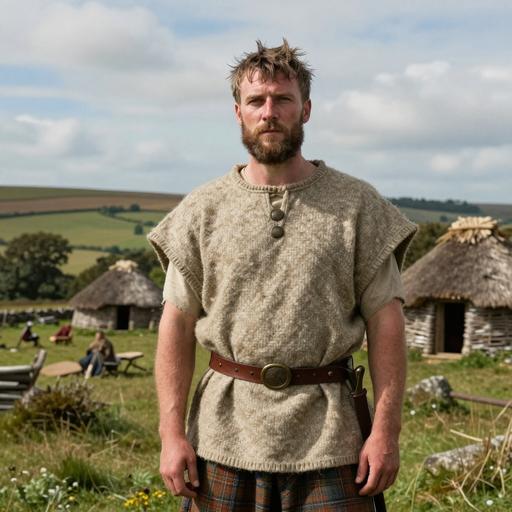
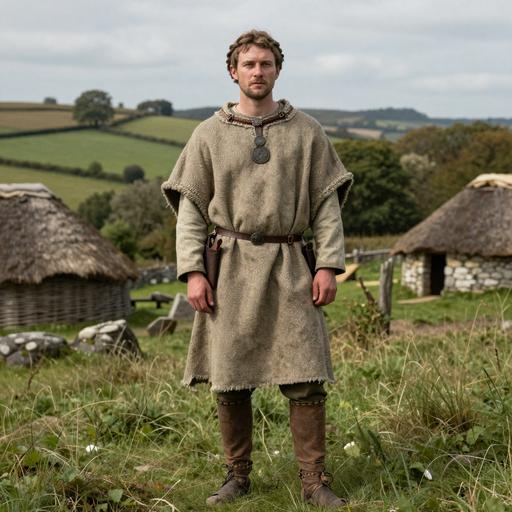
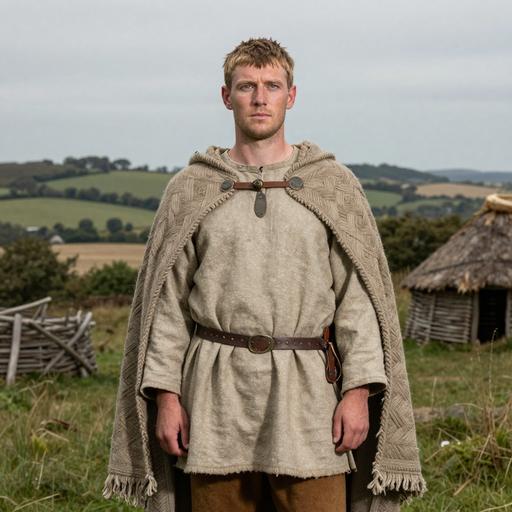
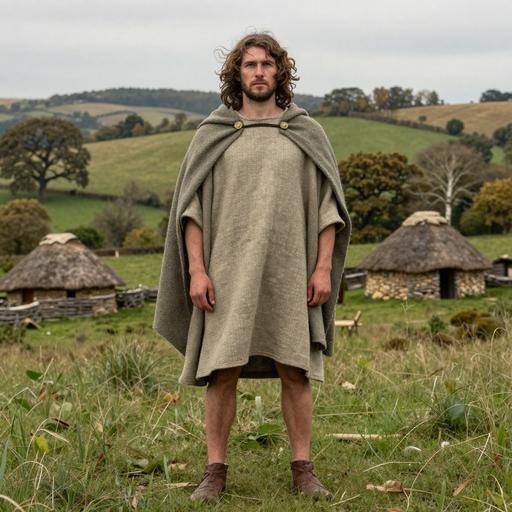
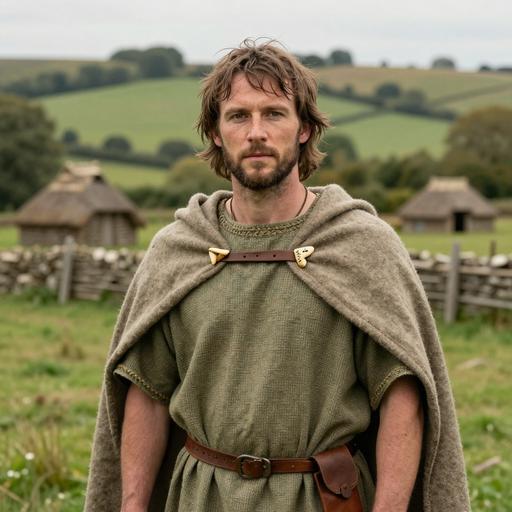
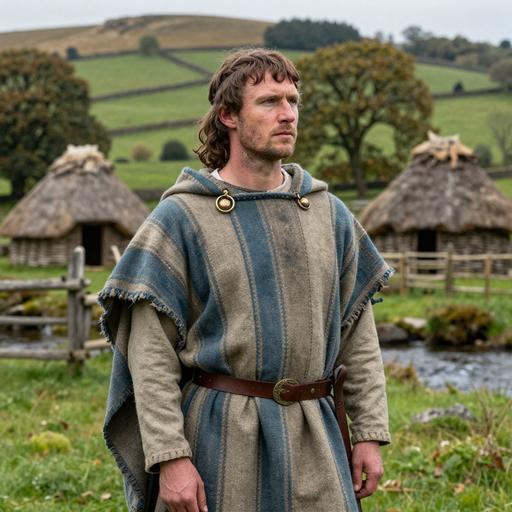
Portraits are AI-generated illustrations. Sample labels and accession IDs identify the reference records.
Middle to Late Iron Age England - United Kingdom - England. Cornwall. Newquay. Trethellan Farm
United Kingdom Middle to Late Iron Age England 300 BCE - 100 CE
R1b1a1b1a1a2cDirect
Sample ID: I16591
Middle Iron Age England - United Kingdom - England. Somerset. Christon. Dibbles Farm
United Kingdom England MIA 408-232 calBCE (2305±27 BP, SUERC-94979)
R1b1a1b1a1a2cDirect
Sample ID: I16454
Middle Bronze Age England - United Kingdom - England. Cornwall. St. Merryn. Constantine Island
United Kingdom England MBA 1381-1056 calBCE (2985±35 BP, SUERC-16818)
R1b1a1b1a1a2cDirect
Sample ID: I2421
Chalcolithic to Early Bronze Age England - United Kingdom - England. Tyne and Wear. Sunderland. Hasting Hill
United Kingdom Chalcolithic to Early Bronze Age England 1935-1751 calBCE (3524±28 BP, OxA-26256)
R1b1a1b1a1a2cDirect
Sample ID: I6774
The Bell Beaker Culture in England - United Kingdom - England. Sussex. Brighton. Ditchling Road
United Kingdom England BellBeaker 2287-2041 calBCE (3760±30 BP, SUERC-74755)
R1b1a1b1a1a2cDirect
Sample ID: I16400
Chalcolithic to Early Bronze Age England - United Kingdom - England. North Yorkshire. Grassington. 3 Barrow Sites
United Kingdom Chalcolithic to Early Bronze Age England 2400-1500 BCE
R1b1a1b1a1a2cDirect
Sample ID: I16504
Iron Age Scotland - United Kingdom - Scotland. East Lothian. Broxmouth
United Kingdom Scotland IA 42 calBCE - 116 calCE (1983±24 BP, SUERC-97411)
R1b1a1b1a1a2c1Subclade
Sample ID: I27385
Late Iron Age Scotland - United Kingdom - Scotland. West Lothian. House of Binns
United Kingdom Scotland LIA 43 calBCE - 117 calCE (1984±28 BP, SUERC-50519)
R1b1a1b1a1a2c1Subclade
Sample ID: I21302
Late Iron Age England - United Kingdom - England. South Somerset. South Cadbury
United Kingdom England LIA 46 calBCE - 117 calCE (1989±30 BP, SUERC-94994)
R1b1a1b1a1a2c1Subclade
Sample ID: I22062
Late Iron Age East Yorkshire, England - United Kingdom - England. East Riding of Yorkshire. Thornholme. Town Pasture
United Kingdom Late Iron Age East Yorkshire, England 50 calBCE - 116 calCE (1997±31 BP, SUERC-52038)
R1b1a1b1a1a2c1Subclade
Sample ID: I27384
Late Iron Age Scotland - United Kingdom - Scotland. West Lothian. House of Binns
United Kingdom Scotland LIA 90 calBCE - 110 calCE (2010±30 BP, SUERC-50518)
R1b1a1b1a1a2c1Subclade
Sample ID: I14096
Late Iron Age England - United Kingdom - England. North Yorkshire. Scorton Quarry
United Kingdom England LIA 101 calBCE - 59 calCE (2035±22 BP) [R_combine: (2056±30 BP, SUERC-95019), (2013±31 BP, SUERC-52144)]
R1b1a1b1a1a2c1Subclade
Sample ID: I0156
Iron Age to Early Roman England - United Kingdom - England. South Cambridgeshire. East Anglia. Hinxton
United Kingdom Iron Age to Early Roman England 149 calBCE - 60 calCE (2039±27 BP, OxA-29573)
R1b1a1b1a1a2c1Subclade
Sample ID: I11145
Late Iron Age England - United Kingdom - England. Somerset. North Perrott. North Perrott Manor
United Kingdom England LIA 166 calBCE - 14 calCE (2064±30 BP, SUERC-94969)
R1b1a1b1a1a2c1Subclade
Sample ID: I3566
Late Iron Age Scotland - United Kingdom - Scotland. Highland. Applecross
United Kingdom Scotland LIA 170 BCE - 10 BCE
R1b1a1b1a1a2c1Subclade
Sample ID: I27379
Late Iron Age England - United Kingdom - England. Sussex. North Bersted
United Kingdom England LIA 174-51 calBCE (2109±17 BP, SUERC-80747)
R1b1a1b1a1a2c1Subclade
Sample ID: I11992
Middle to Late Iron Age England - United Kingdom - England. Somerset. Worlebury
United Kingdom Middle to Late Iron Age England 343-50 calBCE (2122±30 BP, SUERC-94963)
R1b1a1b1a1a2c1Subclade
Sample ID: I21312
Middle to Late Iron Age England - United Kingdom - England. Wiltshire. Casterley Camp
United Kingdom Middle to Late Iron Age England 343-51 calBCE (2124±27 BP, SUERC-97418)
R1b1a1b1a1a2c1Subclade
Sample ID: I11991
Middle to Late Iron Age England - United Kingdom - England. Somerset. Worlebury
United Kingdom Middle to Late Iron Age England 349-50 calBCE (2133±30 BP, SUERC-94962)
R1b1a1b1a1a2c1Subclade
Sample ID: I14353
Middle to Late Iron Age England - United Kingdom - England. West Yorkshire. Wattle Syke
United Kingdom Middle to Late Iron Age England 349-51 calBCE (2135±30 BP, SUERC-27295)
R1b1a1b1a1a2c1Subclade
Sample ID: I13726
Middle to Late Iron Age England - United Kingdom - England. Somerset. Worlebury
United Kingdom Middle to Late Iron Age England 351-52 calBCE (2141±30 BP, SUERC-94964)
R1b1a1b1a1a2c1Subclade
Sample ID: I21309
Middle to Late Iron Age England - United Kingdom - England. Wiltshire. Battlesbury Bowl
United Kingdom Middle to Late Iron Age England 354-57 calBCE (2154±27 BP, SUERC-97431)
R1b1a1b1a1a2c1Subclade
Sample ID: I21308
Middle to Late Iron Age England - United Kingdom - England. Wiltshire. Battlesbury Bowl
United Kingdom Middle to Late Iron Age England 356 calBCE - 110 calCE (2083±70 BP, NZA-13631)
R1b1a1b1a1a2c1Subclade
Sample ID: I14803
Middle Iron Age England - United Kingdom - England. Oxfordshire. Thame
United Kingdom England MIA 370-175 calBCE (2204±30 BP, SUERC-95011)
R1b1a1b1a1a2c1Subclade
Sample ID: I17261
Middle Iron Age England - United Kingdom - England. Hampshire. Middle Wallop. Suddern Farm
United Kingdom England MIA 400-150 BCE
R1b1a1b1a1a2c1Subclade
Sample ID: I17016
Middle Iron Age England - United Kingdom - England. Somerset. Christon. Dibbles Farm
United Kingdom England MIA 377-178 calBCE (2210±30 BP, SUERC-94984)
R1b1a1b1a1a2c1Subclade
Sample ID: I11151
Middle Iron Age England - United Kingdom - England. Bedfordshire. Broom Quarry
United Kingdom England MIA 379-197 calBCE (2214±27 BP, SUERC-97413)
R1b1a1b1a1a2c1Subclade
Sample ID: I11150
Middle Iron Age England - United Kingdom - England. Bedfordshire. Broom Quarry
United Kingdom England MIA 381-197 calBCE (2215±28 BP, SUERC-86441)
R1b1a1b1a1a2c1Subclade
Sample ID: I17014
Middle Iron Age England - United Kingdom - England. Somerset. Christon. Dibbles Farm
United Kingdom England MIA 381-179 calBCE (2213±30 BP, SUERC-94982)
R1b1a1b1a1a2c1Subclade
Sample ID: I19044
Middle Iron Age England - United Kingdom - England. Cambridgeshire. Marshall's Jaguar Land Rover New Showroom (JLU15)
United Kingdom England MIA 381-199 calBCE (2221±25 BP, SUERC-97424)
R1b1a1b1a1a2c1Subclade
Sample ID: I19909
Middle Iron Age England - United Kingdom - England. Kent. East Kent Access Road
United Kingdom England MIA 381-197 calBCE (2215±30 BP, SUERC-40288)
R1b1a1b1a1a2c1Subclade
Sample ID: I14800
Middle Iron Age England - United Kingdom - England. Oxfordshire. Thame
United Kingdom England MIA 382-197 calBCE (2216±30 BP, SUERC-95009)
R1b1a1b1a1a2c1Subclade
Sample ID: I14380
Middle Iron Age England - United Kingdom - England. Kent. Cliffs End Farm
United Kingdom England MIA 387-203 calBCE (2237±28 BP, OxA-17802)
R1b1a1b1a1a2c1Subclade
Sample ID: I19656
Middle Iron Age England - United Kingdom - England. Somerset. Ham Hill
United Kingdom England MIA 387-198 calBCE (2226±30 BP, SUERC-73828)
R1b1a1b1a1a2c1Subclade
Sample ID: I20583
Middle Iron Age England - United Kingdom - England. Oxfordshire. Stanton Harcourt. Gravelly Guy
United Kingdom England MIA 387-201 calBCE (2231±30 BP, SUERC-95004)
R1b1a1b1a1a2c1Subclade
Sample ID: I20587
Middle Iron Age England - United Kingdom - England. Oxfordshire. Yarnton
United Kingdom England MIA 389-208 calBCE (2250±21 BP, UB-3776)
R1b1a1b1a1a2c1Subclade
Sample ID: I13731
Middle Iron Age England - United Kingdom - England. Kent. East Kent Access Road
United Kingdom England MIA 393-206 calBCE (2255±30 BP, SUERC-40302)
R1b1a1b1a1a2c1Subclade
Sample ID: I21180
Middle Iron Age England - United Kingdom - England. Oxfordshire. Yarnton
United Kingdom England MIA 396-209 calBCE (2268±20 BP, UB-3922)
R1b1a1b1a1a2c1Subclade
Sample ID: I13760
East Yorkshire Iron Age - United Kingdom - England. East Riding of Yorkshire. Pocklington (Burnby Lane)
United Kingdom East Yorkshire Iron Age 400-50 BCE
R1b1a1b1a1a2c1Subclade
Sample ID: I14102
East Yorkshire Iron Age - United Kingdom - England. East Riding of Yorkshire. Pocklington (Burnby Lane)
United Kingdom East Yorkshire Iron Age 400-50 BCE
R1b1a1b1a1a2c1Subclade
Sample ID: I14104
East Yorkshire Iron Age - United Kingdom - England. East Riding of Yorkshire. Pocklington (Burnby Lane)
United Kingdom East Yorkshire Iron Age 400-50 BCE
R1b1a1b1a1a2c1Subclade
Sample ID: I5505
East Yorkshire Iron Age - United Kingdom - England. East Riding of Yorkshire. Pocklington (Burnby Lane)
United Kingdom East Yorkshire Iron Age 389-203 calBCE (2239±29 BP, SUERC-96434)
R1b1a1b1a1a2c1Subclade
Sample ID: I5508
East Yorkshire Iron Age - United Kingdom - England. East Riding of Yorkshire. Pocklington (Burnby Lane)
United Kingdom East Yorkshire Iron Age 250-1 BCE
R1b1a1b1a1a2c1Subclade
Sample ID: I13615
Middle Iron Age England - United Kingdom - England. Kent. East Kent Access Road
United Kingdom England MIA 388-206 calBCE (2243±25 BP, SUERC-132755)
R1b1a1b1a1a2c1Subclade
Sample ID: I19211
Middle Iron Age England - United Kingdom - England. Oxfordshire. Yarnton
United Kingdom England MIA 400-200 BCE
R1b1a1b1a1a2c1Subclade
Sample ID: I19911
Middle Iron Age England - United Kingdom - England. Kent. East Kent Access Road
United Kingdom England MIA 400-200 BCE
R1b1a1b1a1a2c1Subclade
Sample ID: I20586
Middle Iron Age England - United Kingdom - England. Oxfordshire. Yarnton
United Kingdom England MIA 400-200 BCE
R1b1a1b1a1a2c1Subclade
Sample ID: I21182
Middle Iron Age England - United Kingdom - England. Oxfordshire. Yarnton
United Kingdom England MIA 400-200 BCE
R1b1a1b1a1a2c1Subclade
Sample ID: I12793
Middle to Late Iron Age England - United Kingdom - England. Cornwall. Newquay. Tregunnel
United Kingdom Middle to Late Iron Age England 400-100 BCE
R1b1a1b1a1a2c1Subclade
Sample ID: I12926
Middle to Late Iron Age England - United Kingdom - England. Gloucestershire. Fairford. Saxon Way
United Kingdom Middle to Late Iron Age England 400-100 BCE
R1b1a1b1a1a2c1Subclade
PATERNAL LINEAGE · ANCIENT DNA
Ancient lineage evidence map
Follow parent clades toward this branch and explore where ancient carriers were found.
Loading ancient observations…
Reduced motion is enabled. Use the timeline or Show all to explore at your own pace.
Read observations as a table
Displayed ancient observations by branch, period and date midpoint
Branch
Period
Date range
Sample
Sample ID
Location
Haplogroup
Relationship
Markers are archaeological find locations. A dashed connector is an uncertain, proposed geographic transition between consecutive branches supported by multiple dated observations; it is not an exact travel route, birthplace or proof of direct descent. Parent-clade samples may belong to other descendant branches. Gaps remain where evidence is insufficient. Sample dates differ from haplogroup formation dates.
Grouping by historical period reflects when each ancient individual lived, combined across every branch on this lineage chain; it is not a migration sequence or a personal timeline between periods.
Reference profile
Carrier Distribution Map
Geographic distribution of 100 ancient DNA samples (direct and subclade carriers of R1B1A1B1A1A2C)
Direct carrier Subclade carrier
Time Period Filter
All Time Periods
Showing all samples
Reference profile
Temporal Distribution
Distribution of carriers across archaeological periods
Reference profile
Geographic Distribution
Counts by recorded sample country. These reflect the available reference selection, not population frequencies.
Reference profile
Country × Era Distribution
Compare recorded sample counts across countries and archaeological periods. Select a populated cell to inspect a sample.
Data
Data & Provenance
Source information and data quality
Last Updated2026-06-17
Confidence Score50/100
CoverageLow
Data Source
Classification, estimated dates and geographic context reflect the recorded reference data and may change as evidence is revised. Sample coverage is uneven; recorded locations and archaeological associations do not establish personal origin or cultural identity.
A haplogroup follows one maternal or paternal line. The branch prediction depends on which markers the DNA file contains.
How our analysis works