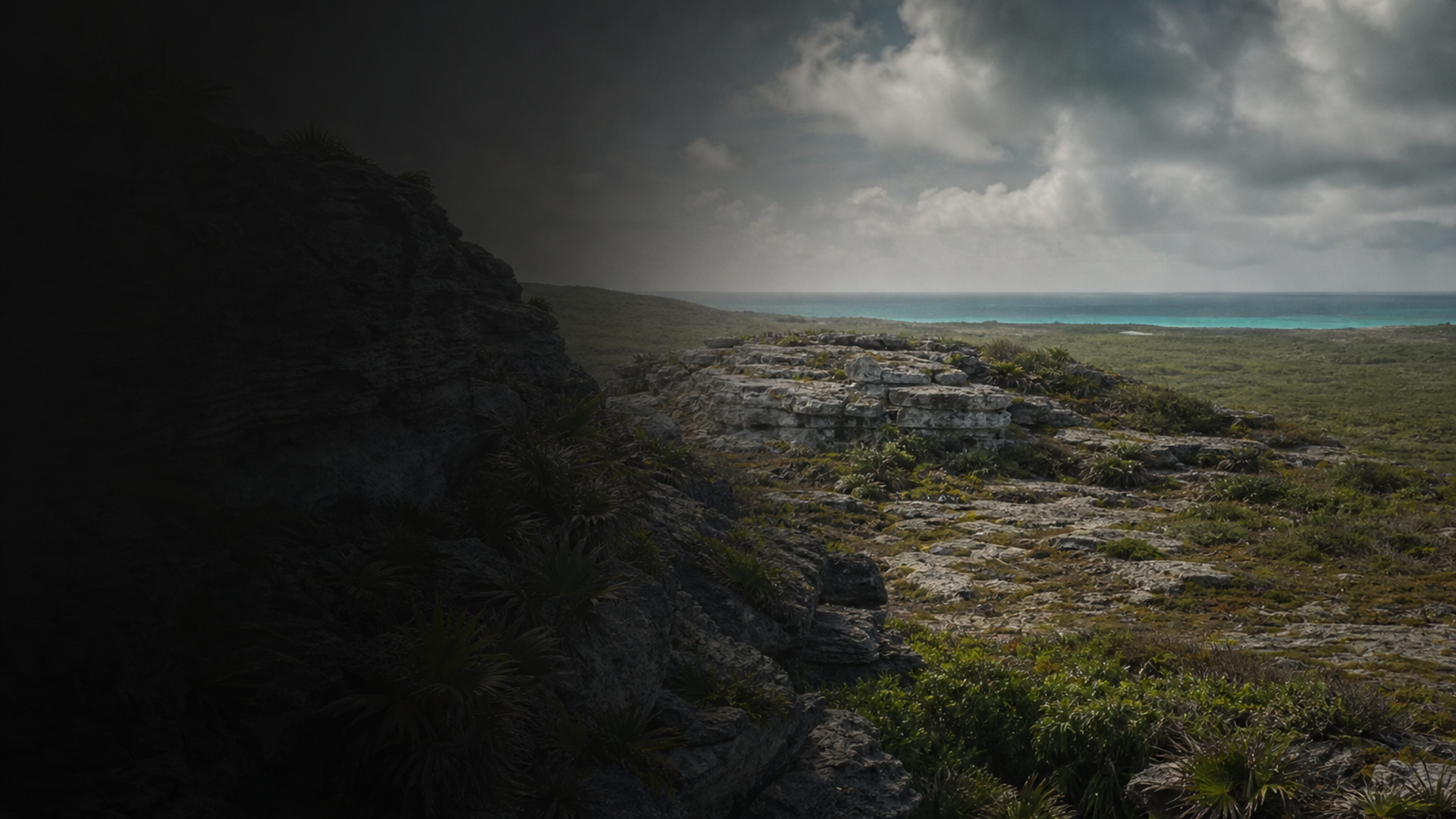
Life on South Andros during the Ceramic period would have been shaped by the rhythm of tides, seasonal storms, and the abundance of reef and lagoon resources. Archaeological deposits recovered from blue holes and littoral contexts preserve fish bone, shell, and occasional plant remains that point to a diet centered on fish, shellfish, and coastal foraging. Pottery fragments, often plain or minimally decorated, imply household food preparation and storage, while tools made from shell and bone speak to craft traditions adapted to island resources.
Social organization can be glimpsed through burial practice and artifact distributions. Where human remains have been recovered—oftentimes from sinkhole contexts—grave goods are sparse, suggesting modest funerary display or differential preservation. The landscape of South Andros, with its protected creeks and productive flats, would support small, mobile communities linked by kinship and exchange across nearby islands. Archaeological data indicate trade in raw materials and stylistic influences across the northern Bahamas and toward Hispaniola.
Because excavation is limited and preservation variable in shallow-water contexts, many aspects of household composition, social hierarchy, and seasonal mobility remain open questions. Future archaeological and aDNA sampling will refine these portraits of daily life.