Um perfil de referência de um ramo de linhagem. Compartilhar haplogrupos não demonstra uma relação familiar ou uma identidade cultural.
Perfil de Referência
Contexto do ramo
Contexto histórico de la rama de linaje mtDNA A
Origins and Evolution
mtDNA haplogroup A is a descendant of macro-haplogroup N and likely formed in Northeast/East Asia during the Late Pleistocene (roughly 20–40 kya, commonly centered in estimates near ~30 kya). From this ancestral Asian pool, distinct sublineages radiated within Siberia and East Asia, and one major derivative — A2 — became a founding Native American lineage during the Beringian/late glacial migrations into the Americas. Population-genetic and ancient-DNA studies support a scenario in which haplogroup A lineages were present among Upper Paleolithic and post-glacial hunter-gatherer groups in Northeast Asia and eastern Siberia, and contributed substantially to the maternal ancestry of indigenous peoples of the Americas.
Subclades
Within mtDNA haplogroup A there are multiple subclades with different geographic affinities. The most notable are:
A2 — the principal Native American branch, widespread across North, Central, and South America in many indigenous populations.
East Asian and Siberian subclades (various A1, A4, etc. depending on different nomenclatures in the literature) that are found at varying frequencies in populations from the Russian Far East, northern China, Mongolia, Korea, and Japan.
These subclades differ in coalescence times: A2 shows a comparatively recent coalescence consistent with late-Pleistocene/early-Holocene entry into the Americas, whereas some East Asian/Siberian A lineages trace to older Pleistocene expansions within Eurasia.
Geographical Distribution
mtDNA A exhibits a clear East Asian–Siberian origin and a trans-Beringian distribution via its descendant A2 in the Americas. Key patterns are:
High prevalence of A2 among many Native American groups (particularly in North and Central America) where it is one of the primary founding maternal lineages.
Moderate frequencies of non-A2 A subclades among Northeast Asian, Siberian, and certain Central Asian populations (including indigenous Siberian groups, some Mongolian and northern Chinese populations, Koreans and Japanese).
Low, sporadic presence in western Eurasia, usually traceable to recent gene flow or rare historical contacts.
Ancient DNA from Siberia and Beringia has repeatedly found A-lineage mitotypes in hunter-gatherer and early Holocene contexts, supporting the long-term presence of this lineage in northeastern Eurasia prior to the peopling of the Americas.
Historical and Cultural Significance
Haplogroup A is central to discussions of the peopling of the Americas: the presence of A2 in pre-Columbian remains and its phylogeographic pattern provide genetic evidence for a Beringian source and a late-Pleistocene/early-Holocene dispersal into the New World. In East Asia, A-lineages are found in populations associated with prehistoric coastal and inland hunter-gatherer cultures and later farming groups, such as the Jomon of Japan where mitochondrial diversity reflects continuity and local differentiation. Studies of modern and ancient populations use mtDNA A to trace migration corridors, population continuity versus replacement, and interactions between Siberian, East Asian, and Native American gene pools.
Conclusion
mtDNA haplogroup A is a well-documented maternal lineage whose phylogeography links Northeast/East Asia and the Americas. It is both an ancient East Asian/Siberian lineage and the source of one of the principal founding Native American maternal branches (A2). Because of its geographic breadth and clear archaeological and genetic signals, mtDNA A remains a focal marker for reconstructing Late Pleistocene population structure in northeastern Eurasia and the routes of early human migration into the Americas.
Pontos- Chave
Origins and Evolution
Subclades
Geographical Distribution
Historical and Cultural Significance
Conclusion
Perfil de Referência
Árvore e relações
Contexto filogenético e subclasse
Trajectória evolutiva
Sigue las ramas superiores registradas hasta A. Las fechas son estimaciones y pueden cambiar al revisarse los datos de referencia.
The populations where mtDNA haplogroup A is found include:
Indigenous Native American groups across North, Central, and South America (A2 prominent)
Indigenous Siberian groups (e.g., Evenks, Yakuts, Chukchi)
Northeast Asian populations (northern Han Chinese, Koreans, Mongolians)
Ainu and some Jomon-descended Japanese populations
Selected Central Asian and Turkic groups at low frequencies
Contexto Histórico
Uma ramificação através do tempo
Formação estimada em uma cronologia histórica ampla. Os marcadores temporais contribuem contexto e não implicam relação com culturas concretas.
~30k años de antigüedad
Haplogrupo A
Formação estimada deste ramo mtDNA; as datas e localizações são estimativas de referência.
Este ramo
~20k años de antigüedad
Último máximo glacial
Máxima extensão da última glaciação e isolamento de populações
~10k años de antigüedad
Revolução neolítica
Início da agricultura e formação de comunidades sedentárias
~5k años de antigüedad
Idade do Bronze
Metalurgia, escrita e primeiras civilizações
~3k años de antigüedad
Idade do Ferro
Ferramentas de ferro e ampliação de redes comerciais
~2.5k años de antigüedad
Antiguidades clássicas
Desenvolvimento das civilizações grega e romana
Actualidad
Actualidad
Idade moderna
Perfil de Referência
Contexto arqueológico
Asociaciones arqueológicas registradas para la rama mtDNA A
Associações registradas
Esses rótulos descrevem os contextos arqueológicos registrados para as amostras de referência vinculadas a A. Uma associação não demonstra que todos os portadores pertenceram a uma cultura ou seguiram uma rota migratória específica.
Angara River CultureKitoiKuenga CultureLokomotiv CultureOb River CultureRussia_AltaiKrai_EneolithicRussia_Irkutsk_Eneolithic_BAUlgii CultureUst-Ida CultureWuzhuangguoliang CultureYenisei Culture
As atribuições culturais baseiam-se no contexto arqueológico das amostras de DNA antigo e podem representar associações regionais de períodos concretos.
Perfil de Referência
Catálogo de amostras
13 portadores directos y 87 portadores de subclados del haplogrupo A
10 mostradas 50 amostras correspondentes
Nenhuma amostra coincide com estes filtros. Teste outra marca, localização ou período.
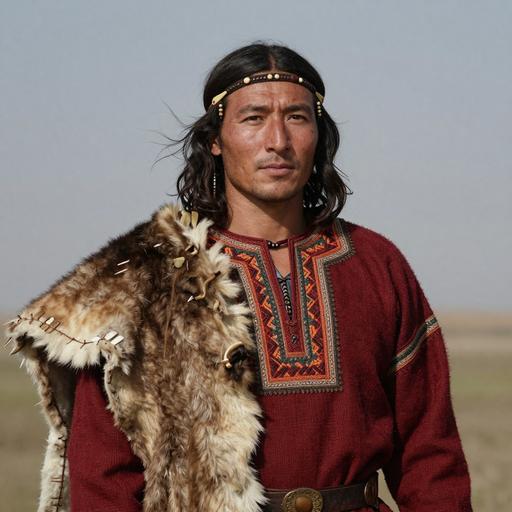
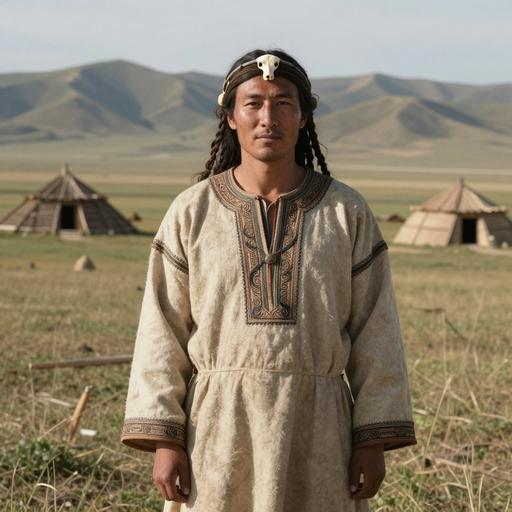
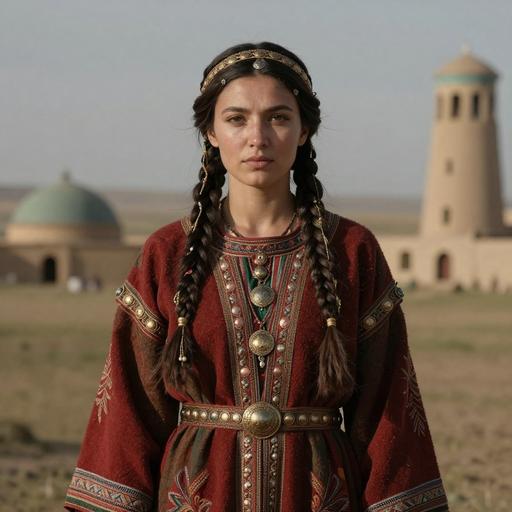
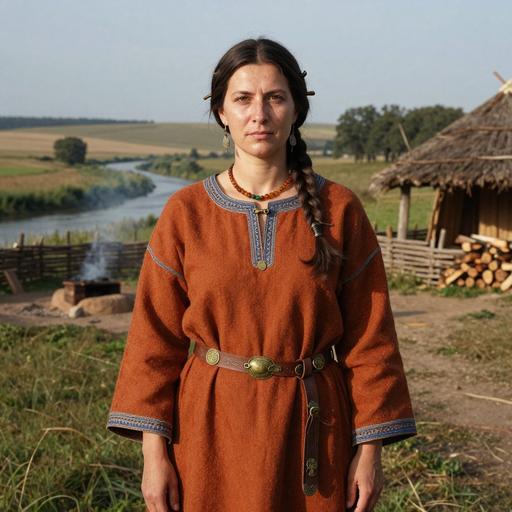
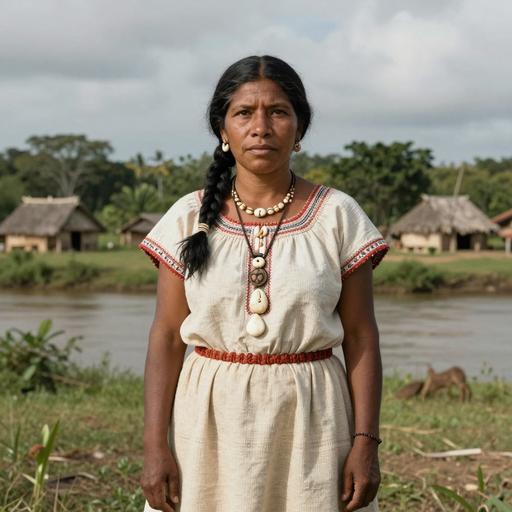
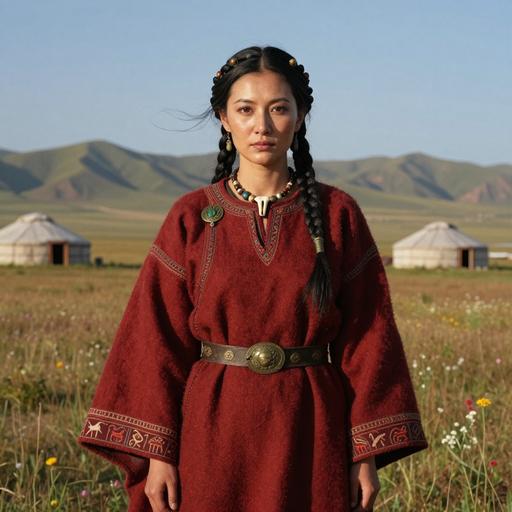
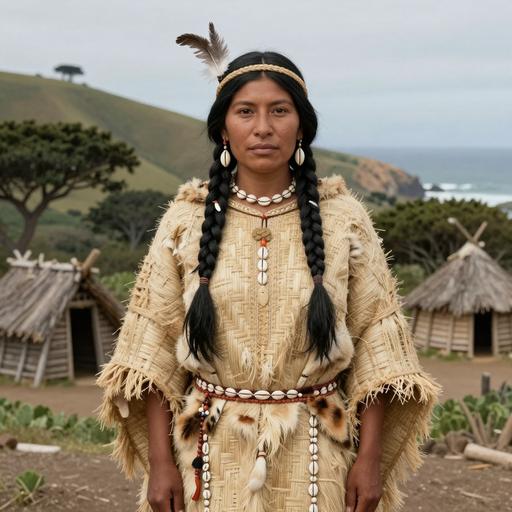
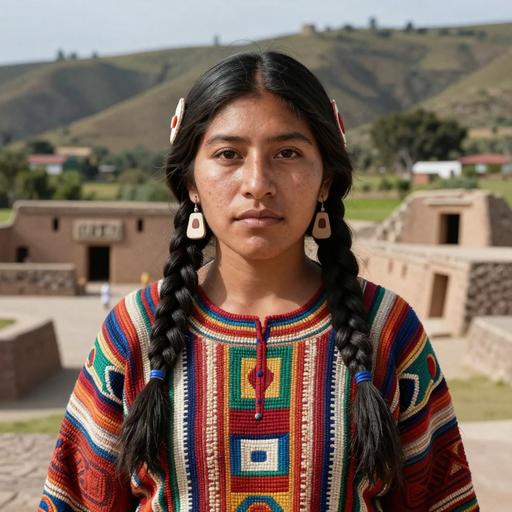
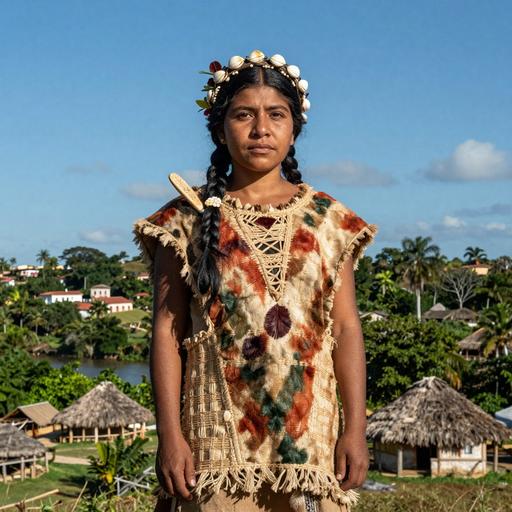
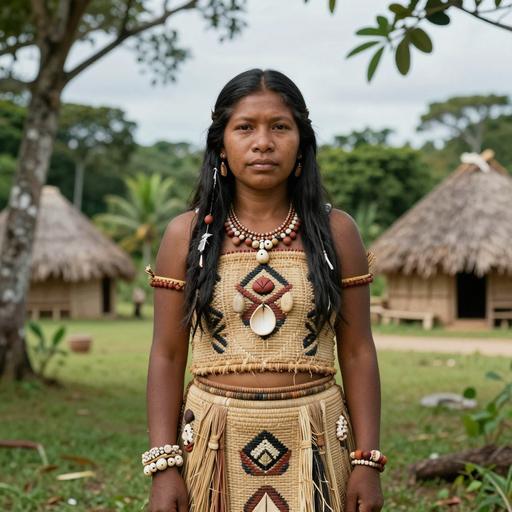
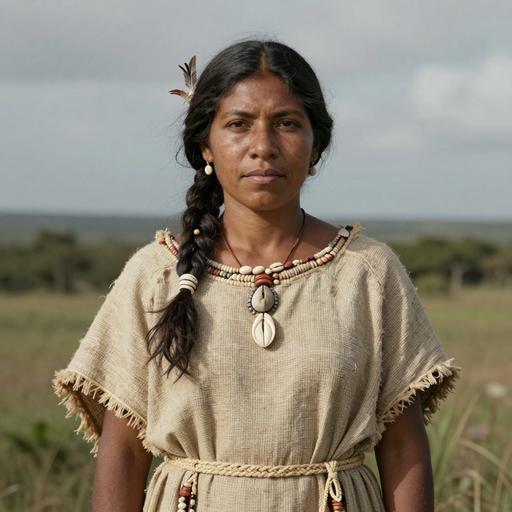
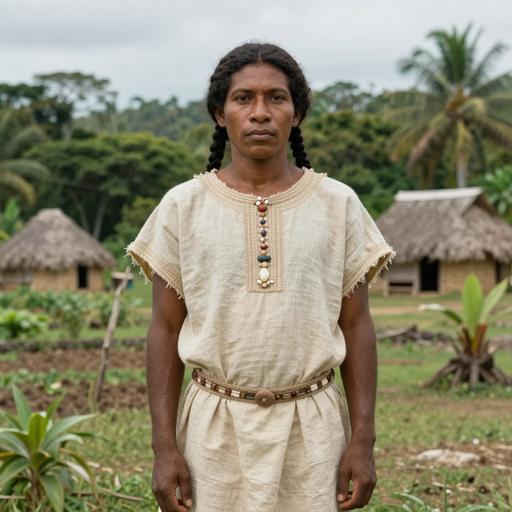
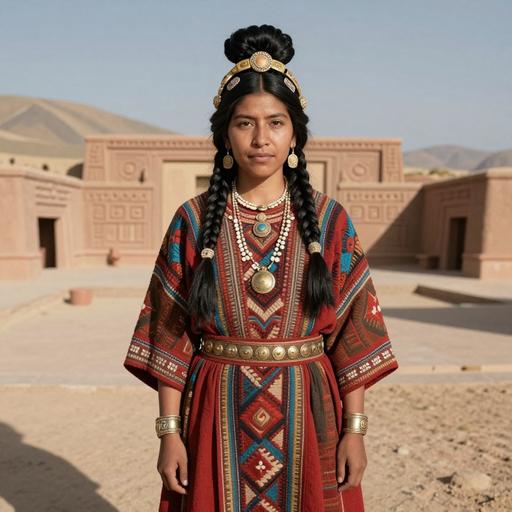
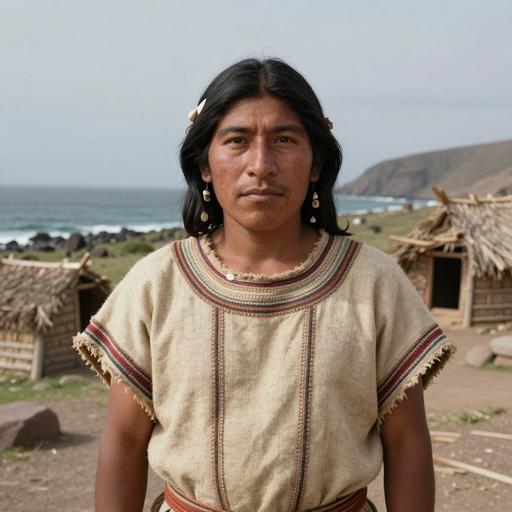
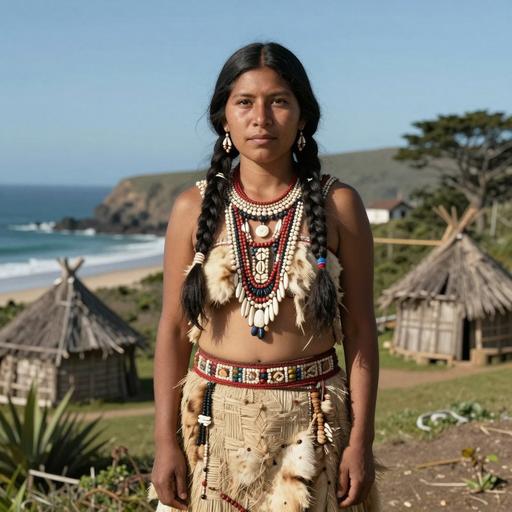
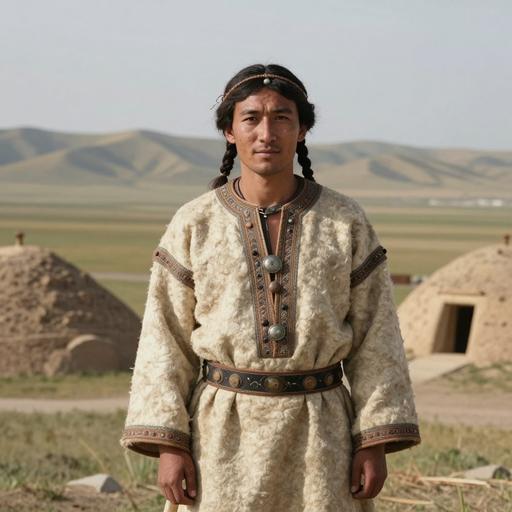
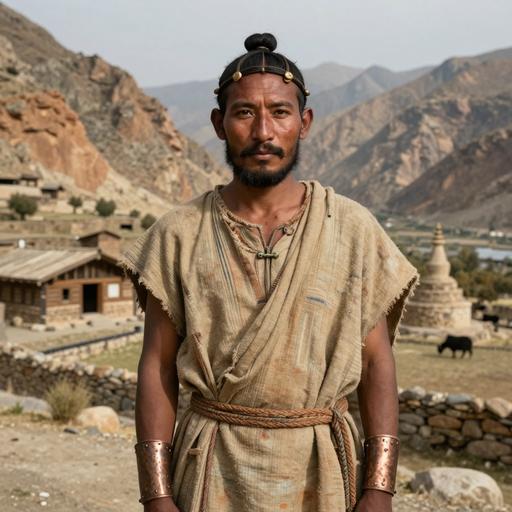
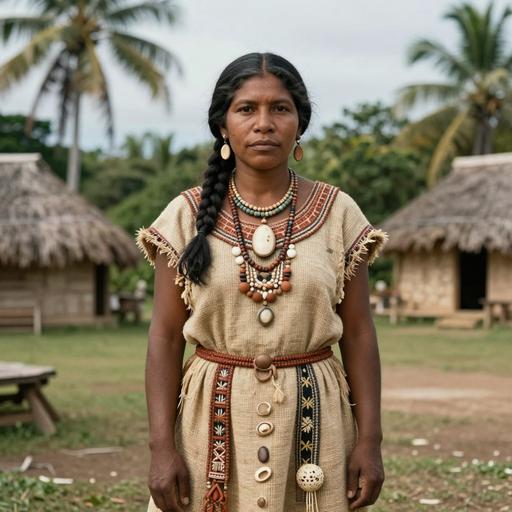
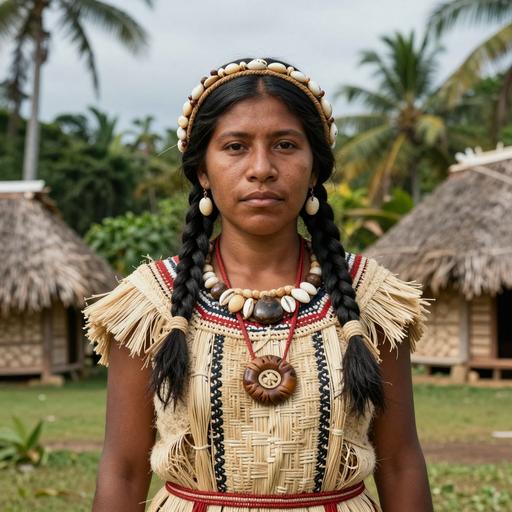
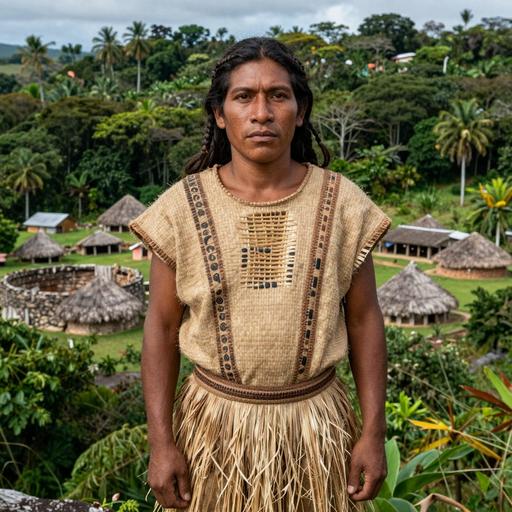
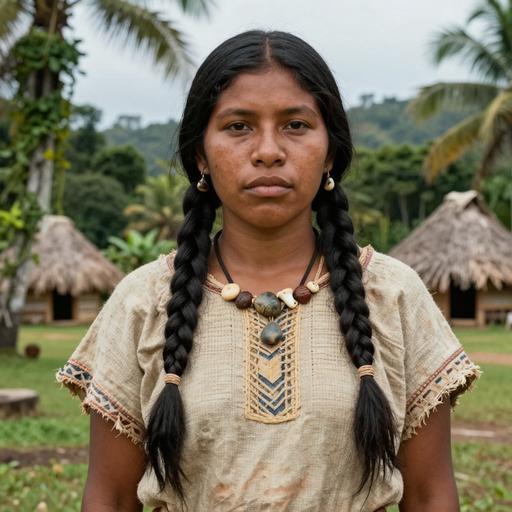
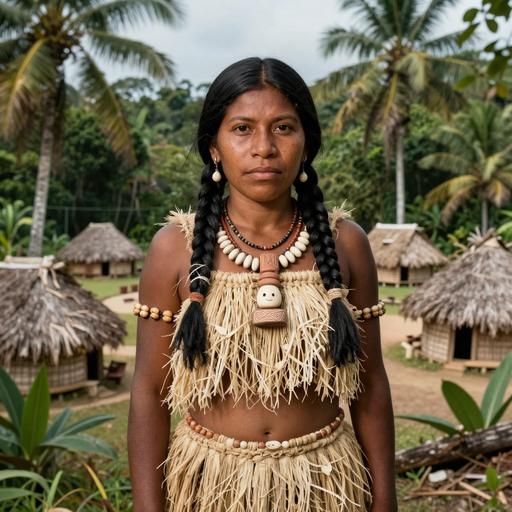
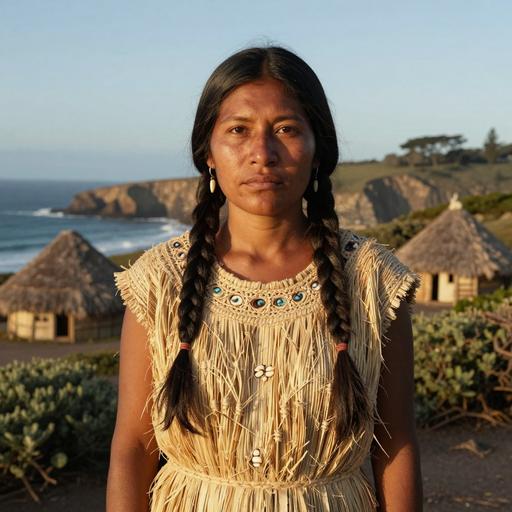
Os retratos são ilustrações geradas com IA. As etiquetas de amostra e os identificadores de acesso identificam os registros de referência.
Retrato
Mostrar
País
Época
Data
Cultura
mtDNA
Corresponder
Identificador de amostra: BRE014
Kazakhstan
Iron Age Kazakhstan
250-402 calCE (1733±18 BP)
Kazakh Iron Age
A
Direct
Identificador de amostra: BRE004
Kazakhstan
Iron Age Kazakhstan
253-402 calCE (1728±13 BP)
Kazakh Iron Age
A
Direct
Identificador de amostra: MM-240
Hungary
Hungary EarlyAvar
436-600 calCE (1534±23 BP, D-AMS010445)
Early Avar
A+152+16362
Direct
Identificador de amostra: SGZ002
Kazakhstan
Iron Age Sarmatian, Kazakhstan
500-300 BCE
Sarmatian Culture
A
Direct
Identificador de amostra: I16812
Hungary
Early Avar Period in Transtisza, Hungary
600-650 CE
Avar Culture
A
Direct
Identificador de amostra: OBT-106
Hungary
Hungary LateAvar
600-800 CE
Avar Culture
A
Direct
Identificador de amostra: MT-74
Hungary
Middle Avar Period Hungary
645-758 calCE (1358±19 BP, DeA-26557)
Avar Culture
A
Direct
Identificador de amostra: SZRV-266
Hungary
Hungary LateAvar
702-878 calCE (1234±16 BP, DeA-26578)
Avar Culture
A
Direct
Identificador de amostra: C1207
China
Iron Age Jierzankale, Xinjiang, China
750-350 BCE
Jierzankale Culture
A
Direct
Identificador de amostra: C1197
China
Iron Age Jierzankale, Xinjiang, China
750-350 BCE
Jierzankale Culture
A
Direct
Identificador de amostra: ESZ002
Kazakhstan
Iron Age Tasmola-Saka Culture, Kazakhstan
770-483 calBCE (2479±25 BP)
Tasmola-Saka Culture
A
Direct
Identificador de amostra: I0577
Russia
Russia Tuva IA AldyBel
900 -700 BCE
Aldy-Bel Culture
A
Direct
Identificador de amostra: NRC001
Mongolia
Late Medieval Uvurkhangai, Mongolia
1000-1500 CE
Uvurkhangai Culture
A
Direct
Identificador de amostra: PDM010
Cuba
Archaic Period Playa del Mango, Cuba
14-125 calCE (1951±20 BP, UOC-6851)
Playa del Mango
A2
Subclado
Identificador de amostra: IMA006
Russia
Xiongnu Period Buryatia, Russia
51 calBCE - 70 calCE (2012±23 BP, MAMS-43520)
Xiongnu Buryat
A24
Subclado
Identificador de amostra: DA81
Kyrgyzstan
The Hun Period in Kyrgyzstan
166 CE - 412 CE
Hunnic Period
A16
Subclado
Identificador de amostra: DA71
Kyrgyzstan
The Hun Period in Kyrgyzstan
246 CE - 405 CE
Hunnic Period
A16
Subclado
Identificador de amostra: C3318
China
China Xinjiang Caishichang IA
336-53 calBCE
Caishichang Culture
A11
Subclado
Identificador de amostra: KEN001
Kyrgyzstan
Iron Age Saka Culture, Kyrgyzstan
356-116 calBCE (2170±23 BP)
Saka Culture
A16
Subclado
Identificador de amostra: F004
China
Iron Age Xinjiang, China
370 BCE - 190 BCE
Xinjiang Culture
A17
Subclado
Identificador de amostra: C1647
China
China Xinjiang Wutulan IA
450-50 BCE
Wutulan Culture
A14
Subclado
Identificador de amostra: C1634
China
China Xinjiang Wutulan IA
403-233 calBCE
Wutulan Culture
A26
Subclado
Identificador de amostra: CH-01
USA
Mainland Chumash Culture, California, USA
416 CE - 545 CE
Mainland Chumash
A2
Subclado
Identificador de amostra: I0971
Peru
Middle Horizon Lima Coast, Peru 1,000 Years Ago
500-900 CE
Lima Coast
A2
Subclado
Identificador de amostra: CAO030
Cuba
Archaic Period Canimar Abajo, Cuba
550-750 CE
Canimar Abajo
A2
Subclado
Identificador de amostra: ZAA001
Mongolia
Mongolia Bulgan EarlyMedieval LateMedieval
550-1200 CE
Medieval Mongolia
A24
Subclado
Identificador de amostra: SZRV-54
Hungary
Hungary EarlyAvar
600-700 CE
Early Avar
A10
Subclado
Identificador de amostra: DA89
Kazakhstan
Turkic Period Kazakhstan
645 CE - 822 CE
Turkic Period
A14
Subclado
Identificador de amostra: I18300
Dominican Republic
Ceramic Period Atajadizo, Dominican Republic
650-1650 CE
Atajadizo Ceramic
A2
Subclado
Identificador de amostra: CIP008
Cuba
Archaic Period Cueva Perico, Cuba
659-775 calCE (1308±22 BP, MAMS-39631)
Cueva Perico
A2
Subclado
Identificador de amostra: I17906
Dominican Republic
Ceramic Period Atajadizo, Dominican Republic
708-884 calCE (1215±20 BP, PSUAMS-7367)
Atajadizo Ceramic
A2
Subclado
Identificador de amostra: GUY002
Cuba
Archaic Period Guayabo Blanco, Cuba
749-409 calBCE (2440±22 BP, MAMS-44100)
Guayabo Blanco
A2
Subclado
Identificador de amostra: I2243
Peru
Middle Horizon to Late Intermediate Period Lambayeque Culture, Peru
750-1300 CE
Lambayeque Culture
A2
Subclado
Identificador de amostra: I2540
Chile
Middle Horizon Caleta Huelen, Chile 1,100 Years Ago
750-1150 CE
Caleta Huelen
A2
Subclado
Identificador de amostra: C3353
China
China Xinjiang Songshugou EIA
800-450 BCE
Songshugou Culture
A26
Subclado
Identificador de amostra: CR-01
USA
Santa Cruz Island Chumash Culture, California, USA
774 CE - 1022 CE
Island Chumash
A2
Subclado
Identificador de amostra: MJ-52
Kazakhstan
Tasmola Culture in Kazakhstan
795 BCE - 546 BCE
Tasmola
A23
Subclado
Identificador de amostra: I13326
Puerto Rico
Ceramic Period Monserrate, Puerto Rico
500-1400 CE
Monserrate Culture
A2
Subclado
Identificador de amostra: DAR002
Mongolia
Early Iron Age to Late Medieval Mongolia
800-350 BCE
Mongolian
A11
Subclado
Identificador de amostra: CNE1
Nepal
Iron Age Nepal
850-550 BCE
Nepal Iron Age
A17
Subclado
Identificador de amostra: I15593
Dominican Republic
Ceramic Period La Caleta, Dominican Republic
897-1024 calCE (1070±20 BP, PSUAMS-8808)
La Caleta
A2
Subclado
Identificador de amostra: I13324
Puerto Rico
Ceramic Period Santa Elena, Puerto Rico
1150-1350 CE
Santa Elena Culture
A2
Subclado
Identificador de amostra: SZAK-6
Hungary
Conqueror Elite Hungary
900-1000 CE
Magyar Elite Culture
A16
Subclado
Identificador de amostra: K3-12
Hungary
Conqueror Elite Hungary
960 CE - 1000 CE
Magyar Elite Culture
A13
Subclado
Identificador de amostra: PDI010
Puerto Rico
Ceramic Period Paso del Indio, Puerto Rico
994-1163 calCE (973±41 BP, AA-75123)
Paso del Indio Culture
A2
Subclado
Identificador de amostra: KRN002
Mongolia
Mongolia Selenge LateMedieval
1000-1500 CE
Selenge Culture
A18
Subclado
Identificador de amostra: I8547
Dominican Republic
Ceramic Period Andres, Dominican Republic
1038-1160 calCE (935±20 BP, PSUAMS-7289)
Andres Ceramic
A2
Subclado
Identificador de amostra: I15975
Dominican Republic
Ceramic Period La Caleta, Dominican Republic
1041-1174 calCE (920±15 BP, PSUAMS-9166)
La Caleta
A2
Subclado
Identificador de amostra: SM-02
USA
San Miguel Island Chumash Culture, California, USA
1174 CE - 1269 CE
Chumash
A2
Subclado
Identificador de amostra: PDI008
Puerto Rico
Ceramic Period Paso del Indio, Puerto Rico
1219 CE - 1386 CE
Paso del Indio Culture
A2
Subclado
Identificador de amostra: BRE014
Iron Age Kazakhstan - Kazakhstan - Central Kazakhstan. Berel Necropolis. object 68. no. 1
Kazakhstan Iron Age Kazakhstan 250-402 calCE (1733±18 BP)
ADirect
Identificador de amostra: BRE004
Iron Age Kazakhstan - Kazakhstan - Central Kazakhstan. Berel Necropolis. object 69
Kazakhstan Iron Age Kazakhstan 253-402 calCE (1728±13 BP)
ADirect
Identificador de amostra: MM-240
Early Avar Period Hungary - Hungary - Csongrád-Csanád County. Makó-Mikócsa-halom
Ceramic Period La Caleta, Dominican Republic - Dominican Republic - La Caleta
Dominican Republic Ceramic Period La Caleta, Dominican Republic 1041-1174 calCE (920±15 BP, PSUAMS-9166)
A2Subclado
Identificador de amostra: SM-02
San Miguel Island Chumash Culture, California, USA - USA - San Miguel Island. CA
USA San Miguel Island Chumash Culture, California, USA 1174 CE - 1269 CE
A2Subclado
Identificador de amostra: PDI008
Ceramic Period Paso del Indio, Puerto Rico - Puerto Rico - Vega Baja. Paso del Indio
Puerto Rico Ceramic Period Paso del Indio, Puerto Rico 1219 CE - 1386 CE
A2Subclado
MATERNAL LINHAGEM · DNA ANTIGO
Mapa de testes de linhagems antigos
Siga os clados superiores até este ramo e explora onde se encontraram portadores antigos.
A carregar as observações antigas...
A redução do movimento está activada. Use a cronologia ou Mostrar tudo para explorar o seu ritmo.
Ler as observações numa tabela
Observações antigas visíveis por ramo, período e ponto médio da data
Ramada
Período
Intervalo de datas
Mostrar
Identificador de amostra
Localização
Haplogrupo
Relação
Os marcadores são locais de achados arqueológicos. Uma linha de descontínua representa uma transição geográfica proposta e incerta entre ramos consecutivos, apoiada em várias observações fechadas; não é uma rota de viagem exata, um local de nascimento ou um teste de descendência direta. As amostras do clado parental podem pertencer a outros ramos descendentes. As datas das amostras são distintas das datas de formação dos haplogrupos são mantidas.
O agrupamento por período histórico reflete quando viveu cada indivíduo antigo e combina todos os ramos desta cadeia de linhagems; não é uma sequência migratória nem uma cronologia pessoal entre períodos.
Perfil de Referência
Mapa de distribuição de portadores
Distribuição geográfica das amostras de DNA antigo (100), portadores directos ou de subclasses de A
Portador directo Portador de um subclasse
Filtro de Período Temporária
Todos os períodos
Mostrar todas as amostras
Perfil de Referência
Distribuição temporária
Distribuição de portadores por períodos arqueológicos
Perfil de Referência
Distribuição geográfica
Recuentos por país registrado das amostras. Reflejam a seleção de referência disponível, não frequências de população.
Perfil de Referência
Distribuição por país e época
Compare as contagens de amostras registadas por países e períodos arqueológicos. Selecione uma célula com dados para examinar uma amostra.
Dados
Dados e proveniência
Informações sobre fontes e qualidade dos dados
Última actualização2026-02-09
Fonte de Dados
A classificação, as datas estimadas e o contexto geográfico refletem os dados de referência registrados e podem mudar ao revisar os testes. A cobertura de amostras é desigual; os locais registrados e as associações arqueológicas não estabelecem a origem pessoal nem a identidade cultural.