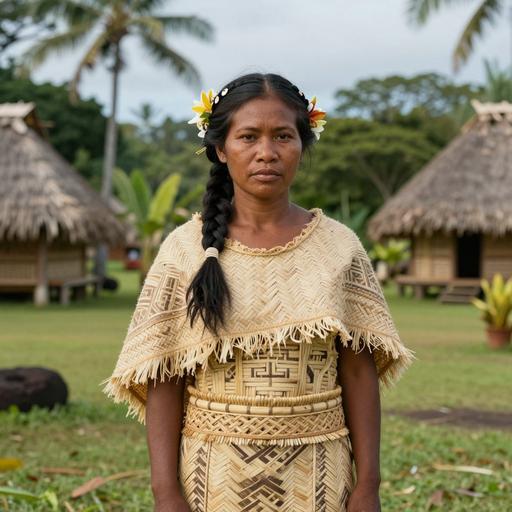
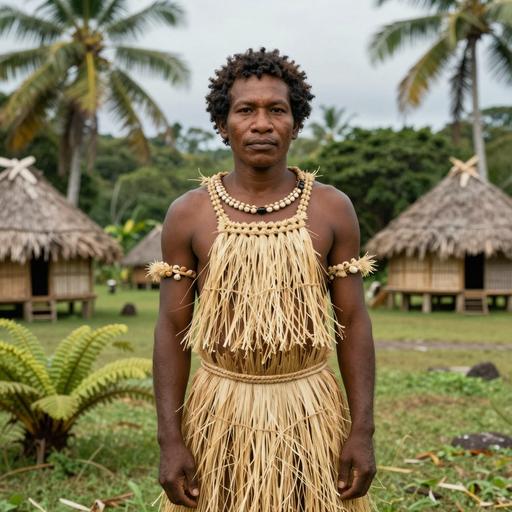
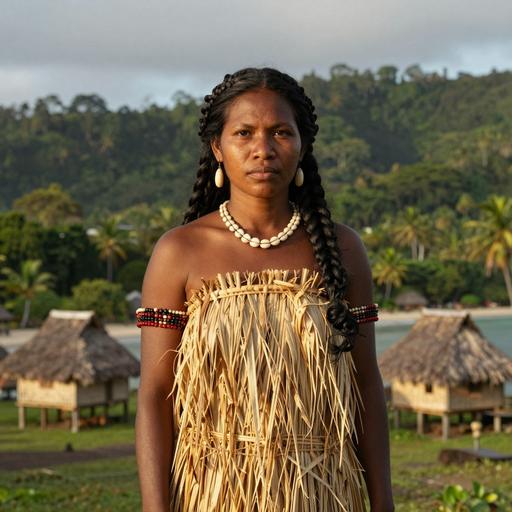
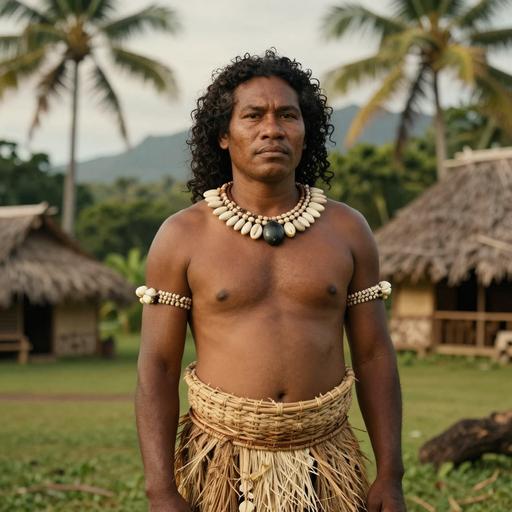
Um perfil de referência de um ramo de linhagem. Compartilhar haplogrupos não demonstra uma relação familiar ou uma identidade cultural.
Perfil de Referência
Contexto do ramo
Contexto histórico de la rama de linaje mtDNA B4A1A1
Origins and Evolution
mtDNA haplogroup B4A1A1 is a downstream lineage of B4A1A and likely arose in Island Southeast Asia or Taiwan during the mid-Holocene, roughly around 5,000 years ago (± a couple thousand years depending on mutation-rate calibration). As a maternal lineage nested within the broader B4 clade, B4A1A1 shows the phylogenetic signature expected for populations involved in coastal and seafaring dispersals. Its emergence postdates the initial B4 diversification and aligns chronologically and geographically with Neolithic maritime expansions that carried Austronesian languages and material culture across Island Southeast Asia and into Remote Oceania.
Subclades
B4A1A1 itself gives rise to further derived motifs that are better-known in Pacific contexts (for example, the Polynesian motif is a closely related downstream branch often labeled in the literature as B4a1a1a or a similarly named terminal clade depending on the phylogeny used). These downstream subclades show strong founder effects in Remote Oceania (Micronesia and Polynesia) and reduced diversity consistent with serial bottlenecks during long-distance voyaging and island colonization.
Geographical Distribution
The distribution of B4A1A1 is tightly linked to Austronesian-speaking populations and coastal/island groups of Southeast Asia and the Pacific. Highest frequencies and haplotype diversity occur in Formosan (indigenous Taiwanese) groups, parts of the Philippines, eastern Indonesia and in many Pacific island populations (Micronesia and Polynesia). In Island Melanesia the lineage appears at moderate frequencies where Austronesian-speaking groups admixed with Papuan-speaking peoples. Low to moderate frequencies are observed in some mainland southern East Asian groups (e.g., southern Han Chinese and neighboring populations) and in coastal Southeast Asia, reflecting either ancient coastal contact or more recent gene flow. Modern appearances at low frequency in the Americas are generally the result of recent East/Southeast Asian admixture rather than pre-Holocene presence.
Genetic surveys and ancient DNA data show B4A1A1 present in archaeological and prehistoric contexts consistent with Austronesian-associated sites; in our referenced database this lineage appears in 27 ancient samples, many associated with early island-hopping and Lapita-related contexts in the Pacific.
Historical and Cultural Significance
B4A1A1 is strongly associated with the demographic processes that spread Austronesian languages, agriculture, and seafaring technology from Taiwan/Island Southeast Asia into the wider Pacific. Its presence in Polynesia and Micronesia—often as part of the so-called "Polynesian motif" complex of maternal lineages—provides a maternal genetic signature for long-range voyaging and serial founder events. Archaeologically, B4A1A1 and its subclades are often discussed alongside the Lapita cultural complex (the pottery-bearing early Pacific expansion) and earlier Neolithic coastal dispersals in ISEA and Taiwan.
Conclusion
As a maternal lineage, B4A1A1 is a key marker for tracking Austronesian maritime dispersals and the peopling of Remote Oceania. Its phylogenetic position as a subclade of B4A1A, its geographic concentration in Island Southeast Asia and the Pacific, and its presence in ancient samples together make it an informative haplogroup for studies of Holocene migration, founder effects, and the maternal component of Austronesian expansions.
Pontos- Chave
Origins and Evolution
Subclades
Geographical Distribution
Historical and Cultural Significance
Conclusion
Perfil de Referência
Árvore e relações
Contexto filogenético e subclasse
Trajectória evolutiva
Sigue las ramas superiores registradas hasta B4A1A1. Las fechas son estimaciones y pueden cambiar al revisarse los datos de referencia.
Parts of Island Melanesia (in communities with Austronesian admixture)
Mainland East Asian populations at low to moderate frequency (southern Han Chinese and neighboring groups)
Coastal Southeast Asian populations (Vietnamese-adjacent, Malay-adjacent groups)
Modern populations in the Americas where recent East/Southeast Asian admixture introduced B4-derived lineages (low frequency)
Contexto Histórico
Uma ramificação através do tempo
Formação estimada em uma cronologia histórica ampla. Os marcadores temporais contribuem contexto e não implicam relação com culturas concretas.
~10k años de antigüedad
Revolução neolítica
Início da agricultura e formação de comunidades sedentárias
~5k años de antigüedad
Idade do Bronze
Metalurgia, escrita e primeiras civilizações
~5k años de antigüedad
Haplogrupo B4A1A1
Formação estimada deste ramo mtDNA; as datas e localizações são estimativas de referência.
Este ramo
~3k años de antigüedad
Idade do Ferro
Ferramentas de ferro e ampliação de redes comerciais
~2.5k años de antigüedad
Antiguidades clássicas
Desenvolvimento das civilizações grega e romana
Actualidad
Actualidad
Idade moderna
Perfil de Referência
Contexto arqueológico
Asociaciones arqueológicas registradas para la rama mtDNA B4A1A1
Associações registradas
Esses rótulos descrevem os contextos arqueológicos registrados para as amostras de referência vinculadas a B4A1A1. Uma associação não demonstra que todos os portadores pertenceram a uma cultura ou seguiram uma rota migratória específica.
As atribuições culturais baseiam-se no contexto arqueológico das amostras de DNA antigo e podem representar associações regionais de períodos concretos.
Perfil de Referência
Catálogo de amostras
25 portadores directos y 24 portadores de subclados del haplogrupo B4A1A1
10 mostradas 49 amostras correspondentes
Nenhuma amostra coincide com estes filtros. Teste outra marca, localização ou período.
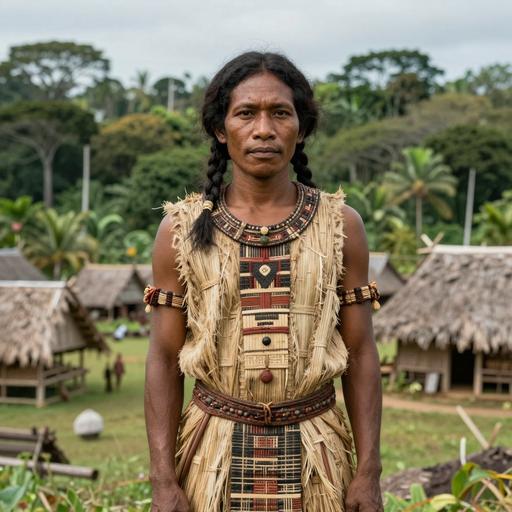
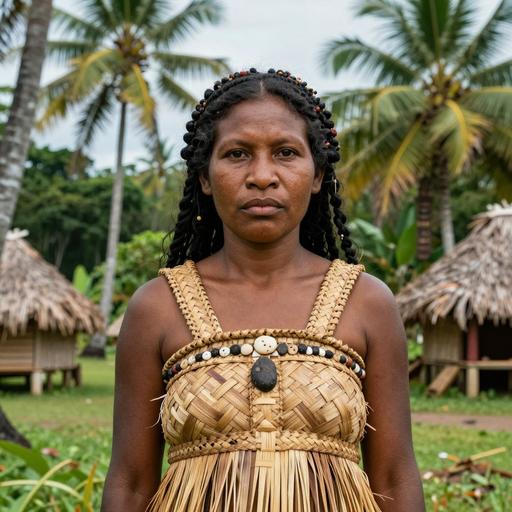
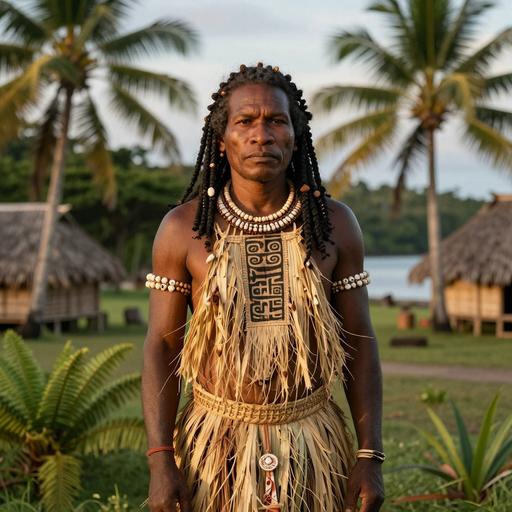
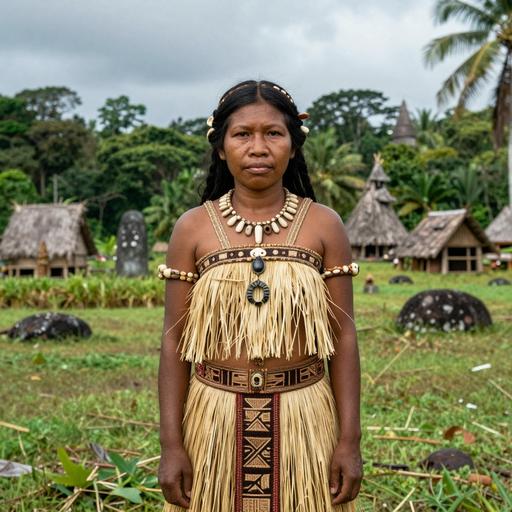
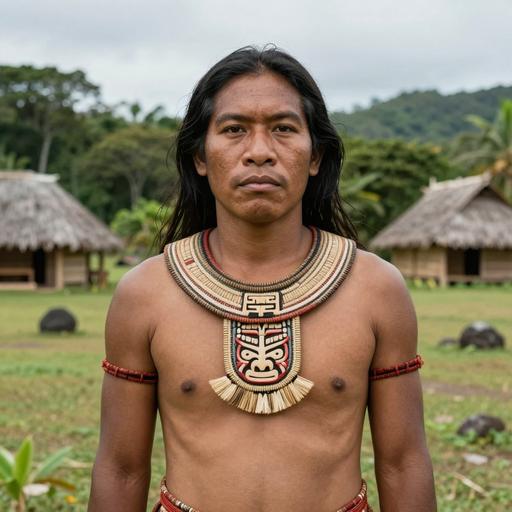
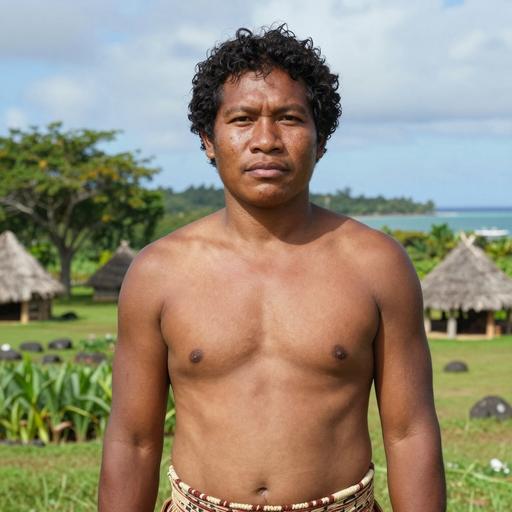
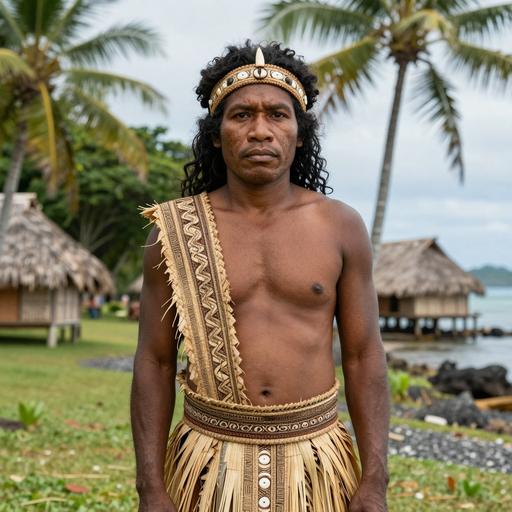
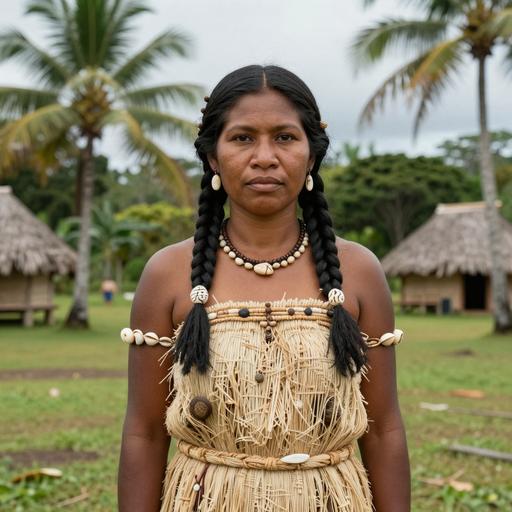
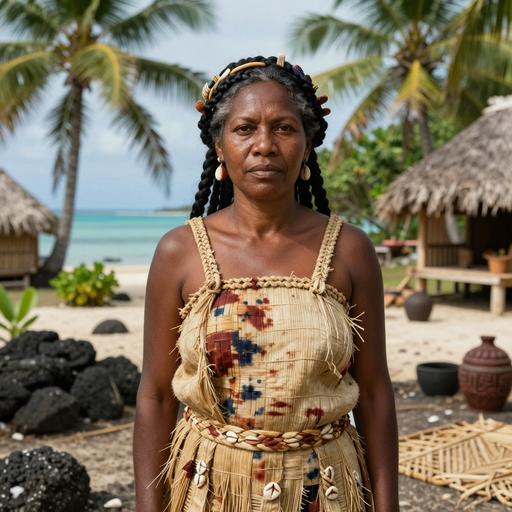
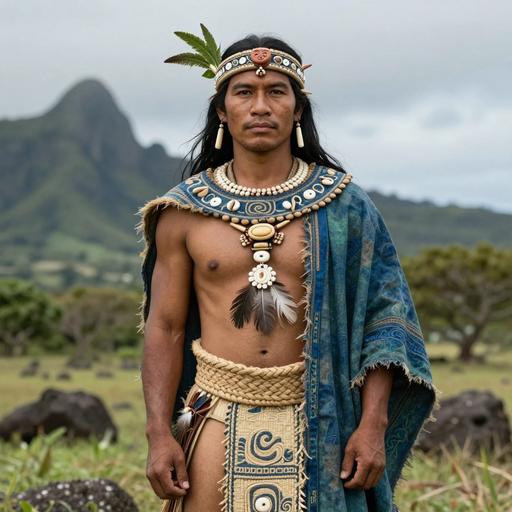
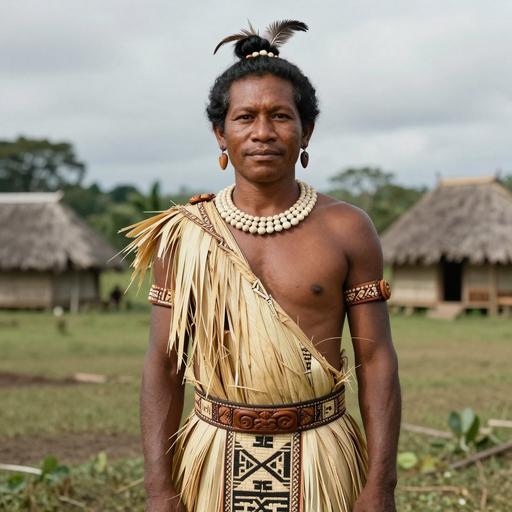
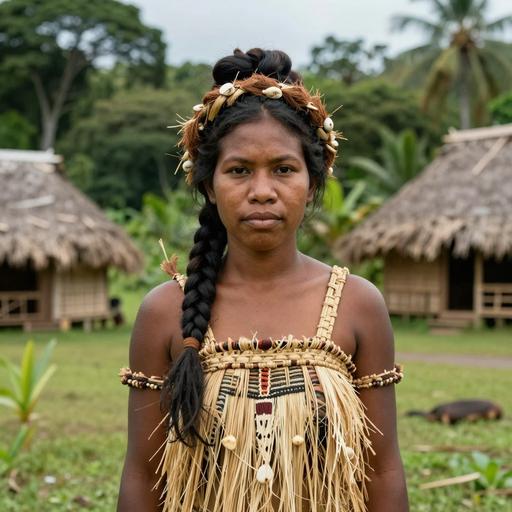
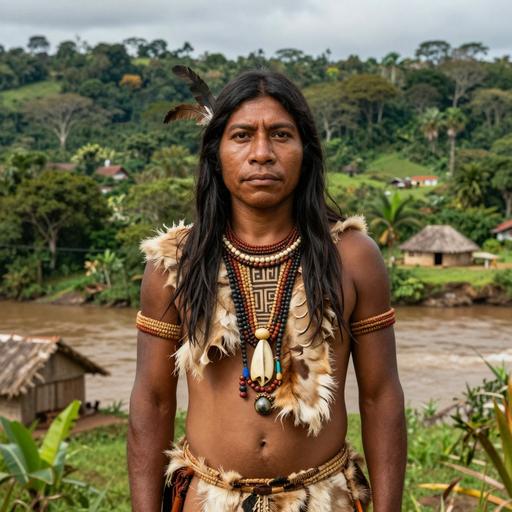
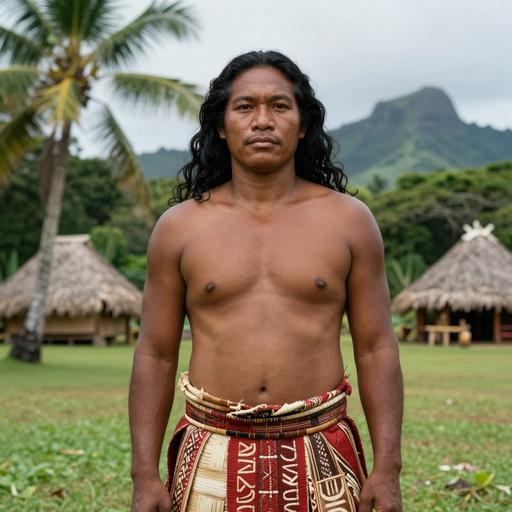
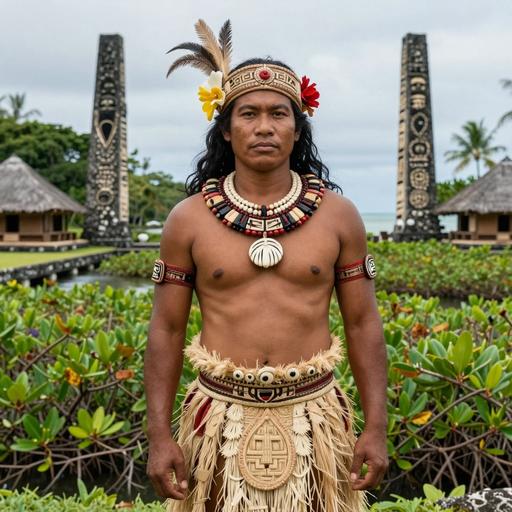
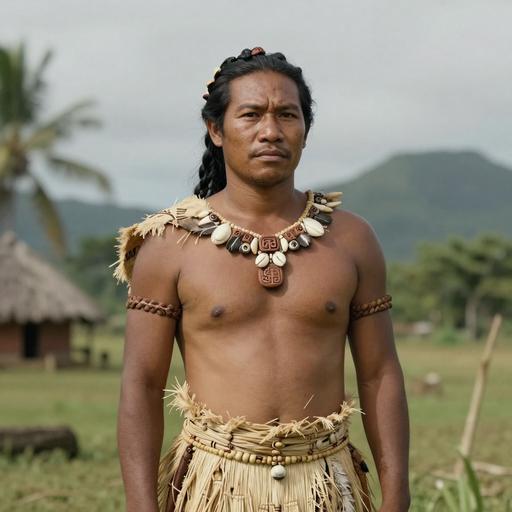
Os retratos são ilustrações geradas com IA. As etiquetas de amostra e os identificadores de acesso identificam os registros de referência.
Tonga 2,500 Years Ago - Tonga - Talasiu site. Tongatapu
Tonga Tonga 2500BP 850 BCE - 500 BCE
B4a1a1aSubclado
Identificador de amostra: TON001
Tonga Ancient Oceania 850 BCE - 500 BCE
B4a1a1aSubclado
Identificador de amostra: I5266
Vanuatu 3,000 Years Ago - Vanuatu - Efate. Teouma
Vanuatu Vanuatu 3000BP 1250-750 BCE
B4a1a1cSubclado
Identificador de amostra: MAI002
Solomon Islands 500 Years Ago - Solomon Islands - Malaita
Solomon Islands SolomonIslands 500BP 1431 CE - 1617 CE
B4a1a1aSubclado
Identificador de amostra: MAI002
Solomon Islands Ancient Oceania 1431 CE - 1617 CE
B4a1a1aSubclado
Identificador de amostra: I10968
Vanuatu 400 Years Ago - Vanuatu - Retoka
Vanuatu Vanuatu 400BP 1450-1650 CE
B4a1a1cSubclado
Identificador de amostra: Botocudo15
Botocudo People, Brazil - Brazil - Rio Doce Valley
Brazil Botocudo People, Brazil 1450-1850 CE
B4a1a1aSubclado
Identificador de amostra: TAP003
French Polynesia 400 Years Ago - French Polynesia - French Polynesia. Ra'iatea
French Polynesia FrenchPolynesia 400BP 1508-1654 calCE (318±18 BP, MAMS-30076)
B4a1a1cSubclado
Identificador de amostra: I30477
The Saudeleur Dynasty in Micronesia - Federated States of Micronesia - Caroline Islands. Pohnpei. Temwen Island. Man Nadol. Pahndauwas
Federated States of Micronesia The Saudeleur Dynasty in Micronesia 1644-1797 calCE (235±15 BP, PSUAMS-11009)
B4a1a1a18Subclado
Identificador de amostra: I30478
The Saudeleur Dynasty in Micronesia - Federated States of Micronesia - Caroline Islands. Pohnpei. Temwen Island. Man Nadol. Pahndauwas
Federated States of Micronesia The Saudeleur Dynasty in Micronesia 1644-1797 calCE (235±15 BP, PSUAMS-12040)
B4a1a1a18Subclado
Identificador de amostra: TAP004
French Polynesia 200 Years Ago - French Polynesia - French Polynesia. Ra'iatea
French Polynesia FrenchPolynesia 200BP 1645 CE - 1800 CE
B4a1a1-cSubclado
Identificador de amostra: TAP004
French Polynesia Historical Polynesia 1645 CE - 1800 CE
B4a1a1-cSubclado
Identificador de amostra: TAP002
French Polynesia 200 Years Ago - French Polynesia - French Polynesia. Ra'iatea
French Polynesia FrenchPolynesia 200BP 1657 CE - 1803 CE
B4a1a1m1Subclado
Identificador de amostra: TAP002
French Polynesia Historical Polynesia 1657 CE - 1803 CE
B4a1a1m1Subclado
Identificador de amostra: I4106
Vanuatu 150 Years Ago - Vanuatu - Epi Island. Wam Bay
Vanuatu Vanuatu 150BP 1670 CE - 1950 CE
B4a1a1a11Subclado
Identificador de amostra: I4106
Vanuatu The First Peoples of Vanuatu 1670 CE - 1950 CE
B4a1a1a11Subclado
MATERNAL LINHAGEM · DNA ANTIGO
Mapa de testes de linhagems antigos
Siga os clados superiores até este ramo e explora onde se encontraram portadores antigos.
A carregar as observações antigas...
A redução do movimento está activada. Use a cronologia ou Mostrar tudo para explorar o seu ritmo.
Ler as observações numa tabela
Observações antigas visíveis por ramo, período e ponto médio da data
Ramada
Período
Intervalo de datas
Mostrar
Identificador de amostra
Localização
Haplogrupo
Relação
Os marcadores são locais de achados arqueológicos. Uma linha de descontínua representa uma transição geográfica proposta e incerta entre ramos consecutivos, apoiada em várias observações fechadas; não é uma rota de viagem exata, um local de nascimento ou um teste de descendência direta. As amostras do clado parental podem pertencer a outros ramos descendentes. As datas das amostras são distintas das datas de formação dos haplogrupos são mantidas.
O agrupamento por período histórico reflete quando viveu cada indivíduo antigo e combina todos os ramos desta cadeia de linhagems; não é uma sequência migratória nem uma cronologia pessoal entre períodos.
Perfil de Referência
Mapa de distribuição de portadores
Distribuição geográfica das amostras de DNA antigo (49), portadores directos ou de subclasses de B4A1A1
Portador directo Portador de um subclasse
Filtro de Período Temporária
Todos os períodos
Mostrar todas as amostras
Perfil de Referência
Distribuição temporária
Distribuição de portadores por períodos arqueológicos
Perfil de Referência
Distribuição geográfica
Recuentos por país registrado das amostras. Reflejam a seleção de referência disponível, não frequências de população.
Perfil de Referência
Distribuição por país e época
Compare as contagens de amostras registadas por países e períodos arqueológicos. Selecione uma célula com dados para examinar uma amostra.
Dados
Dados e proveniência
Informações sobre fontes e qualidade dos dados
Última actualização2026-02-16
Pontuação de confiança50/100
CoberturaLow
Fonte de Dados
A classificação, as datas estimadas e o contexto geográfico refletem os dados de referência registrados e podem mudar ao revisar os testes. A cobertura de amostras é desigual; os locais registrados e as associações arqueológicas não estabelecem a origem pessoal nem a identidade cultural.